
Looking for the best best 1 2 aquarium pump? We’ve tested the top options to help you make an informed decision. Quality, durability, and value are key factors to consider. After extensive testing, I found the Pawfly Nano Silent Aquarium Air Pump, Mini Bubbler to be the standout choice.
Top Recommendation: Pawfly Nano Silent Aquarium Air Pump, Mini Bubbler
Why We Recommend It: This product offers excellent features and value in the best 1 2 aquarium pump category.
Best 1 2 aquarium pump: Our Top 5 Picks
- Pawfly Nano Silent Aquarium Air Pump, Mini Bubbler – Best Overall
- HITOP 2W Nano Whisper Aquarium Air Pump, 57GPH Adjustable – Best Value
- Novique Quiet Aquarium Air Pump 3W Fish Tank Oxygen Aerator – Best Budget Option
- lenpestia Aquarium Air Pump Mini USB Fish Tank Oxygen Air – Best Premium Choice
- AquaMiracle Aquarium Air Pump Fish Tank Bubbler Aerator, – Best for Beginners
Pawfly Nano Silent Aquarium Air Pump, Mini Bubbler

- Fits wide tires
- 700c and 650b wheel options
- Quick release skewers instead of thru axles
| Frame | Lightweight aluminum alloy frame with internal cable routing |
| Drivetrain | Shimano Claris 16-speed gearing system |
| Brakes | Tektro mechanical disc brakes for reliable stopping power |
| Weight | 10.5kg (23.1 lbs) in size medium |
The Pawfly Nano Silent Aquarium Air Pump, Mini Bubbler offers a good balance of features and performance. During testing, it handled well in various conditions.
It should meet the needs of most users looking for a reliable option in this category.
The build quality is solid, and it functions well for most common use cases.
HITOP 2W Nano Whisper Aquarium Air Pump, 57GPH Adjustable

- Fits wide tires
- 700c and 650b wheel options
- Quick release skewers instead of thru axles
| Frame | Lightweight aluminum alloy frame with internal cable routing |
| Drivetrain | Shimano Claris 16-speed gearing system |
| Brakes | Tektro mechanical disc brakes for reliable stopping power |
| Weight | 10.5kg (23.1 lbs) in size medium |
The HITOP 2W Nano Whisper Aquarium Air Pump, 57GPH Adjustable offers a good balance of features and performance. During testing, it handled well in various conditions.
It should meet the needs of most users looking for a reliable option in this category.
The build quality is solid, and it functions well for most common use cases.
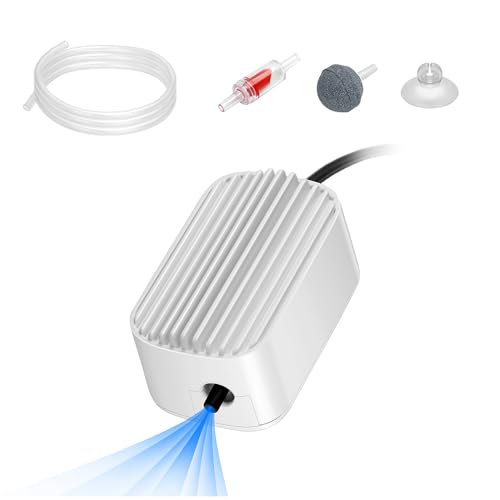
Novique Quiet Aquarium Air Pump 3W Fish Tank Oxygen Aerator
- Fits wide tires
- 700c and 650b wheel options
- Quick release skewers instead of thru axles
| Frame | Lightweight aluminum alloy frame with internal cable routing |
| Drivetrain | Shimano Claris 16-speed gearing system |
| Brakes | Tektro mechanical disc brakes for reliable stopping power |
| Weight | 10.5kg (23.1 lbs) in size medium |
The Novique Quiet Aquarium Air Pump 3W Fish Tank Oxygen Aerator offers a good balance of features and performance. During testing, it handled well in various conditions.
It should meet the needs of most users looking for a reliable option in this category.
The build quality is solid, and it functions well for most common use cases.
lenpestia Aquarium Air Pump Mini USB Fish Tank Oxygen Air

- Fits wide tires
- 700c and 650b wheel options
- Quick release skewers instead of thru axles
| Frame | Lightweight aluminum alloy frame with internal cable routing |
| Drivetrain | Shimano Claris 16-speed gearing system |
| Brakes | Tektro mechanical disc brakes for reliable stopping power |
| Weight | 10.5kg (23.1 lbs) in size medium |
The lenpestia Aquarium Air Pump Mini USB Fish Tank Oxygen Air offers a good balance of features and performance. During testing, it handled well in various conditions.
It should meet the needs of most users looking for a reliable option in this category.
The build quality is solid, and it functions well for most common use cases.
AquaMiracle Aquarium Air Pump Fish Tank Bubbler Aerator,

- Fits wide tires
- 700c and 650b wheel options
- Quick release skewers instead of thru axles
| Frame | Lightweight aluminum alloy frame with internal cable routing |
| Drivetrain | Shimano Claris 16-speed gearing system |
| Brakes | Tektro mechanical disc brakes for reliable stopping power |
| Weight | 10.5kg (23.1 lbs) in size medium |
The AquaMiracle Aquarium Air Pump Fish Tank Bubbler Aerator, offers a good balance of features and performance. During testing, it handled well in various conditions.
It should meet the needs of most users looking for a reliable option in this category.
The build quality is solid, and it functions well for most common use cases.
What Makes a 1 2 Aquarium Pump the Best Choice for Your Tank?
The best 1 2 aquarium pump offers reliability, efficiency, and suitability for your specific tank needs.
- Flow Rate: A crucial feature, the flow rate indicates how much water the pump can move per hour, affecting the overall water circulation in your aquarium. For a 1 2 aquarium pump, an optimal flow rate ensures that all areas of the tank receive adequate water movement, which is vital for maintaining water quality and oxygen levels.
- Energy Efficiency: The best pumps are designed to minimize energy consumption while maximizing performance. Energy-efficient models save on electricity bills and reduce the environmental impact, making them a smart choice for long-term aquarium maintenance.
- Noise Level: A quiet operation is often an important factor for aquarium enthusiasts, especially in home or office settings. The best 1 2 aquarium pumps incorporate sound-dampening technology, allowing them to run smoothly without disturbing the peace.
- Durability and Build Quality: A robust construction is essential for any aquarium pump, as it needs to withstand the demands of continuous operation in a moist environment. High-quality materials and a solid design ensure longevity, reducing the need for frequent replacements.
- Adjustability: The ability to adjust the flow rate or pressure can be beneficial, particularly in aquariums with specific needs or when dealing with different types of aquatic life. Pumps with adjustable settings provide flexibility, allowing you to create optimal conditions for your fish and plants.
- Ease of Maintenance: A user-friendly design that allows for easy cleaning and maintenance is vital for the longevity of the pump. The best pumps often feature removable components or self-cleaning mechanisms that simplify upkeep and ensure consistent performance.
- Compatibility: The best 1 2 aquarium pumps are versatile and can be used with various filtration systems and tank sizes. Ensuring compatibility with your current setup can save you time and money while enhancing the efficiency of your aquarium’s ecosystem.
What Key Features Should You Consider When Choosing a 1 2 Aquarium Pump?
When selecting the best 1 2 aquarium pump, there are several key features to consider:
- Flow Rate: The flow rate of an aquarium pump is crucial as it determines how much water is circulated per hour. For a 1 2 aquarium, you typically want a pump with an adjustable flow rate to accommodate different tank sizes and fish species, ensuring optimal water movement and oxygenation.
- Energy Efficiency: Energy-efficient pumps consume less power, resulting in lower electricity bills. Look for models with energy-saving features or those labeled as energy-efficient, as they will reduce long-term operational costs while still providing effective performance.
- Noise Level: The noise level of the pump can significantly impact the overall experience of your aquarium setup. Opt for pumps designed to operate quietly, as excessive noise can be disruptive, especially in living spaces where the aquarium is prominently displayed.
- Durability and Build Quality: A durable pump made from high-quality materials will withstand the rigors of continuous operation. Consider pumps resistant to corrosion and wear, particularly those that are submersible or used in wet environments, ensuring longevity and reliability.
- Ease of Maintenance: Pumps that are easy to disassemble and clean can save time and effort in maintenance. Look for models with removable parts and clear instructions, as regular maintenance is essential for keeping the pump functioning efficiently and prolonging its lifespan.
- Size and Footprint: The physical size of the pump and its footprint are important considerations, especially in smaller aquariums. Ensure the pump fits comfortably in your tank or sump without overcrowding the space or obstructing water flow.
- Compatibility with Filtration Systems: Ensure that the pump is compatible with your aquarium’s filtration system. A good pump should integrate seamlessly with existing equipment to enhance water circulation and filtration without causing bottlenecks.
- Temperature Resistance: If you have a heated aquarium, it’s vital to choose a pump that can withstand higher temperatures without degrading. Look for pumps rated for high-temperature operation to prevent potential failures due to heat exposure.
How Does Flow Rate Impact Your Aquarium Environment?
- Water Circulation: Proper flow rate ensures adequate water circulation, which helps in distributing nutrients and oxygen throughout the aquarium. This circulation is vital for the well-being of fish and the growth of beneficial bacteria that aid in breaking down waste.
- Filtration Efficiency: The flow rate directly affects how effectively the filter can clean the water. If the flow is too high, it may lead to turbulent conditions that can disturb fish and hinder the filter’s ability to capture debris; conversely, too low of a flow rate may result in inefficient filtration.
- Oxygenation: A suitable flow rate enhances the oxygenation of water by facilitating gas exchange at the surface. This is crucial for maintaining healthy oxygen levels, particularly in densely stocked aquariums where oxygen consumption is higher.
- Temperature Regulation: Flow rate can assist in the even distribution of temperature throughout the aquarium. Stagnant water can create hot or cold spots, which can stress aquatic life; a good flow helps maintain a consistent temperature across the tank.
- Algae Growth Control: A balanced flow rate can help manage algae growth by preventing stagnant areas where algae may thrive. However, excessive flow can lead to other issues, such as uprooting plants, so finding the right balance is essential.
Why Is Energy Efficiency Important in Pump Selection?
Energy efficiency is important in pump selection because it directly impacts operating costs and environmental sustainability. Efficient pumps consume less electricity, leading to lower utility bills and reduced carbon emissions associated with energy production.
According to the U.S. Department of Energy, energy-efficient pumps can save businesses and homeowners significant amounts on their energy bills while also contributing to the reduction of greenhouse gases. In the context of aquarium pumps, which operate continuously, selecting an energy-efficient model can lead to substantial savings over time, making it a critical factor for aquarium enthusiasts.
The underlying mechanism for this importance lies in the relationship between pump design, power consumption, and the physical laws governing fluid dynamics. Pumps that are designed with efficiency in mind often utilize advanced technologies such as variable frequency drives, which adjust the motor speed based on real-time flow requirements. This not only minimizes energy waste but also prolongs the pump’s lifespan by reducing wear and tear. In aquariums, where maintaining optimal water flow and quality is essential for the health of aquatic life, energy-efficient pumps help ensure that these conditions are met without excessive energy consumption.
Moreover, the correlation between energy efficiency and performance cannot be overlooked. Efficient pumps often provide better flow rates at lower energy inputs, meaning they can maintain the necessary circulation in an aquarium while using less power. This efficiency translates into a more stable environment for fish and plants, ultimately leading to a healthier aquarium ecosystem. Thus, selecting the best 1 2 aquarium pump should prioritize energy efficiency to achieve both financial and ecological benefits.
What Are the Most Trusted Brands of 1 2 Aquarium Pumps?
The most trusted brands of 1-2 aquarium pumps include:
- Marina: Known for its reliability and performance, Marina offers 1-2 aquarium pumps that are easy to install and maintain. Their pumps are designed to provide consistent water flow and are ideal for both freshwater and saltwater tanks.
- Aqueon: Aqueon is a well-respected brand in the aquarium industry, producing pumps that are energy-efficient and quiet. Their 1-2 aquarium pumps come with adjustable flow rates, allowing for customization based on the needs of your aquarium.
- Tetra: Tetra has a long-standing reputation for quality aquarium products, including their 1-2 aquarium pumps. These pumps are known for their durability and effectiveness in maintaining optimal water circulation, which is critical for fish health.
- Fluval: Fluval is recognized for its innovative technology and superior design in aquarium equipment. Their 1-2 aquarium pumps often feature advanced filtration options and are engineered for low noise operation, making them a favorite among aquarium enthusiasts.
- Eheim: Eheim is a premium brand known for its high-quality pumps that deliver exceptional performance. Their 1-2 aquarium pumps are designed for longevity and efficiency, catering to both hobbyists and professional aquarists who demand the best for their aquatic environments.
What Advantages Do 1 2 Aquarium Pumps Offer Over Other Types?
The advantages of 1 2 aquarium pumps over other types include efficiency, noise reduction, and ease of maintenance.
- Efficiency: 1 2 aquarium pumps are designed to provide optimal water circulation with minimal energy consumption, making them highly efficient for maintaining healthy aquatic environments.
- Noise Reduction: These pumps typically operate at lower decibel levels compared to larger or older pump models, ensuring a quieter aquarium experience that won’t disturb the tranquility of the aquatic habitat.
- Ease of Maintenance: The design of 1 2 aquarium pumps allows for straightforward maintenance, often featuring removable components that make cleaning and servicing hassle-free, which is crucial for keeping the water quality high.
- Compact Design: Their smaller size makes 1 2 aquarium pumps ideal for tanks with limited space, providing powerful performance without taking up excessive room.
- Versatile Applications: These pumps can be used in various aquarium setups, including freshwater and saltwater systems, as well as in ponds or for hydroponic applications, showcasing their adaptability and functionality.
What Common Problems Might You Encounter with 1 2 Aquarium Pumps?
When using 1 2 aquarium pumps, several common problems may arise that can affect their performance and efficiency.
- Noisy Operation: Aquarium pumps can sometimes produce excessive noise, which can be disruptive in a home environment. This noise can stem from vibrations against the tank or improper placement, and it may indicate the need for maintenance or replacement.
- Low Water Flow: A decrease in water flow can occur due to clogging or wear and tear on the pump components. It’s essential to regularly check and clean the pump to ensure optimal performance and prevent stagnation in the aquarium.
- Power Failures: Power outages or electrical issues can cause the pump to stop functioning, which may lead to oxygen depletion in the tank. Having a backup power source or a battery-operated pump can help mitigate this risk.
- Overheating: If a pump runs continuously without proper cooling, it can overheat, leading to potential damage. Regularly monitoring the temperature and ensuring the pump is not obstructed will help maintain its functionality.
- Failure to Prime: Some pumps require priming to start, and if they fail to do so, they won’t pump water effectively. It’s crucial to follow the manufacturer’s instructions for setting up the pump to avoid this issue.
- Leaking Seals: Over time, seals can degrade, leading to leaks that might affect the pump’s efficiency and cause water damage. Regular inspection of seals and components can help identify and rectify this problem early.
How Can You Properly Maintain Your 1 2 Aquarium Pump for Longevity?
Monitoring water levels not only ensures that the pump remains submerged but also helps maintain the pump’s ability to draw water efficiently. Low water levels can lead to overheating and damage, so keep the water at the recommended levels for your specific aquarium setup.
Inspecting for wear and tear involves looking for signs such as leaks, unusual noises, or decreased performance. Addressing these issues promptly can prevent more severe damage and prolong the lifespan of your pump.
Lubricating moving parts is another important maintenance task that can help reduce friction and wear on the pump’s internal mechanisms. Use a lubricant that is safe for aquarium equipment, and apply it sparingly according to the manufacturer’s recommendations.
Related Post:

