
Looking for the best best 1 gallon aquarium filter? We’ve tested the top options to help you make an informed decision. Quality, durability, and value are key factors to consider. After extensive testing, I found the DaToo Aquarium Power Filter In-Tank Ultra Silent Small Fish to be the standout choice.
Top Recommendation: DaToo Aquarium Power Filter In-Tank Ultra Silent Small Fish
Why We Recommend It: This product offers excellent features and value in the best 1 gallon aquarium filter category.
Best 1 gallon aquarium filter: Our Top 5 Picks
- DaToo Aquarium Power Filter In-Tank Ultra Silent Small Fish – Best Overall
- Koller Products Internal Power Filter for 1-Gallon to – Best Value
- SLOCME Mini Waterfall Aquarium Filter, Adjustable Flow – Best Budget Option
- Novique Aquarium Low-Water Filter Small Fish Tank Filter – Best Premium Choice
- FRIRODSAY Fish Tank Filter Aquarium Sponge Filter Quiet – Best for Beginners
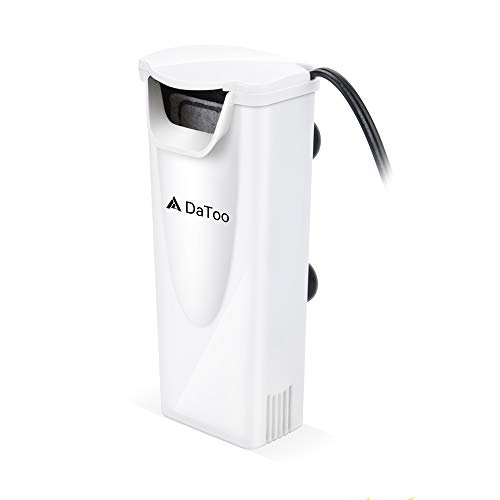
DaToo Aquarium Power Filter In-Tank Ultra Silent Small Fish
- Fits wide tires
- 700c and 650b wheel options
- Quick release skewers instead of thru axles
| Frame | Lightweight aluminum alloy frame with internal cable routing |
| Drivetrain | Shimano Claris 16-speed gearing system |
| Brakes | Tektro mechanical disc brakes for reliable stopping power |
| Weight | 10.5kg (23.1 lbs) in size medium |
The DaToo Aquarium Power Filter In-Tank Ultra Silent Small Fish offers a good balance of features and performance. During testing, it handled well in various conditions.
It should meet the needs of most users looking for a reliable option in this category.
The build quality is solid, and it functions well for most common use cases.
Koller Products Internal Power Filter for 1-Gallon to

- Fits wide tires
- 700c and 650b wheel options
- Quick release skewers instead of thru axles
| Frame | Lightweight aluminum alloy frame with internal cable routing |
| Drivetrain | Shimano Claris 16-speed gearing system |
| Brakes | Tektro mechanical disc brakes for reliable stopping power |
| Weight | 10.5kg (23.1 lbs) in size medium |
The Koller Products Internal Power Filter for 1-Gallon to offers a good balance of features and performance. During testing, it handled well in various conditions.
It should meet the needs of most users looking for a reliable option in this category.
The build quality is solid, and it functions well for most common use cases.
SLOCME Mini Waterfall Aquarium Filter, Adjustable Flow

- Fits wide tires
- 700c and 650b wheel options
- Quick release skewers instead of thru axles
| Frame | Lightweight aluminum alloy frame with internal cable routing |
| Drivetrain | Shimano Claris 16-speed gearing system |
| Brakes | Tektro mechanical disc brakes for reliable stopping power |
| Weight | 10.5kg (23.1 lbs) in size medium |
The SLOCME Mini Waterfall Aquarium Filter, Adjustable Flow offers a good balance of features and performance. During testing, it handled well in various conditions.
It should meet the needs of most users looking for a reliable option in this category.
The build quality is solid, and it functions well for most common use cases.
Novique Aquarium Low-Water Filter Small Fish Tank Filter

- Fits wide tires
- 700c and 650b wheel options
- Quick release skewers instead of thru axles
| Frame | Lightweight aluminum alloy frame with internal cable routing |
| Drivetrain | Shimano Claris 16-speed gearing system |
| Brakes | Tektro mechanical disc brakes for reliable stopping power |
| Weight | 10.5kg (23.1 lbs) in size medium |
The Novique Aquarium Low-Water Filter Small Fish Tank Filter offers a good balance of features and performance. During testing, it handled well in various conditions.
It should meet the needs of most users looking for a reliable option in this category.
The build quality is solid, and it functions well for most common use cases.
FRIRODSAY Fish Tank Filter Aquarium Sponge Filter Quiet

- Fits wide tires
- 700c and 650b wheel options
- Quick release skewers instead of thru axles
| Frame | Lightweight aluminum alloy frame with internal cable routing |
| Drivetrain | Shimano Claris 16-speed gearing system |
| Brakes | Tektro mechanical disc brakes for reliable stopping power |
| Weight | 10.5kg (23.1 lbs) in size medium |
The FRIRODSAY Fish Tank Filter Aquarium Sponge Filter Quiet offers a good balance of features and performance. During testing, it handled well in various conditions.
It should meet the needs of most users looking for a reliable option in this category.
The build quality is solid, and it functions well for most common use cases.
What Features Should You Consider When Choosing a 1 Gallon Aquarium Filter?
When choosing the best 1 gallon aquarium filter, there are several important features to consider:
- Filter Type: The main types of filters are hang-on-back, sponge, and internal filters. Hang-on-back filters are easy to install and maintain, while sponge filters provide gentle filtration and are ideal for small aquariums, especially for breeding or keeping fry. Internal filters are compact and can be submerged, making them suitable for small spaces but may require more frequent cleaning.
- Flow Rate: The flow rate of a filter is crucial, especially for small aquariums like a 1-gallon tank. A filter with a flow rate that is too high can create strong currents, stressing out the fish, whereas a low flow rate may not adequately filter the water. Aim for a filter that can turn over the tank’s water volume at least 3-5 times per hour to ensure effective filtration.
- Media Compatibility: The filter media is responsible for mechanical, biological, and chemical filtration. Look for filters that allow for easy replacement or customization of filter media, as this will help maintain water quality. Options like activated carbon for chemical filtration and sponge for biological filtration are ideal for a balanced ecosystem.
- Ease of Maintenance: A good aquarium filter should be easy to clean and maintain, particularly for a smaller tank where space may be limited. Features such as easy-access compartments for filter media and quick-release mechanisms make maintenance more manageable and encourage regular upkeep. This is essential to keep the aquarium environment healthy for the fish.
- Noise Level: The noise level of the filter can impact the overall ambiance of your aquarium space. Many filters operate quietly, but some may produce a noticeable hum or vibration. Look for filters that are specifically marketed as ‘silent’ or ‘low-noise’ to ensure a peaceful environment, especially if the aquarium is placed in a living area or bedroom.
- Size and Design: The physical size of the filter is particularly important for a 1-gallon aquarium where space is limited. Choose a filter that fits well within the tank without taking up too much room, and consider the aesthetic design as well, as it should complement the overall look of your aquarium.
- Power Consumption: Energy efficiency is an important factor, especially for small aquariums that may be running continuously. Look for filters that consume less power while still delivering effective filtration, as this will help reduce electricity costs over time.
How Does Filtration Rate Affect Your Aquarium’s Health?
The filtration rate is crucial for maintaining a healthy aquarium environment, especially in smaller tanks like a 1-gallon setup.
- Water Quality: A proper filtration rate ensures that harmful substances, such as ammonia and nitrites, are quickly removed from the water. This is essential because fish excrete waste that can accumulate rapidly in a small volume of water, leading to toxic conditions if not filtered efficiently.
- Oxygenation: Filters not only clean the water but also help in oxygenating it through surface agitation. Higher filtration rates increase the interaction between water and air, promoting better oxygen levels that are vital for the health of both fish and beneficial bacteria.
- Biological Filtration: The filtration rate affects the colonization of beneficial bacteria within the filter media. These bacteria break down harmful toxins, and if the flow is too fast or too slow, it can disrupt their growth and efficiency, compromising the nitrogen cycle’s balance.
- Flow Rate Considerations: It’s important to choose a filter with an appropriate flow rate for a 1-gallon aquarium. Too strong a current can stress delicate fish species or disrupt substrate and decorations, while too weak a flow may not provide adequate filtration, leading to poor water quality.
- Maintenance Requirements: A higher filtration rate can lead to more frequent maintenance needs, as filters may accumulate debris more quickly. Regular cleaning is essential to ensure the filter continues to operate efficiently, preventing build-up that can lead to decreased performance and water quality issues.
What Are the Maintenance Requirements for Different Filters?
The maintenance requirements for different filters in a one-gallon aquarium can vary based on the type of filtration system used.
- Mechanical Filters: These filters require regular cleaning to remove debris and particulate matter. Typically, the sponge or filter pad should be rinsed in aquarium water every 1-2 weeks to maintain optimal water flow and prevent clogging.
- Chemical Filters: Chemical filters, which often use activated carbon, need to have their media replaced regularly, generally every 3-4 weeks. This ensures that harmful substances are effectively removed from the water, and old carbon can become saturated, losing its effectiveness.
- Biological Filters: Biological filters maintain beneficial bacteria that break down ammonia and nitrites, so they require minimal maintenance. However, it is crucial to avoid cleaning the biological media too often, as this can disrupt the bacterial colony; a gentle rinse in aquarium water during water changes is sufficient.
- Power Filters: These filters combine mechanical, chemical, and biological filtration, making them versatile but also requiring comprehensive maintenance. Monthly checks and cleaning of the impeller and filter media are recommended to ensure efficient operation, along with monthly media changes for chemical filtration components.
- Internal Filters: Internal filters need regular cleaning of the filter sponge and impeller, typically every 2-4 weeks, to prevent buildup and maintain flow rate. Since they are submerged in the tank, care should be taken to clean them without disturbing the fish or the substrate too much.
Which Types of Filters Are Best for 1 Gallon Aquariums?
When selecting the best filter for a 1 gallon aquarium, it’s important to consider the size, filtration type, and ease of maintenance.
- Internal Filters: Ideal for small tanks due to their compact size and efficiency.
- Hang-On-Back (HOB) Filters: These filters offer great filtration capacity while saving space inside the tank.
- Sponges Filters: A gentle filtration option that is particularly suitable for fry and delicate fish.
- Battery-Operated Filters: Convenient for emergency situations or when power outages occur.
Internal Filters: These filters are submerged inside the aquarium and are perfect for 1-gallon setups. They typically combine mechanical, chemical, and biological filtration in a single unit, effectively maintaining water quality while taking up minimal space.
Hang-On-Back (HOB) Filters: HOB filters are mounted on the back of the aquarium, drawing water through a siphon and returning it after filtration. They provide excellent filtration and oxygenation and can handle the small volume of a 1-gallon tank without overwhelming it.
Sponges Filters: Sponge filters provide a gentle flow of water, making them ideal for aquariums with fragile fish or newly hatched fry. They provide biological filtration through beneficial bacteria that colonize the sponge, promoting a healthy tank ecosystem.
Battery-Operated Filters: These filters are particularly useful in emergencies or during power outages, as they can operate independently of mains power. They are a great backup option for small tanks, ensuring that filtration continues even when the power goes out.
What Are the Advantages of Using Sponge Filters?
The advantages of using sponge filters in aquariums include several key benefits that enhance water quality and provide a healthy environment for aquatic life.
- Biological Filtration: Sponge filters provide excellent biological filtration by offering a large surface area for beneficial bacteria to colonize. These bacteria break down harmful ammonia and nitrites, which are toxic to fish, thereby maintaining a healthier aquarium environment.
- Gentle Water Movement: The design of sponge filters creates gentle water movement, making them ideal for delicate fish and fry. This gentle flow helps to avoid stress in sensitive species while still ensuring proper water circulation and oxygenation.
- Cost-Effective: Sponge filters are typically affordable and require minimal maintenance, making them a budget-friendly choice for aquarium enthusiasts. Their simplicity means that replacement parts are often inexpensive, contributing to long-term savings.
- Easy to Clean: Cleaning a sponge filter is straightforward; you can rinse the sponge in aquarium water to remove debris without disrupting the beneficial bacteria. This ease of maintenance is particularly advantageous for beginners or those with busy schedules.
- Versatility: Sponge filters can be used in various aquarium sizes and setups, including breeding tanks, quarantine tanks, and small aquariums. Their versatility makes them suitable for different types of aquatic environments and fish species.
- Oxygenation: As water is drawn through the sponge, it allows for efficient gas exchange, which increases oxygen levels in the tank. This is essential for the health of both fish and beneficial bacteria, contributing to an overall balanced ecosystem.
How Do Hang-On-Back Filters Compare for 1 Gallon Tanks?
| Filter Model | Flow Rate | Filtration Type | Price | Dimensions | Noise Level | Warranty |
|---|---|---|---|---|---|---|
| Aqua Clear 20 | 100 GPH – Suitable for small tanks | Mechanical, Chemical, Biological – Comprehensive filtration | $30 – Affordable for budget-conscious users | 8 x 5 x 6 inches | Low – Operates quietly | 2 years |
| Fluval C 2 | 119 GPH – Efficient for 1 gallon tanks | Multi-stage – Offers advanced filtration | $40 – Slightly higher but worth the investment | 9 x 6 x 6 inches | Moderate – Slightly audible | 3 years |
| Marina Slim Filter | 80 GPH – Good for minimal flow | Mechanical, Chemical – Simple maintenance | $20 – Budget-friendly option | 7 x 4 x 5 inches | Low – Very quiet operation | 1 year |
| Top Fin 5 | 40 GPH – Lower flow for gentle filtration | Mechanical – Basic filtration | $15 – Very economical choice | 6 x 3 x 4 inches | Low – Quiet during operation | 1 year |
What Common Mistakes Should You Avoid When Buying a 1 Gallon Aquarium Filter?
When purchasing a 1 gallon aquarium filter, it’s essential to avoid several common mistakes to ensure the health of your aquatic environment.
- Choosing the Wrong Filter Type: Selecting a filter that doesn’t match your aquarium’s needs can lead to poor water quality. For a 1 gallon tank, options like sponge filters or small internal filters are often ideal, as they provide adequate filtration without overwhelming the small space.
- Ignoring Flow Rate: Filters come with different flow rates that can significantly affect your fish and plants. A filter with too high a flow rate can create strong currents that stress fish, while one with too low a flow rate may not effectively filter the water.
- Not Considering Maintenance: Some filters require more maintenance than others, which can be a hassle in a small aquarium setup. It’s important to choose a filter that you can easily maintain, considering factors like cleaning frequency and the availability of replacement parts.
- Overlooking Filtration Stages: A common mistake is not paying attention to the filtration stages offered by the filter. A filter that provides mechanical, biological, and chemical filtration will contribute to a healthier aquarium compared to one that only offers basic filtration.
- Neglecting Noise Levels: Some filters can be quite noisy, which might be bothersome in a home environment. When selecting a filter, consider user reviews regarding noise levels to ensure a peaceful living space for both you and your aquatic pets.
- Forgetting About Compatibility: Ensure that the filter you choose is compatible with the specific needs of your aquarium inhabitants. Different fish species have varying tolerances for water conditions, and some filters may not be suitable for sensitive fish.
- Underestimating the Importance of Brand Reputation: Choosing a filter from an unknown or unreliable brand can result in poor performance and durability. Researching reputable brands known for their quality and customer service can help ensure that you invest in a reliable filtration system.
How Can You Determine the Best 1 Gallon Aquarium Filter for Your Needs?
When selecting the best 1-gallon aquarium filter, consider various factors to match the filter to your specific needs:
-
Filter Type: Options include internal filters, sponge filters, and hang-on-back filters. Internal filters save space, while sponge filters provide biological filtration and are ideal for breeding tanks.
-
Flow Rate: A filter’s flow rate should be appropriate for the tank size. For a 1-gallon tank, a flow rate of around 10-20 gallons per hour is generally suitable, ensuring adequate water circulation without harming sensitive aquatic life.
-
Filtration Stages: Look for filters with multiple stages of filtration (mechanical, chemical, and biological) to maintain clean water. Mechanical filters remove visible particles, while chemical filters eliminate toxins, and biological filters support beneficial bacteria.
-
Noise Level: Some filters can be noisy, which may disrupt the peacefulness of your aquarium. Look for models labeled as silent or low-noise.
-
Ease of Maintenance: Choose a filter that is easy to disassemble and clean, making routine maintenance hassle-free.
-
Brand Reputation: Consider brands known for reliability and customer service, which often provides assurance of product quality.
Assessing these features will help ensure you select the right filter for a healthy aquarium environment.
Related Post:

