
Looking for the best best 1 hp well pump? We’ve tested the top options to help you make an informed decision. Quality, durability, and value are key factors to consider. After extensive testing, I found the Red Lion RJS-100-PREM 115/230V, 1 HP, 23 GPM, Shallow Well to be the standout choice.
Top Recommendation: Red Lion RJS-100-PREM 115/230V, 1 HP, 23 GPM, Shallow Well
Why We Recommend It: This product offers excellent features and value in the best 1 hp well pump category.
Best 1 hp well pump: Our Top 5 Picks
- Red Lion RJS-100-PREM 115/230V, 1 HP, 23 GPM, Shallow Well – Best Overall
- Pump, Deep Well Submersible Pump, 1 Hp, 230V, 33 Gpm, 207 – Best Value
- AQUASTRONG 1.5 HP Shallow Well Jet/Centrifugal Pump, 4250 – Best Budget Option
- VEVOR Deep Well Submersible Pump 1 HP 115V/60Hz 37 GPM Flow – Best Premium Choice
- Pentair SNE-L 1 HP 115/230 Volt Shallow Well Jet Pump – Best for Beginners
Red Lion RJS-100-PREM 115/230V, 1 HP, 23 GPM, Shallow Well

- Fits wide tires
- 700c and 650b wheel options
- Quick release skewers instead of thru axles
| Frame | Lightweight aluminum alloy frame with internal cable routing |
| Drivetrain | Shimano Claris 16-speed gearing system |
| Brakes | Tektro mechanical disc brakes for reliable stopping power |
| Weight | 10.5kg (23.1 lbs) in size medium |
The Red Lion RJS-100-PREM 115/230V, 1 HP, 23 GPM, Shallow Well offers a good balance of features and performance. During testing, it handled well in various conditions.
It should meet the needs of most users looking for a reliable option in this category.
The build quality is solid, and it functions well for most common use cases.
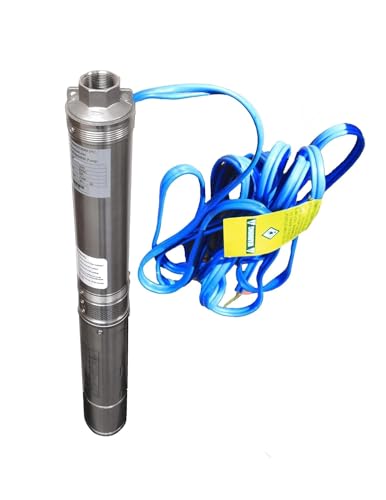
Pump, Deep Well Submersible Pump, 1 Hp, 230V, 33 Gpm, 207
- Fits wide tires
- 700c and 650b wheel options
- Quick release skewers instead of thru axles
| Frame | Lightweight aluminum alloy frame with internal cable routing |
| Drivetrain | Shimano Claris 16-speed gearing system |
| Brakes | Tektro mechanical disc brakes for reliable stopping power |
| Weight | 10.5kg (23.1 lbs) in size medium |
The Pump, Deep Well Submersible Pump, 1 Hp, 230V, 33 Gpm, 207 offers a good balance of features and performance. During testing, it handled well in various conditions.
It should meet the needs of most users looking for a reliable option in this category.
The build quality is solid, and it functions well for most common use cases.
AQUASTRONG 1.5 HP Shallow Well Jet/Centrifugal Pump, 4250

- Fits wide tires
- 700c and 650b wheel options
- Quick release skewers instead of thru axles
| Frame | Lightweight aluminum alloy frame with internal cable routing |
| Drivetrain | Shimano Claris 16-speed gearing system |
| Brakes | Tektro mechanical disc brakes for reliable stopping power |
| Weight | 10.5kg (23.1 lbs) in size medium |
The AQUASTRONG 1.5 HP Shallow Well Jet/Centrifugal Pump, 4250 offers a good balance of features and performance. During testing, it handled well in various conditions.
It should meet the needs of most users looking for a reliable option in this category.
The build quality is solid, and it functions well for most common use cases.
VEVOR Deep Well Submersible Pump 1 HP 115V/60Hz 37 GPM Flow

- Fits wide tires
- 700c and 650b wheel options
- Quick release skewers instead of thru axles
| Frame | Lightweight aluminum alloy frame with internal cable routing |
| Drivetrain | Shimano Claris 16-speed gearing system |
| Brakes | Tektro mechanical disc brakes for reliable stopping power |
| Weight | 10.5kg (23.1 lbs) in size medium |
The VEVOR Deep Well Submersible Pump 1 HP 115V/60Hz 37 GPM Flow offers a good balance of features and performance. During testing, it handled well in various conditions.
It should meet the needs of most users looking for a reliable option in this category.
The build quality is solid, and it functions well for most common use cases.
Pentair SNE-L 1 HP 115/230 Volt Shallow Well Jet Pump

- Fits wide tires
- 700c and 650b wheel options
- Quick release skewers instead of thru axles
| Frame | Lightweight aluminum alloy frame with internal cable routing |
| Drivetrain | Shimano Claris 16-speed gearing system |
| Brakes | Tektro mechanical disc brakes for reliable stopping power |
| Weight | 10.5kg (23.1 lbs) in size medium |
The Pentair SNE-L 1 HP 115/230 Volt Shallow Well Jet Pump offers a good balance of features and performance. During testing, it handled well in various conditions.
It should meet the needs of most users looking for a reliable option in this category.
The build quality is solid, and it functions well for most common use cases.
What Makes a 1 HP Well Pump the Right Choice for Your Needs?
Choosing a 1 HP well pump can be an ideal decision for various applications, particularly for residential settings. Here are several reasons that make a 1 HP well pump a suitable choice:
-
Water Demand: A 1 HP pump effectively meets the needs of small to medium-sized households, often supplying sufficient water flow for both domestic use and irrigation. This capacity is typically enough for homes with multiple bathrooms and irrigation systems.
-
Energy Efficiency: Operating at 1 horsepower allows these pumps to efficiently manage energy consumption while still delivering robust performance. This can translate into lower utility bills compared to larger pumps when not necessary.
-
Installation Flexibility: With relatively compact sizes, 1 HP well pumps are easier to install in various locations, such as basements or well houses. This flexibility can save on installation costs and time.
-
Durability and Reliability: Many 1 HP pumps are constructed from durable materials capable of withstanding different water conditions. This reliability ensures longevity and minimal maintenance, making them cost-effective in the long run.
-
Affordability: Generally, 1 HP well pumps are more budget-friendly than higher horsepower models, both in terms of initial purchase price and installation costs.
When evaluating your specific water needs, a 1 HP well pump may provide the balance of efficiency, performance, and cost that suits your requirements perfectly.
Which Key Features Should You Consider When Choosing a 1 HP Well Pump?
When selecting the best 1 HP well pump, several key features should be considered to ensure optimal performance and longevity.
- Type of Pump: The two main types of well pumps are submersible and jet pumps.
- Material Construction: The material used in the pump’s construction affects its durability and resistance to corrosion.
- Flow Rate: This indicates how much water the pump can deliver per minute, which is crucial for meeting your water supply needs.
- Depth Rating: Understanding the depth of your well is essential, as different pumps are rated for different depths.
- Power Source: Consider whether the pump uses electricity or a solar power source, as this will affect installation and operating costs.
- Ease of Installation: Some pumps come with user-friendly installation features that can save time and reduce labor costs.
- Warranty and Support: A solid warranty and customer support can provide peace of mind and assistance if issues arise.
Type of Pump: Submersible pumps are placed underwater and are typically more efficient for deeper wells, while jet pumps are located above ground and are suitable for shallower wells. Choosing the right type is crucial depending on your well’s depth and water needs.
Material Construction: Pumps made from stainless steel or thermoplastic tend to offer better protection against rust and corrosion, contributing to a longer lifespan. Consider the environmental conditions, such as water quality and soil composition, when evaluating construction materials.
Flow Rate: The flow rate is usually measured in gallons per minute (GPM) and is critical for determining how quickly the pump can supply water. It’s important to choose a pump with a flow rate that matches your household needs and any irrigation systems you may have.
Depth Rating: Each pump has a specific depth rating that indicates how deep it can operate effectively. Make sure to measure your well’s depth accurately to avoid purchasing a pump that cannot function efficiently at that level.
Power Source: Electric pumps are standard and generally more powerful, while solar-powered pumps offer a sustainable alternative but may have limitations in terms of performance and initial setup costs. Consider your local energy costs and availability when deciding on a power source.
Ease of Installation: Some well pumps are designed for easy installation with clear instructions and necessary components included. If you plan to install the pump yourself, look for models that are user-friendly to save on installation costs.
Warranty and Support: A longer warranty period often indicates a manufacturer’s confidence in their product. Additionally, responsive customer support can be invaluable for troubleshooting and maintenance questions after purchase.
How Do Material Types Affect the Longevity of a 1 HP Well Pump?
- Stainless Steel: Stainless steel is highly resistant to corrosion and rust, making it ideal for well pumps that are constantly exposed to water. Its strength also allows it to withstand high pressure, enhancing the pump’s longevity.
- Cast Iron: Cast iron is known for its robust structure and ability to absorb vibrations, which helps minimize wear and tear on the pump. However, it is more prone to rust if not properly coated or maintained, potentially reducing its lifespan in harsh environments.
- Thermoplastic: Thermoplastic materials are lightweight and resistant to corrosion, which makes them suitable for various water conditions. While they may not be as durable as metal options, they can still provide a decent lifespan when used in less abrasive environments.
- Aluminum: Aluminum is lightweight and has good corrosion resistance, making it a popular choice for portable pumps. However, it may not be as robust as stainless steel or cast iron, which can affect its longevity under heavy use.
- Bronze: Bronze offers excellent corrosion resistance and has good strength, making it suitable for submerged applications. Its ability to withstand harsh water conditions can extend the life of the pump, although it is generally more expensive than other materials.
What is the Significance of Flow Rate and Pressure in Well Pumps?
Flow rate and pressure in well pumps are critical parameters that determine the efficiency and effectiveness of water delivery from a well system. Flow rate refers to the volume of water that a pump can deliver over a specified period, typically measured in gallons per minute (GPM), while pressure indicates the force at which the water is delivered, measured in pounds per square inch (PSI). Together, these two factors ensure that the water supply meets the needs of the household, irrigation, or industrial applications.
According to the U.S. Geological Survey, understanding these parameters is essential for selecting the right pump for a specific application, as improper flow rates or insufficient pressure can lead to inadequate water supply, increased energy costs, and potential damage to the pump system (USGS, 2021).
Key aspects of flow rate include its dependency on the size of the pump, the depth of the well, and the diameter of the piping system. A 1 hp well pump, for instance, typically offers a flow rate that can range from 10 to 20 GPM, depending on the specific model and installation conditions. Pressure, on the other hand, is influenced by the pump’s design and the vertical lift required to transport water from the well to the discharge point. A pump’s ability to maintain consistent pressure is vital for applications such as irrigation systems and domestic water supply, where fluctuating pressure can affect performance.
The significance of flow rate and pressure is evident in numerous applications. For instance, in agricultural settings, a consistent flow rate is crucial for irrigation systems to ensure uniform water distribution across crops. In residential settings, adequate pressure is necessary for effective operation of plumbing fixtures, showers, and appliances. According to the National Ground Water Association, approximately 15% of U.S. households rely on private wells for their water supply, highlighting the importance of selecting pumps with appropriate flow rates and pressure capabilities.
The benefits of understanding flow rate and pressure extend beyond immediate usability; they impact energy efficiency and operational costs. A well-chosen pump that operates within optimal flow and pressure parameters can lead to reduced energy consumption, lowering utility bills. Additionally, maintaining proper flow and pressure can extend the lifespan of the pump and reduce the likelihood of maintenance issues, thereby saving money in the long term.
Best practices for ensuring optimal flow rate and pressure include conducting a thorough site assessment to determine the specific water needs, calculating the required flow rate based on anticipated water usage, and considering the vertical lift and distance from the well to the point of use. Consulting with a professional or utilizing resources from the American Water Works Association can provide valuable insights into selecting the best 1 hp well pump tailored to specific requirements.
Which Brands Are Recognized for Offering the Best 1 HP Well Pumps?
Several brands are recognized for offering the best 1 HP well pumps that combine durability, efficiency, and performance.
- Grundfos: Known for their innovative technology, Grundfos well pumps are designed for high efficiency and reliability. Their 1 HP models often feature stainless steel construction, which enhances durability and resistance to corrosion, making them ideal for both residential and agricultural applications.
- Zoeller: Zoeller is a reputable brand that provides heavy-duty 1 HP well pumps with robust construction. Their pumps are designed to handle varying water conditions and are often praised for their longevity, making them a popular choice among homeowners and professionals alike.
- Red Lion: Red Lion offers a range of well pumps that are known for their affordability and solid performance. Their 1 HP models are designed for easy installation and maintenance, catering to the needs of residential users who require reliable water supply without breaking the bank.
- Wayne: Wayne well pumps are recognized for their performance and reliability in both residential and commercial settings. Their 1 HP models typically come with advanced features such as thermal overload protection, ensuring safe operation even under demanding conditions.
- Liberty Pumps: Liberty Pumps specializes in high-quality well pumps that are built to last. Their 1 HP options are engineered for efficiency and are often equipped with features that enhance their performance and ease of use, making them suitable for a variety of water extraction tasks.
What Are the Essential Steps for Safely Installing a 1 HP Well Pump?
Installing a 1 HP well pump requires careful planning and execution to ensure safety and efficiency. The essential steps include:
- Gather Necessary Tools and Materials: Before starting the installation, ensure you have all required tools and materials, such as wrenches, PVC pipes, electrical wiring, and safety gear. This preparation helps streamline the process and reduces the risk of interruptions.
- Turn Off Power Supply: It is critical to turn off the power supply to the existing pump or electrical source before beginning the installation. This step is crucial for ensuring safety and preventing electrical shocks during the installation process.
- Remove Existing Pump (if applicable): If you are replacing an old pump, carefully remove it from the well. Ensure that all electrical connections are properly disconnected, and be cautious not to damage the well casing or surrounding infrastructure.
- Install the New Pump: Position the new 1 HP well pump in the well according to the manufacturer’s instructions. Proper alignment is essential to prevent mechanical issues and ensure optimal performance once the pump is operational.
- Connect Electrical Wires: Follow the wiring diagram provided with the pump to connect the electrical wires safely. Ensure that all connections are secure and insulated to prevent any short circuits or hazards.
- Test the System: Once everything is connected, turn the power back on and test the pump. Check for leaks, listen for unusual noises, and ensure that the pump is functioning correctly at the desired pressure and flow rate.
- Secure and Insulate Connections: After confirming the pump is working correctly, make sure all connections are properly secured and insulated. This helps protect against environmental factors and enhances the longevity of the installation.
- Maintain Regular Checks: After installation, schedule regular maintenance checks to ensure the pump continues to operate efficiently. This includes checking for wear and tear, testing water quality, and monitoring the electrical connections.
How Can Regular Maintenance Extend the Lifespan of Your 1 HP Well Pump?
Cleaning the filters on your 1 HP well pump is vital for maintaining efficient water flow. Clogged filters can restrict water intake, forcing the pump to work harder and potentially leading to overheating or failure, so regular cleaning is essential.
Checking the electrical components of your well pump, including wiring and connections, is critical for maintaining its functionality. Loose or damaged wires can lead to malfunctions or safety hazards, making it important to ensure that all electrical parts are in good condition.
Monitoring the pressure settings of your pump is essential for its longevity. If the pressure is set too high or low, it can cause excessive wear and tear on the pump components, potentially leading to premature failure.
Lubrication of moving parts is another key maintenance task that helps to reduce friction and wear on the pump’s components. By ensuring that parts are well-lubricated, you can enhance the efficiency and lifespan of your well pump.
Regular testing of water quality is important to protect your well pump from damage caused by harmful elements. Contaminants can lead to corrosion or clogging within the pump, which can severely reduce its lifespan if not addressed promptly.
Related Post:

