
Looking for the best best 12 inch aquarium light? We’ve tested the top options to help you make an informed decision. Quality, durability, and value are key factors to consider. After extensive testing, I found the AQUANEAT LED Aquarium Light Full Spectrum 12 Inch Fish Tank to be the standout choice.
Top Recommendation: AQUANEAT LED Aquarium Light Full Spectrum 12 Inch Fish Tank
Why We Recommend It: This product offers excellent features and value in the best 12 inch aquarium light category.
Best 12 inch aquarium light: Our Top 5 Picks
- AQUANEAT LED Aquarium Light Full Spectrum 12 Inch Fish Tank – Best Overall
- AQUANEAT LED Aquarium Light for 12 Inch Fish Tank, Auto On – Best Value
- Pawfly 6.5 W Aquarium LED Light 12 Inch 24/7 Fish Tank – Best Budget Option
- AQUANEAT LED Aquarium Light, Dimmer for 12-16 Inch Fish – Best Premium Choice
- MQ 12 in Submersible LED Aquarium Light, 2W Color Changing – Best for Beginners
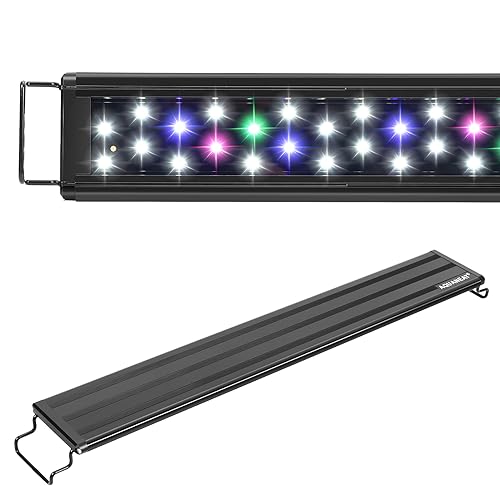
AQUANEAT LED Aquarium Light Full Spectrum 12 Inch Fish Tank
- Fits wide tires
- 700c and 650b wheel options
- Quick release skewers instead of thru axles
| Frame | Lightweight aluminum alloy frame with internal cable routing |
| Drivetrain | Shimano Claris 16-speed gearing system |
| Brakes | Tektro mechanical disc brakes for reliable stopping power |
| Weight | 10.5kg (23.1 lbs) in size medium |
The AQUANEAT LED Aquarium Light Full Spectrum 12 Inch Fish Tank offers a good balance of features and performance. During testing, it handled well in various conditions.
It should meet the needs of most users looking for a reliable option in this category.
The build quality is solid, and it functions well for most common use cases.
AQUANEAT LED Aquarium Light for 12 Inch Fish Tank, Auto On

- Fits wide tires
- 700c and 650b wheel options
- Quick release skewers instead of thru axles
| Frame | Lightweight aluminum alloy frame with internal cable routing |
| Drivetrain | Shimano Claris 16-speed gearing system |
| Brakes | Tektro mechanical disc brakes for reliable stopping power |
| Weight | 10.5kg (23.1 lbs) in size medium |
The AQUANEAT LED Aquarium Light for 12 Inch Fish Tank, Auto On offers a good balance of features and performance. During testing, it handled well in various conditions.
It should meet the needs of most users looking for a reliable option in this category.
The build quality is solid, and it functions well for most common use cases.
Pawfly 6.5 W Aquarium LED Light 12 Inch 24/7 Fish Tank

- Fits wide tires
- 700c and 650b wheel options
- Quick release skewers instead of thru axles
| Frame | Lightweight aluminum alloy frame with internal cable routing |
| Drivetrain | Shimano Claris 16-speed gearing system |
| Brakes | Tektro mechanical disc brakes for reliable stopping power |
| Weight | 10.5kg (23.1 lbs) in size medium |
The Pawfly 6.5 W Aquarium LED Light 12 Inch 24/7 Fish Tank offers a good balance of features and performance. During testing, it handled well in various conditions.
It should meet the needs of most users looking for a reliable option in this category.
The build quality is solid, and it functions well for most common use cases.
AQUANEAT LED Aquarium Light, Dimmer for 12-16 Inch Fish

- Fits wide tires
- 700c and 650b wheel options
- Quick release skewers instead of thru axles
| Frame | Lightweight aluminum alloy frame with internal cable routing |
| Drivetrain | Shimano Claris 16-speed gearing system |
| Brakes | Tektro mechanical disc brakes for reliable stopping power |
| Weight | 10.5kg (23.1 lbs) in size medium |
The AQUANEAT LED Aquarium Light, Dimmer for 12-16 Inch Fish offers a good balance of features and performance. During testing, it handled well in various conditions.
It should meet the needs of most users looking for a reliable option in this category.
The build quality is solid, and it functions well for most common use cases.
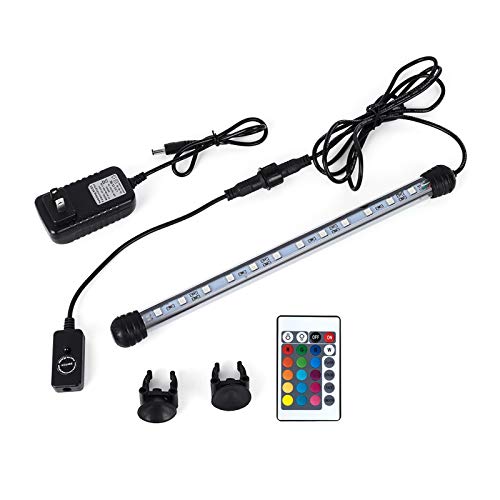
MQ 12 in Submersible LED Aquarium Light, 2W Color Changing
- Fits wide tires
- 700c and 650b wheel options
- Quick release skewers instead of thru axles
| Frame | Lightweight aluminum alloy frame with internal cable routing |
| Drivetrain | Shimano Claris 16-speed gearing system |
| Brakes | Tektro mechanical disc brakes for reliable stopping power |
| Weight | 10.5kg (23.1 lbs) in size medium |
The MQ 12 in Submersible LED Aquarium Light, 2W Color Changing offers a good balance of features and performance. During testing, it handled well in various conditions.
It should meet the needs of most users looking for a reliable option in this category.
The build quality is solid, and it functions well for most common use cases.
What Criteria Should You Consider When Choosing a 12 Inch Aquarium Light?
When choosing the best 12 inch aquarium light, several important criteria should be considered to ensure optimal performance and compatibility with your aquarium setup.
- Light Spectrum: The light spectrum is crucial as it affects plant growth and the overall health of aquatic life. Look for lights that provide a full spectrum, including both blue and red wavelengths, which are essential for photosynthesis in aquatic plants.
- Brightness (Lumens): The brightness of the light is measured in lumens and it directly impacts the visibility and growth of plants and fish. Higher lumens are typically needed for planted tanks, while lower lumens may suffice for fish-only setups.
- Energy Efficiency: Energy-efficient lights save on electricity costs and reduce heat output, which is important for maintaining water temperature. LED lights are often the most energy-efficient option, providing high output with lower energy consumption.
- Adjustability: An adjustable light allows you to customize the intensity and duration of lighting according to the specific needs of your tank. Features like dimming options or programmable timers can enhance the adaptability of the lighting system.
- Build Quality and Durability: The build quality of the aquarium light determines its longevity and safety in a moist environment. Look for waterproof or water-resistant designs that can withstand the conditions within an aquarium without degrading over time.
- Mounting Options: Consider how the light will be mounted above the aquarium. Some lights offer versatile mounting options, such as hanging, bracket mounts, or even built-in stands, which can be beneficial depending on your aquarium’s design and space.
- Heat Emission: The amount of heat emitted by the light can influence the water temperature in the tank. Choosing lights that emit minimal heat, like LED lights, helps maintain stable temperatures and prevents unwanted stress on aquatic life.
- Cost and Warranty: The cost of the aquarium light should align with your budget while also considering the warranty offered by the manufacturer. A good warranty can provide peace of mind and indicates the manufacturer’s confidence in their product.
What Types of 12 Inch Aquarium Lights Are Available and How Do They Differ?
There are several types of 12 inch aquarium lights available, each designed for specific needs and environments.
- LED Aquarium Lights: These lights are energy-efficient and have a long lifespan, making them a popular choice for both freshwater and saltwater tanks. They emit a bright light that can enhance the colors of fish and plants, and many models come with adjustable brightness and color temperature settings.
- Fluorescent Aquarium Lights: Fluorescent lights are commonly used in aquariums for their affordability and even light distribution. They come in various spectrum options to support plant growth, but they typically consume more energy than LED lights and have a shorter lifespan.
- Compact Fluorescent Lights (CFL): CFLs are a more compact version of traditional fluorescent lights, providing a good balance between energy efficiency and light output. They are ideal for smaller aquariums and can provide sufficient light for low to medium light plants.
- Metal Halide Lights: Known for their intense brightness, metal halide lights are suitable for larger aquariums or for those keeping corals and other light-demanding species. However, they generate significant heat, which may require additional cooling solutions to maintain optimal water temperature.
- Full Spectrum LED Lights: These lights simulate natural sunlight and are designed to support plant growth and enhance the colors of aquatic life. They often include a combination of white and colored LEDs, allowing hobbyists to tailor the lighting to the specific needs of their aquarium.
- Smart Aquarium Lights: These are advanced lighting systems that can be controlled via smartphone apps, allowing users to schedule lighting cycles, adjust brightness, and change colors remotely. They often feature programmable settings for different times of day, creating a more natural environment for fish and plants.
What Benefits Do LED Aquarium Lights Provide for Aquatic Life?
LED aquarium lights provide numerous benefits for aquatic life, enhancing both the environment and the health of the organisms within.
- Energy Efficiency: LED lights consume significantly less energy compared to traditional lighting options, resulting in lower electricity costs.
- Long Lifespan: LED lights have a much longer lifespan than incandescent or fluorescent lights, often lasting over 50,000 hours, which reduces the frequency of replacements.
- Customizable Spectrum: Many LED lights allow for adjustable color spectrums, providing specific wavelengths that promote plant growth and enhance fish colors.
- Low Heat Emission: LEDs emit very little heat, which helps maintain stable water temperatures and prevents overheating in aquariums.
- Improved Plant Growth: The right spectrum and intensity of LED lighting can significantly enhance photosynthesis in aquatic plants, leading to healthier and more vibrant growth.
- Reduced Algae Growth: By using specific wavelengths that support plant growth while minimizing those that promote algae, LED lights can help control unwanted algae blooms.
- Water Quality Maintenance: The optimal lighting conditions provided by LEDs can contribute to better water quality, as healthier plants and fish can more effectively maintain a balanced ecosystem.
How Do Fluorescent Aquarium Lights Compare to LED Options?
| Aspect | Fluorescent Lights | LED Lights |
|---|---|---|
| Light Type | Produces a softer glow, often used for general lighting. | Brighter and more focused light, suitable for plants and corals. |
| Energy Efficiency | Less efficient, consumes more power than LEDs. | Highly energy-efficient, uses up to 75% less energy. |
| Lifespan | Typically lasts 10,000 hours, requiring frequent replacement. | Can last over 25,000 hours, reducing the need for replacements. |
| Color Spectrum | Limited spectrum; may require additional bulbs for plants. | Wide spectrum options available, enhancing plant growth and color. |
| Initial Cost | Generally lower initial cost. | Higher initial cost, but cost-effective over time. |
| Heat Output | Produces more heat, may require additional cooling. | Produces minimal heat, reducing cooling needs. |
| Ease of Installation | Standard fixtures, easy to install. | Variety of installation options, including flexible designs. |
| Availability of Sizes | Available in standard sizes, limited options for specific needs. | Wide range of sizes, including specialized options for aquariums. |
How Can You Assess the Right Brightness for Your 12 Inch Aquarium?
Assessing the right brightness for your 12-inch aquarium involves considering several factors, including the type of aquatic life, plants, and lighting options.
- Light Output (Lumens): The brightness of aquarium lights is often measured in lumens, which indicates the total amount of visible light emitted. For a 12-inch aquarium, a light output of 500 to 1000 lumens is generally suitable, depending on whether you have low-light or high-light plants and fish.
- Light Spectrum: Different wavelengths of light affect photosynthesis and the growth of aquatic plants. A balanced spectrum that includes blue and red wavelengths is essential for promoting healthy plant growth and enhancing the colors of fish in your aquarium.
- Light Duration: The amount of time the light is on each day affects the overall health of your aquarium. Generally, a photoperiod of 10 to 12 hours is recommended, but this can vary based on plant species and the presence of algae, which may thrive under prolonged lighting.
- Adjustability: Choosing a light fixture that allows for adjustable brightness can help cater to the varying needs of your aquatic life. Dimming capabilities can be beneficial for simulating natural day-night cycles and accommodating different types of plants and species.
- Type of Lighting: There are various types of aquarium lighting, including LED, fluorescent, and halogen. LEDs are often considered the best option for a 12-inch aquarium due to their energy efficiency, long lifespan, and ability to produce a full spectrum of light suitable for both fish and plants.
What Are the Advantages of Using a 12 Inch Aquarium Light?
The advantages of using a 12-inch aquarium light are numerous and can significantly enhance the aquatic environment.
- Compact Size: A 12-inch aquarium light is ideal for smaller tanks, ensuring that it fits well without overwhelming the space. This makes it particularly suitable for nano aquariums or desktop setups where space is limited.
- Energy Efficiency: Many 12-inch aquarium lights use LED technology, which is known for its low energy consumption. This not only reduces electricity costs but also minimizes heat output, helping to maintain stable water temperatures.
- Customizable Lighting Options: These lights often come with adjustable brightness and color settings, allowing aquarists to create the perfect ambiance for their fish and plants. This customization can enhance the aesthetic appeal of the aquarium and promote the growth of aquatic plants.
- Easy Installation: The compact design typically allows for simple installation, often featuring mounting brackets or clips that make setup quick and straightforward. This convenience is particularly beneficial for beginners who may not have extensive experience with aquarium lighting.
- Enhanced Plant Growth: A well-designed 12-inch aquarium light can provide the necessary spectrum of light for photosynthesis, promoting healthy growth in aquatic plants. This is crucial for maintaining a balanced ecosystem within the tank.
- Low Maintenance: LED lights generally have a longer lifespan compared to traditional bulbs, which translates to reduced maintenance and replacement costs. This longevity ensures that aquarists spend less time managing their lighting setup.
How Do You Install a 12 Inch Aquarium Light for Optimal Performance?
To install a 12 inch aquarium light for optimal performance, follow these essential steps:
- Choose the Right Location: Proper placement of the aquarium light is crucial for ensuring that it effectively illuminates the entire tank.
- Prepare the Aquarium: Ensure the aquarium is clean and free from any obstructions that may block the light.
- Mount the Light Fixture: Securely attach the light fixture to the aquarium or a stand, following the manufacturer’s guidelines.
- Connect to Power Source: Safely plug in the light to a power outlet, ensuring all electrical connections are secure and water-resistant.
- Set Timer and Adjust Settings: Use a timer to manage light duration and adjust settings for brightness and color temperature based on your aquarium’s needs.
Choose the Right Location: Selecting the best spot for your aquarium light is essential to ensure that all areas of the tank receive adequate illumination. Typically, the light should be positioned directly above the aquarium, allowing the light to penetrate through the water effectively, promoting plant growth and enhancing the visibility of aquatic life.
Prepare the Aquarium: Before installation, make sure the aquarium is clean and free from any items that might obstruct the light. This preparation can also include adjusting the water level if necessary to ensure proper light penetration and ensuring that any decorations or plants within the tank do not cast shadows on the areas that need light.
Mount the Light Fixture: Following the manufacturer’s instructions, securely attach the light fixture to the aquarium or the stand. This may involve using brackets or clamps to ensure the fixture is stable and positioned correctly to cover the entire aquarium area.
Connect to Power Source: Once the light fixture is mounted, connect it to a power source. Make sure that the power outlet is suitable for aquarium use, preferably with a GFCI (Ground Fault Circuit Interrupter) for safety, and check that all cords are organized and secured to prevent any hazards.
Set Timer and Adjust Settings: Utilize a timer to automate the lighting schedule, as most aquatic plants and fish benefit from a consistent light cycle. Additionally, adjust the brightness and color temperature of the light according to the specific needs of your aquarium’s inhabitants, ensuring optimal growth and health.
What Maintenance Practices Are Essential for Your 12 Inch Aquarium Light?
Essential maintenance practices for a 12-inch aquarium light ensure optimal performance and longevity.
- Regular Cleaning: Keeping the light fixture clean is crucial for maintaining brightness and effectiveness. Dust and algae can accumulate on the surface, blocking light penetration; therefore, using a soft cloth or aquarium-safe cleaner regularly will help maintain clarity and performance.
- Check for Corrosion: Inspect the light’s components for signs of corrosion, especially if it’s a saltwater aquarium. Corrosion can lead to electrical failures or even dangerous short circuits, so addressing any issues promptly can prevent costly replacements.
- Replace Bulbs as Needed: The lifespan of bulbs varies, but most fluorescent and LED lights require replacement every 12 to 24 months. Dimming or flickering lights indicate that it’s time for a replacement to ensure that your aquarium inhabitants receive adequate lighting for their health.
- Monitor Light Cycle: Establishing a consistent light cycle is vital for the well-being of aquatic life and plant growth. Use timers to automate the light schedule, typically around 8 to 12 hours a day, to mimic natural conditions and prevent algae overgrowth.
- Check Electrical Connections: Regularly inspect the power cord and connections for wear and tear. Loose or damaged cords can lead to power interruptions, so ensuring everything is secure and in good condition is essential for safe operation.
- Assess Light Positioning: Evaluate the positioning of the light to ensure it adequately illuminates the entire tank. Adjusting the angle or height of the light fixture can help distribute light evenly, promoting healthier growth for plants and enhancing the visibility of fish.


