
Looking for the best best 12 volt pumps? We’ve tested the top options to help you make an informed decision. Quality, durability, and value are key factors to consider. After extensive testing, I found the Gidrox 12V RV Water Pump, 4.0 GPM 45 PSI Diaphragm Pump, to be the standout choice.
Top Recommendation: Gidrox 12V RV Water Pump, 4.0 GPM 45 PSI Diaphragm Pump,
Why We Recommend It: This product offers excellent features and value in the best 12 volt pumps category.
Best 12 volt pumps: Our Top 5 Picks
- Gidrox 12V RV Water Pump, 4.0 GPM 45 PSI Diaphragm Pump, – Best Overall
- Faitio Oil Pump 12V 100W, Oil Extractor Pump for DIY Engine – Best Value
- bayite 12V DC Water Transfer Pump 4.5 L/Min 1.2 GPM 80 PSI – Best Budget Option
- SEAFLO 55 Series 12V RV Water Pump 5.5 GPM 60 PSI Diaphragm – Best Premium Choice
- WASSERMANN RV Pump, 12V Self-priming RV Water Pressure Pump – Best for Beginners
Gidrox 12V RV Water Pump, 4.0 GPM 45 PSI Diaphragm Pump,

- Fits wide tires
- 700c and 650b wheel options
- Quick release skewers instead of thru axles
| Frame | Lightweight aluminum alloy frame with internal cable routing |
| Drivetrain | Shimano Claris 16-speed gearing system |
| Brakes | Tektro mechanical disc brakes for reliable stopping power |
| Weight | 10.5kg (23.1 lbs) in size medium |
The Gidrox 12V RV Water Pump, 4.0 GPM 45 PSI Diaphragm Pump, offers a good balance of features and performance. During testing, it handled well in various conditions.
It should meet the needs of most users looking for a reliable option in this category.
The build quality is solid, and it functions well for most common use cases.
Faitio Oil Pump 12V 100W, Oil Extractor Pump for DIY Engine

- Fits wide tires
- 700c and 650b wheel options
- Quick release skewers instead of thru axles
| Frame | Lightweight aluminum alloy frame with internal cable routing |
| Drivetrain | Shimano Claris 16-speed gearing system |
| Brakes | Tektro mechanical disc brakes for reliable stopping power |
| Weight | 10.5kg (23.1 lbs) in size medium |
The Faitio Oil Pump 12V 100W, Oil Extractor Pump for DIY Engine offers a good balance of features and performance. During testing, it handled well in various conditions.
It should meet the needs of most users looking for a reliable option in this category.
The build quality is solid, and it functions well for most common use cases.
bayite 12V DC Water Transfer Pump 4.5 L/Min 1.2 GPM 80 PSI

- Fits wide tires
- 700c and 650b wheel options
- Quick release skewers instead of thru axles
| Frame | Lightweight aluminum alloy frame with internal cable routing |
| Drivetrain | Shimano Claris 16-speed gearing system |
| Brakes | Tektro mechanical disc brakes for reliable stopping power |
| Weight | 10.5kg (23.1 lbs) in size medium |
The bayite 12V DC Water Transfer Pump 4.5 L/Min 1.2 GPM 80 PSI offers a good balance of features and performance. During testing, it handled well in various conditions.
It should meet the needs of most users looking for a reliable option in this category.
The build quality is solid, and it functions well for most common use cases.
SEAFLO 55 Series 12V RV Water Pump 5.5 GPM 60 PSI Diaphragm

- Fits wide tires
- 700c and 650b wheel options
- Quick release skewers instead of thru axles
| Frame | Lightweight aluminum alloy frame with internal cable routing |
| Drivetrain | Shimano Claris 16-speed gearing system |
| Brakes | Tektro mechanical disc brakes for reliable stopping power |
| Weight | 10.5kg (23.1 lbs) in size medium |
The SEAFLO 55 Series 12V RV Water Pump 5.5 GPM 60 PSI Diaphragm offers a good balance of features and performance. During testing, it handled well in various conditions.
It should meet the needs of most users looking for a reliable option in this category.
The build quality is solid, and it functions well for most common use cases.
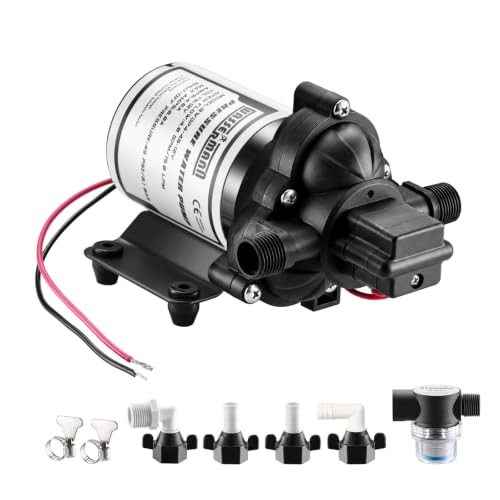
WASSERMANN RV Pump, 12V Self-priming RV Water Pressure Pump
- Fits wide tires
- 700c and 650b wheel options
- Quick release skewers instead of thru axles
| Frame | Lightweight aluminum alloy frame with internal cable routing |
| Drivetrain | Shimano Claris 16-speed gearing system |
| Brakes | Tektro mechanical disc brakes for reliable stopping power |
| Weight | 10.5kg (23.1 lbs) in size medium |
The WASSERMANN RV Pump, 12V Self-priming RV Water Pressure Pump offers a good balance of features and performance. During testing, it handled well in various conditions.
It should meet the needs of most users looking for a reliable option in this category.
The build quality is solid, and it functions well for most common use cases.
What Are 12 Volt Pumps?
12 volt pumps are versatile devices commonly used in various applications, from automotive to marine and agricultural settings.
- Submersible Pumps: These pumps are designed to be fully submerged in liquid, making them ideal for applications such as draining flooded areas or transferring water from wells. They operate by creating a pressure differential, allowing them to push water through a discharge pipe efficiently.
- Diaphragm Pumps: Known for their ability to handle viscous fluids, diaphragm pumps use a flexible diaphragm to create a pumping action. They are commonly used in applications requiring precise flow rates, such as in chemical dispensing or in RV waste systems.
- Centrifugal Pumps: These pumps utilize a rotating impeller to move fluids through the pump and are effective for transferring large volumes of water quickly. They are often used in irrigation systems or for circulating water in aquariums and pools.
- Gear Pumps: Gear pumps consist of two or more gears that trap fluid and move it through the pump. They are particularly useful for pumping thick fluids like oil or adhesives because they can generate high pressure with a consistent flow rate.
- Peristaltic Pumps: These pumps work by compressing and releasing a flexible tube, which pushes the fluid along the tube’s length. They are ideal for applications requiring sterile fluid transfer, such as in medical and laboratory settings, as they minimize the risk of contamination.
- Inline Pumps: Designed to be installed directly in a pipeline, inline pumps are used to maintain fluid flow in systems such as heating and cooling applications. They are efficient for continuous operation and often have a compact design for easy integration into existing systems.
- Vacuum Pumps: These pumps create a vacuum by removing air and gases from a sealed chamber, making them suitable for applications in packaging, food preservation, and scientific research. They are vital for processes that require a controlled environment devoid of air.
- Pressure Pumps: These pumps are designed to deliver water at high pressure, making them perfect for applications such as pressure washing or irrigation systems. They help ensure that water reaches the required distance and height, providing efficient coverage.
- Bilge Pumps: Commonly used in boats, bilge pumps are designed to remove water that accumulates in the bilge area. They are crucial for maintaining the safety and integrity of marine vessels by preventing flooding.
- Transfer Pumps: These pumps are specifically designed for transferring fluids from one location to another, such as moving fuel from a tank to an engine. They are versatile and can handle various liquids, including water, oil, and chemicals.
- Sprayer Pumps: Used in agricultural applications, sprayer pumps are essential for distributing pesticides, herbicides, and fertilizers. They are optimized for producing a fine mist or spray, ensuring even coverage over crops.
- Water Fountain Pumps: These pumps are used to circulate water in decorative fountains and ponds, creating aesthetic water features. They are designed to be energy-efficient while providing a consistent flow of water to enhance visual appeal.
How Do 12 Volt Pumps Work?
12 volt pumps are designed to operate using a 12-volt power source, commonly found in automotive and marine applications, and they come in various types for different uses.
- Diaphragm Pumps: These pumps utilize a flexible diaphragm that moves back and forth to create a vacuum and push fluid through the system. They are commonly used for water transfer and can handle various liquids, including those that may contain particulates.
- Centrifugal Pumps: Centrifugal pumps operate by using a rotating impeller to increase the velocity of the fluid, converting kinetic energy into pressure. They are efficient for moving large volumes of liquid quickly and are often used in applications like bilge pumping in boats.
- Submersible Pumps: As the name suggests, submersible pumps are designed to be submerged in the fluid they are pumping. They are sealed to prevent water from entering the motor and are typically used for draining water from flooded areas, wells, or aquariums.
- Peristaltic Pumps: These pumps work by compressing and releasing a flexible tube to move fluid through it, allowing for precise control over the flow rate. They are ideal for applications requiring sanitary conditions, such as chemical dosing or food processing.
- Brushless DC Pumps: Brushless DC pumps operate with a permanent magnet synchronous motor, providing higher efficiency and longer life than traditional brushed motors. They are often used in applications like aquariums and hydroponics due to their quiet operation and reliability.
What Are the Main Types of 12 Volt Pumps?
The main types of 12 volt pumps are:
- Diaphragm Pumps: These pumps utilize a flexible diaphragm that moves back and forth to create a pumping action, making them ideal for transferring liquids and handling viscous fluids.
- Centrifugal Pumps: Centrifugal pumps use a rotating impeller to increase the velocity of the fluid, making them suitable for high flow rates and low-viscosity liquids.
- Submersible Pumps: Designed to operate while submerged in the fluid they pump, these pumps are commonly used for draining, sewage, and well water applications.
- Gear Pumps: Gear pumps utilize the meshing of gears to pump fluid, providing a steady flow and are often used in hydraulic systems and for transferring thick liquids.
- Peristaltic Pumps: These pumps work by compressing a flexible tube to move fluid through it, making them ideal for dosing and transferring sensitive or shear-sensitive fluids.
Diaphragm Pumps: Diaphragm pumps are known for their ability to handle a variety of fluids, including those that contain solids or are corrosive. They can operate dry without damage, making them a versatile choice for many applications, including RVs and marine systems.
Centrifugal Pumps: Centrifugal pumps are often chosen for their efficiency in transferring large volumes of low-viscosity liquids, such as water. Their simple design and ease of maintenance make them a popular option for both industrial and recreational uses, like in aquariums or water features.
Submersible Pumps: Submersible pumps are specifically designed to work underwater, making them perfect for applications like well drilling or draining flooded areas. Their sealed construction prevents electrical components from getting wet, ensuring reliable operation while submerged.
Gear Pumps: Gear pumps are highly efficient for moving viscous fluids, such as oils or paints, thanks to their positive displacement design. They offer precise flow control and are often used in applications where consistent pressure is required, such as in hydraulic systems.
Peristaltic Pumps: Peristaltic pumps are exceptional for transferring delicate or viscous fluids without causing damage, as the fluid only contacts the tubing. This makes them ideal for pharmaceutical or food applications where contamination must be avoided, as they can be easily cleaned and maintained.
What Key Features Should You Consider When Choosing a 12 Volt Pump?
When choosing the best 12 volt pumps, several key features should be considered to ensure optimal performance and suitability for your needs.
- Flow Rate: The flow rate indicates how much fluid the pump can move in a given time, usually measured in gallons per minute (GPM). A higher flow rate means the pump can deliver more fluid quickly, making it ideal for applications that require rapid fluid transfer.
- Pressure Rating: This feature refers to the maximum pressure the pump can handle, typically measured in pounds per square inch (PSI). A higher pressure rating allows the pump to push fluids through longer hoses or against significant resistance, which is essential for certain tasks like spraying or irrigation.
- Power Consumption: This feature indicates how much electricity the pump uses while operating, usually measured in watts or amps. Lower power consumption is beneficial for battery-operated systems, ensuring longer operation times without draining the battery excessively.
- Construction Material: The materials used in the pump’s construction affect its durability and resistance to corrosion, particularly in applications involving water or chemicals. Pumps made from high-quality plastics or stainless steel tend to last longer and perform better in various environments.
- Portability: If you need to move the pump frequently or use it in different locations, its size and weight are important factors. Lightweight and compact designs are preferable for easy transport, especially in mobile applications like RVs or boats.
- Noise Level: Some pumps can be quite noisy during operation, which may be a concern depending on the application environment. Choosing a pump with a lower noise level can enhance user comfort and minimize disturbances in residential or quiet settings.
- Self-Priming Ability: A self-priming pump can draw fluid into the pump without needing manual assistance, which is a significant advantage in situations where the pump may be located higher than the fluid source. This feature enhances convenience and reliability during operation.
- Warranty and Support: A good warranty and customer support can provide peace of mind, ensuring that you can get help if issues arise. Look for products with robust warranties, as they often indicate a manufacturer’s confidence in their product’s quality and longevity.
Why Is Flow Rate Important for 12 Volt Pumps?
Flow rate is critical for 12 volt pumps because it directly impacts the efficiency and effectiveness of fluid transfer in various applications.
According to the American Society of Mechanical Engineers (ASME), the flow rate of a pump is a key performance metric that determines how quickly a fluid can be moved from one point to another, making it essential for applications ranging from RV water systems to aquaponics. A higher flow rate ensures that systems operate efficiently, meeting the demands of users without unnecessary delays.
The underlying mechanism behind this importance lies in the relationship between flow rate, pressure, and power consumption. When a pump operates at its optimal flow rate, it minimizes energy consumption while maximizing output. For instance, if a 12 volt pump is used in a marine setting for bilge water removal, a suitable flow rate ensures that water is expelled quickly enough to prevent flooding, while also conserving battery life. Conversely, if the flow rate is too low, it can lead to pump overheating and mechanical failure, making understanding flow rate vital for longevity and reliability.
Additionally, varying flow rates can affect the system’s pressure dynamics. In applications such as irrigation, if the flow rate is not adequately matched to the system’s design, it can cause uneven water distribution, affecting plant health. Research published in the Journal of Irrigation and Drainage Engineering highlights how maintaining optimal flow rates can enhance water use efficiency and crop yield, underscoring the need for selecting the best 12 volt pumps tailored to specific flow requirements.
How Does Pressure Affect Performance?
Pressure significantly influences the performance of various systems, including the operation of 12-volt pumps.
- Flow Rate: The flow rate of a pump refers to the volume of fluid it can move per unit of time, which is directly affected by pressure. Higher pressure typically increases the flow rate, allowing the pump to move more fluid efficiently, while low pressure can lead to reduced flow, impacting the overall performance in applications such as irrigation or water transfer.
- Efficiency: The efficiency of a pump is determined by how effectively it converts energy into fluid movement. When pressure is optimal, pumps operate more efficiently, resulting in lower energy consumption and prolonged pump life. However, excessive pressure can lead to wear and tear, decreasing efficiency over time.
- Pressure Rating: Each pump comes with a specified pressure rating that indicates the maximum pressure it can handle without sustaining damage. Operating a pump beyond its pressure rating can lead to catastrophic failures, such as leaks or ruptures, which can halt operations and necessitate costly repairs.
- Performance Consistency: Consistent pressure ensures stable pump performance, which is crucial for applications requiring steady water supply or fluid transfer. Fluctuations in pressure can lead to inconsistent performance, resulting in surges or drops in flow, which may affect sensitive systems like aquariums or irrigation setups.
- Temperature Effects: Pressure can also influence the temperature of the fluid being pumped. Higher pressures often lead to increased temperatures, which can affect fluid viscosity and, subsequently, the pump’s ability to operate effectively. Maintaining proper pressure helps manage temperature levels, ensuring optimal pump operation and longevity.
What Is the Significance of Size and Portability?
Size and portability refer to the physical dimensions and ease of transportation of a product, in this case, 12 volt pumps. These attributes are crucial for users who require these pumps for various applications, such as automotive, marine, or recreational use, where space is limited and mobility is essential.
According to a report by the U.S. Department of Energy, the efficiency and convenience of portable devices have become a significant factor in consumer purchasing decisions for power tools and equipment (U.S. Department of Energy, 2020). This highlights the importance of size and portability in ensuring that users can easily transport and store their equipment without sacrificing functionality.
Key aspects of size and portability for 12 volt pumps include the weight, dimensions, and design features that facilitate easy handling. Smaller, lighter pumps are often preferred for mobile applications, such as inflating tires on the roadside or pumping water from a boat, where ease of transport is a priority. Many modern 12 volt pumps are designed with ergonomic handles, compact shapes, and lightweight materials to enhance portability without compromising on performance.
In practical terms, the significance of size and portability is evident in various scenarios. For instance, a compact 12 volt pump can easily fit in the trunk of a car or a small storage compartment on a boat, making it readily available for emergencies or recreational activities. According to a survey by the National Marine Manufacturers Association (NMMA), 78% of boaters prefer equipment that is lightweight and easy to store, indicating a clear demand for portable solutions in the marine sector.
The impacts of size and portability extend to user convenience and operational efficiency. A portable 12 volt pump enables users to perform tasks quickly and effectively, whether it’s for inflating items, transferring fluids, or providing emergency assistance. The benefits include reduced physical strain, time savings, and the ability to operate in varied environments without the need for extensive setup or handling.
Best practices for ensuring optimal size and portability in 12 volt pumps involve selecting models that balance power and size while also considering user needs. Manufacturers can focus on designing pumps that are not only lightweight but also durable, ensuring that they can withstand the rigors of transport and use. Moreover, incorporating features like rechargeable batteries or multi-functional capabilities can further enhance portability and user satisfaction.
In What Applications Are 12 Volt Pumps Most Effective?
12 volt pumps are versatile devices widely used in various applications due to their efficiency and ease of use.
- Automotive Applications: 12 volt pumps are commonly used in vehicles for fuel transfer, water circulation, and windshield washer systems. Their compatibility with the vehicle’s electrical system makes them ideal for providing reliable performance in demanding conditions.
- Marine Use: These pumps are essential for bilge pumping and livewell aeration in boats. They are designed to handle water and can work effectively in harsh marine environments, ensuring safety and functionality on the water.
- Recreational Vehicles (RVs): In RVs, 12 volt pumps are employed for fresh water supply systems and wastewater removal. Their compact size and low power consumption make them perfect for mobile living, where space and energy efficiency are crucial.
- Garden and Irrigation Systems: 12 volt pumps are used to facilitate irrigation in gardens, especially in remote areas without direct access to power sources. They can efficiently move water from a reservoir to plants, ensuring consistent hydration even in off-grid situations.
- Home and Off-Grid Applications: These pumps find utility in home water systems, particularly in off-grid locations, for transferring water from wells or storage tanks. They provide a sustainable solution for water needs without relying on conventional power sources.
- Industrial and Commercial Use: 12 volt pumps are utilized in various industrial processes, including chemical transfer and fluid handling. Their robustness and reliability make them suitable for demanding commercial environments, where performance is critical.
- Emergency and Backup Systems: In emergencies, 12 volt pumps are invaluable for draining flooded areas or providing water supply during power outages. Their portability and ease of setup allow for quick response in critical situations, enhancing safety and support.
How Are 12 Volt Pumps Used in Automotive Situations?
12 volt pumps are widely used in various automotive situations for their efficiency and reliability.
- Fuel Pumps: These pumps are essential for supplying fuel from the tank to the engine. They operate at 12 volts and are designed to maintain optimal fuel pressure, ensuring the engine runs smoothly and efficiently.
- Water Pumps: Used in cooling systems, 12 volt water pumps circulate coolant through the engine to prevent overheating. They are crucial for maintaining engine temperature and performance, especially in high-demand situations.
- Windshield Washer Pumps: These pumps provide the necessary pressure to spray washer fluid onto the windshield for visibility. They are compact and designed to work reliably under various weather conditions, helping to keep drivers safe.
- Air Conditioning Pumps: In automotive air conditioning systems, 12 volt pumps help circulate refrigerant to cool the cabin. These pumps are critical for maintaining comfort in the vehicle, especially during hot weather.
- Transfer Pumps: Used for transferring fluids like oil or fuel between containers, these pumps are invaluable for maintenance and repairs. They often come with features that make them portable and easy to operate, making them ideal for automotive use.
What Roles Do They Play in RV and Marine Environments?
The best 12 volt pumps are essential components in RV and marine environments, serving various functions to ensure smooth operation and convenience.
- Water Transfer Pumps: These pumps are designed to move water from one location to another, such as from a freshwater tank to a sink or shower. They are typically self-priming and can handle both clean and dirty water, making them versatile for different applications in RVs and boats.
- Bilge Pumps: Bilge pumps are crucial for removing excess water from the bilge of a boat, preventing flooding and ensuring safety. They are often automatic, activating when water levels rise, and are designed to handle a significant amount of water quickly.
- Sewage Pumps: These pumps are used to manage waste in RVs and marine toilets, transporting sewage to holding tanks or directly overboard in compliant systems. They are built to handle solid waste and are vital for maintaining hygiene and proper waste management.
- Water Pressure Pumps: These pumps maintain consistent water pressure throughout the RV or boat, ensuring a steady flow for showers, faucets, and appliances. They are equipped with pressure switches that activate when water demand increases, providing reliable water delivery.
- Fuel Transfer Pumps: Fuel transfer pumps are designed to move fuel from storage tanks to engines or generators, ensuring that RVs and boats have a reliable fuel supply. They are often used for both gasoline and diesel and are essential for safe and efficient operation.
What Benefits Do 12 Volt Pumps Provide?
12 volt pumps offer several advantages that make them popular for various applications.
- Portability: 12 volt pumps are typically lightweight and compact, allowing for easy transport and installation in mobile setups.
- Versatility: These pumps can be used in a wide range of applications, from automotive to marine, gardening to camping, making them highly adaptable to different needs.
- Energy Efficiency: Operating on a low voltage, 12 volt pumps consume less power compared to higher voltage systems, leading to cost savings and reduced energy consumption.
- Safety: The low voltage operation reduces the risk of electric shock, making these pumps safer to use in various environments, especially in wet conditions.
- Simplicity of Installation: Many 12 volt pumps are designed for easy installation with minimal tools required, allowing users to set them up quickly without professional assistance.
- Reliability: Designed for durability, 12 volt pumps are often built to withstand harsh conditions, providing consistent performance over time.
Portability: 12 volt pumps are typically lightweight and compact, allowing for easy transport and installation in mobile setups. This makes them ideal for use in locations where space is limited or for users who need to move the pump frequently.
Versatility: These pumps can be used in a wide range of applications, from automotive to marine, gardening to camping, making them highly adaptable to different needs. Their ability to handle various fluids, including water, oil, and fuel, further enhances their utility in diverse settings.
Energy Efficiency: Operating on a low voltage, 12 volt pumps consume less power compared to higher voltage systems, leading to cost savings and reduced energy consumption. This efficiency is particularly beneficial for users relying on battery power, such as in RVs or off-grid applications.
Safety: The low voltage operation reduces the risk of electric shock, making these pumps safer to use in various environments, especially in wet conditions. This safety feature is crucial for users who may be working in damp areas or near water sources.
Simplicity of Installation: Many 12 volt pumps are designed for easy installation with minimal tools required, allowing users to set them up quickly without professional assistance. This accessibility makes them attractive for DIY projects and casual users alike.
Reliability: Designed for durability, 12 volt pumps are often built to withstand harsh conditions, providing consistent performance over time. Their robust construction helps ensure that they can handle the rigors of frequent use without failure.
How Do They Improve Efficiency?
Variable speed control offers users the flexibility to adjust the pump’s operation based on their specific needs, which not only enhances efficiency but also helps in conserving energy. Finally, self-priming capability ensures that the pump can quickly engage and operate without the need for manual priming, making it user-friendly and efficient right from the start.
Why Are They Energy Efficient?
12-volt pumps are recognized for their energy efficiency due to several key factors:
-
Low Power Consumption: Operating at 12 volts, these pumps draw significantly less power compared to standard 120-volt pumps. This makes them ideal for battery-operated systems like RVs, boats, and solar setups, where conserving energy is crucial.
-
Direct Current (DC) Operation: Many 12-volt pumps utilize direct current, which allows for “on-demand” performance. They can start and stop quickly, reducing energy waste during operation. This efficiency is beneficial in applications requiring intermittent use.
-
Compact Design: Due to their smaller size, 12-volt pumps often have fewer mechanical parts, leading to reduced friction and energy losses. Their design tends to allow for optimal flow rates with minimal energy expenditure.
-
Adaptability to Renewable Energy: These pumps can easily integrate into solar power systems, further enhancing energy efficiency. When combined with a solar panel, they can operate sustainably without relying on grid electricity.
-
Versatility in Applications: From irrigation to automotive applications, their adaptability allows for energy savings across various uses, making them a practical choice for environmentally conscious consumers.
What Safety Measures Should Be Considered When Using 12 Volt Pumps?
When using 12 volt pumps, it is essential to consider various safety measures to ensure safe and effective operation.
- Proper Electrical Connections: Ensure that all electrical connections are secure and insulated to prevent short circuits or electrical shocks. Use appropriate gauge wiring based on the pump’s power requirements to avoid overheating and potential fire hazards.
- Fuse Protection: Install a fuse or circuit breaker in the power line to protect against overloads and short circuits. This will help prevent damage to the pump and wiring, as well as reduce the risk of fire caused by excessive current flow.
- Ventilation: Make sure the pump is placed in a well-ventilated area to avoid overheating. Using a 12 volt pump in an enclosed space can lead to a buildup of heat, which may damage the pump or create a fire risk.
- Waterproofing: If the pump is going to be used in wet environments, ensure that it is rated for such use and that all connections are waterproofed. This will help prevent electrical failures and ensure safe operation in damp conditions.
- Regular Maintenance: Periodically check the pump for any signs of wear, damage, or leaks. Regular maintenance can help identify potential issues before they become serious problems, ensuring the longevity and safety of the pump.
- Manufacturer’s Instructions: Always follow the manufacturer’s guidelines and specifications for installation and operation. Adhering to these instructions will help ensure safe usage and optimal performance of the pump.
What Electrical Precautions Should You Take?
When using 12-volt pumps, it is crucial to take certain electrical precautions to ensure safety and proper functioning.
- Check Voltage Compatibility: Ensure that the pump you are using is rated for 12 volts, as using a pump with a different voltage rating can lead to damage or failure.
- Use Proper Wiring: Utilize appropriate gauge wiring to handle the current load of the pump, as insufficient wiring can overheat and pose a fire risk.
- Install Fuses: Incorporate fuses in the circuit to protect against overcurrent situations, which can prevent potential damage to both the pump and the power source.
- Ground Connections: Always ensure that the pump is properly grounded to prevent electrical shocks or short circuits, particularly in wet environments.
- Inspect Connections: Regularly check all electrical connections for corrosion and tightness, as loose or corroded connections can cause failures or hazardous conditions.
- Use Waterproof Components: If the pump will be used in a wet or outdoor environment, select waterproof connectors and enclosures to protect against moisture damage and electrical hazards.
- Follow Manufacturer Instructions: Adhere to the manufacturer’s guidelines and specifications for installation and operation to ensure the pump functions safely and efficiently.
How Can You Ensure Proper Ventilation During Use?
To ensure proper ventilation during the use of the best 12-volt pumps, consider the following methods:
- Location: Position the pump in a well-ventilated area to facilitate air circulation and prevent overheating.
- Ventilation Fans: Use auxiliary fans to improve airflow around the pump, especially in enclosed spaces.
- Regular Maintenance: Clean the pump and surrounding area regularly to remove dust and debris that can obstruct airflow.
- Temperature Monitoring: Install temperature sensors to monitor the pump’s operating temperature and activate cooling systems if needed.
- Use of Air Filters: Incorporate air filters to ensure that the air entering the pump is free of particles that can affect performance.
Location: The placement of the 12-volt pump plays a crucial role in ensuring it remains cool during operation. Choosing a space that allows for natural airflow can significantly reduce the risk of overheating, which can compromise the pump’s efficiency and lifespan.
Ventilation Fans: Adding fans specifically designed for ventilation can greatly enhance air movement around the pump. This is particularly important in tight or enclosed spaces where hot air can accumulate, leading to potential failures or reduced performance.
Regular Maintenance: Keeping the pump and its vicinity clean is essential for optimal ventilation. Dust and debris can block air intakes and exhausts, leading to inadequate cooling and operational issues, so regular inspection and cleaning are advised.
Temperature Monitoring: Implementing temperature sensors can provide real-time data on the pump’s operating conditions. If temperatures exceed normal ranges, cooling mechanisms can be activated to prevent damage and ensure the pump operates efficiently.
Use of Air Filters: Air filters can help ensure that the air supply to the pump is clean and free from contaminants. This not only helps in maintaining good airflow but also protects the internal components of the pump from wear and tear due to dust and debris.
Related Post:

