
Looking for the best best all around aquarium fertilizer? We’ve tested the top options to help you make an informed decision. Quality, durability, and value are key factors to consider. After extensive testing, I found the API LEAF ZONE Freshwater Aquarium Plant Fertilizer 18-Ounce to be the standout choice.
Top Recommendation: API LEAF ZONE Freshwater Aquarium Plant Fertilizer 18-Ounce
Why We Recommend It: This product offers excellent features and value in the best all around aquarium fertilizer category.
Best all around aquarium fertilizer: Our Top 5 Picks
- API LEAF ZONE Freshwater Aquarium Plant Fertilizer 18-Ounce – Best Overall
- ThriveS Shrimp All‑in‑One Aquarium Fertilizer, 500ml – Best Value
- API ROOT TABS Freshwater Aquarium Plant Fertilizer – Best Budget Option
- Root Tabs Freshwater Aquarium Plant Fertilizer, – Best Premium Choice
- 2HR Aquarist All-in-One Aquarium Plant Fertilizer APT 1/ – Best for Beginners
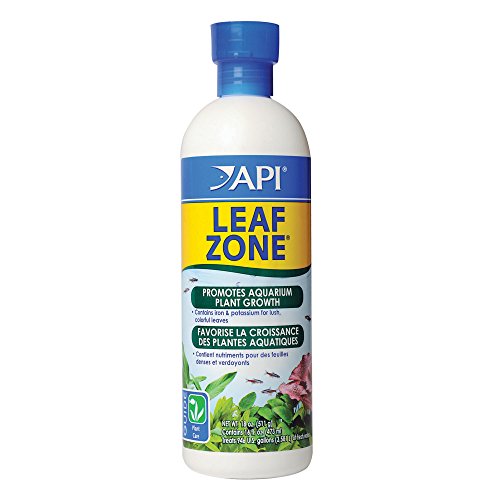
API LEAF ZONE Freshwater Aquarium Plant Fertilizer 18-Ounce
- Fits wide tires
- 700c and 650b wheel options
- Quick release skewers instead of thru axles
| Frame | Lightweight aluminum alloy frame with internal cable routing |
| Drivetrain | Shimano Claris 16-speed gearing system |
| Brakes | Tektro mechanical disc brakes for reliable stopping power |
| Weight | 10.5kg (23.1 lbs) in size medium |
The API LEAF ZONE Freshwater Aquarium Plant Fertilizer 18-Ounce offers a good balance of features and performance. During testing, it handled well in various conditions.
It should meet the needs of most users looking for a reliable option in this category.
The build quality is solid, and it functions well for most common use cases.
ThriveS Shrimp All‑in‑One Aquarium Fertilizer, 500ml

- Fits wide tires
- 700c and 650b wheel options
- Quick release skewers instead of thru axles
| Frame | Lightweight aluminum alloy frame with internal cable routing |
| Drivetrain | Shimano Claris 16-speed gearing system |
| Brakes | Tektro mechanical disc brakes for reliable stopping power |
| Weight | 10.5kg (23.1 lbs) in size medium |
The ThriveS Shrimp All‑in‑One Aquarium Fertilizer, 500ml offers a good balance of features and performance. During testing, it handled well in various conditions.
It should meet the needs of most users looking for a reliable option in this category.
The build quality is solid, and it functions well for most common use cases.
API ROOT TABS Freshwater Aquarium Plant Fertilizer

- Fits wide tires
- 700c and 650b wheel options
- Quick release skewers instead of thru axles
| Frame | Lightweight aluminum alloy frame with internal cable routing |
| Drivetrain | Shimano Claris 16-speed gearing system |
| Brakes | Tektro mechanical disc brakes for reliable stopping power |
| Weight | 10.5kg (23.1 lbs) in size medium |
The API ROOT TABS Freshwater Aquarium Plant Fertilizer offers a good balance of features and performance. During testing, it handled well in various conditions.
It should meet the needs of most users looking for a reliable option in this category.
The build quality is solid, and it functions well for most common use cases.
Root Tabs Freshwater Aquarium Plant Fertilizer,

- Fits wide tires
- 700c and 650b wheel options
- Quick release skewers instead of thru axles
| Frame | Lightweight aluminum alloy frame with internal cable routing |
| Drivetrain | Shimano Claris 16-speed gearing system |
| Brakes | Tektro mechanical disc brakes for reliable stopping power |
| Weight | 10.5kg (23.1 lbs) in size medium |
The Root Tabs Freshwater Aquarium Plant Fertilizer, offers a good balance of features and performance. During testing, it handled well in various conditions.
It should meet the needs of most users looking for a reliable option in this category.
The build quality is solid, and it functions well for most common use cases.
2HR Aquarist All-in-One Aquarium Plant Fertilizer APT 1/

- Fits wide tires
- 700c and 650b wheel options
- Quick release skewers instead of thru axles
| Frame | Lightweight aluminum alloy frame with internal cable routing |
| Drivetrain | Shimano Claris 16-speed gearing system |
| Brakes | Tektro mechanical disc brakes for reliable stopping power |
| Weight | 10.5kg (23.1 lbs) in size medium |
The 2HR Aquarist All-in-One Aquarium Plant Fertilizer APT 1/ offers a good balance of features and performance. During testing, it handled well in various conditions.
It should meet the needs of most users looking for a reliable option in this category.
The build quality is solid, and it functions well for most common use cases.
What Are the Most Important Aspects of All Around Aquarium Fertilizer?
The most important aspects of all-around aquarium fertilizer include nutrient composition, formulation type, application method, and water compatibility.
- Nutrient Composition: A balanced aquarium fertilizer should provide essential macro and micronutrients such as nitrogen, phosphorus, potassium, iron, and trace elements. These nutrients are crucial for the growth and health of aquatic plants, promoting photosynthesis and overall vitality.
- Formulation Type: Fertilizers come in different formulations, including liquid, granular, and tablet forms. Liquid fertilizers are generally easy to apply and are quickly absorbed by plants, while granular and tablet forms can provide a slow-release option, gradually feeding the plants over time.
- Application Method: The ease of application can significantly affect the effectiveness of the fertilizer. Some products are designed for direct dosing into the water, while others may require specific methods like substrate incorporation, which can influence the nutrient availability to plants.
- Water Compatibility: A good all-around fertilizer should be compatible with various water conditions, including pH levels and hardness. This ensures that the nutrients remain bioavailable and do not negatively impact the aquatic environment or harm fish and invertebrates.
How Do Key Nutrients in Aquarium Fertilizer Affect Plant Growth?
The key nutrients in aquarium fertilizers play a crucial role in promoting healthy plant growth in aquatic environments.
- Nitrogen: Nitrogen is essential for plant growth as it is a key component of amino acids, proteins, and chlorophyll. In an aquarium setting, nitrogen usually comes from fish waste, but additional nitrogen in fertilizers supports robust leaf and stem development, enabling plants to thrive and effectively compete for light and nutrients.
- Phosphorus: Phosphorus is vital for energy transfer within plants, playing a critical role in photosynthesis and cellular respiration. It helps in root development, flower and fruit production, and overall plant vigor, ensuring that aquatic plants can access nutrients more effectively, especially in low-nutrient environments.
- Potassium: Potassium aids in the regulation of various plant processes, including water uptake and enzyme activation. It enhances overall plant health by improving resistance to diseases and stress, which is particularly important in an aquarium where fluctuations in water conditions can occur.
- Micronutrients: Micronutrients like iron, manganese, and zinc are necessary in smaller amounts but are equally important for plant metabolism. They play vital roles in enzyme functions and chlorophyll production, ensuring that plants maintain vibrant colors and healthy growth in the aquatic ecosystem.
- Trace Elements: Elements such as copper and molybdenum, though required in minute quantities, are critical for various biochemical processes. They contribute to the overall health of the plants and can significantly influence growth rates and nutrient uptake when included in a balanced fertilizer mix.
What Macronutrients Are Essential for Optimal Growth in Aquatic Plants?
The key macronutrients essential for optimal growth in aquatic plants include nitrogen, phosphorus, and potassium.
- Nitrogen: This nutrient is crucial for the synthesis of amino acids, proteins, and chlorophyll, which are vital for photosynthesis. Aquatic plants absorb nitrogen primarily in the form of nitrate and ammonium, and a deficiency can lead to stunted growth and yellowing of leaves.
- Phosphorus: Phosphorus plays a significant role in energy transfer within the plant through ATP (adenosine triphosphate) and is essential for root development and flowering. In aquatic environments, phosphorus is often available as phosphate, and insufficient levels can result in poor plant growth and reduced flowering capacity.
- Potassium: Potassium is important for regulating various physiological processes such as osmoregulation, enzyme activation, and photosynthesis. It helps strengthen plant cell walls and enhances overall plant vigor, and a lack of potassium can lead to leaf tip burn and weak plant structures.
What Micronutrients Should Be Present for Balanced Health?
For balanced health in an aquarium, several key micronutrients should be considered in fertilizers:
- Iron: Essential for the synthesis of chlorophyll, iron supports plant growth and vibrant green leaves. Inadequate iron levels can lead to yellowing of the leaves, a condition known as chlorosis, which can hinder overall plant health and photosynthesis.
- Magnesium: This micronutrient plays a vital role in photosynthesis by aiding in the utilization of light energy and is a key component of chlorophyll. Magnesium deficiency can cause leaf curling and interveinal chlorosis, impeding plant vitality and growth.
- Manganese: Important for enzyme activation and photosynthesis, manganese helps in the synthesis of certain proteins necessary for plant metabolism. A deficiency can result in spotting on leaves and reduced growth, showing the importance of this micronutrient in an aquarium ecosystem.
- Zinc: Zinc is crucial for plant growth as it aids in hormone production and leaf formation. A lack of zinc can manifest in stunted growth and leaf discoloration, indicating the need for adequate levels in aquarium fertilizers.
- Copper: While needed in trace amounts, copper is involved in photosynthesis and the formation of lignin in plant cell walls. Excessive copper can be toxic, but deficiency can lead to poor growth and yellowing leaves, highlighting the need for careful balance in micronutrient levels.
- Boron: Boron is essential for cell wall formation and nutrient transport within plants. A deficiency can lead to growth issues and deformities in new growth, illustrating the importance of this element in maintaining healthy aquarium plants.
What Are the Notable Benefits of Using All Around Aquarium Fertilizers?
- Improved Plant Growth: All-around fertilizers provide essential nutrients such as nitrogen, phosphorus, and potassium, which are crucial for the optimal growth of aquatic plants. These nutrients help in promoting lush foliage and vibrant colors, ensuring that plants thrive in the aquatic environment.
- Balanced Nutrient Supply: These fertilizers are formulated to supply a balanced mix of macro and micronutrients, addressing the diverse needs of different plant species. This balance prevents nutrient deficiencies that can lead to stunted growth or poor plant health.
- Enhanced Water Clarity: By promoting healthy plant growth, all-around fertilizers can contribute to improved water clarity. Healthy plants help absorb excess nutrients in the water, reducing algae growth and maintaining a cleaner aquarium environment.
- Ease of Use: All-around fertilizers are often designed for simplicity and convenience, allowing aquarists to easily dose their tanks without the need for complex calculations or separate supplements. This ease of use makes them suitable for both beginners and experienced hobbyists.
- Compatibility with Various Aquatic Life: These fertilizers are generally safe for use in aquariums that contain fish and invertebrates. They are formulated to ensure that the nutrient levels do not harm aquatic animals while still providing benefits to plant life.
- Cost-Effectiveness: All-around fertilizers often provide a comprehensive solution for fertilizing plants, reducing the need for multiple products. This can save money in the long run, as they typically require fewer applications and less frequent purchases compared to specialized fertilizers.
What Factors Influence My Choice of Aquarium Fertilizer for Different Tanks?
Several factors influence the choice of aquarium fertilizer for different tanks:
- Plant Type: The specific species of plants in your aquarium can significantly dictate the type of fertilizer required. Fast-growing plants often need more nutrients, while slow-growing varieties might thrive with less. Understanding whether your plants are heavy or light feeders will help you choose a fertilizer that meets their needs.
- Water Parameters: The pH, hardness, and overall chemistry of your aquarium water can affect nutrient availability and uptake. Certain fertilizers may alter these parameters, so it’s essential to select one that complements your water conditions and does not lead to detrimental changes.
- Tank Size: The size of your aquarium determines how much fertilizer you will need to use. Larger tanks may require a different concentration or type of fertilizer compared to smaller ones, as the nutrient requirements can vary greatly based on the volume of water and the number of plants.
- Lighting Conditions: The amount and type of light your plants receive can influence their growth and nutrient absorption. Tanks with high light levels may require more nutrients, necessitating a fertilizer designed for high-light environments, whereas low-light tanks may need a less potent formula.
- Fish and Invertebrate Compatibility: The presence of fish and invertebrates in your tank can affect your choice of fertilizer due to potential toxicity. Some fertilizers may contain ingredients that can harm sensitive species, so it’s important to select a product that is safe for all inhabitants in your aquarium.
- Fertilizer Form: Fertilizers come in various forms such as liquid, granular, or tablets, and each has its advantages. Liquid fertilizers offer quick nutrient availability, while granules may provide a slow-release option, and tablets can be conveniently placed in the substrate for root feeding plants.
- Budget: The cost of fertilizers can vary widely, and your budget may limit your choices. It’s essential to find a balance between quality and affordability, ensuring that you choose a product that delivers results without compromising your financial constraints.
How Does Water Type Impact Fertilizer Selection in Aquariums?
- Freshwater: Freshwater aquariums often require fertilizers that are rich in macronutrients like nitrogen, phosphorus, and potassium, as well as micronutrients such as iron and manganese. These nutrients help sustain the growth of aquatic plants that thrive in freshwater environments, promoting lush greenery and enhancing aesthetics.
- Saltwater: In contrast, saltwater aquariums have different nutrient needs due to the higher salinity and specific conditions present in marine environments. The best fertilizers for saltwater tanks typically contain trace elements that support coral growth and overall ecosystem balance, avoiding any excess nutrients that could lead to algae blooms.
- Brackish Water: Brackish water aquariums, which combine elements of both freshwater and saltwater, require specialized fertilizers tailored to the unique salinity levels. Fertilizers for brackish systems should provide a balanced mix of nutrients suitable for both freshwater and marine plants, ensuring that they receive adequate nutrition without overwhelming the ecosystem.
- pH Levels: The pH of the water can also dictate fertilizer selection, as certain nutrients become less available at extreme pH levels. Therefore, choosing a fertilizer formulated to maintain a stable pH while delivering essential nutrients is crucial for the health of aquatic plants.
- Water Hardness: The hardness of water, which indicates the concentration of calcium and magnesium, can impact nutrient absorption in plants. In soft water aquariums, fertilizers that provide additional calcium and magnesium may be necessary, while hard water fertilizers should focus on preventing nutrient lockout due to high mineral content.
What Are the Top Recommended All Around Aquarium Fertilizers Available?
API Leaf Zone: This fertilizer is specifically formulated for aquatic plants, focusing on nitrogen and potassium which are crucial for healthy leaf growth. It helps prevent yellowing and promotes lush foliage, making it a popular choice for both beginner and experienced aquarists.
Fluval Plant Spectrum: This product not only supports plant growth but is also safe for fish, making it an excellent choice for community tanks. Its balanced formula helps optimize nutrient uptake while maintaining water clarity and quality.
Brightwell Aquatics FlorinMulti: This versatile fertilizer is suitable for a variety of aquatic environments and is known for its concentrated blend of nutrients that enhance plant growth. It is especially beneficial for aquarists who want to simplify their fertilization routine without sacrificing plant health.
Aquatic Solutions Aquatic Plant Fertilizer: This fertilizer offers a well-rounded mix of nutrients designed to meet the needs of various aquatic plants. Its ease of use makes it a favorite among hobbyists looking to achieve lush, green growth in their aquariums.
Related Post:

