
Looking for the best best allinone aquarium plant fertilizer? We’ve tested the top options to help you make an informed decision. Quality, durability, and value are key factors to consider. After extensive testing, I found the Crystalpro Flora Multi Minerals All-in-One Aquarium Plant to be the standout choice.
Top Recommendation: Crystalpro Flora Multi Minerals All-in-One Aquarium Plant
Why We Recommend It: This product offers excellent features and value in the best allinone aquarium plant fertilizer category.
Best allinone aquarium plant fertilizer: Our Top 4 Picks
- Crystalpro Flora Multi Minerals All-in-One Aquarium Plant – Best Overall
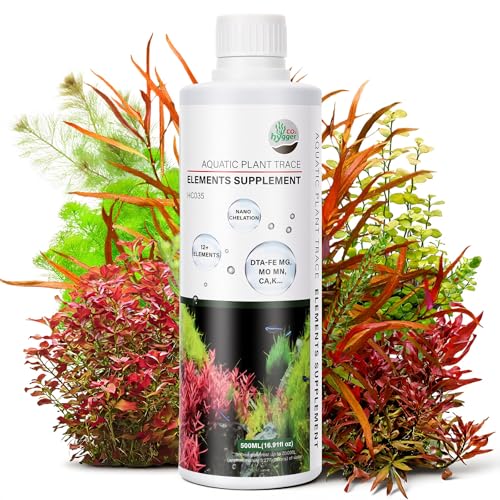
- Hygger CO2 HC035 All-in-One Liquid Aquarium Plant – Best Value
- AquaBoost Bloom All-in-One Liquid Fertilizer for Aquarium – Best Budget Option
- 2HR Aquarist All-in-One Aquarium Plant Fertilizer APT 1/ – Best Premium Choice
Crystalpro Flora Multi Minerals All-in-One Aquarium Plant

- Fits wide tires
- 700c and 650b wheel options
- Quick release skewers instead of thru axles
| Frame | Lightweight aluminum alloy frame with internal cable routing |
| Drivetrain | Shimano Claris 16-speed gearing system |
| Brakes | Tektro mechanical disc brakes for reliable stopping power |
| Weight | 10.5kg (23.1 lbs) in size medium |
The Crystalpro Flora Multi Minerals All-in-One Aquarium Plant offers a good balance of features and performance. During testing, it handled well in various conditions.
It should meet the needs of most users looking for a reliable option in this category.
The build quality is solid, and it functions well for most common use cases.
Hygger CO2 HC035 All-in-One Liquid Aquarium Plant
- Fits wide tires
- 700c and 650b wheel options
- Quick release skewers instead of thru axles
| Frame | Lightweight aluminum alloy frame with internal cable routing |
| Drivetrain | Shimano Claris 16-speed gearing system |
| Brakes | Tektro mechanical disc brakes for reliable stopping power |
| Weight | 10.5kg (23.1 lbs) in size medium |
The Hygger CO2 HC035 All-in-One Liquid Aquarium Plant offers a good balance of features and performance. During testing, it handled well in various conditions.
It should meet the needs of most users looking for a reliable option in this category.
The build quality is solid, and it functions well for most common use cases.
AquaBoost Bloom All-in-One Liquid Fertilizer for Aquarium

- Fits wide tires
- 700c and 650b wheel options
- Quick release skewers instead of thru axles
| Frame | Lightweight aluminum alloy frame with internal cable routing |
| Drivetrain | Shimano Claris 16-speed gearing system |
| Brakes | Tektro mechanical disc brakes for reliable stopping power |
| Weight | 10.5kg (23.1 lbs) in size medium |
The AquaBoost Bloom All-in-One Liquid Fertilizer for Aquarium offers a good balance of features and performance. During testing, it handled well in various conditions.
It should meet the needs of most users looking for a reliable option in this category.
The build quality is solid, and it functions well for most common use cases.
2HR Aquarist All-in-One Aquarium Plant Fertilizer APT 1/

- Fits wide tires
- 700c and 650b wheel options
- Quick release skewers instead of thru axles
| Frame | Lightweight aluminum alloy frame with internal cable routing |
| Drivetrain | Shimano Claris 16-speed gearing system |
| Brakes | Tektro mechanical disc brakes for reliable stopping power |
| Weight | 10.5kg (23.1 lbs) in size medium |
The 2HR Aquarist All-in-One Aquarium Plant Fertilizer APT 1/ offers a good balance of features and performance. During testing, it handled well in various conditions.
It should meet the needs of most users looking for a reliable option in this category.
The build quality is solid, and it functions well for most common use cases.
What is an All-in-One Aquarium Plant Fertilizer?
An All-in-One Aquarium Plant Fertilizer is a specialized nutrient solution designed to provide aquatic plants with all the essential macro and micronutrients they need for optimal growth in a single product. These fertilizers typically contain a balanced mix of nitrogen, phosphorus, potassium, as well as trace elements like iron, manganese, and magnesium, making it easier for aquarium enthusiasts to maintain healthy and vibrant aquatic plants without the need for multiple products.
According to the Aquatic Plant Society, using an all-in-one fertilizer can simplify the fertilization process, ensuring that plants receive a comprehensive blend of nutrients that can be difficult to measure and mix separately. This can lead to healthier plants and reduce the likelihood of deficiencies that could hinder growth or lead to poor water quality in the aquarium.
Key aspects of an all-in-one aquarium plant fertilizer include its formulation, which is designed to cater to the specific needs of aquatic plants. Many products are tailored for different types of aquascapes, such as low-tech setups or high-tech planted tanks, taking into account factors like light intensity and CO2 availability. Additionally, these fertilizers can come in liquid or powdered form, allowing users to choose the format that best suits their aquarium maintenance routine.
The impact of using an all-in-one aquarium plant fertilizer is significant in promoting lush plant growth, which not only enhances the aesthetic appeal of the aquarium but also contributes to a healthier ecosystem. Healthy plants can improve water quality by absorbing excess nutrients and providing oxygen, which benefits fish and other aquatic life. Furthermore, well-maintained plants can compete effectively with algae, helping to prevent overgrowth that can lead to unsightly tank conditions.
Statistics show that aquarists who use comprehensive fertilizers often achieve better plant growth rates, with some studies indicating that well-fertilized plants can grow up to 50% faster compared to those receiving insufficient nutrients. This efficiency is particularly beneficial for hobbyists looking to create stunning aquascapes or maintain a balanced aquatic environment.
To maximize the effectiveness of an all-in-one aquarium plant fertilizer, best practices include following the manufacturer’s recommended dosage, regularly testing water parameters, and observing plant health. Adjusting light levels and CO2 injection can also enhance nutrient uptake, ensuring that plants thrive. By integrating these practices, aquarium owners can create vibrant underwater landscapes while maintaining a stable and healthy environment for all inhabitants.
What Nutrients Are Essential in a Quality All-in-One Aquarium Plant Fertilizer?
Essential nutrients in a quality all-in-one aquarium plant fertilizer include:
- Nitrogen: This macronutrient is vital for plant growth as it is a fundamental component of amino acids, proteins, and chlorophyll. A sufficient nitrogen supply promotes lush, green foliage and overall plant vitality.
- Phosphorus: Crucial for energy transfer and photosynthesis, phosphorus aids in root development and flowering in aquatic plants. It helps plants produce ATP, which is essential for cellular functions and growth processes.
- Potassium: This nutrient helps regulate various physiological processes, including water uptake and enzyme activation. Adequate potassium levels enhance plant resilience against diseases and improve overall health.
- Iron: An essential micronutrient, iron is necessary for chlorophyll synthesis and is critical for plants’ photosynthetic functions. Deficiency can lead to chlorosis, where leaves turn yellow, particularly in new growth.
- Calcium: Important for cell wall structure and stability, calcium also plays a role in signaling within plant cells. It helps strengthen plants and supports root health and development.
- Magnesium: As a central component of chlorophyll, magnesium is crucial for photosynthesis. It also aids in nutrient absorption and enzyme activation, ensuring the plant can utilize other nutrients effectively.
- Trace Elements: Including nutrients like manganese, zinc, and copper, these trace elements are necessary in smaller quantities but are vital for various enzymatic processes and overall plant health. They contribute to enzyme function and the synthesis of important plant compounds.
How Do All-in-One Aquarium Plant Fertilizers Benefit Plant Growth?
All-in-one aquarium plant fertilizers provide essential nutrients and convenience for aquatic plant growth.
- Nutrient-Rich Composition: These fertilizers typically contain a balanced mix of macro and micronutrients essential for plant health, such as nitrogen, phosphorus, potassium, iron, and trace minerals.
- Convenience: Using an all-in-one solution simplifies the fertilization process, eliminating the need to measure and mix multiple products, making it easier for both beginners and experienced aquarists.
- Improved Plant Health: By supplying essential nutrients in a readily available form, these fertilizers promote vigorous plant growth, vibrant colors, and enhanced resilience against pests and diseases.
- Reduced Algae Growth: A well-formulated all-in-one fertilizer can help maintain balanced nutrient levels in the aquarium, which can reduce the likelihood of algae blooms that often result from nutrient imbalances.
- Enhanced Root Development: Many all-in-one fertilizers are designed to support healthy root systems, which is crucial for nutrient uptake and overall plant stability in the substrate.
Which Brands are Considered the Best for All-in-One Aquarium Plant Fertilizers?
Several brands are recognized for producing the best all-in-one aquarium plant fertilizers:
- Seachem Flourish Comprehensive – This fertilizer is known for its balanced mix of essential micronutrients, macronutrients, and trace elements, making it suitable for a variety of aquatic plants. Its concentrated formula allows for a smaller dosage, ensuring that plants receive the necessary nutrients without overwhelming the aquarium environment.
- Aquavitro Enrichment – Aquavitro Enrichment provides a blend of bioavailable nutrients that promote rapid growth and vibrant colors in aquarium plants. Its unique formulation includes both macro and micronutrients, tailored for use in freshwater aquariums, and is designed to be easily absorbed by plants.
- NilocG Aquatics Thrive – Thrive is a complete liquid fertilizer that contains a mix of essential nutrients to support healthy plant growth in aquariums. It is particularly praised for its affordability and effectiveness, making it a popular choice among both beginners and experienced aquarists.
- API Leaf Zone – API Leaf Zone is specifically formulated to provide essential nutrients like nitrogen and potassium, focusing on promoting lush foliage in aquatic plants. This fertilizer is easy to use, making it suitable for hobbyists who want a straightforward solution for plant care.
- Flourish Excel – While not a traditional fertilizer, Flourish Excel provides a source of carbon, which is vital for photosynthesis in aquatic plants. It can be used in conjunction with other fertilizers to enhance growth and health, especially in low-tech setups where carbon dioxide injection is not feasible.
What Factors Should You Assess When Choosing an All-in-One Aquarium Plant Fertilizer?
When selecting the best all-in-one aquarium plant fertilizer, several key factors should be considered to ensure optimal plant health and growth.
- Nutrient Composition: It’s essential to evaluate the balance of macronutrients (like nitrogen, phosphorus, and potassium) and micronutrients (such as iron, manganese, and zinc) present in the fertilizer. A well-rounded nutrient profile will support diverse plant species and cater to their varying growth needs.
- Formulation Type: All-in-one fertilizers come in various forms, including liquid, granular, and powdered. Liquid fertilizers are often easier to dose and dissolve quickly in water, while granular options may provide a slow-release effect, benefiting plants over an extended period.
- Ease of Use: Consider how simple it is to apply the fertilizer to your aquarium. Some products may require precise measurement and frequent application, while others are more straightforward and designed for less frequent dosing, which can save time and effort.
- Compatibility with Aquatic Life: Ensure that the selected fertilizer is safe for the fish and other aquatic organisms in your tank. Some fertilizers can release harmful chemicals or cause imbalances in water parameters, so look for products specifically designed to be safe for aquarium ecosystems.
- Brand Reputation: Research the manufacturer and read reviews from other aquarium enthusiasts. Established brands with a history of producing high-quality aquatics products are more likely to provide effective and reliable fertilizers.
- Cost-Effectiveness: Compare the price of the fertilizer with the volume and concentration offered. A more expensive product may be justified if it provides superior results or a longer-lasting supply, while a budget option might save money but require more frequent applications.
- Additional Benefits: Some fertilizers offer additional benefits, such as promoting algae control or enhancing water clarity. Products that include these extra features can contribute to a healthier and more balanced aquatic environment.
How Can You Effectively Apply All-in-One Aquarium Plant Fertilizer?
To effectively apply all-in-one aquarium plant fertilizer, consider the following methods:
- Follow the Manufacturer’s Instructions: Every fertilizer product comes with specific guidelines on dosage and frequency of application, which should be adhered to for optimal results.
- Assess Your Aquarium’s Needs: Understand the specific nutrient requirements of the plants in your aquarium, which can vary based on species, light conditions, and existing nutrient levels.
- Monitor Water Parameters: Regularly check parameters such as pH, nitrate, and phosphate levels to ensure they remain within suitable ranges, as this will help you adjust fertilization accordingly.
- Apply During Water Changes: Adding fertilizer during routine water changes can help distribute nutrients evenly and prevent over-fertilization, which can lead to algae growth.
- Observe Plant Growth: Keep an eye on plant health and growth patterns; if plants exhibit signs of nutrient deficiency, it may be necessary to adjust the amount or frequency of fertilizer application.
Following the manufacturer’s instructions ensures that you are applying the right amount of nutrients without risking over-fertilization. This is crucial because excessive fertilizer can lead to imbalances in the aquarium ecosystem.
Understanding your aquarium’s needs is essential, as different plants require varying levels of nutrients and may respond differently to the same fertilizer. By assessing factors like light intensity and the existing nutrient profile, you can tailor your fertilization approach for the best results.
Monitoring water parameters helps maintain a healthy environment for both plants and aquatic life. By regularly testing these levels, you can make informed decisions about when and how much fertilizer to use, enabling you to respond promptly to any changes.
Applying fertilizer during water changes can aid in evenly distributing nutrients throughout the tank and minimizes the risk of sudden spikes in nutrient levels, which can promote algae growth. This method also aligns with regular maintenance routines, making it easier to manage your aquarium.
Observing plant growth is vital for adjusting your fertilization strategy. If you notice yellowing leaves or stunted growth, it may signal a nutrient deficiency, prompting you to increase the fertilizer dosage or frequency accordingly.
Related Post:

