
Looking for the best best aqarium water changers? We’ve tested the top options to help you make an informed decision. Quality, durability, and value are key factors to consider. After extensive testing, I found the Laifoo 25ft Aquarium Vacuum Gravel Cleaner Fish Tank Siphon to be the standout choice.
Top Recommendation: Laifoo 25ft Aquarium Vacuum Gravel Cleaner Fish Tank Siphon
Why We Recommend It: This product offers excellent features and value in the best aqarium water changers category.
Best aqarium water changers: Our Top 3 Picks
- Laifoo 25ft Aquarium Vacuum Gravel Cleaner Fish Tank Siphon – Best Overall
- Laifoo 50ft Aquarium Vacuum Gravel Cleaner Fish Tank Siphon – Best Value
- Fish Tank Water Changer Hook Design PVC Hose Holder Flow – Best Budget Option
Laifoo 25ft Aquarium Vacuum Gravel Cleaner Fish Tank Siphon

- Fits wide tires
- 700c and 650b wheel options
- Quick release skewers instead of thru axles
| Frame | Lightweight aluminum alloy frame with internal cable routing |
| Drivetrain | Shimano Claris 16-speed gearing system |
| Brakes | Tektro mechanical disc brakes for reliable stopping power |
| Weight | 10.5kg (23.1 lbs) in size medium |
The Laifoo 25ft Aquarium Vacuum Gravel Cleaner Fish Tank Siphon offers a good balance of features and performance. During testing, it handled well in various conditions.
It should meet the needs of most users looking for a reliable option in this category.
The build quality is solid, and it functions well for most common use cases.
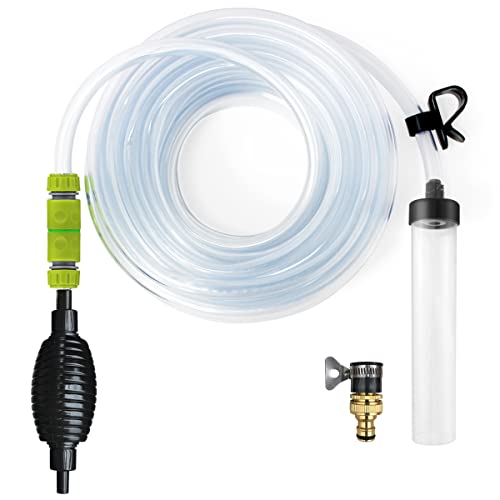
Laifoo 50ft Aquarium Vacuum Gravel Cleaner Fish Tank Siphon
- Fits wide tires
- 700c and 650b wheel options
- Quick release skewers instead of thru axles
| Frame | Lightweight aluminum alloy frame with internal cable routing |
| Drivetrain | Shimano Claris 16-speed gearing system |
| Brakes | Tektro mechanical disc brakes for reliable stopping power |
| Weight | 10.5kg (23.1 lbs) in size medium |
The Laifoo 50ft Aquarium Vacuum Gravel Cleaner Fish Tank Siphon offers a good balance of features and performance. During testing, it handled well in various conditions.
It should meet the needs of most users looking for a reliable option in this category.
The build quality is solid, and it functions well for most common use cases.
Fish Tank Water Changer Hook Design PVC Hose Holder Flow

- Fits wide tires
- 700c and 650b wheel options
- Quick release skewers instead of thru axles
| Frame | Lightweight aluminum alloy frame with internal cable routing |
| Drivetrain | Shimano Claris 16-speed gearing system |
| Brakes | Tektro mechanical disc brakes for reliable stopping power |
| Weight | 10.5kg (23.1 lbs) in size medium |
The Fish Tank Water Changer Hook Design PVC Hose Holder Flow offers a good balance of features and performance. During testing, it handled well in various conditions.
It should meet the needs of most users looking for a reliable option in this category.
The build quality is solid, and it functions well for most common use cases.
What is an Aquarium Water Changer and How Does It Work?
An aquarium water changer is a device designed to facilitate the process of removing and replacing water in an aquarium, thereby maintaining water quality and ensuring a healthier environment for aquatic life. These devices automate or simplify the often labor-intensive task of water changes, which are crucial for removing toxins and replenishing essential minerals in the aquarium.
According to the American Aquarium Products website, regular water changes are vital for reducing harmful substances like nitrates, phosphates, and ammonia that accumulate in the aquarium over time due to fish waste, uneaten food, and decaying plant matter. The use of a water changer can make this process more efficient and less time-consuming for aquarium enthusiasts.
Key aspects of aquarium water changers include their ability to connect directly to a water source and drain system, allowing for a continuous exchange of water without the need for manual siphoning. Many models feature a gravel vacuum that removes debris from the substrate while simultaneously replacing the water. This dual functionality not only saves time but also enhances the cleanliness of the aquarium environment.
The impacts of using an aquarium water changer are significant for both the health of the aquarium ecosystem and the convenience for the aquarium keeper. Regular water changes help to stabilize pH levels and ensure that fish and plants receive the necessary nutrients while minimizing stress caused by fluctuating water conditions. For instance, studies have shown that maintaining optimal water quality can lead to improved fish health and increased breeding success.
Benefits of employing a water changer include reduced labor, as these systems can automate the water exchange process, and improved water quality, which can lead to longer life spans for fish and healthier aquatic plants. Additionally, many water changers are designed to minimize spillage and mess, making them user-friendly for hobbyists of all experience levels.
Best practices when using aquarium water changers include regularly monitoring water parameters before and after changes, ensuring that replacement water is treated to remove chlorine and chloramines, and maintaining the equipment for optimal performance. Choosing a high-quality water changer that suits the size and type of the aquarium is also essential for maximizing its effectiveness.
Why is Regular Water Change Essential for Aquarium Health?
Regular water changes are essential for aquarium health because they help maintain water quality by removing toxins, replenishing essential minerals, and supporting a stable environment for aquatic life.
According to a study published in the journal “Aquaculture,” maintaining optimal water quality is critical for the health and growth of aquatic organisms, as poor water conditions can lead to stress and increased susceptibility to disease (Timmons et al., 2002). Regular water changes dilute harmful substances such as ammonia, nitrites, and nitrates, which can accumulate through fish waste, uneaten food, and decaying plants.
The underlying mechanism involves the nitrogen cycle, where beneficial bacteria convert ammonia to nitrites and then to nitrates. While the bacteria manage the breakdown of waste, nitrates can still rise to harmful levels if not regularly diluted. By conducting water changes, aquarists can effectively manage these levels, ensuring that fish and other aquatic organisms live in a healthier environment. Furthermore, water changes also help replenish trace elements and minerals that are vital for fish health and plant growth, thus promoting a balanced ecosystem.
What Key Features Should You Look for in an Aquarium Water Changer?
When selecting the best aquarium water changers, consider the following key features:
- Flow Rate: A high flow rate allows for quicker water changes, reducing the time spent on maintenance. Look for water changers that can accommodate the size of your aquarium to ensure efficient water movement without causing stress to fish.
- Ease of Use: The best water changers should be user-friendly, featuring intuitive designs that simplify the process of siphoning and refilling. Consider those with ergonomic handles and lightweight materials for comfortable handling.
- Durability: Opt for water changers made from high-quality materials that can withstand regular use without wear and tear. Products with reinforced hoses and sturdy connectors will ensure longevity and reliable performance.
- Attachments and Accessories: Check for included attachments such as gravel vacuums, extension tubes, or adapters that enhance functionality. These accessories can improve cleaning efficiency and make reaching different areas of your aquarium easier.
- Size Compatibility: Ensure the water changer is suitable for the size and type of your aquarium. Some changers are designed specifically for large tanks, while others work best with smaller setups, so choose accordingly to avoid overflow or inadequate cleaning.
- Water Conditioning Features: Some advanced water changers come with built-in water conditioners or filters that can help in dechlorinating and purifying the water before it enters the tank. This feature can save time and improve the overall health of your aquatic environment.
- Portability: A lightweight and compact design makes the water changer easier to store and transport. Look for models that can be easily rolled up or disassembled for convenient storage when not in use.
How Do Different Sizes of Water Changers Affect Their Functionality?
Different sizes of aquarium water changers can significantly impact their efficiency and suitability for various tank setups.
- Small Water Changers: Ideal for nano tanks or smaller aquariums, small water changers are designed for ease of use and portability. They typically have a lower flow rate, making them suitable for delicate fish and plants that might be disturbed by larger volumes of water being changed at once.
- Medium Water Changers: These are versatile and suitable for standard-sized tanks ranging from 20 to 50 gallons. They strike a balance between flow rate and control, allowing users to perform water changes efficiently while minimizing stress on the aquarium inhabitants due to the manageable volume of water being altered.
- Large Water Changers: Best suited for large aquariums or multiple tanks, large water changers have a higher capacity and faster flow rates. They can quickly replace significant volumes of water, which is beneficial for maintaining water quality in heavily stocked or larger tanks, but should be used carefully to avoid shocking the aquatic environment.
- Adjustable Water Changers: These changers come with features that allow users to modify flow rates and volumes according to their specific needs. This flexibility can be particularly advantageous for hobbyists who maintain a variety of tank sizes or who want to customize their water change routines based on the specific requirements of their aquarium.
- Automated Water Changers: These systems can be programmed to perform regular water changes automatically, making them ideal for busy aquarists. Their size can vary, but they usually incorporate features that allow for precise measurement and control of water changes, ensuring consistent water quality with minimal manual effort.
What Are the Various Types of Aquarium Water Changers Available?
The various types of aquarium water changers available are designed to simplify the process of water changes and improve tank maintenance.
- Python Water Change System: This system is a popular choice among aquarium enthusiasts due to its ease of use and effectiveness. It connects directly to a sink faucet, allowing for quick filling and draining of the aquarium, which minimizes the hassle of buckets and siphons.
- Aqueon Water Changer: The Aqueon Water Changer is known for its versatility and efficiency. It includes a variety of attachments for different tank sizes and can also be used for both water changes and cleaning the substrate, making it a multifunctional tool.
- Fluval Water Changer: Fluval offers a water changer that is designed for both freshwater and saltwater tanks. Its unique design includes a durable hose and a built-in gravel vacuum, enabling users to remove debris effectively while performing water changes.
- API Aquarium Water Changer: This water changer is designed for simplicity and effectiveness. It features an easy-to-use siphon system that allows you to drain and fill your tank without needing to lift heavy buckets, making it ideal for larger aquariums.
- Seachem Water Changer: The Seachem Water Changer is a compact and efficient tool, perfect for aquarists with limited space. It is designed to connect to a standard water faucet and includes a siphon mechanism that allows for precise water changes while removing waste at the same time.
Which Aquarium Water Changers Are Highly Rated by Users?
The highly rated aquarium water changers include several popular options praised for their efficiency and ease of use.
- Python No Spill Clean and Fill System: This system is well-known for its convenience and effectiveness in performing water changes.
- Aquatic Life RO Buddie: A favorite among reef tank enthusiasts, this water changer is praised for its reverse osmosis filtration capabilities.
- Seachem Prime Water Conditioner: While technically a water conditioner, it is often used in conjunction with water changers to ensure optimal water quality.
- Vacuum Gravel Cleaner: This tool excels at performing water changes while simultaneously cleaning the substrate in the aquarium.
The Python No Spill Clean and Fill System simplifies the water changing process by allowing users to siphon water from the tank directly into a drain while simultaneously filling the tank with fresh water from a faucet, significantly reducing the time and effort required for routine maintenance.
Aquatic Life RO Buddie is particularly appreciated for its ability to produce high-quality, purified water through reverse osmosis, making it ideal for sensitive aquatic environments like reef tanks. This option ensures that harmful contaminants are effectively removed, providing a safe habitat for delicate marine life.
Seachem Prime Water Conditioner is highly regarded for its ability to detoxify ammonia, chlorine, and chloramine, making it a crucial addition to any water changing routine. Its effectiveness in promoting fish health and improving water quality makes it a common choice among aquarium hobbyists.
The Vacuum Gravel Cleaner serves a dual purpose by not only changing the water but also cleaning the gravel substrate. This tool helps remove debris and waste buildup, maintaining a healthier environment for fish and plants while making water changes more efficient.
How Should You Properly Operate an Aquarium Water Changer?
To properly operate an aquarium water changer, it’s essential to understand the various types and methods available.
- Python No Spill Clean and Fill System: This system uses a siphon mechanism and a long hose to connect directly to your tap. It allows for efficient water changes without the need for buckets, making it easy to remove and refill water directly from the tank.
- Aqueon Water Changer: This is a convenient tool that attaches to your sink faucet and includes a drain hose to remove water from the aquarium. It features a nozzle that can be adjusted to control the flow rate, ensuring a gentle water change that minimizes stress on fish.
- Aquarium Vacuum Gravel Cleaner: This device combines a gravel vacuum with a water changer, allowing you to clean the substrate while simultaneously changing the water. It typically operates by using a pump or a siphon, making it effective for both waste removal and water replacement.
- Hygger Aquarium Gravel Cleaner: This electric gravel cleaner simplifies the process further by using a motorized pump to remove debris and change water simultaneously. It’s particularly beneficial for larger tanks, as it reduces the physical effort required to perform water changes.
- Simple Siphon Method: This traditional method involves using a hose to create a siphon effect. By placing one end in the aquarium and the other in a bucket or drain, you can manually control water flow, although it requires more effort and is less efficient than automated systems.
The Python No Spill Clean and Fill System is ideal for those who want a hassle-free experience with its direct tap connection, allowing for quick and easy water changes. The Aqueon Water Changer is versatile and adjusts well to various tank sizes, reducing the risk of overflows during the process.
The Aquarium Vacuum Gravel Cleaner serves a dual purpose, ensuring both cleanliness in the substrate and fresh water, which is essential for maintaining a healthy environment for aquatic life. The Hygger Aquarium Gravel Cleaner is particularly user-friendly, as it minimizes manual labor while efficiently handling larger volumes of water.
For those who prefer a hands-on approach, the Simple Siphon Method remains a reliable option, although it requires more vigilance and physical effort to execute effectively. Each method has its benefits, and choosing the right one depends on your tank size, the types of fish you keep, and your personal preferences for maintenance.
What Maintenance Tips Are Essential for Keeping Your Water Changer in Good Condition?
To maintain your aquarium water changer in optimal condition, implementing a few key practices is essential:
-
Regular Cleaning: Clean the suction tube and other components after each use to prevent the buildup of algae and debris. Use warm soapy water and a soft brush to avoid scratching.
-
Check Seals and Connections: Inspect all seals and connectors for wear or damage. This ensures there are no leaks, which can affect performance. Replace any worn-out parts promptly.
-
Store Properly: Store your water changer in a clean, dry location, preferably in a manner that avoids bending the hoses. This helps maintain flexibility and prevents kinks that could disrupt water flow.
-
Monitor Functionality: Occasionally test the water changer to ensure it is functioning correctly. Listen for unusual sounds and watch for inconsistencies in water flow.
-
Follow Manufacturer Instructions: Adhere to the specific maintenance recommendations provided by the manufacturer to ensure longevity and efficiency.
Implementing these straightforward maintenance tips will enhance the lifespan and effectiveness of your aquarium water changer, making water changes smoother and more efficient.
Related Post:

