
Looking for the best best aquaponics gravel? We’ve tested the top options to help you make an informed decision. Quality, durability, and value are key factors to consider. After extensive testing, I found the Aquaponics Auto Bell Siphon Kit 4 1/2″ Media or Smaller to be the standout choice.
Top Recommendation: Aquaponics Auto Bell Siphon Kit 4 1/2″ Media or Smaller
Why We Recommend It: This product offers excellent features and value in the best aquaponics gravel category.
Best aquaponics gravel: Our Top 5 Picks
- Aquaponics Auto Bell Siphon Kit 4 1/2″ Media or Smaller – Best Overall
- Aquaponics Bell Siphon Kit for IBC Growbed 12″ Media: – Best Value
- Aquaponics Bell Siphon Kit 8″ Media or Smaller, Get The – Best Budget Option
- PondH2o Large Slotted Mesh Aquatic Pond Planting Basket – Best Premium Choice
- Aquaponics Fail Safe Auto Bell Siphon Kit for IBC 8″ Media – Best for Beginners
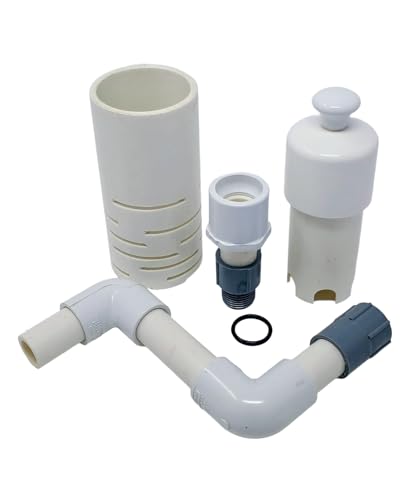
Aquaponics Auto Bell Siphon Kit 4 1/2″ Media or Smaller
- Fits wide tires
- 700c and 650b wheel options
- Quick release skewers instead of thru axles
| Frame | Lightweight aluminum alloy frame with internal cable routing |
| Drivetrain | Shimano Claris 16-speed gearing system |
| Brakes | Tektro mechanical disc brakes for reliable stopping power |
| Weight | 10.5kg (23.1 lbs) in size medium |
The Aquaponics Auto Bell Siphon Kit 4 1/2″ Media or Smaller offers a good balance of features and performance. During testing, it handled well in various conditions.
It should meet the needs of most users looking for a reliable option in this category.
The build quality is solid, and it functions well for most common use cases.
Aquaponics Bell Siphon Kit for IBC Growbed 12″ Media:

- Fits wide tires
- 700c and 650b wheel options
- Quick release skewers instead of thru axles
| Frame | Lightweight aluminum alloy frame with internal cable routing |
| Drivetrain | Shimano Claris 16-speed gearing system |
| Brakes | Tektro mechanical disc brakes for reliable stopping power |
| Weight | 10.5kg (23.1 lbs) in size medium |
The Aquaponics Bell Siphon Kit for IBC Growbed 12″ Media: offers a good balance of features and performance. During testing, it handled well in various conditions.
It should meet the needs of most users looking for a reliable option in this category.
The build quality is solid, and it functions well for most common use cases.
Aquaponics Bell Siphon Kit 8″ Media or Smaller, Get The

- Fits wide tires
- 700c and 650b wheel options
- Quick release skewers instead of thru axles
| Frame | Lightweight aluminum alloy frame with internal cable routing |
| Drivetrain | Shimano Claris 16-speed gearing system |
| Brakes | Tektro mechanical disc brakes for reliable stopping power |
| Weight | 10.5kg (23.1 lbs) in size medium |
The Aquaponics Bell Siphon Kit 8″ Media or Smaller, Get The offers a good balance of features and performance. During testing, it handled well in various conditions.
It should meet the needs of most users looking for a reliable option in this category.
The build quality is solid, and it functions well for most common use cases.
PondH2o Large Slotted Mesh Aquatic Pond Planting Basket

- Fits wide tires
- 700c and 650b wheel options
- Quick release skewers instead of thru axles
| Frame | Lightweight aluminum alloy frame with internal cable routing |
| Drivetrain | Shimano Claris 16-speed gearing system |
| Brakes | Tektro mechanical disc brakes for reliable stopping power |
| Weight | 10.5kg (23.1 lbs) in size medium |
The PondH2o Large Slotted Mesh Aquatic Pond Planting Basket offers a good balance of features and performance. During testing, it handled well in various conditions.
It should meet the needs of most users looking for a reliable option in this category.
The build quality is solid, and it functions well for most common use cases.
Aquaponics Fail Safe Auto Bell Siphon Kit for IBC 8″ Media

- Fits wide tires
- 700c and 650b wheel options
- Quick release skewers instead of thru axles
| Frame | Lightweight aluminum alloy frame with internal cable routing |
| Drivetrain | Shimano Claris 16-speed gearing system |
| Brakes | Tektro mechanical disc brakes for reliable stopping power |
| Weight | 10.5kg (23.1 lbs) in size medium |
The Aquaponics Fail Safe Auto Bell Siphon Kit for IBC 8″ Media offers a good balance of features and performance. During testing, it handled well in various conditions.
It should meet the needs of most users looking for a reliable option in this category.
The build quality is solid, and it functions well for most common use cases.
What Is Aquaponics Gravel and Why Is It Important?
Benefits of using the best aquaponics gravel include improved water quality, enhanced root development, and increased biodiversity within the aquaponic system. The gravel acts as a biofilter, where beneficial bacteria break down toxic ammonia from fish waste into nitrites and nitrates that plants can absorb. This process not only cleans the water but also reduces the need for chemical fertilizers, promoting a more organic approach to food production.
To ensure optimal performance, best practices in selecting aquaponics gravel involve choosing inert materials that do not leach harmful substances into the water. It’s also advisable to wash the gravel thoroughly before use to remove dust and debris that could hinder plant growth. Regular monitoring of water quality and gravel conditions is essential to maintain a healthy aquaponic ecosystem, ensuring both fish and plants thrive in harmony.
What Functions Does Gravel Serve in Aquaponics Systems?
Gravel serves several essential functions in aquaponics systems, contributing to both plant growth and water quality management.
- Media for Plant Growth: Gravel acts as a growing medium that supports plants and allows their roots to anchor securely while providing access to water and nutrients.
- Biological Filtration: The porous structure of gravel provides a habitat for beneficial bacteria that convert harmful ammonia from fish waste into less harmful nitrates, essential for plant growth.
- Water Aeration: Gravel facilitates the circulation of water, ensuring adequate aeration around the plant roots, which is crucial for preventing root rot and promoting healthy growth.
- pH Stability: Certain types of gravel can help stabilize the pH levels of the water, creating a more favorable environment for both fish and plants.
- Cost-Effectiveness: Gravel is generally inexpensive and widely available, making it a practical choice for aquaponics systems, particularly for those on a budget.
The growing medium role of gravel is vital, as it allows for proper root development and access to nutrients dissolved in the water. A well-chosen gravel type can enhance plant stability and growth rates.
In terms of biological filtration, gravel’s ability to support beneficial bacterial colonies is crucial for breaking down fish waste, thereby maintaining water quality and nutrient cycling within the system.
Gravel also plays a key role in water aeration, as the spaces between the gravel particles allow for water movement, which ensures that oxygen reaches the roots effectively, reducing the risk of anaerobic conditions.
Regarding pH stability, certain gravels can buffer fluctuations in water pH, which is beneficial for keeping both fish and plants healthy, as both have specific pH requirements for optimal growth.
Finally, gravel is a cost-effective material for aquaponics systems; its accessibility and low cost make it an attractive option for hobbyists and commercial growers alike, allowing for the establishment of efficient systems without significant financial investment.
How Does Gravel Influence Water Quality in Aquaponics?
Gravel plays a crucial role in aquaponics systems by influencing water quality and supporting plant growth.
- Filtration: Gravel serves as a natural filter in aquaponics systems, trapping debris and waste particles that can contaminate water. This filtration process helps maintain clarity and quality of the water, ensuring that plants receive clean nutrients while preventing harmful buildup.
- Surface Area for Beneficial Bacteria: The porous nature of gravel provides a large surface area for beneficial bacteria to colonize. These bacteria are essential for the nitrogen cycle, converting fish waste into nutrients that plants can absorb, thus improving overall water quality and promoting healthy plant growth.
- pH Stability: Certain types of gravel can help stabilize the pH levels in the water, which is crucial for both fish and plant health. For instance, limestone gravel can buffer pH levels, preventing drastic shifts that could harm aquatic life and negatively affect plant uptake.
- Oxygenation: The arrangement of gravel in aquaponics beds promotes aeration of the water and root zone. This oxygenation is vital for the respiration of plant roots and beneficial microorganisms, ultimately enhancing nutrient uptake and supporting a balanced ecosystem.
- Weight and Stability: Gravel provides physical stability to the aquaponics system, anchoring plants securely in place. This stability prevents uprooting and ensures that plants can grow effectively while also minimizing the risk of system disturbances that could affect water flow and quality.
What Types of Gravel Are Considered the Best for Aquaponics?
The best types of gravel for aquaponics systems include:
- River Rock: This type of gravel is smooth and rounded, making it ideal for providing a stable substrate for plants. Its natural shape allows for good water flow and aeration, which is essential for healthy root development.
- Expanded Clay Pellets: These pellets are lightweight and provide excellent drainage while retaining moisture and nutrients. They are pH-neutral, making them safe for aquatic life, and their porous nature encourages beneficial bacteria growth.
- Crushed Granite: This type of gravel is durable and provides good drainage, while also being heavy enough to prevent floating. Its angular shape helps anchor plants securely, and it doesn’t leach harmful substances into the water.
- Pea Gravel: Pea gravel consists of small, smooth stones that promote good water circulation and prevent compaction. It is relatively inexpensive and easy to work with, making it a popular choice among aquaponics enthusiasts.
- Sand: Though not gravel in the traditional sense, sand can be mixed with other substrates to improve drainage. It provides a fine texture that can support seedling growth while also allowing for the colonization of beneficial bacteria.
What Are the Advantages of Using Expanded Clay Pebbles in Aquaponics?
The advantages of using expanded clay pebbles in aquaponics are numerous and significant for effective plant growth and system efficiency.
- Lightweight: Expanded clay pebbles are significantly lighter than traditional gravel, making them easier to handle and transport. This property also reduces the overall weight of the aquaponics system, allowing for more flexible design and placement options.
- Good Aeration: The structure of expanded clay pebbles promotes excellent aeration within the root zone. Their porous nature allows for optimal airflow, which is crucial for preventing root rot and ensuring healthy plant growth.
- Water Retention: These pebbles have the ability to retain moisture while still allowing excess water to drain away. This balance helps maintain the ideal moisture level for plants, reducing the frequency of watering while preventing over-saturation.
- pH Neutral: Expanded clay pebbles are pH neutral, meaning they do not alter the acidity or alkalinity of the water. This characteristic is essential in aquaponics where maintaining a stable pH level is critical for both fish and plant health.
- Reusable: After initial use, expanded clay pebbles can be cleaned and reused multiple times without degrading in quality. This reusability not only saves costs over time but also contributes to sustainability in aquaponics systems.
- Non-toxic: They are made from natural clay and do not leach harmful chemicals into the water, ensuring a safe environment for both fish and plants. This non-toxic nature makes them an ideal choice for organic aquaponics setups.
- Versatile Use: Expanded clay pebbles can be used in various systems, including flood-and-drain, deep water culture, and nutrient film technique. Their versatility allows for integration in different aquaponics designs, enhancing system adaptability.
Why Is River Rock a Preferred Choice for Aquaponics?
River rock is a preferred choice for aquaponics primarily because of its excellent drainage properties, stability, and pH neutrality. These characteristics create an optimal environment for both plant roots and beneficial bacteria that are essential for the aquaponics system to function effectively.
Research by the University of Hawaii emphasizes the importance of substrate materials in aquaponics, particularly highlighting that materials like river rock provide a stable foundation for plant growth and allow for efficient water flow and aeration (University of Hawaii, 2020). This is crucial as plants rely on both water and oxygen to thrive, and the structure of river rock facilitates this by creating spaces for air pockets while preventing compaction.
The causal relationship between river rock’s physical properties and its suitability for aquaponics is significant. The round shape of river rock minimizes the risk of root rot by promoting drainage, which prevents excess water retention that could be detrimental to plant health. Additionally, river rock’s inert nature ensures that it does not alter the water chemistry, maintaining a stable pH that is vital for both fish and plants in the system (Hydroponics University, 2021). Furthermore, the surface area of river rock provides ample space for beneficial bacteria to colonize, which is essential for the nitrification process that converts fish waste into nutrients for plants.
How Does Crushed Granite Compare as an Aquaponics Gravel Option?
| Aspect | Crushed Granite | Other Gravel Options |
|---|---|---|
| Material | Natural stone, durable and stable for aquatic environments. | Varies, can include expanded clay, lava rock, or gravel mixes. |
| Porosity | Moderate porosity allows for oxygen flow and beneficial bacteria growth. | Varies widely; some options have higher porosity for better aeration. |
| Cost | Generally affordable, but price can vary based on location and availability. | Costs can be higher or lower depending on the material type and sourcing. |
| Nutrient Retention | Minimal nutrient retention; may require supplementation. | Some options like expanded clay retain nutrients better for plants. |
| Weight and Density | Relatively heavy, providing stability in the system. | Varies; some lightweight options may float or shift. |
| pH Level Impact | Typically neutral; has minimal impact on pH. | Some materials may raise or lower pH levels. |
| Availability and Sourcing | Widely available in many regions; check local suppliers. | Availability varies greatly by region and material type. |
| Environmental Impact | Mining can have environmental consequences; consider local sourcing. | Some materials are recycled or more sustainable. |
How Should You Choose the Best Gravel for Your Aquaponics System?
Choosing the best gravel for your aquaponics system involves considering various factors such as size, material, and pH levels.
- Size: The size of the gravel is crucial for both plant roots and water flow. Ideally, you should choose gravel that is between 3/16 inch to 1/2 inch in diameter, as this size allows for adequate aeration while preventing clogging in the system.
- Material: Common materials for aquaponics gravel include expanded clay aggregate, river rock, and volcanic rock. Expanded clay is lightweight and porous, promoting root health, while river rock is durable and provides stability but may be heavier and less aerated.
- pH Level: The pH of the gravel is an essential factor to consider, as it can affect the overall pH of your aquaponics system. You should select gravel that has a neutral pH, typically around 7, to ensure that it doesn’t leach harmful substances into the water that could disrupt the ecosystem.
- Weight: The weight of the gravel can impact the structural integrity of your aquaponics system, especially in larger setups. Lightweight options, such as expanded clay pellets, are easier to manage and can reduce the stress on your grow bed compared to heavier gravels like granite or river rock.
- Cost: Budget considerations are important when selecting gravel for your aquaponics system. While some materials may offer advantages in terms of aeration and drainage, they can also be more expensive; therefore, it’s essential to find a balance between quality and affordability.
What Factors Should You Prioritize When Selecting Gravel for Aquaponics?
When selecting gravel for aquaponics, several key factors should be prioritized to ensure optimal plant growth and a healthy aquatic environment.
- Size and Shape: The size of the gravel affects root penetration and water flow. Ideally, gravel should be between 3/8 inch to 3/4 inch in diameter, as this size allows for sufficient aeration while preventing clogging.
- pH Level: The pH level of the gravel can influence the overall pH of the aquaponics system. It’s essential to choose gravel with a neutral pH (around 7) to avoid altering the water chemistry negatively, which can harm both plants and fish.
- Material Composition: The type of material the gravel is made from can impact its suitability for aquaponics. Inert materials such as expanded clay, lava rock, or quartz are preferred because they do not leach harmful chemicals into the system.
- Weight: The weight of the gravel affects the structural integrity of the grow bed. Heavier materials can provide stability, but they also require stronger support structures, whereas lighter materials can be easier to manage and transport.
- Porosity: A gravel’s porosity determines how well it can hold moisture and provide aeration to plant roots. Highly porous materials are beneficial as they retain water while allowing air to circulate, which is crucial for root health.
- Cost: The cost of gravel can vary significantly based on material and availability. It’s important to find a balance between quality and price to ensure the gravel is both effective and financially feasible for your aquaponics system.
Should You Conduct a pH Test on Gravel Before Using It in Your System?
Conducting a pH test on gravel before using it in your aquaponics system is crucial for maintaining a balanced environment for both fish and plants. Gravel can vary significantly in its mineral content and acidity levels, which can directly impact the pH of your water.
Here are some reasons to perform a pH test:
-
Compatibility: Different plants and fish thrive at specific pH levels. Testing helps ensure that the gravel will not alter the water’s pH to unsuitable levels.
-
Chemical Composition: Some gravels may release unwanted minerals or acids that can affect water chemistry. Knowing the pH can help predict how the gravel will behave over time.
-
Long-term Stability: Gravel that initially shows a neutral pH might change once submerged in water. Testing helps you identify potential issues early before they affect your ecosystem.
To perform the test, simply take a sample of the gravel and mix it with distilled water, then measure the pH using a testing kit. Aim for a pH range of 6.5 to 7.5, which is optimal for most aquaponics systems. Testing ensures a stable environment, promoting healthy growth for both fish and plants.
What Common Mistakes Should You Avoid When Choosing Aquaponics Gravel?
When selecting the best aquaponics gravel, it’s important to avoid common mistakes that could affect both plant growth and fish health.
- Choosing the Wrong Size: Gravel that is too small can clog the system, limiting water flow and oxygenation, while gravel that is too large may not provide adequate support for plant roots.
- Ignoring pH Levels: Some types of gravel can alter the pH of the water, which is crucial for fish and plant health; it’s essential to select gravel that maintains a neutral pH to avoid stressing aquatic life.
- Opting for Non-Washable Materials: Selecting gravel that retains dust and debris can lead to water quality issues; it’s important to use materials that can be easily washed to prevent harmful buildup.
- Neglecting to Consider Drainage: Good drainage is vital in aquaponics systems, and using gravel that doesn’t allow for proper drainage can cause waterlogging, negatively affecting plant roots and overall system health.
- Forgetting About Contaminants: Using gravel that has not been properly sourced or cleaned can introduce harmful chemicals or pollutants into the aquaponics system; always choose gravel that is specifically labeled as safe for aquaponics use.
How Can Improper Gravel Selection Affect Your Aquaponics System?
Finally, contaminants in the gravel can pose serious health risks to both fish and plants; gravel sourced from unreliable places may contain pollutants or harmful chemicals that can leach into the system, creating a toxic environment.
Related Post:

