
Looking for the best best aquarium breeding box? We’ve tested the top options to help you make an informed decision. Quality, durability, and value are key factors to consider. After extensive testing, I found the Pawfly Aquarium Fish Breeding Box Acrylic Hatchery to be the standout choice.
Top Recommendation: Pawfly Aquarium Fish Breeding Box Acrylic Hatchery
Why We Recommend It: This product offers excellent features and value in the best aquarium breeding box category.
Best aquarium breeding box: Our Top 3 Picks
- Pawfly Aquarium Fish Breeding Box Acrylic Hatchery – Best Overall
- Fluval Multi-Chamber Holding and Breeding Box, Large | Up – Best Value
- Aquarium Hatchery Incubator Breeding Box, Fish Tank Acrylic – Best Budget Option
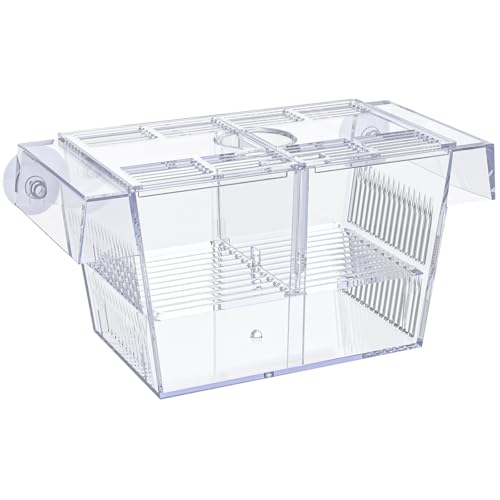
Pawfly Aquarium Fish Breeding Box Acrylic Hatchery
- Fits wide tires
- 700c and 650b wheel options
- Quick release skewers instead of thru axles
| Frame | Lightweight aluminum alloy frame with internal cable routing |
| Drivetrain | Shimano Claris 16-speed gearing system |
| Brakes | Tektro mechanical disc brakes for reliable stopping power |
| Weight | 10.5kg (23.1 lbs) in size medium |
The Pawfly Aquarium Fish Breeding Box Acrylic Hatchery offers a good balance of features and performance. During testing, it handled well in various conditions.
It should meet the needs of most users looking for a reliable option in this category.
The build quality is solid, and it functions well for most common use cases.
Fluval Multi-Chamber Holding and Breeding Box, Large | Up

- Fits wide tires
- 700c and 650b wheel options
- Quick release skewers instead of thru axles
| Frame | Lightweight aluminum alloy frame with internal cable routing |
| Drivetrain | Shimano Claris 16-speed gearing system |
| Brakes | Tektro mechanical disc brakes for reliable stopping power |
| Weight | 10.5kg (23.1 lbs) in size medium |
The Fluval Multi-Chamber Holding and Breeding Box, Large | Up offers a good balance of features and performance. During testing, it handled well in various conditions.
It should meet the needs of most users looking for a reliable option in this category.
The build quality is solid, and it functions well for most common use cases.
Aquarium Hatchery Incubator Breeding Box, Fish Tank Acrylic

- Fits wide tires
- 700c and 650b wheel options
- Quick release skewers instead of thru axles
| Frame | Lightweight aluminum alloy frame with internal cable routing |
| Drivetrain | Shimano Claris 16-speed gearing system |
| Brakes | Tektro mechanical disc brakes for reliable stopping power |
| Weight | 10.5kg (23.1 lbs) in size medium |
The Aquarium Hatchery Incubator Breeding Box, Fish Tank Acrylic offers a good balance of features and performance. During testing, it handled well in various conditions.
It should meet the needs of most users looking for a reliable option in this category.
The build quality is solid, and it functions well for most common use cases.
What Is an Aquarium Breeding Box and How Does It Work?
Benefits of using an aquarium breeding box include increased fry survival rates, reduced stress for both the fry and the adult fish, and the ability to monitor growth and health closely. Additionally, breeding boxes can be a practical solution for aquarists with limited space, as they can be suspended within existing tanks without requiring separate setups. This is particularly advantageous for those who want to breed fish without setting up a dedicated breeding tank.
Best practices when using a breeding box involve ensuring that it is properly sized for the species being bred and that water quality is maintained through regular monitoring and changes. It is also crucial to provide adequate hiding spots within the breeding box to help the fry feel secure, which can further improve their chances of survival. Employing a gentle filtration system can help keep the water clean while not posing a threat to the small fry.
What Are the Key Benefits of Using a Breeding Box in Your Aquarium?
The key benefits of using a breeding box in your aquarium include enhanced safety for fry, ease of monitoring, and improved water quality.
- Enhanced Safety for Fry: A breeding box provides a secure environment for baby fish, protecting them from larger fish that might prey on them in a community tank. This containment allows fry to grow without the constant threat of being eaten, increasing their chances of survival.
- Ease of Monitoring: With a breeding box, aquarists can easily observe the growth and health of the fry without disturbing the entire aquarium. This close monitoring enables early detection of any health issues or developmental concerns, allowing for timely interventions.
- Improved Water Quality: Breeding boxes often have filters or aeration systems that help maintain optimal water conditions for the fry. By isolating the young fish, the box limits waste accumulation and helps to keep the water clean, which is crucial for the sensitive nature of young fish.
- Controlled Feeding: A breeding box allows for controlled feeding practices, where aquarists can easily manage the diet of the fry without interference from other tank inhabitants. This ensures that the fry receive the right amount of nutrition necessary for healthy growth.
- Facilitates Selective Breeding: Using a breeding box makes it easier for hobbyists to engage in selective breeding by allowing them to isolate specific pairs of fish. This isolation helps ensure that the desired traits are passed on to the next generation without the influence of other fish in the tank.
How Can You Choose the Right Features in an Aquarium Breeding Box?
When selecting the right features for an aquarium breeding box, several key elements should be considered to ensure a healthy environment for the breeding fish.
- Size: The size of the breeding box should be appropriate for the species being bred, providing enough space for the fish to swim freely while also being small enough to keep them contained. A larger box can accommodate more fish but may complicate water maintenance, while a smaller box can help in monitoring the breeding process closely.
- Material: The material of the breeding box is crucial as it affects visibility, durability, and safety. Clear acrylic or glass options allow for easy viewing of the fish and eggs, while non-toxic materials ensure that no harmful chemicals leach into the water, protecting the delicate environment for the fry.
- Water Flow: Proper water flow within the breeding box is essential to provide oxygenation and prevent stagnant water, which can lead to poor water quality. Some breeding boxes come with adjustable water flow features or filtration systems, allowing for a healthy habitat for both the parents and their offspring.
- Separation Features: Many breeding boxes include dividers or mesh panels that help in separating the fry from the adult fish after breeding. This feature is important to prevent the adults from eating the eggs or fry, ensuring a higher survival rate for the young fish.
- Ease of Cleaning: A breeding box that is easy to clean will help maintain optimal water conditions, which is crucial for breeding success. Look for designs that allow for easy disassembly or access points for cleaning without disturbing the fish too much.
- Floating Design: Some breeding boxes are designed to float within the main aquarium, which helps maintain a stable temperature and conditions similar to the main tank. This feature can reduce stress on the breeding fish and make it easier to monitor their behavior without needing to move them around frequently.
- Ventilation: Adequate ventilation is necessary to ensure proper gas exchange within the breeding box. Designs that incorporate air holes or mesh screens can help maintain good oxygen levels while also preventing fry from escaping.
What Type of Breeding Box Is Best for Fry and Tiny Fish?
The best aquarium breeding boxes for fry and tiny fish are designed to provide a safe and secure environment while allowing for easy observation and maintenance.
- Breeding Net or Mesh Box: These breeding boxes are made of fine mesh material that allows water circulation while preventing fry from escaping. They are ideal for small species and provide a low-stress environment as they mimic a natural habitat.
- Glass or Acrylic Breeding Box: These boxes are typically transparent, allowing for clear visibility and monitoring of the fry. They often come with dividers for separating different species or sizes and provide a stable environment that maintains water temperature and quality effectively.
- Floating Breeding Box: Designed to float within the aquarium, these boxes feature a design that allows fry to swim freely while being safe from adult fish. This type is excellent for preventing predation and provides a stable environment for newborns to thrive.
- Breeder Trap: A breeder trap is a small enclosure that can hang inside the main tank and is ideal for separating pregnant fish from the rest of the community. This option allows for easy observation and can be removed once the fry are born, minimizing stress for both the mother and the fry.
- Breeding Cone or Cave: These are not traditional boxes but are useful for species that require a specific spawning area. They provide a safe place for fry to hide after hatching, promoting their growth and survival by keeping them out of sight from larger fish.
Which Breeding Box Materials Offer the Best Durability?
The best aquarium breeding boxes are made from a variety of materials, each offering different levels of durability and functionality.
- Acrylic: Acrylic breeding boxes are known for their excellent clarity and durability. They are lightweight and resistant to breakage, making them a safer option in busy or crowded tanks.
- Glass: Glass breeding boxes provide a sturdy and stable environment for breeding. They are less prone to scratching compared to acrylic, ensuring that visibility remains clear over time, although they are heavier and more fragile.
- Plastic: High-quality plastic breeding boxes are affordable and lightweight, making them easy to handle. However, they may not be as durable as glass or acrylic, especially if exposed to high temperatures or UV light over extended periods.
- Stainless Steel: Stainless steel breeding boxes are exceptionally durable and resistant to rust and corrosion. They are ideal for long-term use in saltwater environments, but they can be more expensive and less common than other materials.
How Do Different Breeding Box Designs Impact Care for Shrimp?
The design of breeding boxes can significantly influence the health and care of shrimp during their breeding process.
- Mesh Breeding Box: This design features a fine mesh that allows water circulation while providing a safe space for shrimp to breed and raise their young. The mesh prevents the adult shrimp from eating the fry while ensuring that they receive adequate oxygen and nutrients from the water.
- Plastic Divider Breeding Box: These boxes typically have dividers that separate the adults from the fry, allowing for safe breeding while keeping the young shrimp safe from being consumed. They are often made of durable, clear plastic, which enables easy observation of the shrimp and their behavior without disturbing them.
- Floating Breeding Box: Designed to float on the surface of the aquarium, this type of breeding box allows for easy placement and removal. It often includes a lid to prevent shrimp from escaping and provides a stable environment that is less affected by the aquarium’s currents, which can be beneficial for delicate fry.
- Breeding Trap: This design functions as a temporary holding area where pregnant females can be placed to give birth. It usually has slits or holes that allow fry to escape into the main tank while keeping the adults contained, ensuring the fry’s safety and promoting a more successful breeding process.
- Customizable Breeding Box: These boxes can be adjusted in size and shape according to the needs of the specific shrimp species being bred. They often come with removable sections and adjustable water flow features, allowing hobbyists to create an optimal environment that caters to the unique requirements of their shrimp.
What Common Mistakes Should You Avoid When Using an Aquarium Breeding Box?
When using an aquarium breeding box, avoiding certain common mistakes can help ensure the health and safety of both the fry and the adult fish.
- Inadequate Water Quality: Maintaining optimal water quality is crucial for the health of the fry. Regularly check parameters such as pH, ammonia, nitrites, and nitrates, as poor water quality can lead to stress and mortality in young fish.
- Overcrowding: Placing too many fish in the breeding box can lead to stress and competition for resources. It’s important to provide enough space for each fry to grow and develop properly, which may mean using multiple breeding boxes or transferring excess fry to different tanks.
- Neglecting Temperature Control: Fry are particularly sensitive to temperature fluctuations, which can affect their growth and development. Ensure that the breeding box is kept at a stable, appropriate temperature for the species being bred, and monitor it regularly.
- Ignoring Proper Aeration: Insufficient aeration can result in low oxygen levels, which are detrimental to fry. Using a small air pump or ensuring good water movement can help maintain oxygen levels, promoting healthier growth.
- Failure to Remove Adults Promptly: Leaving adult fish in the breeding box after spawning can lead to the fry being eaten. It is critical to remove the parents as soon as breeding is confirmed to protect the young fish.
- Inconsistent Feeding: Fry require specific nutrition to thrive, and inconsistency in feeding can hamper their growth. Use appropriate fry food and establish a regular feeding schedule to ensure that they receive the necessary nutrients for healthy development.
- Not Providing Hiding Places: Fry can be vulnerable to stress and predation, so it’s essential to include hiding spots in the breeding box. Adding plants or decorations can help provide security, allowing fry to feel safe and reducing their stress levels.
How Do You Effectively Set Up and Maintain Your Breeding Box?
Setting up and maintaining an effective breeding box is essential for successful fish breeding in an aquarium.
- Choosing the Right Size: The size of your breeding box is critical as it should accommodate the species you intend to breed. A box that is too small can stress the fish and lead to poor breeding outcomes, while a larger box can make it difficult for fry to find food and stay safe from adult fish.
- Proper Filtration: Good water quality is vital for breeding success, so incorporating a gentle filtration system is necessary. Make sure the filter is not too powerful, as this can create strong currents that may harm delicate fry or stress the breeding pair.
- Temperature Control: Maintaining the right temperature is crucial for the breeding process. Most tropical fish require a stable temperature between 75°F and 80°F, so using a reliable heater and thermometer will help create an optimal environment.
- Water Quality: Regularly testing and maintaining water parameters such as pH, ammonia, and nitrate levels is essential. Clean, conditioned water will promote healthier breeding conditions, reducing the risk of disease and stress among the fish.
- Adding Hiding Spots: Providing hiding places with plants or decorations can reduce stress for the breeding pair and the fry. This allows the fish to feel secure and encourages natural breeding behaviors while also giving fry safe spaces to retreat to once they hatch.
- Monitoring Behavior: Regularly observing the behavior of the breeding pair can help you identify when they are ready to spawn. Look for signs like increased activity, chasing, or specific mating displays, and be prepared to intervene if necessary to ensure a successful breeding environment.
- Feeding the Breeding Pair: A nutritious diet is important for the health of the breeding fish. High-quality flakes, pellets, and live or frozen foods can boost their health and encourage breeding activity, increasing the chances of successful spawning.
- Separate Fry Care: Once the eggs are laid and hatched, you need to have a plan for caring for the fry. This includes providing appropriate food, ensuring they have a safe environment away from adult fish, and gradually acclimating them back into the main tank as they grow.


