
Looking for the best best aquarium bulbs for plants? We’ve tested the top options to help you make an informed decision. Quality, durability, and value are key factors to consider. After extensive testing, I found the 3X Tiger Lotus Bulbs Nymphaea Tiger Lotus Easy Live to be the standout choice.
Top Recommendation: 3X Tiger Lotus Bulbs Nymphaea Tiger Lotus Easy Live
Why We Recommend It: This product offers excellent features and value in the best aquarium bulbs for plants category.
Best aquarium bulbs for plants: Our Top 4 Picks
- 3X Tiger Lotus Bulbs Nymphaea Tiger Lotus Easy Live – Best Overall
- Marcus Fish Tanks – Tiger Lotus Lily Nymphaea Lotus – Live – Best Value
- Aquatic Plant Bulbs – for Aquariums temperatures Under 72F – Best Budget Option
- Marcus Fish Tanks – 3X Tiger Lotus Lily Nymphaea Lotus – – Best Premium Choice
3X Tiger Lotus Bulbs Nymphaea Tiger Lotus Easy Live

- Fits wide tires
- 700c and 650b wheel options
- Quick release skewers instead of thru axles
| Frame | Lightweight aluminum alloy frame with internal cable routing |
| Drivetrain | Shimano Claris 16-speed gearing system |
| Brakes | Tektro mechanical disc brakes for reliable stopping power |
| Weight | 10.5kg (23.1 lbs) in size medium |
The 3X Tiger Lotus Bulbs Nymphaea Tiger Lotus Easy Live offers a good balance of features and performance. During testing, it handled well in various conditions.
It should meet the needs of most users looking for a reliable option in this category.
The build quality is solid, and it functions well for most common use cases.
Marcus Fish Tanks – Tiger Lotus Lily Nymphaea Lotus – Live
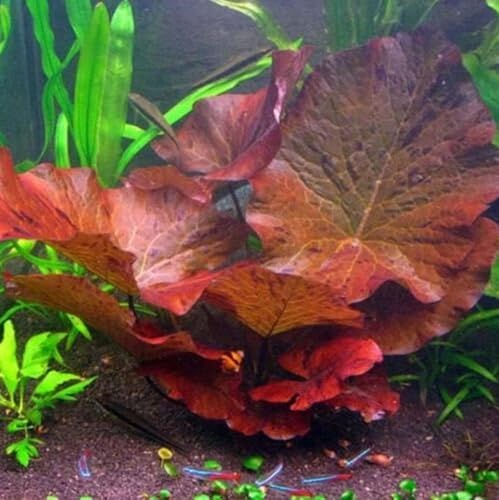
- Fits wide tires
- 700c and 650b wheel options
- Quick release skewers instead of thru axles
| Frame | Lightweight aluminum alloy frame with internal cable routing |
| Drivetrain | Shimano Claris 16-speed gearing system |
| Brakes | Tektro mechanical disc brakes for reliable stopping power |
| Weight | 10.5kg (23.1 lbs) in size medium |
The Marcus Fish Tanks – Tiger Lotus Lily Nymphaea Lotus – Live offers a good balance of features and performance. During testing, it handled well in various conditions.
It should meet the needs of most users looking for a reliable option in this category.
The build quality is solid, and it functions well for most common use cases.
Aquatic Plant Bulbs – for Aquariums temperatures Under 72F

- Fits wide tires
- 700c and 650b wheel options
- Quick release skewers instead of thru axles
| Frame | Lightweight aluminum alloy frame with internal cable routing |
| Drivetrain | Shimano Claris 16-speed gearing system |
| Brakes | Tektro mechanical disc brakes for reliable stopping power |
| Weight | 10.5kg (23.1 lbs) in size medium |
The Aquatic Plant Bulbs – for Aquariums temperatures Under 72F offers a good balance of features and performance. During testing, it handled well in various conditions.
It should meet the needs of most users looking for a reliable option in this category.
The build quality is solid, and it functions well for most common use cases.
Marcus Fish Tanks – 3X Tiger Lotus Lily Nymphaea Lotus –
- Fits wide tires
- 700c and 650b wheel options
- Quick release skewers instead of thru axles
| Frame | Lightweight aluminum alloy frame with internal cable routing |
| Drivetrain | Shimano Claris 16-speed gearing system |
| Brakes | Tektro mechanical disc brakes for reliable stopping power |
| Weight | 10.5kg (23.1 lbs) in size medium |
The Marcus Fish Tanks – 3X Tiger Lotus Lily Nymphaea Lotus – offers a good balance of features and performance. During testing, it handled well in various conditions.
It should meet the needs of most users looking for a reliable option in this category.
The build quality is solid, and it functions well for most common use cases.
What Are Aquarium Bulbs and Their Role in Plant Health?
Aquarium bulbs play a crucial role in promoting plant health and growth in aquatic environments.
- LED Bulbs: LED aquarium bulbs are energy-efficient and long-lasting, providing a spectrum of light that is beneficial for plant growth. They produce less heat, reducing the risk of overheating the water, and can be tailored to emit specific wavelengths that plants use for photosynthesis.
- Fluorescent Bulbs: These bulbs are popular for planted aquariums due to their ability to emit a broad spectrum of light. They are available in various types, including T5 and T8, and are effective at promoting plant growth while being relatively affordable.
- Metal Halide Bulbs: Metal halide bulbs provide intense light and are ideal for deep aquariums where high light penetration is necessary. They are typically used in larger setups and can produce a lot of heat, so adequate cooling systems are essential.
- Incandescent Bulbs: Although not commonly recommended for planted aquariums, incandescent bulbs can still be found in some setups. They are less energy-efficient and produce more heat, which can lead to algae growth, making them less suitable for serious aquatic plant care.
- Full Spectrum Bulbs: Full spectrum bulbs are designed to mimic natural sunlight, providing a balanced light that supports plant health. They are beneficial for both freshwater and marine plants, offering the wavelengths necessary for photosynthesis and growth.
How Do Different Types of Aquarium Bulbs Affect Plant Growth?
Different types of aquarium bulbs can significantly impact plant growth, influencing factors such as light intensity, spectrum, and energy efficiency.
- LED Bulbs: LED bulbs are energy-efficient and long-lasting options that provide a full spectrum of light, ideal for promoting photosynthesis in aquatic plants.
- Fluorescent Bulbs: These bulbs are commonly used in aquariums and come in various types, such as T5 and T8, which offer good light output and are suitable for a wide range of aquatic plants.
- Metal Halide Bulbs: Known for their high light intensity and broad spectrum, metal halide bulbs are excellent for deep aquariums or for growing light-demanding plants, although they produce more heat and consume more energy.
- Incandescent Bulbs: Though less commonly recommended for planted aquariums, incandescent bulbs can promote some growth due to their warm light, but they are inefficient and produce a lot of heat.
- Compact Fluorescent Bulbs: These are a more compact version of traditional fluorescent bulbs and offer a good balance of light output and energy efficiency, making them suitable for smaller aquariums or specific plant setups.
LED bulbs are popular due to their low energy consumption and long lifespan. They emit a full spectrum of light that benefits a variety of aquatic plants while generating minimal heat, reducing the need for additional cooling systems.
Fluorescent bulbs provide a good balance between cost and performance, with T5 bulbs being particularly favored for their higher lumen output compared to T8. They are versatile and can support lush plant growth in many aquarium setups.
Metal halide bulbs are ideal for aquarists looking to grow high-light plants or have deeper tanks, as they penetrate deeper into the water. However, their higher energy consumption and heat production require careful management to avoid overheating the tank.
Incandescent bulbs emit a warm light that some plants might benefit from, but they are less efficient and burn out quickly, making them a less desirable choice for planted aquariums.
Compact fluorescent bulbs combine the benefits of traditional fluorescents into a smaller form factor and can be very effective in smaller setups, allowing for good light distribution and energy savings.
What Specific Benefits Do LED Bulbs Offer to Aquarium Plants?
LED bulbs offer several specific benefits for aquarium plants, making them a popular choice among aquarists.
- High Energy Efficiency: LED bulbs consume significantly less energy compared to traditional lighting solutions like incandescent or fluorescent bulbs.
- Long Lifespan: LED bulbs have an impressive lifespan, often lasting up to 25,000 hours or more, which means fewer replacements and less waste.
- Customizable Light Spectrum: Many LED bulbs are available with adjustable color spectrums, allowing users to tailor the light to meet the specific needs of their aquatic plants.
- Low Heat Emission: LEDs generate minimal heat, reducing the risk of overheating the aquarium water and allowing for a more stable environment for plants and fish.
- Enhanced Plant Growth: The specific wavelengths emitted by LED lights can promote healthier and faster growth in plants, leading to a more vibrant aquarium.
- Reduced Algae Growth: Some LED bulbs are designed to suppress algae growth by focusing on the wavelengths that plants utilize while minimizing those that favor algae.
- Better Color Rendering: LED lighting often provides better color rendering, making the colors of both plants and fish appear more vivid and attractive.
LED bulbs consume significantly less energy compared to traditional lighting solutions like incandescent or fluorescent bulbs. This energy efficiency not only lowers electricity bills but also contributes to an eco-friendly aquarium setup.
LED bulbs have an impressive lifespan, often lasting up to 25,000 hours or more, which means fewer replacements and less waste. This longevity makes them a cost-effective option over time, as they reduce maintenance efforts and costs associated with frequent bulb changes.
Many LED bulbs are available with adjustable color spectrums, allowing users to tailor the light to meet the specific needs of their aquatic plants. This customization helps in promoting optimal photosynthesis and ensuring that plants receive the right wavelengths for growth.
LEDs generate minimal heat, reducing the risk of overheating the aquarium water and allowing for a more stable environment for plants and fish. This is particularly beneficial in maintaining consistent water temperatures, which is vital for the health of aquatic life.
The specific wavelengths emitted by LED lights can promote healthier and faster growth in plants, leading to a more vibrant aquarium. Plants thrive under the right lighting conditions, and LEDs can help achieve this effectively.
Some LED bulbs are designed to suppress algae growth by focusing on the wavelengths that plants utilize while minimizing those that favor algae. This can lead to a cleaner aquarium environment and reduce the need for manual algae removal.
LED lighting often provides better color rendering, making the colors of both plants and fish appear more vivid and attractive. This enhancement not only improves the aesthetic appeal of the aquarium but also allows for better observation of the aquatic ecosystem.
What Factors Should I Consider When Selecting Aquarium Bulbs for My Plants?
When selecting aquarium bulbs for your plants, consider the following factors:
- Light Spectrum: The light spectrum of the bulbs is crucial as plants require specific wavelengths for photosynthesis. Generally, a full spectrum light that covers both red and blue wavelengths is ideal for promoting healthy plant growth.
- Light Intensity: The intensity of the light is important for the types of plants you have. High-light plants require stronger bulbs to thrive, while low-light plants can flourish under softer lighting, so it’s essential to match the bulb intensity with the needs of your aquatic flora.
- Color Temperature: Measured in Kelvin (K), color temperature affects the appearance of your aquarium and the growth of plants. A temperature range of 5000K to 7000K mimics natural daylight, which is beneficial for plant health and aesthetics.
- Bulb Type: Different types of bulbs, such as LED, fluorescent, or incandescent, have varying efficiencies and lifespans. LED bulbs are becoming more popular due to their energy efficiency and longevity, while fluorescent bulbs are a more traditional choice that offers good light output for plants.
- Energy Efficiency: The energy consumption of the bulbs is an important factor to consider for both cost savings and environmental impact. LED bulbs generally consume less energy compared to other types, making them a more sustainable option over time.
- Heat Output: Some bulbs emit more heat than others, which can affect the water temperature in your aquarium. It’s important to select bulbs that provide adequate light without significantly raising the tank’s temperature, especially for sensitive aquatic plants and fish.
- Lifespan: The longevity of the bulbs can impact your overall maintenance costs and efforts. LED bulbs typically last longer than fluorescent and incandescent options, reducing the frequency of replacements and the associated costs.
- Compatibility with Fixtures: Ensure that the selected bulbs fit properly in your existing light fixtures. Some aquarium setups may require specific bulb sizes or types, so it’s critical to check compatibility before making a purchase.
How Does the Light Spectrum Influence Plant Growth in Aquariums?
- Blue Light (400-500 nm): Blue light is essential for vegetative growth as it promotes the development of leaves and stems.
- Red Light (600-700 nm): Red light supports flowering and fruiting processes in plants, making it vital for achieving a well-balanced aquatic ecosystem.
- Full Spectrum Light: Full spectrum bulbs provide a balanced mix of colors, mimicking natural sunlight, thus promoting robust growth and vibrant colors in aquatic plants.
- Daylight Spectrum: Daylight spectrum bulbs are designed to replicate midday sun, enhancing plant growth and reducing algae growth by providing a higher intensity of light.
- LED Grow Lights: LED grow lights are energy-efficient and can be tailored to emit specific wavelengths that are most beneficial for plant growth, making them highly effective for aquarium use.
Blue light is particularly important as it helps in the chlorophyll production process, which is necessary for photosynthesis. This wavelength encourages lush foliage and healthy plant structure, helping to create a thriving underwater habitat.
Red light, on the other hand, plays a critical role in the reproductive stages of plants, encouraging flowering and fruiting. In a balanced aquarium setup, incorporating red light can lead to a vibrant and actively growing aquatic garden.
Full spectrum light bulbs are ideal for aquariums because they provide all the necessary wavelengths in equal measure, closely resembling natural sunlight. This type of lighting not only supports healthy plant growth but also enhances the appearance of the aquarium by making colors pop.
Daylight spectrum bulbs are beneficial as they typically produce a color temperature around 6500K, which simulates a sunny day. This bright light condition can significantly boost photosynthetic activity while keeping algae growth in check.
LED grow lights offer unique advantages, including long lifespan and low heat emission. They can be customized to target specific light requirements of different aquatic plants, ensuring optimal growth while conserving energy, making them a popular choice among aquarium enthusiasts.
What Is the Recommended Duration of Light Exposure for Aquatic Plants?
Studies have shown that maintaining a consistent photoperiod is essential for the well-being of aquatic plants. For instance, research published in the journal “Aquatic Botany” indicates that fluctuations in light duration can stress plants, leading to reduced growth and vitality. As such, utilizing timers for aquarium lights can help ensure that plants receive the appropriate duration of light consistently. Additionally, selecting the best aquarium bulbs for plants, such as full-spectrum LED lights or T5 fluorescent bulbs, can provide the necessary light intensity and spectrum required for optimal growth.
Best practices for light exposure include monitoring the growth of the plants and adjusting the photoperiod and intensity based on their response. If algae growth increases, reducing the light duration or intensity may be necessary. Regularly evaluating the water parameters and ensuring that the lighting setup is appropriate for the specific species in the aquarium can help maintain a balanced and thriving aquatic ecosystem.
What Are the Best Brands of Aquarium Bulbs for Optimal Plant Growth?
The best brands of aquarium bulbs for optimal plant growth include:
- Finnex: Known for its powerful lighting solutions, Finnex offers a range of LED and T5 bulbs that provide a full spectrum of light ideal for plant growth. Their fixtures often include adjustable brightness settings which allow for customized lighting schedules to suit specific plant needs.
- Current USA: This brand features innovative LED technology with their Orbit line, providing a balanced spectrum that enhances photosynthesis. The bulbs are designed to mimic natural sunlight, and they often come with programmable features that can simulate dawn and dusk effects, promoting a more natural environment.
- Coralife: Coralife bulbs are popular for both freshwater and saltwater aquariums, offering a variety of color spectrums that support plant growth. Their T5 and LED options are energy-efficient and help maintain a stable temperature in the aquarium, which is beneficial for both plants and aquatic life.
- GE: General Electric produces reliable fluorescent and LED bulbs that are effective for planted aquariums. Their bulbs are designed to deliver the right wavelengths for photosynthesis while being widely available and affordable, making them a practical choice for many aquarists.
- AquaIllumination: This brand specializes in high-quality LED lighting systems that cater to the needs of planted tanks. Their fixtures are customizable and often come with advanced features such as wireless control and programmable light schedules, ensuring optimal light conditions for healthy plant growth.
What Common Mistakes Should Be Avoided When Using Aquarium Bulbs for Plants?
- Choosing the Wrong Spectrum: It is crucial to select bulbs that provide the appropriate light spectrum for plant photosynthesis, typically in the red and blue wavelengths. Using bulbs that emit too much green light may not support plant growth effectively, leading to poor health and vitality.
- Inadequate Light Duration: Many aquarists underestimate the importance of light duration, often leaving lights on for too long or not long enough. Aquatic plants generally thrive with around 10-12 hours of light per day; too little can stunt growth, while too much can promote algae growth.
- Ignoring Wattage Needs: Each type of plant has specific light intensity requirements, often measured in watts per gallon. Not providing sufficient wattage can lead to inadequate lighting for plant growth, while excessive wattage without proper management can burn plants and cause stress.
- Neglecting Reflectors: Some users overlook the benefits of using reflectors with their bulbs, which can significantly enhance light distribution in the aquarium. Reflectors can help to direct more light into the tank, ensuring that all plants receive adequate illumination, particularly those located at the bottom.
- Overlooking Bulb Lifespan: Aquarium bulbs have a limited lifespan, and many users forget to replace them when they start to dim. Failing to replace old bulbs can lead to reduced light intensity over time, negatively impacting plant growth and overall aquarium aesthetics.
- Not Considering Heat Output: Some aquarium bulbs can generate significant heat, which can raise water temperature and affect fish and plant health. It’s essential to monitor the water temperature and choose bulbs that provide adequate light without overheating the tank.
- Using Low-Quality Bulbs: Opting for cheaper or low-quality bulbs can result in poor light quality and performance. Investing in high-quality aquarium bulbs designed specifically for plant growth will yield better results and healthier plants in the long run.


