
Looking for the best best aquarium calcium supplement? We’ve tested the top options to help you make an informed decision. Quality, durability, and value are key factors to consider. After extensive testing, I found the Brightwell Aquatics Calcion Calcium Supplement for Reef to be the standout choice.
Top Recommendation: Brightwell Aquatics Calcion Calcium Supplement for Reef
Why We Recommend It: This product offers excellent features and value in the best aquarium calcium supplement category.
Best aquarium calcium supplement: Our Top 5 Picks
- Brightwell Aquatics Calcion Calcium Supplement for Reef – Best Overall
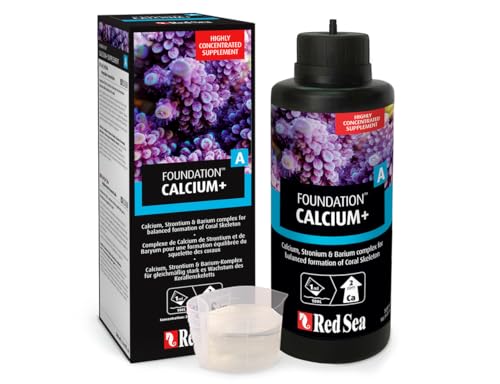
- Red Sea Reef Foundation A Supplement, 1000ml – Calcium & – Best Value
- Crystalpro Calcium Plus – Highly Concentrated Liquid – Best Budget Option
- Brightwell Aquatics Reef Code A Calcium Supplement for Reef – Best Premium Choice
- ESV B-Ionic Calcium Buffer System, 2-part Calcium and – Best for Beginners
Brightwell Aquatics Calcion Calcium Supplement for Reef

- Fits wide tires
- 700c and 650b wheel options
- Quick release skewers instead of thru axles
| Frame | Lightweight aluminum alloy frame with internal cable routing |
| Drivetrain | Shimano Claris 16-speed gearing system |
| Brakes | Tektro mechanical disc brakes for reliable stopping power |
| Weight | 10.5kg (23.1 lbs) in size medium |
The Brightwell Aquatics Calcion Calcium Supplement for Reef offers a good balance of features and performance. During testing, it handled well in various conditions.
It should meet the needs of most users looking for a reliable option in this category.
The build quality is solid, and it functions well for most common use cases.
Red Sea Reef Foundation A Supplement, 1000ml – Calcium &
- Fits wide tires
- 700c and 650b wheel options
- Quick release skewers instead of thru axles
| Frame | Lightweight aluminum alloy frame with internal cable routing |
| Drivetrain | Shimano Claris 16-speed gearing system |
| Brakes | Tektro mechanical disc brakes for reliable stopping power |
| Weight | 10.5kg (23.1 lbs) in size medium |
The Red Sea Reef Foundation A Supplement, 1000ml – Calcium & offers a good balance of features and performance. During testing, it handled well in various conditions.
It should meet the needs of most users looking for a reliable option in this category.
The build quality is solid, and it functions well for most common use cases.
Crystalpro Calcium Plus – Highly Concentrated Liquid

- Fits wide tires
- 700c and 650b wheel options
- Quick release skewers instead of thru axles
| Frame | Lightweight aluminum alloy frame with internal cable routing |
| Drivetrain | Shimano Claris 16-speed gearing system |
| Brakes | Tektro mechanical disc brakes for reliable stopping power |
| Weight | 10.5kg (23.1 lbs) in size medium |
The Crystalpro Calcium Plus – Highly Concentrated Liquid offers a good balance of features and performance. During testing, it handled well in various conditions.
It should meet the needs of most users looking for a reliable option in this category.
The build quality is solid, and it functions well for most common use cases.
Brightwell Aquatics Reef Code A Calcium Supplement for Reef

- Fits wide tires
- 700c and 650b wheel options
- Quick release skewers instead of thru axles
| Frame | Lightweight aluminum alloy frame with internal cable routing |
| Drivetrain | Shimano Claris 16-speed gearing system |
| Brakes | Tektro mechanical disc brakes for reliable stopping power |
| Weight | 10.5kg (23.1 lbs) in size medium |
The Brightwell Aquatics Reef Code A Calcium Supplement for Reef offers a good balance of features and performance. During testing, it handled well in various conditions.
It should meet the needs of most users looking for a reliable option in this category.
The build quality is solid, and it functions well for most common use cases.
ESV B-Ionic Calcium Buffer System, 2-part Calcium and

- Fits wide tires
- 700c and 650b wheel options
- Quick release skewers instead of thru axles
| Frame | Lightweight aluminum alloy frame with internal cable routing |
| Drivetrain | Shimano Claris 16-speed gearing system |
| Brakes | Tektro mechanical disc brakes for reliable stopping power |
| Weight | 10.5kg (23.1 lbs) in size medium |
The ESV B-Ionic Calcium Buffer System, 2-part Calcium and offers a good balance of features and performance. During testing, it handled well in various conditions.
It should meet the needs of most users looking for a reliable option in this category.
The build quality is solid, and it functions well for most common use cases.
What Is Calcium and Why Is It Essential for Aquariums?
To ensure that calcium levels are optimal, aquarium owners should consider using high-quality calcium supplements, such as calcium chloride or calcium carbonate, which are commonly recommended for maintaining adequate levels in both reef tanks and fish-only systems. Regular testing of water parameters is also crucial, as this allows aquarists to adjust their supplementation strategies effectively. Best practices involve gradual adjustments to avoid shocking the system, along with maintaining a consistent routine of monitoring and supplementation to create a stable aquatic environment.
What Types of Calcium Supplements Are Available for Aquariums?
There are several types of calcium supplements available for aquariums, each with unique properties and uses.
- Calcium Carbonate: A widely used calcium supplement that is often found in powdered or granular form. It dissolves slowly in water, making it suitable for maintaining stable calcium levels in reef aquariums, especially when combined with a calcium reactor.
- Calcium Chloride: This is a highly soluble calcium supplement that dissolves quickly in water, making it ideal for immediate calcium boosts. It is often used in liquid form for rapid dosing, particularly in systems where quick adjustments are necessary.
- Liquid Calcium Supplements: These products are pre-mixed solutions that provide a readily available source of calcium. They are convenient for aquarists who prefer easy dosing and can be added directly to the water without the need for any mixing or preparation.
- Calcium Hydroxide (Kalkwasser): A powerful calcium supplement that, when mixed with water, forms a saturated solution of calcium hydroxide. It not only adds calcium but also raises pH levels, making it beneficial for maintaining both calcium and alkalinity in reef tanks.
- Coral Calcium: This supplement is derived from fossilized coral and contains both calcium and trace minerals beneficial for coral growth. It is a natural alternative that not only supports calcium levels but also contributes to overall aquarium health.
- Bone Meal: A less common option, bone meal is an organic source of calcium that can also provide phosphorous. While it is primarily used in freshwater setups, it can be less effective in marine environments due to its slow release and potential for water quality issues.
How Does Calcium Chloride Work in Aquariums?
Calcium chloride is a popular choice for maintaining calcium levels in aquariums, particularly for reef systems and marine environments.
- Calcium Source: Calcium chloride provides a readily available source of calcium, which is essential for the growth and health of corals, invertebrates, and certain fish species.
- pH Stability: It helps maintain stable pH levels in the aquarium, as it dissolves quickly and does not significantly alter acidity.
- Ease of Use: Calcium chloride is easy to dose and can be added directly to the water or mixed in a supplement solution for more controlled applications.
- Cost-Effectiveness: Compared to other calcium supplements, calcium chloride is relatively inexpensive, making it a budget-friendly option for aquarium enthusiasts.
- Rapid Dissolution: This compound dissolves quickly in water, which allows for immediate availability of calcium ions to aquatic organisms.
Calcium chloride provides a readily available source of calcium, which is essential for the growth and health of corals, invertebrates, and certain fish species. Calcium is crucial for forming the skeletal structures of corals and ensuring proper biological functions in marine life.
It helps maintain stable pH levels in the aquarium, as it dissolves quickly and does not significantly alter acidity. This stability is important in creating a suitable environment for sensitive aquatic species.
Calcium chloride is easy to dose and can be added directly to the water or mixed in a supplement solution for more controlled applications. This versatility allows aquarium keepers to maintain optimal calcium levels without much hassle.
Compared to other calcium supplements, calcium chloride is relatively inexpensive, making it a budget-friendly option for aquarium enthusiasts. Its cost-effectiveness allows hobbyists to maintain adequate calcium levels without overspending.
This compound dissolves quickly in water, which allows for immediate availability of calcium ions to aquatic organisms. The rapid dissolution ensures that the calcium is promptly accessible for biological processes in the aquarium ecosystem.
What Are the Benefits of Calcium Carbonate for Your Aquarium?
Calcium carbonate is a widely used supplement in aquariums, particularly for reef tanks, due to its numerous benefits for aquatic life.
- Promotes Coral Growth: Calcium carbonate provides essential calcium, which is a critical building block for corals and other calcifying organisms. By supplementing with calcium carbonate, you help ensure that your corals can grow and thrive, maintaining the health of your entire aquarium ecosystem.
- Maintains pH Stability: Calcium carbonate acts as a buffer, helping to stabilize the pH levels in your aquarium. This stability is crucial, as drastic changes in pH can stress or harm aquatic life, particularly sensitive species like corals and certain fish.
- Supports Overall Water Chemistry: The addition of calcium carbonate can enhance the overall water chemistry, making it more conducive to the health of various marine organisms. The presence of calcium ions helps in regulating other important parameters, such as alkalinity and hardness, contributing to a balanced environment.
- Enhances Biological Filtration: Calcium carbonate can positively influence the biological filtration process in aquariums. By providing a source of calcium for beneficial bacteria, it helps support their growth, which is essential for breaking down harmful compounds like ammonia and nitrite.
- Easy to Use: Calcium carbonate is available in various forms, including powders and pellets, making it easy to integrate into your routine aquarium maintenance. This versatility allows aquarists to choose the method that best suits their specific setup and needs.
How Should You Choose the Right Calcium Supplement for Your Aquarium?
Brand reputation can guide your choice, as well-established brands often have a history of quality and effective products. Reading reviews from other aquarists can provide insight into the effectiveness and reliability of different calcium supplements.
Lastly, consider cost-effectiveness, especially in larger aquariums where small differences in price can add up. Opt for a product that provides a good balance of quality and affordability to ensure the long-term health of your aquarium ecosystem.
What Factors Should You Consider Based on Your Aquarium’s Specific Needs?
When selecting the best aquarium calcium supplement, various factors tailored to your aquarium’s specific needs must be considered:
- Type of Aquarium: The needs of a reef aquarium differ significantly from those of a freshwater aquarium, influencing the type of calcium supplement required.
- Species Requirements: Different aquatic species have varying calcium requirements; for example, corals and invertebrates in marine tanks often need higher calcium levels than freshwater fish.
- Existing Water Parameters: Assessing the current calcium levels and other water parameters is vital to avoid overdosing and to determine the appropriate supplement type and dosage.
- Supplement Form: Calcium supplements can come in various forms, such as liquid, powder, or calcium reactors, and the choice depends on your aquarium setup and maintenance routine.
- Ease of Use: Some supplements are easier to administer than others; consider your experience level and the time you can dedicate to monitoring and adjusting calcium levels.
- Cost and Availability: The price and accessibility of the supplement can affect your choice, so it’s beneficial to find a balance between quality and budget.
The type of aquarium you have will dictate the calcium levels needed for optimal health. For instance, reef aquariums, which house sensitive corals and invertebrates, require precise calcium levels, while freshwater tanks may not need additional supplementation at all.
Understanding the specific requirements of the species in your aquarium is crucial. For example, hard corals thrive with higher calcium levels, while freshwater fish typically require much lower concentrations, making the choice of supplement vital for their health.
Before choosing a calcium supplement, it’s important to test your existing water parameters. This will help you determine the current calcium levels and ensure that you select the right type and dosage to avoid any harmful fluctuations.
Calcium supplements are available in various forms, including liquids, powders, and integrated systems like calcium reactors. Each form has its advantages depending on your aquarium’s size, type, and the specific methods you prefer for maintaining water quality.
Consideration of ease of use is also essential, as some products require more frequent monitoring and adjustments than others. This factor is particularly important for beginners or aquarists with limited time for maintenance.
Finally, the cost and availability of the supplement should be factored into your decision. While it’s important to invest in quality products, finding a supplement that fits within your budget and is readily accessible can help maintain your aquarium without unnecessary stress.
What Are the Signs That Your Aquarium is Calcium Deficient?
- Coral Health Decline: When calcium levels are low, corals may show stunted growth or even begin to die. This is because corals rely on calcium to build their calcium carbonate structures, and insufficient levels hinder their ability to maintain and grow their skeletons.
- Increased Algae Growth: A deficiency in calcium can lead to an imbalance in the aquarium’s ecosystem, resulting in unwanted algae blooms. Algae thrive in environments where essential nutrients like calcium are lacking, thus creating competition for resources among other aquatic organisms.
- Weak or Brittle Shells in Invertebrates: Invertebrates, such as snails and crustaceans, may exhibit weak or thin shells when calcium is deficient. This is because they need calcium to fortify their shells, and without it, they become more vulnerable to environmental stressors and predation.
- Slow Growth Rates: Fish and invertebrates often show noticeably slower growth rates when calcium levels are insufficient. Calcium is crucial for various biological processes, and its absence can hinder the development of healthy tissue and skeletal structures.
- Behavioral Changes in Fish: Calcium deficiency may lead to stress in fish, manifesting as erratic swimming patterns or increased hiding. Stress can compromise their immune systems, making them more susceptible to diseases and infections.
- Reduced Reproductive Success: Low calcium levels can adversely affect the reproductive capabilities of marine organisms, particularly corals and some fish species. Insufficient calcium can lead to fewer eggs being produced or lower viability of the offspring, impacting population sustainability.
How Often Should You Use Calcium Supplements in Your Aquarium Routine?
Determining how often to use calcium supplements in your aquarium routine depends on several factors including the type of aquarium, inhabitants, and water parameters.
- Regular Testing: Regularly test the calcium levels in your aquarium water to determine the specific needs of your environment.
- Type of Aquarium: The frequency of calcium supplementation can vary significantly based on whether you have a freshwater, reef, or marine tank.
- Bioload and Growth Rate: Consider the bioload and growth rate of your aquatic life, as more demanding species may require more frequent supplementation.
- Supplement Type: Different calcium supplements have varying release rates, influencing how often they should be added.
- Water Changes: Regular water changes can dilute calcium levels, potentially necessitating more frequent supplementing.
Regular Testing: To maintain optimal calcium levels, it’s crucial to regularly test your aquarium water, ideally weekly or bi-weekly. This ensures you are aware of any fluctuations that might necessitate adjustments in your supplementation routine.
Type of Aquarium: Freshwater aquariums typically have lower calcium requirements compared to reef or marine tanks, where corals and invertebrates demand higher levels. Therefore, a reef aquarium might need weekly calcium additions, while a freshwater setup might only need monthly adjustments.
Bioload and Growth Rate: Aquariums with a high bioload or rapidly growing corals will consume calcium more quickly, requiring more frequent monitoring and supplementation. If you notice that your coral growth has slowed or your invertebrates are showing signs of stress, it may be time to increase your calcium supplement frequency.
Supplement Type: There are various forms of calcium supplements available, including liquids, powders, and additives. Each has its own absorption rates and effectiveness, which can affect how often you need to apply them; some may require daily dosing while others are more suitable for weekly applications.
Water Changes: Regular water changes are essential for maintaining water quality, but they can also lower the calcium concentration in the aquarium. If you perform frequent water changes, you may need to adjust your calcium supplementation schedule accordingly to keep levels consistent.
Related Post:

