
Looking for the best best aquarium cleaning fish? We’ve tested the top options to help you make an informed decision. Quality, durability, and value are key factors to consider. After extensive testing, I found the QZQ Aquarium Gravel Cleaner Vacuum Fish Tank Cleaner Tools to be the standout choice.
Top Recommendation: QZQ Aquarium Gravel Cleaner Vacuum Fish Tank Cleaner Tools
Why We Recommend It: This product offers excellent features and value in the best aquarium cleaning fish category.
Best aquarium cleaning fish: Our Top 5 Picks
- QZQ Aquarium Gravel Cleaner Vacuum Fish Tank Cleaner Tools – Best Overall
- Aqueon Aquarium Algae Scraper, Fish Tank Magnetic Glass – Best Value
- AQUANEAT Fish Tank Cleaning Tools, Aquarium Double Sided – Best Budget Option
- Laifoo 5ft-S Aquarium Siphon Vacuum Cleaner for Fish Tank | – Best Premium Choice
- DaToo Aquarium Mini Magnetic Scrubber Scraper Small Fish – Best for Beginners
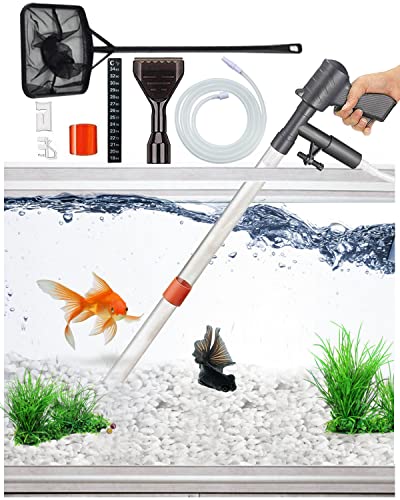
QZQ Aquarium Gravel Cleaner Vacuum Fish Tank Cleaner Tools
- Fits wide tires
- 700c and 650b wheel options
- Quick release skewers instead of thru axles
| Frame | Lightweight aluminum alloy frame with internal cable routing |
| Drivetrain | Shimano Claris 16-speed gearing system |
| Brakes | Tektro mechanical disc brakes for reliable stopping power |
| Weight | 10.5kg (23.1 lbs) in size medium |
The QZQ Aquarium Gravel Cleaner Vacuum Fish Tank Cleaner Tools offers a good balance of features and performance. During testing, it handled well in various conditions.
It should meet the needs of most users looking for a reliable option in this category.
The build quality is solid, and it functions well for most common use cases.
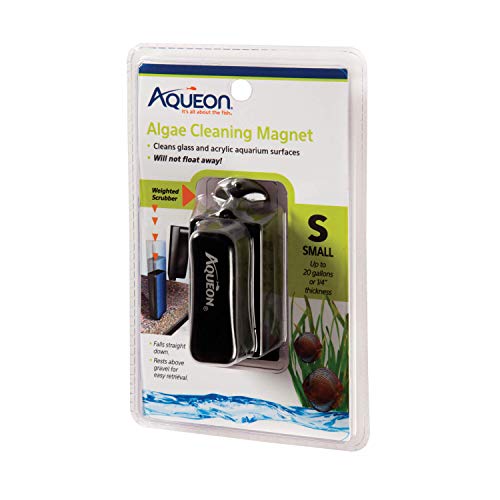
Aqueon Aquarium Algae Scraper, Fish Tank Magnetic Glass
- Fits wide tires
- 700c and 650b wheel options
- Quick release skewers instead of thru axles
| Frame | Lightweight aluminum alloy frame with internal cable routing |
| Drivetrain | Shimano Claris 16-speed gearing system |
| Brakes | Tektro mechanical disc brakes for reliable stopping power |
| Weight | 10.5kg (23.1 lbs) in size medium |
The Aqueon Aquarium Algae Scraper, Fish Tank Magnetic Glass offers a good balance of features and performance. During testing, it handled well in various conditions.
It should meet the needs of most users looking for a reliable option in this category.
The build quality is solid, and it functions well for most common use cases.
AQUANEAT Fish Tank Cleaning Tools, Aquarium Double Sided

- Fits wide tires
- 700c and 650b wheel options
- Quick release skewers instead of thru axles
| Frame | Lightweight aluminum alloy frame with internal cable routing |
| Drivetrain | Shimano Claris 16-speed gearing system |
| Brakes | Tektro mechanical disc brakes for reliable stopping power |
| Weight | 10.5kg (23.1 lbs) in size medium |
The AQUANEAT Fish Tank Cleaning Tools, Aquarium Double Sided offers a good balance of features and performance. During testing, it handled well in various conditions.
It should meet the needs of most users looking for a reliable option in this category.
The build quality is solid, and it functions well for most common use cases.
Laifoo 5ft-S Aquarium Siphon Vacuum Cleaner for Fish Tank |

- Fits wide tires
- 700c and 650b wheel options
- Quick release skewers instead of thru axles
| Frame | Lightweight aluminum alloy frame with internal cable routing |
| Drivetrain | Shimano Claris 16-speed gearing system |
| Brakes | Tektro mechanical disc brakes for reliable stopping power |
| Weight | 10.5kg (23.1 lbs) in size medium |
The Laifoo 5ft-S Aquarium Siphon Vacuum Cleaner for Fish Tank | offers a good balance of features and performance. During testing, it handled well in various conditions.
It should meet the needs of most users looking for a reliable option in this category.
The build quality is solid, and it functions well for most common use cases.
DaToo Aquarium Mini Magnetic Scrubber Scraper Small Fish

- Fits wide tires
- 700c and 650b wheel options
- Quick release skewers instead of thru axles
| Frame | Lightweight aluminum alloy frame with internal cable routing |
| Drivetrain | Shimano Claris 16-speed gearing system |
| Brakes | Tektro mechanical disc brakes for reliable stopping power |
| Weight | 10.5kg (23.1 lbs) in size medium |
The DaToo Aquarium Mini Magnetic Scrubber Scraper Small Fish offers a good balance of features and performance. During testing, it handled well in various conditions.
It should meet the needs of most users looking for a reliable option in this category.
The build quality is solid, and it functions well for most common use cases.
What are Aquarium Cleaning Fish and Why are They Important?
Aquarium cleaning fish play a crucial role in maintaining the health and cleanliness of aquatic environments by consuming algae, leftover food, and other debris. Here are some of the best aquarium cleaning fish:
- Otocinclus Catfish: These small, peaceful fish are excellent algae eaters and thrive in groups. They are particularly effective at cleaning soft algae from plant leaves and tank surfaces, contributing to a balanced aquarium ecosystem.
- Siamese Algae Eater: Known for their robust appetite for various types of algae, Siamese algae eaters can grow up to 6 inches and are best kept in larger tanks. They are beneficial in controlling algae blooms and can coexist with a variety of tank mates.
- Plecostomus: Often referred to as “plecos,” these fish are popular due to their size and algae-eating capabilities. They can grow quite large and require ample space, making them ideal for larger aquariums where they can effectively graze on algae and organic waste.
- Cherry Shrimp: Although not a fish, cherry shrimp are excellent scavengers that help keep the aquarium clean by consuming uneaten food and decaying plant material. They are colorful and add visual interest to the tank while being efficient cleaners.
- Neocaridina Shrimp: Another type of shrimp, Neocaridina are small, hardy, and capable of thriving in various water conditions. They are effective at controlling algae and detritus and are known for their playful behavior and ability to reproduce in captivity.
- Snails (e.g., Nerite Snails): While not fish, nerite snails are renowned for their ability to consume algae without harming live plants. They are low-maintenance and can be a great addition to community tanks, helping to keep surfaces clean and free from algae buildup.
Which Fish are the Most Effective Algae Eaters in an Aquarium?
Some of the best aquarium cleaning fish include:
- Otocinclus Catfish: These small, friendly fish are known for their algae-eating capabilities, particularly in planted tanks.
- Siamese Algae Eater: This fish is effective at consuming various types of algae, including hair algae, making it a popular choice among aquarists.
- Cherry Shrimp: Although not a fish, these shrimp are excellent at cleaning up algae and detritus, adding color and activity to the tank.
- Bristlenose Pleco: A larger algae-eating fish that thrives in various environments and is effective in managing algae growth.
- Neocaridina Shrimp: Similar to Cherry Shrimp, these freshwater shrimp help maintain a clean aquarium through their scavenging behavior.
Otocinclus Catfish are small, typically growing to about two inches, and they feed primarily on soft algae, making them well-suited for community tanks. They prefer to be in groups and require a well-planted environment to feel secure.
The Siamese Algae Eater can grow up to six inches and is noted for its voracious appetite for algae, including stubborn types like black beard algae. These fish are social and should be kept in groups, but they can become territorial as they mature.
Cherry Shrimp are popular among aquarists for their dual role as algae eaters and ornamental additions to the tank. They thrive in a well-planted aquarium with plenty of hiding spots and will consume leftover food and biofilm in addition to algae.
Bristlenose Plecos are robust fish that can reach up to five inches in length and are particularly good at grazing on tougher algae varieties. They require a hiding place and can be kept with most community fish, making them versatile for various tank setups.
Neocaridina Shrimp, similar in function to Cherry Shrimp, are effective scavengers that help control algae while also feeding on leftover fish food and organic debris. They are hardy and adapt well to various water conditions, making them ideal for beginners.
What Types of Fish Help Keep the Substrate Clean and Debris-Free?
The best aquarium cleaning fish play a crucial role in maintaining a clean and healthy aquatic environment by consuming algae, detritus, and uneaten food.
- Otocinclus Catfish: These small, peaceful fish are excellent algae eaters, particularly suited for planted tanks. They graze on algae and biofilm, helping to keep surfaces clean without disturbing the substrate.
- Siamese Algae Eater: Known for their voracious appetite for various types of algae, these fish can grow up to six inches and are suitable for larger tanks. They also engage in active foraging, which helps keep the substrate clear of debris.
- Bottom-Dwelling Catfish (e.g., Corydoras): These small catfish species scavenge the substrate for leftover food, effectively preventing the buildup of waste. Their constant movement helps aerate the substrate, promoting a healthier environment for beneficial bacteria.
- Cherry Shrimp: Although not a fish, these colorful invertebrates are popular for their algae-eating habits and scavenging behavior. They feed on biofilm and decaying plant matter, helping to keep the tank tidy and adding a splash of color to the aquarium.
- Plecostomus: Also known as “plecos,” these larger fish are famous for their ability to consume algae, particularly on tank surfaces and decorations. However, due to their size, they require ample space and can produce a significant amount of waste.
- Rainbow Shark: A semi-aggressive fish that can help control algae growth, the Rainbow Shark is known for its territorial behavior. They are best suited for larger tanks with ample hiding spots, where they can forage for leftover food and algae.
What Factors Should You Consider When Selecting Aquarium Cleaning Fish?
When selecting aquarium cleaning fish, several important factors should be considered to ensure a healthy and harmonious tank environment.
- Tank Size: The size of your aquarium significantly influences which cleaning fish are suitable. Larger fish typically require more swimming space, and overcrowding can lead to stress and aggression among species.
- Compatibility: It’s crucial to choose cleaning fish that will coexist peacefully with other tank inhabitants. Some species can be territorial or aggressive, making it essential to research their behavior and compatibility with existing fish.
- Dietary Needs: Different cleaning fish have varied dietary requirements. While some may primarily consume algae, others might need additional food sources like flakes or pellets to thrive and maintain health.
- Water Parameters: Each species of cleaning fish has specific water requirements, including pH, temperature, and hardness. Ensuring that these parameters align with those of your main fish will prevent stress and health issues.
- Growth Potential: Understanding the adult size of cleaning fish is vital, as some species can grow much larger than initially anticipated. Selecting fish that remain small will help maintain a balanced aquarium without overcrowding.
- Behavioral Traits: Some cleaning fish are more active cleaners than others. For example, certain species may not only consume algae but also engage in behaviors that help keep the tank clean, such as scavenging for leftover food.
- Availability and Cost: Consider the availability and price of the cleaning fish in your area. Some species may be rare or more costly, impacting your overall aquarium budget and planning.
How Can You Care for Your Aquarium Cleaning Fish to Ensure Their Health?
To ensure the health of your aquarium cleaning fish, it’s important to provide proper care and a suitable environment.
- Provide a Suitable Tank Size: Choose an appropriately sized tank depending on the species of cleaning fish you have. Many cleaning fish, like plecos or corydoras, require ample space to thrive, as overcrowded tanks can lead to stress and health issues.
- Maintain Water Quality: Regularly test and monitor the water parameters such as pH, ammonia, nitrite, and nitrate levels. Clean water is crucial for the health of cleaning fish, as poor water quality can lead to diseases and reduced lifespans.
- Offer a Balanced Diet: While cleaning fish help with algae control, they still need supplemental feeding. Providing a varied diet that includes high-quality pellets, vegetables, and algae wafers will ensure they receive essential nutrients.
- Ensure Proper Tank Mates: Select compatible tank mates to avoid aggression and stress. Some cleaning fish can be territorial, so it’s important to choose peaceful species that won’t compete aggressively for space and resources.
- Maintain Regular Maintenance: Perform regular water changes and clean the tank to keep the environment healthy. Routine maintenance helps reduce waste buildup and keeps the living conditions optimal for your cleaning fish.
- Monitor for Signs of Stress or Illness: Keep an eye on your cleaning fish for any signs of stress or disease, such as changes in behavior, appearance, or appetite. Early detection is key to preventing serious health issues, so prompt action is necessary if any problems arise.
What Common Misconceptions Are There About Aquarium Cleaning Fish?
Common misconceptions about aquarium cleaning fish often lead to misunderstanding their roles and needs in a tank environment.
- They can replace regular tank maintenance: Many people believe that having cleaning fish, such as plecos or shrimp, means they don’t have to perform regular water changes and cleaning. This is misleading, as cleaning fish primarily help with algae control and debris but cannot replace the essential task of cleaning the tank and maintaining water quality.
- All cleaning fish are effective at algae removal: While some fish are marketed as algae eaters, not all of them are equally effective. For example, some species might prefer certain types of algae while ignoring others, meaning that relying solely on them for algae control can lead to overgrowth if their diet doesn’t align with the algae present in the aquarium.
- Cleaning fish can thrive in any environment: There is a misconception that all cleaning fish are hardy and can adapt to any water conditions. In reality, each species has specific needs regarding water temperature, pH, and tank mates, and failing to provide a suitable environment can lead to stress and health issues.
- Cleaning fish do not require additional food: Some aquarium owners think that cleaning fish will thrive solely on algae and detritus found in the tank. However, many species need a varied diet that includes high-quality fish food or vegetable matter to ensure they receive all necessary nutrients for their health.
- They can cohabitate with any fish: It’s a common belief that cleaning fish can be added to any tank without concern for compatibility. However, some cleaning fish may exhibit territorial behavior or may be bullied by more aggressive fish, leading to stress or injury, which could ultimately compromise their health.
How Do You Maintain a Clean Aquarium Environment with Cleaning Fish?
Maintaining a clean aquarium environment can be greatly assisted by incorporating specific species of cleaning fish.
- Cleaner Wrasse: This small reef fish is known for its cleaning behavior, feeding on parasites and dead skin from larger fish. They set up “cleaning stations” where fish will line up to be cleaned, making them a natural choice for maintaining fish health in a community tank.
- Siamese Algae Eater: These fish are effective algae eaters, consuming various types of algae, including the troublesome black beard algae. They thrive in schools and can help keep the aquarium glass and decorations free of unsightly algae growth.
- Otocinclus Catfish: Often referred to as “Otos,” these small catfish are excellent at cleaning up soft algae and biofilm in the aquarium. They are peaceful and do well in community tanks, making them a popular choice for algae control.
- Goby Fish: Certain species of gobies, such as the Lawnmower Goby, are known for their algae-eating habits. They help maintain the substrate and rocks by grazing on algae, contributing to a cleaner environment.
- Rainbow Shark: Although not a traditional cleaning fish, the Rainbow Shark helps control algae growth by grazing on it. However, they can be territorial, so it’s best to keep them with other fish that aren’t overly aggressive.
- Snails (e.g., Nerite Snails): While not fish, Nerite snails are exceptional cleaners that consume algae and detritus without harming live plants. They are easy to care for and can thrive in a variety of water conditions.


