
Looking for the best best aquarium cooler? We’ve tested the top options to help you make an informed decision. Quality, durability, and value are key factors to consider. After extensive testing, I found the VEVOR Aquarium Chiller, 110 Gallon, 1/3 HP Water Chiller to be the standout choice.
Top Recommendation: VEVOR Aquarium Chiller, 110 Gallon, 1/3 HP Water Chiller
Why We Recommend It: This product offers excellent features and value in the best aquarium cooler category.
Best aquarium cooler: Our Top 5 Picks
- VEVOR Aquarium Chiller, 110 Gallon, 1/3 HP Water Chiller – Best Overall
- MLJHFC 42Gal Aquarium Chiller 1/10HP 160L Quiet Compressor – Best Value
- VEVOR Aquarium Chiller 52Gal 1/10HP Quiet Cooler Titanium – Best Budget Option
- VEVOR Aquarium Chiller 92Gal 1/4HP Quiet Cooler Titanium – Best Premium Choice
- VEVOR Aquarium Chiller, 500 Gallon, 1-1/2 HP Water Chiller – Best for Beginners
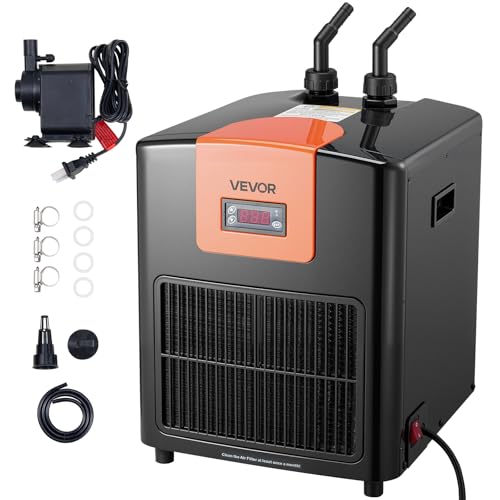
VEVOR Aquarium Chiller, 110 Gallon, 1/3 HP Water Chiller
- Fits wide tires
- 700c and 650b wheel options
- Quick release skewers instead of thru axles
| Frame | Lightweight aluminum alloy frame with internal cable routing |
| Drivetrain | Shimano Claris 16-speed gearing system |
| Brakes | Tektro mechanical disc brakes for reliable stopping power |
| Weight | 10.5kg (23.1 lbs) in size medium |
The VEVOR Aquarium Chiller, 110 Gallon, 1/3 HP Water Chiller offers a good balance of features and performance. During testing, it handled well in various conditions.
It should meet the needs of most users looking for a reliable option in this category.
The build quality is solid, and it functions well for most common use cases.
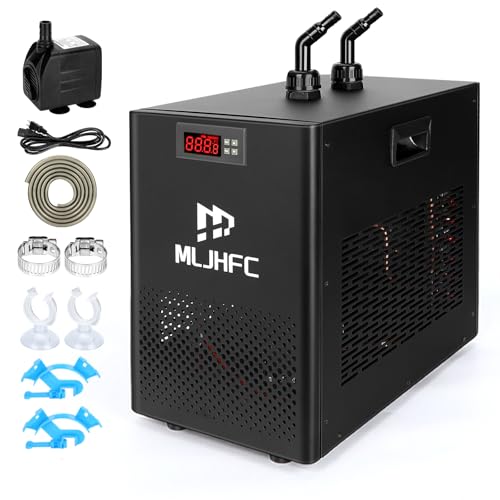
MLJHFC 42Gal Aquarium Chiller 1/10HP 160L Quiet Compressor
- Fits wide tires
- 700c and 650b wheel options
- Quick release skewers instead of thru axles
| Frame | Lightweight aluminum alloy frame with internal cable routing |
| Drivetrain | Shimano Claris 16-speed gearing system |
| Brakes | Tektro mechanical disc brakes for reliable stopping power |
| Weight | 10.5kg (23.1 lbs) in size medium |
The MLJHFC 42Gal Aquarium Chiller 1/10HP 160L Quiet Compressor offers a good balance of features and performance. During testing, it handled well in various conditions.
It should meet the needs of most users looking for a reliable option in this category.
The build quality is solid, and it functions well for most common use cases.
VEVOR Aquarium Chiller 52Gal 1/10HP Quiet Cooler Titanium

- Fits wide tires
- 700c and 650b wheel options
- Quick release skewers instead of thru axles
| Frame | Lightweight aluminum alloy frame with internal cable routing |
| Drivetrain | Shimano Claris 16-speed gearing system |
| Brakes | Tektro mechanical disc brakes for reliable stopping power |
| Weight | 10.5kg (23.1 lbs) in size medium |
The VEVOR Aquarium Chiller 52Gal 1/10HP Quiet Cooler Titanium offers a good balance of features and performance. During testing, it handled well in various conditions.
It should meet the needs of most users looking for a reliable option in this category.
The build quality is solid, and it functions well for most common use cases.
VEVOR Aquarium Chiller 92Gal 1/4HP Quiet Cooler Titanium

- Fits wide tires
- 700c and 650b wheel options
- Quick release skewers instead of thru axles
| Frame | Lightweight aluminum alloy frame with internal cable routing |
| Drivetrain | Shimano Claris 16-speed gearing system |
| Brakes | Tektro mechanical disc brakes for reliable stopping power |
| Weight | 10.5kg (23.1 lbs) in size medium |
The VEVOR Aquarium Chiller 92Gal 1/4HP Quiet Cooler Titanium offers a good balance of features and performance. During testing, it handled well in various conditions.
It should meet the needs of most users looking for a reliable option in this category.
The build quality is solid, and it functions well for most common use cases.
VEVOR Aquarium Chiller, 500 Gallon, 1-1/2 HP Water Chiller

- Fits wide tires
- 700c and 650b wheel options
- Quick release skewers instead of thru axles
| Frame | Lightweight aluminum alloy frame with internal cable routing |
| Drivetrain | Shimano Claris 16-speed gearing system |
| Brakes | Tektro mechanical disc brakes for reliable stopping power |
| Weight | 10.5kg (23.1 lbs) in size medium |
The VEVOR Aquarium Chiller, 500 Gallon, 1-1/2 HP Water Chiller offers a good balance of features and performance. During testing, it handled well in various conditions.
It should meet the needs of most users looking for a reliable option in this category.
The build quality is solid, and it functions well for most common use cases.
What Are the Key Features of the Best Aquarium Coolers?
The key features of the best aquarium coolers include efficiency, temperature control, quiet operation, ease of installation, and energy consumption.
- Efficiency: An efficient aquarium cooler effectively lowers the water temperature without excessive energy use. Coolers with high efficiency ratings can maintain optimal temperatures even in warmer conditions, ensuring a stable environment for aquatic life.
- Temperature Control: Precise temperature control is essential for regulating the aquatic environment. The best coolers come equipped with adjustable thermostats, allowing users to set and maintain their desired temperature with accuracy.
- Quiet Operation: A cooler that operates quietly is crucial for maintaining a peaceful habitat for fish and other aquatic creatures. The best models utilize advanced fan technology and insulation to minimize noise, ensuring that the aquarium remains a tranquil space.
- Ease of Installation: The best aquarium coolers should be user-friendly and easy to install. Many high-quality models come with straightforward instructions and necessary attachments, allowing users to set them up quickly without requiring professional help.
- Energy Consumption: Energy-efficient aquarium coolers can significantly reduce electricity costs while maintaining optimal cooling. The best coolers are designed to use minimal power without compromising performance, making them environmentally friendly and economical choices for aquarium enthusiasts.
How Do Different Cooling Technologies Work in Aquarium Coolers?
The main cooling technologies used in aquarium coolers are varied and each serves the purpose of maintaining optimal water temperatures for aquatic life.
- Refrigeration Cooling: This technology uses a refrigerant that circulates within a closed system to remove heat from the water. As the refrigerant evaporates, it absorbs heat and cools the water, which is then pumped back into the aquarium, making it effective for larger tanks or those with higher heat loads.
- Peltier (Thermoelectric) Cooling: Utilizing the Peltier effect, this method involves passing an electrical current through two different conductive materials, creating a temperature difference. This system is compact and energy-efficient, ideal for small aquariums, but may not be as effective for larger tanks due to its limited cooling capacity.
- Evaporative Cooling: This technique relies on the principle of water evaporation, where warm water is passed over a cooling pad, causing some of it to evaporate and cool the remaining water. It’s an eco-friendly option but requires adequate ventilation and humidity control to function properly, making it more suited for dry climates.
- Heat Exchanger Systems: These systems work by circulating water through a coil that is cooled by an external source, such as chilled water or air. They are highly efficient for larger setups and can be integrated into existing filtration systems, allowing for seamless temperature regulation without direct cooling in the aquarium.
- Ice Pack Systems: This simple method involves placing ice packs or frozen bottles in the aquarium or its sump. While easy to implement and cost-effective, it requires regular monitoring and replacement of ice, making it a temporary solution for emergency cooling rather than a long-term strategy.
Why Is Energy Efficiency a Critical Factor in Choosing an Aquarium Cooler?
Energy efficiency plays a crucial role when selecting an aquarium cooler due to various reasons that directly impact both the environment and costs associated with maintaining a healthy aquatic environment.
-
Cost Savings: Energy-efficient coolers consume less electricity, reducing monthly utility bills. Over time, these savings can significantly offset the initial investment in the cooler.
-
Environmental Impact: Lower energy consumption reduces the carbon footprint associated with running aquatic ecosystems. Opting for energy-efficient models contributes to sustainable practices that support responsible aquarium keeping.
-
Heat Management: Efficient coolers better regulate temperature fluctuations, promoting a stable environment essential for fish and plant health. Consistent temperatures reduce stress on aquatic life, which can lead to improved overall health and longevity.
-
Long-term Durability: Many energy-efficient models use high-quality materials and construction methods, which can lead to longer lifespans and reduced repair needs. This reliability further enhances value by minimizing future costs.
When considering an aquarium cooler, prioritizing energy efficiency can lead to a healthier aquarium ecosystem and substantial savings in the long run.
What Are the Benefits of Using an Aquarium Cooler for Fish Health?
Using an aquarium cooler can significantly enhance the health and well-being of fish in a tank.
- Temperature Regulation: Maintaining a stable water temperature is crucial for fish health. An aquarium cooler helps prevent overheating, especially during hot weather, ensuring that the water stays within the optimal range for the specific species of fish.
- Stress Reduction: Fish experience stress when water temperatures fluctuate dramatically. By providing a consistent cooling effect, an aquarium cooler minimizes temperature swings, which in turn reduces stress levels and promotes a healthier, more active environment for fish.
- Improved Oxygen Levels: Warmer water holds less oxygen, which can be detrimental to fish health. By cooling the water, an aquarium cooler helps to maintain higher oxygen levels, supporting the respiratory needs of the fish and enhancing their overall vitality.
- Enhanced Water Quality: Cooler temperatures can slow down the growth of harmful bacteria and algae. By utilizing an aquarium cooler, aquarists can help maintain cleaner water, which is essential for preventing diseases and keeping fish thriving.
- Compatibility with Various Species: Some fish species require specific temperature conditions to thrive, making an aquarium cooler a versatile tool. By providing the necessary temperature control, aquarists can cater to the needs of a diverse range of fish, ensuring their compatibility and health.
How Should You Choose the Right Size Aquarium Cooler for Your Needs?
Choosing the right size aquarium cooler is essential for maintaining optimal water temperatures for your aquatic life.
- Tank Volume: The first consideration is the volume of water in your aquarium, typically measured in gallons. The cooler’s capacity should match or exceed the tank’s volume to efficiently regulate temperature without overworking the unit.
- Cooling Capacity: Look for the cooling capacity, usually expressed in BTUs (British Thermal Units). A higher BTU rating indicates a more powerful cooler, which is necessary for larger tanks or environments with significant temperature fluctuations.
- Type of Fish or Plants: Different species of fish and plants have varying temperature requirements. Ensure that the cooler you choose can maintain the specific temperature range needed for your aquarium’s inhabitants, which may influence the size and power of the unit.
- Ambient Temperature: Consider the average room temperature where the aquarium is located. If the environment is consistently warm, you might need a cooler with a higher capacity to compensate for the additional heat load.
- Energy Efficiency: Evaluate the energy efficiency of the cooler. Models with higher energy ratings may have a higher upfront cost but can save you money in the long run through lower electricity bills.
- Space Availability: Assess the physical space available for the cooler. Some models may be bulkier than others, so ensure that you have adequate room for installation and maintenance without obstructing access to other aquarium components.
How Can You Ensure the Longevity of Your Aquarium Cooler?
Ensuring the longevity of your aquarium cooler involves proper maintenance and care practices.
- Regular Cleaning: Keeping the cooler free from dust and debris is essential for efficient operation.
- Check Water Levels: Maintaining appropriate water levels in the aquarium helps prevent the cooler from overworking.
- Monitor Temperature Settings: Adjusting the temperature settings according to the season can enhance the cooler’s efficiency and lifespan.
- Inspect for Leaks: Regularly checking for leaks in the cooler or surrounding equipment can prevent damage and ensure optimal performance.
- Use Quality Filtration: A good filtration system reduces the workload on the cooler by maintaining water quality, which can prolong its life.
Regular cleaning of your aquarium cooler is vital, as accumulated dust and debris can block airflow and reduce cooling efficiency. It’s advisable to clean the cooler’s exterior and any filters it may have to ensure optimal performance.
Maintaining appropriate water levels in your aquarium plays a crucial role in the cooler’s longevity. If water levels drop too low, the cooler may struggle to maintain the desired temperature, leading to potential overheating or mechanical failure.
Monitoring temperature settings is key to optimizing the cooler’s performance. Adjusting the settings based on seasonal changes can help reduce strain on the unit, allowing it to operate more efficiently and extending its life.
Inspecting for leaks is an important preventive measure. Regular checks can identify any leaks in the cooler or adjacent equipment, which, if left unaddressed, could cause water damage or electrical issues, compromising the cooler’s functionality.
Lastly, using a quality filtration system not only keeps your water clean but also reduces the workload on your cooler. A cleaner aquarium means less strain on the cooling system, which can significantly extend its operational life.
What Do Customer Reviews Say About the Best Aquarium Coolers?
Lastly, customer support plays a vital role in the satisfaction of users, as responsive service can make a significant difference when troubleshooting or needing replacement parts. Positive reviews often mention manufacturers that provide excellent post-purchase support, which can enhance trust and customer loyalty.
How Do You Set Up and Use an Aquarium Cooler Effectively?
To set up and use an aquarium cooler effectively, it is essential to understand the components and operation of these devices.
- Choosing the Right Size: Selecting an aquarium cooler that fits your tank size is crucial for adequate cooling. A cooler that is too small may struggle to maintain the desired temperature, while one that is too large can lead to excessive energy consumption.
- Installation Location: Position the cooler in a well-ventilated area to ensure efficient heat exchange and prevent overheating. It should be close to the aquarium for easy water circulation but not obstructing the tank or creating noise disturbances.
- Water Pump Connection: Connect the cooler to your aquarium using a pump and tubing system that allows for effective water flow. Ensure that the water intake and outtake are securely attached to prevent leaks and optimize cooling performance.
- Setting the Temperature: Most aquarium coolers come with adjustable temperature settings. It is important to set the cooler to a temperature that is suitable for your specific aquatic life, typically between 72°F to 78°F, depending on the species in your tank.
- Regular Maintenance: To keep the cooler functioning effectively, perform regular maintenance including cleaning the filters and checking the water levels. This helps prevent clogs and ensures that the cooler operates efficiently without compromising water quality.
- Monitoring Water Parameters: Continuously monitor the water temperature and other parameters like pH and ammonia levels. Sudden temperature changes can stress fish, so it’s important to adjust the cooler settings gradually and observe the tank’s conditions closely.


