
Looking for the best best aquarium fan? We’ve tested the top options to help you make an informed decision. Quality, durability, and value are key factors to consider. After extensive testing, I found the PAIZOO Aquarium Chiller Fan, Ultra-Quiet Fish Tank Cooler 3 to be the standout choice.
Top Recommendation: PAIZOO Aquarium Chiller Fan, Ultra-Quiet Fish Tank Cooler 3
Why We Recommend It: This product offers excellent features and value in the best aquarium fan category.
Best aquarium fan: Our Top 4 Picks
- PAIZOO Aquarium Chiller Fan, Ultra-Quiet Fish Tank Cooler 3 – Best Overall
- hygger Aquarium Chillers Fan, Quiet Fish Tank Cooling Fan – Best Value
- DaToo Aquarium Chiller Fish Tank Fan Aquarium Cooling Fan, – Best Budget Option
- Novique Aquarium Auto Temperature Control Chiller Fan – Best Premium Choice
PAIZOO Aquarium Chiller Fan, Ultra-Quiet Fish Tank Cooler 3

- Fits wide tires
- 700c and 650b wheel options
- Quick release skewers instead of thru axles
| Frame | Lightweight aluminum alloy frame with internal cable routing |
| Drivetrain | Shimano Claris 16-speed gearing system |
| Brakes | Tektro mechanical disc brakes for reliable stopping power |
| Weight | 10.5kg (23.1 lbs) in size medium |
The PAIZOO Aquarium Chiller Fan, Ultra-Quiet Fish Tank Cooler 3 offers a good balance of features and performance. During testing, it handled well in various conditions.
It should meet the needs of most users looking for a reliable option in this category.
The build quality is solid, and it functions well for most common use cases.
hygger Aquarium Chillers Fan, Quiet Fish Tank Cooling Fan

- Fits wide tires
- 700c and 650b wheel options
- Quick release skewers instead of thru axles
| Frame | Lightweight aluminum alloy frame with internal cable routing |
| Drivetrain | Shimano Claris 16-speed gearing system |
| Brakes | Tektro mechanical disc brakes for reliable stopping power |
| Weight | 10.5kg (23.1 lbs) in size medium |
The hygger Aquarium Chillers Fan, Quiet Fish Tank Cooling Fan offers a good balance of features and performance. During testing, it handled well in various conditions.
It should meet the needs of most users looking for a reliable option in this category.
The build quality is solid, and it functions well for most common use cases.
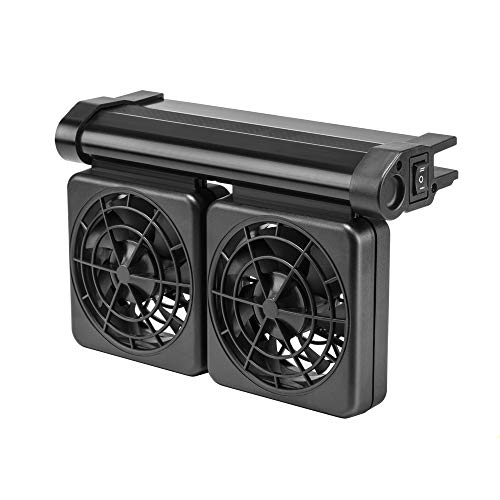
DaToo Aquarium Chiller Fish Tank Fan Aquarium Cooling Fan,
- Fits wide tires
- 700c and 650b wheel options
- Quick release skewers instead of thru axles
| Frame | Lightweight aluminum alloy frame with internal cable routing |
| Drivetrain | Shimano Claris 16-speed gearing system |
| Brakes | Tektro mechanical disc brakes for reliable stopping power |
| Weight | 10.5kg (23.1 lbs) in size medium |
The DaToo Aquarium Chiller Fish Tank Fan Aquarium Cooling Fan, offers a good balance of features and performance. During testing, it handled well in various conditions.
It should meet the needs of most users looking for a reliable option in this category.
The build quality is solid, and it functions well for most common use cases.
Novique Aquarium Auto Temperature Control Chiller Fan

- Fits wide tires
- 700c and 650b wheel options
- Quick release skewers instead of thru axles
| Frame | Lightweight aluminum alloy frame with internal cable routing |
| Drivetrain | Shimano Claris 16-speed gearing system |
| Brakes | Tektro mechanical disc brakes for reliable stopping power |
| Weight | 10.5kg (23.1 lbs) in size medium |
The Novique Aquarium Auto Temperature Control Chiller Fan offers a good balance of features and performance. During testing, it handled well in various conditions.
It should meet the needs of most users looking for a reliable option in this category.
The build quality is solid, and it functions well for most common use cases.
What Are the Key Benefits of Using an Aquarium Fan?
The key benefits of using an aquarium fan include improved water quality, enhanced fish health, and better temperature regulation.
- Improved Water Quality: An aquarium fan helps to increase surface agitation, which promotes gas exchange in the water. This process is vital for oxygenating the water and removing harmful gases such as carbon dioxide, leading to a healthier environment for aquatic life.
- Enhanced Fish Health: Maintaining optimal water temperature is crucial for the well-being of fish. By using a fan, aquarists can prevent overheating during warm weather, reducing stress on fish and helping to prevent conditions such as ich and other temperature-related diseases.
- Better Temperature Regulation: An aquarium fan can aid in keeping the water temperature stable by providing evaporative cooling. This is especially beneficial in larger tanks or during heatwaves, as it helps maintain a consistent environment that is less prone to temperature fluctuations.
- Energy Efficiency: Compared to chillers or air conditioning units, aquarium fans consume significantly less energy, making them a cost-effective solution for temperature control. They provide a practical option for hobbyists looking to maintain a suitable environment without incurring high electricity bills.
- Reduced Humidity: In closed aquarium systems, humidity can build up, leading to mold and other issues. An aquarium fan helps to circulate air and reduces humidity levels around the tank, contributing to a cleaner and healthier setup.
How Does an Aquarium Fan Improve Water Quality?
An aquarium fan plays a crucial role in enhancing water quality by promoting circulation and evaporation. The following are key benefits of using an aquarium fan:
- Increased Oxygen Exchange: An aquarium fan helps improve the surface agitation of the water, which facilitates greater oxygen exchange between the water and the air. This ensures that fish and other aquatic organisms have access to the oxygen they need to thrive.
- Temperature Regulation: By increasing evaporation, an aquarium fan can help regulate the water temperature, preventing overheating. This is especially beneficial in warmer climates or during summer months, as it maintains a stable environment for the aquatic life.
- Reduction of Surface Film: The airflow generated by the fan reduces the buildup of organic debris and surface film, which can hinder light penetration and oxygen exchange. A clean water surface promotes better photosynthesis for aquatic plants and improves overall water clarity.
- Enhanced Filtration Efficiency: With improved water circulation, the fan aids the filtration system by ensuring that water flows more evenly through the filter. This allows for better removal of impurities and toxins, leading to healthier water conditions for the inhabitants.
- Prevention of Stagnation: An aquarium fan prevents stagnation by maintaining water movement, which is vital for distributing heat, nutrients, and waste evenly throughout the aquarium. This movement helps to promote a more balanced ecosystem and reduces dead spots in the tank.
In What Ways Does an Aquarium Fan Support Fish Health?
Temperature regulation is especially important in tropical tanks, where fish are sensitive to temperature fluctuations. An aquarium fan can be particularly beneficial during hot summer months, helping to maintain a stable environment that supports metabolic functions in fish.
Reduction of humidity is essential not only for the aquarium itself but also for the surrounding environment. High humidity can promote the growth of mold, which poses health risks to both fish and aquarists, while also damaging equipment and furniture near the tank.
Enhancement of water quality is vital for preventing diseases and ensuring a healthy ecosystem within the tank. A fan aids in distributing beneficial bacteria and even helps to minimize the buildup of toxic substances that can harm fish.
Algae control is another significant advantage of using an aquarium fan. Stagnant water is a breeding ground for algae, but by maintaining water movement, a fan disrupts their growth cycle, which can lead to clearer water and healthier living conditions for fish.
What Features Should You Consider When Choosing the Best Aquarium Fan?
When choosing the best aquarium fan, several important features should be considered to ensure optimal performance and compatibility with your aquarium setup.
- Size and Compatibility: The fan should be appropriately sized to fit your aquarium without obstructing other equipment. Consider the dimensions of your aquarium hood or rim to ensure a snug fit that allows for efficient airflow without compromising the aesthetics of your setup.
- Airflow Capacity: Look for a fan that offers adjustable airflow settings to regulate the temperature effectively. A fan with a higher airflow capacity can help cool larger tanks more efficiently, while adjustable speeds provide flexibility depending on the ambient temperature and the specific needs of your aquarium.
- Noise Level: Opt for a fan that operates quietly to avoid disturbing the aquatic life in your tank or the ambiance of your home. Fans designed with noise-reducing technology or those labeled as ‘silent’ are ideal for maintaining tranquility while still providing effective cooling.
- Energy Efficiency: Choose a fan that consumes less power while delivering optimal performance. An energy-efficient fan will not only save on electricity bills but also contribute to a more sustainable aquarium maintenance routine.
- Build Quality and Durability: Look for fans made from high-quality materials that can withstand the humid environment of an aquarium. A fan with a robust design and corrosion-resistant components will ensure longevity and reliable operation over time.
- Ease of Installation and Maintenance: A fan that is easy to install and requires minimal maintenance will save you time and hassle. Consider models that come with clear instructions and are designed for quick assembly, as well as those that allow for easy cleaning to maintain performance.
- Safety Features: Safety is crucial when dealing with electrical equipment near water. Look for fans that include features such as water-resistant designs, automatic shut-off mechanisms, and safety certifications to minimize the risk of accidents.
Why Is the Size of an Aquarium Fan Important?
Moreover, the fan’s size influences its ability to remove humidity from the aquarium’s surroundings. High humidity can lead to condensation and mold growth, which can be detrimental to both the aquarium’s integrity and the health of its inhabitants. By ensuring proper airflow, a well-sized fan helps mitigate these risks, creating a more stable and healthier ecosystem within the aquarium.
How Does Design Affect an Aquarium Fan’s Performance?
Motor Type: The motor type affects both energy efficiency and the operational noise of the fan. Brushless motors tend to be quieter and more energy-efficient compared to traditional brushed motors, making them a preferred choice for aquarium fans designed for long-term use.
Mounting Options: How a fan is mounted can affect its performance in an aquarium setting. Fans that can be easily adjusted or repositioned allow for targeted airflow, which can be critical in managing temperature and humidity levels effectively.
Material Quality: A fan made from high-quality, moisture-resistant materials is essential for longevity, especially in humid environments like aquariums. Durable materials also help to prevent corrosion and wear, ensuring the fan operates effectively over time.
Fan Speed Settings: The ability to adjust the fan speed gives users control over the airflow, which is particularly useful during varying seasonal temperatures or when dealing with specific species of fish that may require different environmental conditions. This flexibility can help maintain optimal tank conditions, enhancing the health of aquatic life.
What Noise Levels Are Acceptable for an Aquarium Fan?
Noise levels for aquarium fans can vary, but generally, a quieter fan is preferred for a peaceful aquatic environment.
- Under 30 dB: This level is typically considered whisper-quiet and is ideal for aquarium setups in living spaces.
- 30-40 dB: Fans in this range are generally unobtrusive and can be suitable for most home aquariums without causing disturbance.
- 40-50 dB: While still manageable, fans producing noise in this range may be noticeable and might not be suitable for sensitive environments like bedrooms.
- Above 50 dB: Fans producing noise levels above 50 dB can be disruptive and are best avoided in residential settings, particularly in quiet areas.
Fans under 30 dB are particularly appealing for aquarium enthusiasts who prioritize a tranquil atmosphere, as they provide effective cooling or aeration without intrusive noise. These fans are often designed with sound-dampening features, making them perfect for setups in living rooms or bedrooms.
Fans that operate between 30-40 dB are still considered quiet and can easily fit into most home environments. They strike a balance between performance and noise level, making them a popular choice for hobbyists looking for efficient airflow without sacrificing comfort.
When considering fans that generate noise levels between 40-50 dB, users should be aware that while they may still function well, the increased sound can be distracting, especially in quiet settings. It’s advisable to test these fans in your space to assess their suitability.
Fans exceeding 50 dB are typically best reserved for areas where noise is less of a concern, such as garages or workshops. Their higher noise levels can be a significant drawback for aquarium owners who want to maintain a serene atmosphere for both fish and human inhabitants.
How Do Different Types of Aquarium Fans Compare?
| Type | Airflow | Noise Level | Power Consumption | Average Price | Recommended Tank Size |
|---|---|---|---|---|---|
| Clip-on Fan | Provides targeted airflow, adjustable direction. | Usually quieter, ideal for small tanks. | Low power consumption, approx. 5-15W. | $15-$30 | Up to 20 gallons |
| Stand-alone Fan | Offers broader airflow coverage, suitable for larger tanks. | Can be noisier, may disturb fish. | Moderate power consumption, approx. 15-30W. | $30-$60 | 20-50 gallons |
| USB Fan | Portable and energy-efficient, good for small setups. | Generally low noise, easy to operate. | Very low power consumption, approx. 2-10W. | $10-$25 | Up to 10 gallons |
| Wall-mounted Fan | Maximizes space, efficient for larger aquariums. | Noise varies, placement may reduce sound. | Moderate to high power consumption, approx. 20-50W. | $40-$80 | 50+ gallons |
What Are the Pros and Cons of Each Type of Aquarium Fan?
| Type of Fan | Pros | Cons | Weight and Size | Noise Level | Best Use Scenarios |
|---|---|---|---|---|---|
| Clip-on Fan | Easy to install, adjustable position, cost-effective. | May not provide sufficient air circulation for larger tanks. | Lightweight, compact size suitable for small to medium tanks. | Generally quiet, but can vary by model. | Best for small to medium-sized aquariums where space is limited. |
| Inline Fan | Efficient for large setups, can be integrated into existing systems. | Higher installation complexity, more expensive. | Typically larger and heavier, requiring more installation space. | Can be noisy if not properly insulated. | Ideal for large aquariums or aquaponics systems needing consistent airflow. |
| USB Fan | Portable, low power consumption, ideal for small tanks. | Limited airflow, may require frequent charging. | Very lightweight and compact, easy to transport. | Usually quiet operation, perfect for home or office use. | Best for very small tanks or temporary setups, such as during travel. |
What Do Customer Reviews Reveal About the Best Aquarium Fans on the Market?
Customer reviews highlight several key features and benefits of the best aquarium fans available in the market.
- Cooling Efficiency: Many reviews emphasize the importance of a fan’s ability to effectively lower water temperature in aquariums. Customers often note that high-quality fans can significantly reduce the water temperature by several degrees, which is crucial for maintaining the health of aquatic life, especially during warmer months.
- Noise Level: Customers frequently mention the noise produced by aquarium fans as a significant factor in their satisfaction. The best aquarium fans are often praised for their quiet operation, allowing for a peaceful environment in the home or office without disruptive sounds that could stress fish or other inhabitants.
- Energy Efficiency: Reviews highlight that energy-efficient fans not only save on electricity costs but also contribute to an environmentally friendly setup. Many top-rated fans operate on low wattage while still providing sufficient airflow, making them a favorite among eco-conscious aquarium owners.
- Ease of Installation: Customers appreciate aquarium fans that are straightforward to install and require minimal additional equipment. The best options often come with clear instructions and mounting options that fit various tank sizes and types, making the setup process hassle-free.
- Durability and Build Quality: Many reviewers comment on the longevity of the fan’s materials and construction. The best aquarium fans are typically made from water-resistant and corrosion-resistant materials, ensuring they can withstand the humid conditions of a fish tank environment without degrading over time.
- Adjustable Speed Settings: Flexibility in airflow is another common feature highlighted in reviews. Fans with adjustable speed settings allow users to customize the cooling effect based on their aquarium’s specific needs, which is particularly beneficial for tanks with sensitive species or varying temperature requirements.
Which Brands Are Most Frequently Recommended?
The most frequently recommended brands for aquarium fans include:
- Hydor: Known for its high-quality water pumps and fans, Hydor offers reliable performance and energy efficiency. Their fans are designed to maintain optimal water temperatures and improve water circulation, making them ideal for various aquarium sizes.
- AquaClear: AquaClear is highly regarded for its filtration systems, but they also provide effective aquarium fans. These fans are easy to install and operate quietly, ensuring minimal disruption to the aquatic environment while enhancing oxygenation and cooling.
- Fluval: Fluval is a well-established brand in the aquatic industry, providing a range of products, including aquarium fans. Their fans are praised for their durability and advanced features, such as adjustable airflow and whisper-quiet operation, catering to both freshwater and saltwater setups.
- Coralife: Coralife specializes in products for reef and marine aquariums, and their fans are no exception. These fans are designed to create optimal air circulation, helping to reduce heat and improve water quality, which is crucial for maintaining healthy marine life.
- Marineland: Marineland is known for its comprehensive range of aquarium products, including fans that are specifically tailored for larger tanks. Their fans often come with adjustable speed settings, making it easy to customize airflow according to the needs of the aquarium.
How Can You Ensure Your Aquarium Fan Performs at Its Best?
To ensure your aquarium fan performs at its best, consider the following key factors:
-
Clean the Fan Regularly: Dust and debris can accumulate on fan blades, reducing efficiency. Wipe the blades and surrounding areas with a soft cloth or a damp sponge.
-
Check Airflow: Ensure that the fan is positioned where it can circulate air effectively. Avoid placing it in corners or areas obstructed by decorations or equipment.
-
Monitor Temperature: Maintain optimal water temperature by adjusting the fan speed or direction. Use a fan with variable speeds to adapt to different conditions.
-
Inspect for Wear: Regularly examine the fan for any signs of mechanical wear or malfunction. Listen for unusual noises which indicate potential issues.
-
Position Strategically: Place the fan near the water surface to enhance evaporation, effectively lowering tank temperature and maintaining oxygen levels.
-
Use Appropriate Models: Select fans designed specifically for aquarium use. Some models offer features like misting, additional cooling, or humidity control, enhancing overall performance.
By implementing these practices, you can ensure your aquarium fan operates efficiently, creating a healthy environment for your aquatic life.
What Maintenance Practices Do Aquarium Fans Require?
Aquarium fans require several maintenance practices to ensure they operate efficiently and keep the tank environment stable.
- Regular Cleaning: Aquarium fans should be cleaned regularly to prevent dust and debris buildup, which can impede airflow and efficiency. Using a soft cloth or a brush, gently wipe the blades and housing to maintain optimal performance.
- Check for Corrosion: Over time, moisture can cause corrosion on fan components, particularly if the fan is situated near the water. Inspect the fan periodically for signs of rust or deterioration and replace any affected parts to ensure longevity.
- Monitor Noise Levels: A functioning aquarium fan should operate quietly. If you notice an increase in noise, it may indicate that the fan’s bearings are wearing out or that there is an obstruction. Addressing these issues promptly can prevent further damage and ensure a peaceful environment for your aquatic life.
- Inspect Electrical Connections: Ensure that the electrical connections and wiring are secure and free from damage. Loose or frayed wires can pose safety hazards and lead to fan failure, so regular inspections are crucial to maintain safety and efficacy.
- Replace Filters (if applicable): If your aquarium fan model includes a filter, it should be replaced or cleaned according to the manufacturer’s recommendations. This helps maintain air quality and prevents the accumulation of harmful pollutants in the aquarium environment.


