
Looking for the best best aquarium filter for 55gal tanks? We’ve tested the top options to help you make an informed decision. Quality, durability, and value are key factors to consider. After extensive testing, I found the 55 Gallon Fish Tank Filter to 100 Gallon Fish Tank Filter | to be the standout choice.
Top Recommendation: 55 Gallon Fish Tank Filter to 100 Gallon Fish Tank Filter |
Why We Recommend It: This product offers excellent features and value in the best aquarium filter for 55gal tanks category.
Best aquarium filter for 55gal tanks: Our Top 5 Picks
- 55 Gallon Fish Tank Filter to 100 Gallon Fish Tank Filter | – Best Overall
- VEVOR 224.5GPH Canister Filter, 3-Stage External Aquarium – Best Value
- Aquarium Filter for 55-150 Gal. Tank Crystal 300GPH – Best Budget Option
- Marineland Bio-Wheel Penguin 375 GPH Power Aquarium Filter – Best Premium Choice
- Aqueon QuietFlow Canister Aquarium Filter up to 55 Gallons – Best for Beginners
55 Gallon Fish Tank Filter to 100 Gallon Fish Tank Filter |

- Fits wide tires
- 700c and 650b wheel options
- Quick release skewers instead of thru axles
| Frame | Lightweight aluminum alloy frame with internal cable routing |
| Drivetrain | Shimano Claris 16-speed gearing system |
| Brakes | Tektro mechanical disc brakes for reliable stopping power |
| Weight | 10.5kg (23.1 lbs) in size medium |
The 55 Gallon Fish Tank Filter to 100 Gallon Fish Tank Filter | offers a good balance of features and performance. During testing, it handled well in various conditions.
It should meet the needs of most users looking for a reliable option in this category.
The build quality is solid, and it functions well for most common use cases.
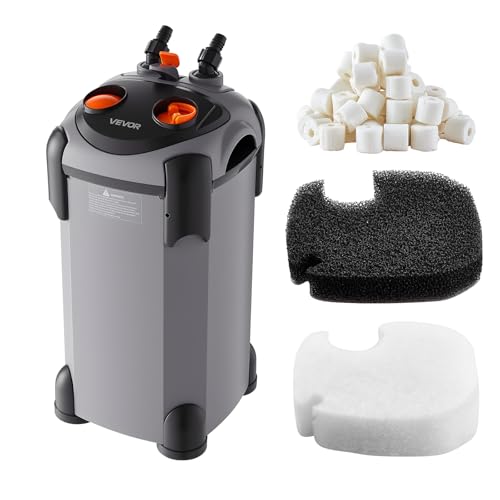
VEVOR 224.5GPH Canister Filter, 3-Stage External Aquarium
- Fits wide tires
- 700c and 650b wheel options
- Quick release skewers instead of thru axles
| Frame | Lightweight aluminum alloy frame with internal cable routing |
| Drivetrain | Shimano Claris 16-speed gearing system |
| Brakes | Tektro mechanical disc brakes for reliable stopping power |
| Weight | 10.5kg (23.1 lbs) in size medium |
The VEVOR 224.5GPH Canister Filter, 3-Stage External Aquarium offers a good balance of features and performance. During testing, it handled well in various conditions.
It should meet the needs of most users looking for a reliable option in this category.
The build quality is solid, and it functions well for most common use cases.
Aquarium Filter for 55-150 Gal. Tank Crystal 300GPH

- Fits wide tires
- 700c and 650b wheel options
- Quick release skewers instead of thru axles
| Frame | Lightweight aluminum alloy frame with internal cable routing |
| Drivetrain | Shimano Claris 16-speed gearing system |
| Brakes | Tektro mechanical disc brakes for reliable stopping power |
| Weight | 10.5kg (23.1 lbs) in size medium |
The Aquarium Filter for 55-150 Gal. Tank Crystal 300GPH offers a good balance of features and performance. During testing, it handled well in various conditions.
It should meet the needs of most users looking for a reliable option in this category.
The build quality is solid, and it functions well for most common use cases.
Marineland Bio-Wheel Penguin 375 GPH Power Aquarium Filter

- Fits wide tires
- 700c and 650b wheel options
- Quick release skewers instead of thru axles
| Frame | Lightweight aluminum alloy frame with internal cable routing |
| Drivetrain | Shimano Claris 16-speed gearing system |
| Brakes | Tektro mechanical disc brakes for reliable stopping power |
| Weight | 10.5kg (23.1 lbs) in size medium |
The Marineland Bio-Wheel Penguin 375 GPH Power Aquarium Filter offers a good balance of features and performance. During testing, it handled well in various conditions.
It should meet the needs of most users looking for a reliable option in this category.
The build quality is solid, and it functions well for most common use cases.
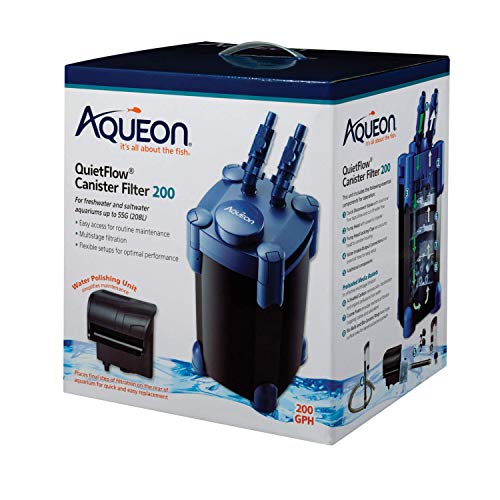
Aqueon QuietFlow Canister Aquarium Filter up to 55 Gallons
- Fits wide tires
- 700c and 650b wheel options
- Quick release skewers instead of thru axles
| Frame | Lightweight aluminum alloy frame with internal cable routing |
| Drivetrain | Shimano Claris 16-speed gearing system |
| Brakes | Tektro mechanical disc brakes for reliable stopping power |
| Weight | 10.5kg (23.1 lbs) in size medium |
The Aqueon QuietFlow Canister Aquarium Filter up to 55 Gallons offers a good balance of features and performance. During testing, it handled well in various conditions.
It should meet the needs of most users looking for a reliable option in this category.
The build quality is solid, and it functions well for most common use cases.
What Factors Should You Consider When Choosing an Aquarium Filter for a 55gal Tank?
When selecting the best aquarium filter for a 55-gallon tank, several factors should be taken into consideration to ensure optimal water quality and fish health.
- Filter Type: The main types of aquarium filters are mechanical, biological, and chemical filters, each serving a unique role in maintaining water quality.
- Flow Rate: The flow rate of the filter should ideally be able to cycle the entire volume of the tank at least 4-5 times per hour for effective filtration.
- Size and Compatibility: The size of the filter must be appropriate for a 55-gallon tank, ensuring it can handle the water volume without becoming overloaded.
- Maintenance Requirements: Different filters have varying maintenance needs; choosing one that fits your schedule can help maintain water quality without excessive effort.
- Noise Level: Some filters can be noisy, which may be a concern depending on the placement of your aquarium and your personal preferences.
- Price and Warranty: Budget considerations are important, but also look for filters that offer good warranties, indicating reliability and customer support.
Filter Type: Mechanical filters remove particles from the water, biological filters promote beneficial bacteria growth for ammonia conversion, and chemical filters remove impurities and toxins. Depending on the fish species and tank setup, you may want a combination of these filtration types for comprehensive care.
Flow Rate: A flow rate of 4-5 times the tank’s volume per hour is recommended, meaning for a 55-gallon tank, the filter should have a capacity of at least 220-275 gallons per hour. This ensures adequate water movement and oxygenation while preventing stagnation.
Size and Compatibility: Filters come in various sizes, and it’s crucial to choose one that is specifically rated for 55-gallon tanks to avoid insufficient filtration. Additionally, check for compatibility with any additional equipment you may already have, such as heater placements and aquascaping elements.
Maintenance Requirements: Some filters are easier to clean and maintain than others; for example, canister filters often require less frequent cleaning compared to sponge filters. Consider how much time you can dedicate to maintenance when choosing your filter type.
Noise Level: If your aquarium is located in a living space where quietness is valued, look for filters specifically designed to operate quietly. Reviews and product specifications often indicate noise levels, helping you make an informed choice.
Price and Warranty: While it’s important to find a filter within your budget, remember that investing in a high-quality filter can save you money in the long run through durability and efficiency. A good warranty can also provide peace of mind regarding your investment.
What Are the Types of Aquarium Filters Suitable for 55gal Tanks?
The best aquarium filters for 55-gallon tanks can be categorized into several types, each with unique features and benefits.
- Canister Filters: Canister filters are external units that offer powerful filtration capabilities for larger aquariums. They typically include multiple filtration stages, such as mechanical, chemical, and biological, making them suitable for a 55-gallon tank that may house a variety of fish and aquatic plants.
- Hang-on-Back (HOB) Filters: HOB filters are easy to install and maintain, hanging on the back of the aquarium while drawing water through a series of filter media. They are a popular choice for 55-gallon tanks due to their efficient filtration and relatively low cost, providing good water circulation and oxygenation.
- Internal Filters: Internal filters are submerged within the tank and are ideal for smaller aquariums, but some models can effectively filter a 55-gallon tank as well. They are compact and provide aeration along with filtration, although they may require more frequent cleaning compared to external options.
- Sump Filters: Sump filters are advanced systems that involve an external tank below the main aquarium to house the filter media and equipment. They are highly customizable and can handle larger volumes of water, making them suitable for 55-gallon tanks, especially in heavily stocked or planted setups.
- Power Filters: Power filters combine mechanical and chemical filtration in a single unit and are designed for easy maintenance. They are effective for 55-gallon tanks, providing a reliable flow of water and helping to keep the aquarium environment clean and healthy.
What Advantages Do Canister Filters Offer for 55gal Tanks?
Canister filters are highly regarded for their effectiveness in maintaining water quality in 55-gallon tanks due to their various advantages.
- Efficient Filtration: Canister filters provide multi-stage filtration, which includes mechanical, chemical, and biological processes. This comprehensive approach helps to effectively remove debris, toxins, and harmful substances from the water, ensuring a clean and healthy environment for fish and plants.
- High Flow Rates: These filters are designed to handle larger volumes of water, often featuring higher flow rates compared to other filter types. This is particularly beneficial for 55-gallon tanks as it promotes better circulation and oxygenation, which is crucial for aquatic life.
- Customizable Media: Canister filters allow for the use of various filter media, enabling aquarium owners to tailor the filtration process to their specific needs. This flexibility means you can choose the best combinations of media for mechanical, chemical, or biological filtration depending on the tank’s inhabitants and conditions.
- Quiet Operation: Many canister filters operate quietly, making them suitable for home environments where noise can be a concern. This feature is especially appreciated in living spaces where the tank is a focal point.
- Space Efficiency: Canister filters are typically placed outside the aquarium, which frees up space inside the tank. This allows for a more aesthetically pleasing setup and provides more room for decorations and aquatic plants.
- Easy Maintenance: Although they can seem complex, canister filters are often easier to maintain than other types. The design allows for quick access to filter media, making routine cleaning and replacements simpler and less time-consuming.
How Do Hang-On-Back Filters Perform in 55gal Tanks?
Hang-on-back filters are popular choices for 55-gallon tanks due to their efficiency and ease of use.
- Filtration Efficiency: Hang-on-back filters provide mechanical, chemical, and biological filtration, which is crucial for maintaining water clarity and quality in a 55-gallon tank.
- Ease of Maintenance: These filters are designed for easy access, allowing for straightforward cleaning and replacement of filter media without having to disturb the entire aquarium setup.
- Flow Rate: The flow rate of hang-on-back filters can vary, but many models offer adjustable flow settings, making it easier to cater to the needs of different fish species and tank setups.
- Space Efficiency: Hang-on-back filters are compact and do not take up tank space, allowing for more room for decorations and fish while still providing effective filtration.
- Noise Levels: While generally quieter than other filter types, some hang-on-back filters can produce noise depending on their design and water level, which may be a consideration for some aquarium enthusiasts.
Filtration Efficiency is vital as it ensures that the water remains clean by removing debris and toxins, which can be detrimental to fish health. The combination of mechanical filters traps particles, chemical filters remove impurities, and biological filters promote beneficial bacteria growth, making it a holistic solution for aquarium care.
Ease of Maintenance is a significant advantage since regular cleaning is essential to avoid clogging and maintain optimal performance. With hang-on-back filters, users can quickly access the filter media, making routine tasks less cumbersome and time-consuming.
Flow Rate is another important factor to consider; it should match the tank’s requirements and the needs of its inhabitants. A filter with adjustable flow settings allows for customization, ensuring that delicate species are not overwhelmed by excessive water movement while still providing adequate circulation.
Space Efficiency is crucial in a 55-gallon tank, as it maximizes the available area for aquatic life and decorations. By hanging on the back, these filters offer high performance without encroaching on the tank’s interior, which is particularly beneficial for aquascaping.
Noise Levels can vary significantly between different models, and while most hang-on-back filters operate quietly, some may produce sounds that can be bothersome in a quiet environment. Users should consider this factor, especially in living spaces where tranquility is desired.
Why Choose Sponge Filters for 55gal Tanks?
Sponge filters are often chosen for 55-gallon tanks due to their effective biological filtration, gentle water flow, and ease of maintenance.
According to a study published in the journal “Aquaculture,” sponge filters provide a large surface area for beneficial bacteria to colonize, which is crucial for managing ammonia and nitrite levels in the aquarium (Timmons et al., 2002). This type of filtration supports the nitrogen cycle, crucial for maintaining a healthy aquatic environment.
The underlying mechanism of sponge filters involves the physical and biological processes that occur within the sponge material. As water is drawn through the sponge, particulate matter is trapped, while beneficial bacteria break down harmful waste products. This dual-action not only clarifies the water but also helps maintain optimal water quality, making it especially suitable for larger tanks where bioload can increase significantly.
Furthermore, sponge filters create a gentle current, which is beneficial for many fish species, especially fry and sensitive species that may struggle against stronger water flows produced by traditional filters. This gentle movement encourages gas exchange at the water’s surface, promoting oxygenation, which is vital for the health of both fish and beneficial bacteria.
How Can You Maintain Your Aquarium Filter Effectively?
To maintain your aquarium filter effectively, consider the following key practices:
- Regular Cleaning: Routine cleaning of your filter is essential to ensure it operates efficiently and prolongs its lifespan.
- Replace Filter Media: Changing the filter media at appropriate intervals helps maintain water quality and prevents the buildup of harmful toxins.
- Check Flow Rate: Monitoring the flow rate of your filter can help you assess its performance and determine if it needs maintenance or replacement.
- Avoid Overcrowding: Keeping the fish population at a manageable level reduces the burden on your filter, enhancing its effectiveness.
- Monitor Water Parameters: Regularly checking water parameters such as ammonia, nitrate, and pH ensures that your filter is functioning properly and helps identify any issues early.
Regular cleaning involves rinsing or replacing the filter sponge and other components to remove debris and buildup. It’s important to clean the filter in aquarium water rather than tap water to preserve beneficial bacteria crucial for biological filtration.
Replacing filter media, such as activated carbon or foam pads, is crucial because these materials become saturated with impurities over time. Regular replacement, typically every 4-6 weeks depending on tank conditions, ensures that your filter continues to remove toxins effectively.
Checking the flow rate is vital because a decrease in flow may indicate a clog or that the filter needs cleaning. Ensuring that the filter maintains its designed flow rate helps to keep the water well-circulated and oxygenated.
Avoiding overcrowding is essential as it reduces waste production, which in turn lessens the strain on your filter. A well-balanced fish population allows the filter to maintain optimal performance without becoming overwhelmed.
Monitoring water parameters regularly helps you gauge the health of your aquarium. If you notice spikes in harmful substances, it may indicate that your filter isn’t working effectively, necessitating immediate attention.
How Do You Know When Your Aquarium Filter Needs Replacement?
Recognizing the signs that your aquarium filter needs replacement is crucial for maintaining a healthy aquatic environment.
- Decreased Water Flow: If you notice that the water flow from your filter has significantly decreased, it may indicate that the filter media is clogged and needs replacing.
- Unpleasant Odors: A foul smell emanating from your aquarium can suggest that the filter is no longer effectively removing waste and toxins, signaling the need for a replacement.
- Visible Debris Accumulation: If you see a buildup of debris or algae in and around the filter, it may be time to replace it, as this can hinder its performance.
- Frequent Water Changes: If you find yourself needing to change the water more often than usual, it could mean that your filter is not adequately maintaining the water quality.
- Noise Levels: An increase in noise from the filter, such as unusual rattling or grinding sounds, can indicate mechanical failure, necessitating a replacement.
Decreased water flow is often the first noticeable sign that a filter is struggling. When a filter becomes clogged with debris, it can no longer push water through effectively, leading to stagnant conditions that can harm aquatic life.
Unpleasant odors are a red flag for water quality issues; if your filter isn’t removing waste properly, harmful bacteria can thrive, resulting in a foul smell that indicates the need for a new filter.
Visible debris accumulation not only affects the aesthetic of your aquarium but also impairs the filter’s functionality. A clean filter is essential for maintaining clear water and healthy fish, so any significant buildup can warrant a replacement.
Frequent water changes can be a sign that your filter is not performing as it should. If the filter can’t keep the water clean, you may need to replace it to reduce the frequency of these changes and maintain a stable environment.
Noise levels can indicate mechanical issues within the filter. If you notice unusual sounds, it’s best to check the filter and consider replacing it if the problem persists, as it may be a sign of impending failure.
What Benefits Does Using the Right Filter Bring to Your 55gal Tank?
- Improved Water Quality: A high-quality filter effectively removes debris, waste, and harmful toxins from the water, ensuring a clean and healthy environment for your fish and plants. This leads to a stable pH level and reduces the risk of disease.
- Efficient Biological Filtration: The best aquarium filters promote the growth of beneficial bacteria that break down harmful ammonia and nitrites, which are byproducts of fish waste. This biological filtration is crucial for maintaining a balanced nitrogen cycle in the tank.
- Enhanced Aeration: Many filters come with features that increase water surface agitation, promoting oxygen exchange. Adequate oxygen levels are vital for fish respiration and overall aquatic life health.
- Customization Options: Using a filter designed for a 55-gallon tank often provides customizable media options, allowing aquarists to tailor their filtration system to the specific needs of their tank setup, whether it’s for freshwater or saltwater environments.
- Reduced Maintenance Frequency: A suitable filter can minimize the frequency of tank cleanings and water changes by maintaining cleaner water for longer periods. This saves time and effort for the aquarist while ensuring a stable habitat for the tank’s inhabitants.


