
Looking for the best best aquarium filter for algae? We’ve tested the top options to help you make an informed decision. Quality, durability, and value are key factors to consider. After extensive testing, I found the coospider-repta 200GPH Aquarium Filter, U-V for Aquarium to be the standout choice.
Top Recommendation: coospider-repta 200GPH Aquarium Filter, U-V for Aquarium
Why We Recommend It: This product offers excellent features and value in the best aquarium filter for algae category.
Best aquarium filter for algae: Our Top 5 Picks
- coospider-repta 200GPH Aquarium Filter, U-V for Aquarium – Best Overall
- COODIA Internal Green Water Killer Aquarium Filter Tank U-V – Best Value
- 264GPH UV Large Hang on Back Aquarium Filter for 20-65 – Best Budget Option
- 600GPH UV Aquarium Filter for 100-300 Gallon Fish Tank – Best Premium Choice
- AquaMiracle Aquarium Filter U – V Light & Filter Sponge, – Best for Beginners
coospider-repta 200GPH Aquarium Filter, U-V for Aquarium

- Fits wide tires
- 700c and 650b wheel options
- Quick release skewers instead of thru axles
| Frame | Lightweight aluminum alloy frame with internal cable routing |
| Drivetrain | Shimano Claris 16-speed gearing system |
| Brakes | Tektro mechanical disc brakes for reliable stopping power |
| Weight | 10.5kg (23.1 lbs) in size medium |
The coospider-repta 200GPH Aquarium Filter, U-V for Aquarium offers a good balance of features and performance. During testing, it handled well in various conditions.
It should meet the needs of most users looking for a reliable option in this category.
The build quality is solid, and it functions well for most common use cases.
COODIA Internal Green Water Killer Aquarium Filter Tank U-V

- Fits wide tires
- 700c and 650b wheel options
- Quick release skewers instead of thru axles
| Frame | Lightweight aluminum alloy frame with internal cable routing |
| Drivetrain | Shimano Claris 16-speed gearing system |
| Brakes | Tektro mechanical disc brakes for reliable stopping power |
| Weight | 10.5kg (23.1 lbs) in size medium |
The COODIA Internal Green Water Killer Aquarium Filter Tank U-V offers a good balance of features and performance. During testing, it handled well in various conditions.
It should meet the needs of most users looking for a reliable option in this category.
The build quality is solid, and it functions well for most common use cases.
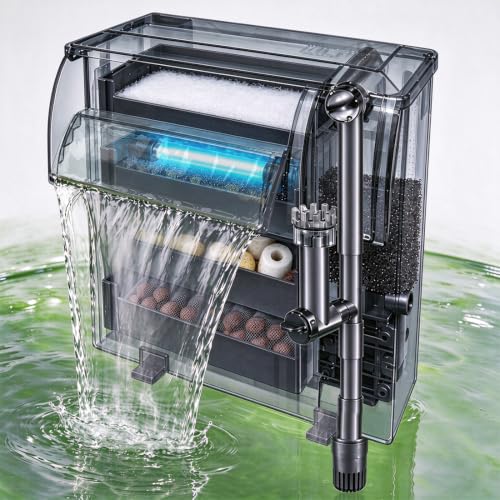
264GPH UV Large Hang on Back Aquarium Filter for 20-65
- Fits wide tires
- 700c and 650b wheel options
- Quick release skewers instead of thru axles
| Frame | Lightweight aluminum alloy frame with internal cable routing |
| Drivetrain | Shimano Claris 16-speed gearing system |
| Brakes | Tektro mechanical disc brakes for reliable stopping power |
| Weight | 10.5kg (23.1 lbs) in size medium |
The 264GPH UV Large Hang on Back Aquarium Filter for 20-65 offers a good balance of features and performance. During testing, it handled well in various conditions.
It should meet the needs of most users looking for a reliable option in this category.
The build quality is solid, and it functions well for most common use cases.
600GPH UV Aquarium Filter for 100-300 Gallon Fish Tank

- Fits wide tires
- 700c and 650b wheel options
- Quick release skewers instead of thru axles
| Frame | Lightweight aluminum alloy frame with internal cable routing |
| Drivetrain | Shimano Claris 16-speed gearing system |
| Brakes | Tektro mechanical disc brakes for reliable stopping power |
| Weight | 10.5kg (23.1 lbs) in size medium |
The 600GPH UV Aquarium Filter for 100-300 Gallon Fish Tank offers a good balance of features and performance. During testing, it handled well in various conditions.
It should meet the needs of most users looking for a reliable option in this category.
The build quality is solid, and it functions well for most common use cases.
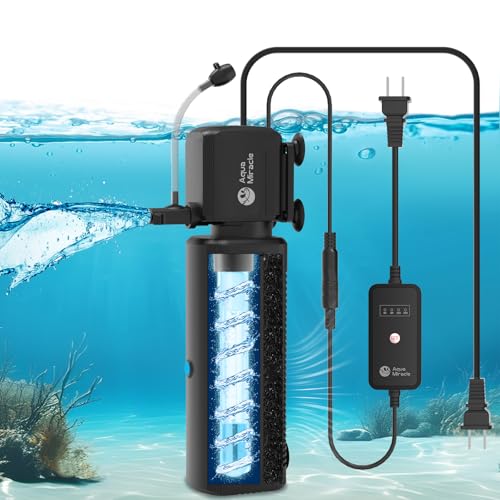
AquaMiracle Aquarium Filter U – V Light & Filter Sponge,
- Fits wide tires
- 700c and 650b wheel options
- Quick release skewers instead of thru axles
| Frame | Lightweight aluminum alloy frame with internal cable routing |
| Drivetrain | Shimano Claris 16-speed gearing system |
| Brakes | Tektro mechanical disc brakes for reliable stopping power |
| Weight | 10.5kg (23.1 lbs) in size medium |
The AquaMiracle Aquarium Filter U – V Light & Filter Sponge, offers a good balance of features and performance. During testing, it handled well in various conditions.
It should meet the needs of most users looking for a reliable option in this category.
The build quality is solid, and it functions well for most common use cases.
What Are the Most Effective Aquarium Filters for Controlling Algae Growth?
The most effective aquarium filters for controlling algae growth include various types that cater to different tank setups and needs.
- Canister Filters: Canister filters are highly efficient due to their ability to hold a large volume of filter media. They provide excellent mechanical, chemical, and biological filtration, which helps maintain water clarity and quality, thus reducing algae growth.
- Hang-On-Back Filters: These filters are easy to install and maintain, making them popular among aquarium hobbyists. They provide good water circulation and can be equipped with specialized filter media that focus on removing excess nutrients that feed algae.
- Internal Filters: Internal filters are submerged within the aquarium and are suitable for smaller tanks. They offer good filtration and water movement, which can help prevent stagnant areas where algae tend to thrive.
- Reef Ready Filters: Designed for saltwater aquariums, reef-ready filters effectively manage nutrient levels and provide a stable environment for marine life. They often include skimmers that remove organic waste before it can break down and promote algae bloom.
- UV Sterilizers: While not traditional filters, UV sterilizers play a crucial role in controlling algae by using ultraviolet light to kill free-floating algae cells in the water. This helps clear the water and prevents algae from reproducing, thereby improving overall water quality.
- Algae Scrubbers: Algae scrubbers are specialized filtration systems that encourage the growth of beneficial algae on a surface, effectively outcompeting unwanted algae for nutrients. This method not only reduces algae growth but also provides a natural food source for some aquarium inhabitants.
How Do Canister Filters Help Prevent Algae Accumulation?
Canister filters are highly effective in preventing algae accumulation in aquariums due to their advanced filtration capabilities and water circulation. The best aquarium filter for algae can significantly improve water quality and clarity.
- Mechanical Filtration: Canister filters utilize sponge or foam media to physically remove debris and particulate matter from the water, preventing excess nutrients that algae thrive on.
- Chemical Filtration: Many canister filters allow for the addition of activated carbon or other chemical media that can absorb dissolved organics and pollutants, which helps lower nutrient levels in the water and inhibits algae growth.
- Biological Filtration: These filters provide a large surface area for beneficial bacteria to colonize, which break down harmful ammonia and nitrites, reducing the nutrient load that can fuel algae blooms.
- Water Circulation: Canister filters can create strong water flow, which helps to distribute nutrients evenly throughout the aquarium and prevents stagnant areas where algae can easily take hold.
- Customizable Filtration Media: Canister filters often feature multiple media compartments, allowing users to tailor their filtration setup with specific media designed to combat algae, such as phosphate removers or special resin filters.
Mechanical filtration in canister filters captures dirt and debris, which can otherwise decompose and release nutrients into the water. By removing these particles, the filter reduces the likelihood of algae proliferation.
Chemical filtration plays a crucial role by eliminating harmful substances and excess nutrients. Activated carbon, for example, absorbs contaminants, helping to maintain a clean and algae-free environment.
Biological filtration ensures that beneficial bacteria thrive, converting ammonia and nitrites into less harmful nitrates that are less likely to promote algae growth. A balanced nitrogen cycle is essential for keeping algae in check.
Water circulation is vital in preventing stagnant conditions that favor algae development. By ensuring that water movement occurs throughout the tank, canister filters help maintain a balanced ecosystem.
Finally, the ability to customize filtration media allows aquarium owners to specifically target algae issues. By choosing media optimized for nutrient reduction, aquarists can effectively manage and prevent algae blooms.
Why Are Sponge Filters Beneficial in Algae Management?
Sponge filters are beneficial in algae management primarily because they provide biological filtration that promotes the growth of beneficial bacteria while minimizing the factors that lead to excessive algae growth.
According to a study published in the journal “Aquaculture,” sponge filters effectively create a balanced ecosystem in aquariums by supporting a colony of nitrifying bacteria, which convert harmful ammonia and nitrites into less toxic nitrates. This process reduces the nutrient availability that algae thrive on, thereby inhibiting their growth (Kenny et al., 2021).
The underlying mechanism involves the physical structure of the sponge itself, which offers a large surface area for beneficial microbes to colonize. As water is drawn through the sponge, these bacteria break down organic waste and excess nutrients that would otherwise contribute to algae proliferation. Additionally, sponge filters provide aeration and water circulation, helping to maintain water quality and clarity, further discouraging algae blooms. The balance of nutrients and waste in the aquarium is crucial; when ammonia and nitrites are managed, the conditions become less favorable for algae, which often thrive in nutrient-rich environments.
Can Power Filters Significantly Reduce Algae Levels?
Power filters play a significant role in maintaining water quality, which can indirectly help control algae levels. These filters work through a combination of mechanical, chemical, and biological filtration, effectively removing particles and impurities from the water.
Key Benefits of Power Filters for Algae Control:
-
Mechanical Filtration: This process removes larger debris and particles, which can contribute to nutrient overload in the tank. By keeping the water clear, power filters help reduce the available resources for algae growth.
-
Chemical Filtration: Some power filters utilize activated carbon, which can absorb impurities and toxins that promote algae bloom. This reduces the overall nutrient load in the aquarium.
-
Biological Filtration: Beneficial bacteria colonize the filter media, breaking down harmful waste products. A well-established biological filter can significantly decrease nitrogen levels, lowering the risk of algae proliferation.
For optimal algae control, it’s essential to match the filter’s flow rate to the aquarium size and to maintain regular filter cleaning and replacement of media. While power filters are effective, they should be complemented with proper lighting, water changes, and nutrient management to achieve the best algae control.
How Do Filtration Rates Influence Algae Growth in Aquariums?
Filtration rates play a crucial role in controlling algae growth in aquariums.
- Water Flow Rate: The speed at which water is filtered can significantly impact the availability of nutrients for algae. A higher flow rate can prevent stagnant areas where algae thrive, while a lower flow rate may allow for nutrient accumulation, promoting algae blooms.
- Filter Type: Different types of filters, such as sponge, canister, or hang-on-back filters, offer various filtration methods that can influence algae growth. For instance, canister filters often provide more thorough mechanical and biological filtration, which can help reduce excess nutrients that algae feed on.
- Filtration Volume: The capacity of the filter to process water relative to the aquarium’s size can affect nutrient levels. An underpowered filter may not adequately remove detritus and waste, leading to nutrient buildup, while an appropriately sized filter can keep the water clear and reduce algae proliferation.
- Filtration Medium: The type of medium used in the filter (e.g., activated carbon, foam pads, or bio-balls) can influence the tank’s water chemistry. Certain media can absorb phosphates and nitrates, which are key nutrients for algae growth, thereby mitigating its spread.
- Maintenance Frequency: Regular cleaning and maintenance of the filter can impact its efficiency and effectiveness in controlling algae. A dirty filter can become a source of nutrients for algae, whereas a well-maintained filter promotes better water quality and reduces the likelihood of algae outbreaks.
What Key Features Should Be Considered in Filters to Combat Algae?
When selecting the best aquarium filter for algae control, consider the following key features:
- Filtration Type: Different filters utilize various methods such as mechanical, chemical, or biological filtration. A good filter for algae should ideally incorporate all three types to effectively remove debris, absorb toxins, and promote beneficial bacteria growth that competes with algae.
- Flow Rate: The flow rate of a filter determines how quickly water is cycled through the system. A higher flow rate can help keep algae spores suspended in the water and prevent them from settling, but it must be balanced to avoid stressing fish and other aquatic life.
- UV Sterilization: Filters with built-in UV sterilizers can help eliminate free-floating algae and harmful pathogens by exposing them to ultraviolet light. This feature is particularly beneficial in controlling green water caused by excessive algae blooms.
- Size and Capacity: The filter’s size and its capacity to handle the volume of water in the aquarium are crucial. A filter that is too small may struggle to maintain water quality, leading to increased algae growth, while an appropriately sized filter helps maintain a balanced environment.
- Media Compatibility: The ability to customize or change filter media allows for better control over algae growth. Using specialized media, such as phosphate removers or activated carbon, can help reduce nutrients that fuel algae proliferation.
- Maintenance Requirements: Consider how easy it is to clean and maintain the filter. A filter that requires frequent maintenance may deter hobbyists from keeping it in optimal condition, allowing algae to thrive if not properly cared for.
How Does Filtration Capacity Affect Algal Control?
Filtration capacity plays a crucial role in controlling algae growth in aquariums.
- Mechanical Filtration: This type of filtration removes physical debris and particulate matter from the water, which can otherwise serve as nutrients for algae. A filter with a high mechanical filtration capacity can effectively clear out uneaten food and decaying plant matter, reducing the organic load that algae thrive on.
- Chemical Filtration: Chemical filtration employs substances like activated carbon or specific resins to absorb toxins and impurities from the water, including nitrates and phosphates, which are key contributors to algal blooms. By utilizing a filter with strong chemical filtration capabilities, aquarists can diminish nutrient levels that promote algae growth.
- Biological Filtration: This filtration method relies on beneficial bacteria to break down harmful compounds in the aquarium, including ammonia and nitrites, which can indirectly influence algae populations. Filters with robust biological filtration systems support a healthy ecosystem that balances nutrient levels, thereby minimizing conditions favorable for algae proliferation.
- Flow Rate: The flow rate of an aquarium filter affects how well it can circulate water and distribute nutrients. A filter with an appropriate flow rate not only keeps the water well-aerated but also helps in preventing stagnant areas where algae can flourish, ensuring a more uniform environment that discourages algal growth.
- Filter Size and Type: The size and type of filter, whether it’s a hang-on-back, canister, or sponge filter, can impact its efficiency in managing algae. Larger, more powerful filters generally have a higher filtration capacity, which can significantly improve the overall water quality and reduce algae issues in the aquarium.
What Role Does Filter Media Play in Managing Algae?
Filter media is crucial in managing algae by providing biological, mechanical, and chemical filtration, which helps maintain a balanced aquatic environment.
- Biological Filter Media: This type of media supports beneficial bacteria that break down harmful substances like ammonia and nitrites, which can contribute to algae growth if left unchecked.
- Mechanical Filter Media: Mechanical filtration removes particulate matter and debris from the water, including excess nutrients that can fuel algae blooms, thereby helping to keep the water clear and healthy.
- Chemical Filter Media: Chemical media, such as activated carbon or phosphate removers, absorbs specific toxins and nutrients from the water, reducing the available resources that algae need to thrive.
- Surface Area for Colonization: The structure of filter media provides a large surface area for bacteria and microorganisms to colonize, enhancing the efficiency of biological filtration and stabilizing the aquarium’s ecosystem.
- Prevention of Algae Spikes: By efficiently managing waste and nutrient levels in the aquarium, the right filter media can prevent sudden spikes in algae growth, keeping the aquatic environment balanced and visually appealing.
What Are Top Recommendations for Aquarium Filters That Combat Algae Effectively?
Some of the best aquarium filters for combating algae include:
- Canister Filters: Canister filters provide excellent mechanical, biological, and chemical filtration, which helps maintain clear water and reduce algae growth. Their powerful filtration capabilities allow for the removal of excess nutrients and organic waste, which are the primary contributors to algae blooms.
- Hang-On-Back (HOB) Filters: HOB filters are easy to install and maintain, making them popular among aquarium enthusiasts. They effectively circulate water and can be equipped with filter media that targets algae-causing nutrients, helping to control algae growth effectively.
- Internal Filters: Internal filters are compact and can fit into smaller tanks, providing good filtration while being less obtrusive. These filters can also be adjusted to control flow rates, which can help reduce algae growth by preventing stagnation and promoting better water movement.
- UV Sterilizers: While not filters in the traditional sense, UV sterilizers are highly effective in controlling algae populations. They use ultraviolet light to kill free-floating algae and other microorganisms, leading to clearer water and reduced algae growth in the aquarium.
- Power Filters: Power filters combine mechanical, chemical, and biological filtration in a single unit, making them versatile and effective against algae. They often include activated carbon and sponge media, which help to remove impurities and nutrients that fuel algae growth.
- Reef-Safe Filters: For reef tanks, it’s essential to use filters that won’t harm sensitive corals or invertebrates. Reef-safe filters, such as specific canister and HOB models, provide effective filtration without compromising the delicate balance of a reef ecosystem.


