
Looking for the best best aquarium filter++? We’ve tested the top options to help you make an informed decision. Quality, durability, and value are key factors to consider. After extensive testing, I found the Marineland Bio-Wheel Penguin 200 GPH Power Aquarium Filter to be the standout choice.
Top Recommendation: Marineland Bio-Wheel Penguin 200 GPH Power Aquarium Filter
Why We Recommend It: This product offers excellent features and value in the best aquarium filter++ category.
Best aquarium filter++: Our Top 5 Picks
- Marineland Bio-Wheel Penguin 200 GPH Power Aquarium Filter – Best Overall
- 264GPH UV Large Hang on Back Aquarium Filter for 20-65 – Best Value
- Tetra Whisper 85 GPH Internal Power Filter For Aquariums | – Best Budget Option
- SeaChem Large Aquarium Fish Tank Filter, Tidal 55 Gallon by – Best Premium Choice
- Fluval AquaClear AC30 Power Filter, for 10-30 US Gallon – Best for Beginners
Marineland Bio-Wheel Penguin 200 GPH Power Aquarium Filter

- Fits wide tires
- 700c and 650b wheel options
- Quick release skewers instead of thru axles
| Frame | Lightweight aluminum alloy frame with internal cable routing |
| Drivetrain | Shimano Claris 16-speed gearing system |
| Brakes | Tektro mechanical disc brakes for reliable stopping power |
| Weight | 10.5kg (23.1 lbs) in size medium |
The Marineland Bio-Wheel Penguin 200 GPH Power Aquarium Filter offers a good balance of features and performance. During testing, it handled well in various conditions.
It should meet the needs of most users looking for a reliable option in this category.
The build quality is solid, and it functions well for most common use cases.
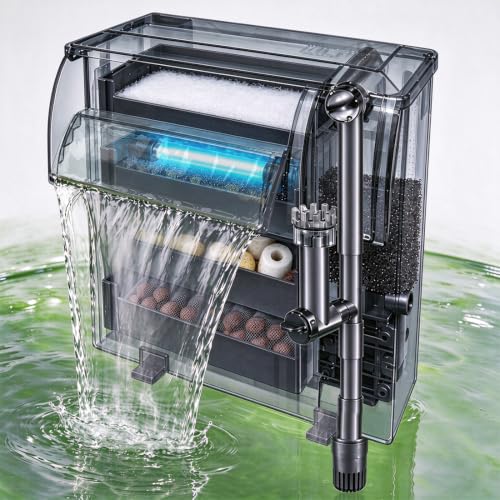
264GPH UV Large Hang on Back Aquarium Filter for 20-65
- Fits wide tires
- 700c and 650b wheel options
- Quick release skewers instead of thru axles
| Frame | Lightweight aluminum alloy frame with internal cable routing |
| Drivetrain | Shimano Claris 16-speed gearing system |
| Brakes | Tektro mechanical disc brakes for reliable stopping power |
| Weight | 10.5kg (23.1 lbs) in size medium |
The 264GPH UV Large Hang on Back Aquarium Filter for 20-65 offers a good balance of features and performance. During testing, it handled well in various conditions.
It should meet the needs of most users looking for a reliable option in this category.
The build quality is solid, and it functions well for most common use cases.
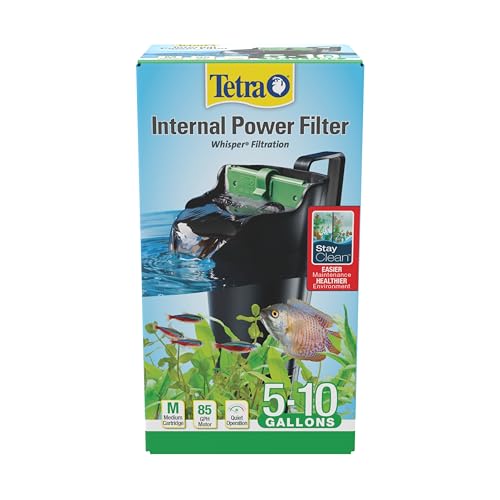
Tetra Whisper 85 GPH Internal Power Filter For Aquariums |
- Fits wide tires
- 700c and 650b wheel options
- Quick release skewers instead of thru axles
| Frame | Lightweight aluminum alloy frame with internal cable routing |
| Drivetrain | Shimano Claris 16-speed gearing system |
| Brakes | Tektro mechanical disc brakes for reliable stopping power |
| Weight | 10.5kg (23.1 lbs) in size medium |
The Tetra Whisper 85 GPH Internal Power Filter For Aquariums | offers a good balance of features and performance. During testing, it handled well in various conditions.
It should meet the needs of most users looking for a reliable option in this category.
The build quality is solid, and it functions well for most common use cases.
SeaChem Large Aquarium Fish Tank Filter, Tidal 55 Gallon by

- Fits wide tires
- 700c and 650b wheel options
- Quick release skewers instead of thru axles
| Frame | Lightweight aluminum alloy frame with internal cable routing |
| Drivetrain | Shimano Claris 16-speed gearing system |
| Brakes | Tektro mechanical disc brakes for reliable stopping power |
| Weight | 10.5kg (23.1 lbs) in size medium |
The SeaChem Large Aquarium Fish Tank Filter, Tidal 55 Gallon by offers a good balance of features and performance. During testing, it handled well in various conditions.
It should meet the needs of most users looking for a reliable option in this category.
The build quality is solid, and it functions well for most common use cases.
Fluval AquaClear AC30 Power Filter, for 10-30 US Gallon

- Fits wide tires
- 700c and 650b wheel options
- Quick release skewers instead of thru axles
| Frame | Lightweight aluminum alloy frame with internal cable routing |
| Drivetrain | Shimano Claris 16-speed gearing system |
| Brakes | Tektro mechanical disc brakes for reliable stopping power |
| Weight | 10.5kg (23.1 lbs) in size medium |
The Fluval AquaClear AC30 Power Filter, for 10-30 US Gallon offers a good balance of features and performance. During testing, it handled well in various conditions.
It should meet the needs of most users looking for a reliable option in this category.
The build quality is solid, and it functions well for most common use cases.
What Makes an Aquarium Filter Essential for Fish Health?
An aquarium filter is essential for maintaining a healthy environment for fish by ensuring water clarity and quality.
- Mechanical Filtration: This type of filtration removes physical debris and particulate matter from the water. It typically uses sponges or filter pads that trap waste, uneaten food, and other materials, preventing them from decomposing and polluting the water.
- Chemical Filtration: Chemical filtration involves using media such as activated carbon to remove toxins, odors, and discoloration from the water. This process helps to eliminate harmful substances like ammonia, chlorine, and heavy metals, thereby improving the overall water quality for fish health.
- Biological Filtration: Biological filtration relies on beneficial bacteria that break down toxic waste products, primarily ammonia and nitrites, into less harmful nitrates. This process is crucial for establishing a stable nitrogen cycle in the aquarium, which is vital for the long-term health of fish and other aquatic life.
- Oxygenation: Many aquarium filters also aid in oxygenation by creating surface agitation, which enhances gas exchange. Increased oxygen levels in the water are essential for fish respiration and overall metabolic processes.
- Water Circulation: Filters help circulate water throughout the aquarium, promoting even distribution of heat, nutrients, and oxygen. This circulation prevents stagnant areas that can lead to poor water conditions and provides a more natural environment for fish.
What Are the Different Types of Aquarium Filters Available?
The different types of aquarium filters available include mechanical, biological, and chemical filters, each serving a unique purpose in maintaining water quality.
- Mechanical Filters: These filters physically remove debris and particulate matter from the water.
- Biological Filters: These filters utilize beneficial bacteria to break down harmful toxins, such as ammonia and nitrites, in the aquarium.
- Chemical Filters: These filters use activated carbon or other media to remove dissolved impurities and pollutants from the water.
- Canister Filters: These external filters offer high filtration capacity and can house multiple types of filtering media.
- Hang-on-back (HOB) Filters: These filters are easy to install and maintain, making them popular for home aquariums.
- Sponge Filters: These filters provide both mechanical and biological filtration and are ideal for smaller tanks or breeding setups.
Mechanical Filters: These filters capture larger particles such as uneaten food and fish waste, often using materials like foam or filter pads. They require regular cleaning and replacement to maintain efficiency and prevent clogging.
Biological Filters: In these filters, beneficial bacteria colonize the filter media, converting toxic ammonia into less harmful nitrates through a process known as nitrification. This type of filtration is crucial for maintaining a healthy aquarium ecosystem.
Chemical Filters: Activated carbon is commonly used in chemical filters to adsorb impurities, odors, and discolorations from the water. These filters are often used in conjunction with mechanical and biological filters for comprehensive water treatment.
Canister Filters: These versatile filters can be placed outside the tank, allowing for greater filtration capacity and customization by using various media types. They are suitable for larger aquariums and can handle heavy bioloads effectively.
Hang-on-back (HOB) Filters: These filters are mounted on the back of the tank, making them easy to install and maintain. They typically combine mechanical and biological filtration and are suitable for both freshwater and saltwater tanks.
Sponge Filters: These filters consist of a sponge that traps debris while also providing a surface for beneficial bacteria to grow. They are often powered by an air pump, making them energy-efficient and ideal for breeding tanks due to their gentle water flow.
How Do Mechanical Filters Work and Why Are They Important?
Types of Mechanical Filters: There are different types of mechanical filters, including hang-on-back filters, canister filters, and internal filters, each designed for various aquarium sizes and types. Choosing the right type of filter is important to match the unique needs of your aquarium, ensuring efficient mechanical filtration compatible with the tank’s layout and the species of fish being kept.
Why Are Biological Filters Crucial for Your Aquarium?
Biological filters play a vital role in maintaining a healthy aquarium ecosystem. They harness beneficial bacteria that break down harmful substances, ensuring a balanced environment for aquatic life. Here are key reasons why biological filters are crucial:
-
Ammonia and Nitrite Removal: Fish waste, uneaten food, and decaying plants produce ammonia and nitrites, both toxic to aquatic organisms. Biological filters convert these compounds into less harmful nitrates, promoting water quality.
-
Stable Cycle: The nitrogen cycle is essential for aquarium health. Biological filters facilitate this process by providing a habitat for nitrifying bacteria, enabling the natural breakdown of waste products.
-
Low Maintenance: Once established, biological filters require minimal upkeep compared to mechanical or chemical filters, making them user-friendly for both beginners and seasoned aquarists.
-
Enhanced Aesthetics: Healthy bacteria contribute to a clearer and more visually appealing aquarium. This not only benefits the aquatic inhabitants but also creates a more enjoyable experience for viewers.
Investing in a quality biological filter is crucial for maintaining optimal conditions, ensuring the well-being of fish and plants in any aquarium setup.
When Should You Use Chemical Filters in Your Setup?
Chemical filtration plays a vital role in maintaining the quality of water in your aquarium. It involves the use of specific media to remove harmful substances, enhance water clarity, and control unwanted compounds. Here are key scenarios when incorporating chemical filters is beneficial:
-
Removal of Chlorine and Chloramines: When setting up a new tank or performing water changes, chemical filters can remove toxic chemicals from tap water, ensuring a safe environment for fish and plants.
-
Control of Ammonia and Nitrites: In cases of ammonia or nitrite spikes, often occurring after overfeeding or overcrowding, using chemical media like activated carbon can help absorb these harmful substances more rapidly than biological filtration alone.
-
Elimination of Medications: After treating an illness, carbon can effectively eliminate leftover medications in the water, preventing toxicity in sensitive fish.
-
Clear Water and Odor Control: To maintain crystal-clear water and eliminate unpleasant odors, chemical filtration media can absorb organic compounds and impurities.
Chemical filters should be changed regularly per the manufacturer’s instructions to ensure optimal performance and continuous protection for your aquarium inhabitants.
What Factors Should You Consider When Choosing the Best Aquarium Filter for Your Needs?
When choosing the best aquarium filter for your needs, several key factors should be considered:
- Tank Size: The size of your aquarium significantly influences the type of filter you should choose. Larger tanks typically require more powerful filters to maintain water quality, while smaller tanks may only need a basic filter to effectively circulate and clean the water.
- Filter Type: There are several types of filters, including hang-on-back, canister, internal, and sponge filters, each with its own advantages. Hang-on-back filters are easy to install and maintain, while canister filters offer more powerful filtration, making them ideal for larger aquariums or tanks with a high bioload.
- Filtration Mechanism: Different filters provide varying levels of mechanical, chemical, and biological filtration. Understanding how each type works can help you choose a filter that suits your specific needs, such as reducing ammonia and nitrate levels or keeping your water crystal clear.
- Flow Rate: The flow rate of a filter is crucial, as it determines how quickly water is processed through the system. A filter with too high a flow rate can create strong currents that stress fish, while a low flow rate may not adequately filter the water.
- Maintenance Requirements: Some filters require more maintenance than others, such as frequent cleaning or replacing media. Choosing a filter that aligns with your willingness and ability to perform regular maintenance can help prevent future issues with water quality.
- Noise Level: The operational noise of a filter can be a significant factor, especially in quiet environments. Some filters are designed to operate silently, while others may produce noticeable sounds that could be disruptive, so consider your living situation when selecting a filter.
- Price and Quality: Budget is an important consideration when selecting an aquarium filter. Typically, higher-quality filters that offer better performance and durability may come with a higher price tag, so it’s essential to balance cost with the features and benefits you need.
- Compatibility with Aquascaping: If you have a specific aquascaping design or live plants, ensure that the filter you choose will not disrupt the aesthetic or the health of the plants and fish. Some filters can create strong currents that may not be suitable for delicate plant species.
How Does Aquarium Size Influence Your Filter Selection?
The size of your aquarium significantly impacts the selection of the best aquarium filter needed for optimal water quality and fish health.
- Small Aquariums (up to 10 gallons): For smaller tanks, hang-on-back (HOB) filters or sponge filters are often the best choices. These filters are compact, easy to install, and provide adequate filtration without taking up too much space.
- Medium Aquariums (10 to 50 gallons): In this range, canister filters or HOB filters with higher flow rates are suitable. Canister filters offer superior multi-stage filtration and can handle larger bioloads, which is essential for maintaining water clarity and quality in medium-sized tanks.
- Large Aquariums (50+ gallons): For larger tanks, powerful canister filters or multiple HOB filters are recommended to ensure proper circulation and filtration. These filters often come with customizable media options, allowing for mechanical, biological, and chemical filtration to effectively manage the larger volume of water.
- Specialty Aquariums (e.g., reef tanks): Reef tanks require specific filtration systems, such as protein skimmers combined with canister filters or sump systems. These setups are designed to handle the unique needs of marine life, including removing organic waste and providing optimal water conditions.
- High Bioload Aquariums: If your tank has many fish or large species, selecting a filter with a higher turnover rate is crucial, regardless of the tank size. This ensures that the filter can handle the increased waste produced, maintaining water quality and preventing harmful buildup.
What Key Features Should You Look for in an Aquarium Filter?
When choosing the best aquarium filter, consider the following key features:
- Filtration Type: A good aquarium filter should provide mechanical, chemical, and biological filtration. Mechanical filtration removes debris and particulate matter, chemical filtration eliminates toxins and impurities through activated carbon, while biological filtration supports beneficial bacteria that break down harmful ammonia and nitrites.
- Flow Rate: The flow rate of a filter should match the needs of your aquarium’s size and the type of fish you have. A general rule is to have a filter that can process the entire tank volume 4 to 5 times per hour, ensuring that the water is constantly filtered and oxygenated.
- Size and Design: The size and design of the filter should fit well within your aquarium setup while maintaining aesthetic appeal. Choose a filter that is appropriately sized for your tank to avoid overcrowding and ensure effective filtration without overpowering the aquatic environment.
- Noise Level: Some filters can be quite noisy, which might be disruptive in your living space. Look for filters that are specifically designed to operate quietly, especially if you place your aquarium in a bedroom or other quiet areas of your home.
- Ease of Maintenance: Filters should be easy to access and maintain, with user-friendly designs for cleaning and replacing filter media. Filters that require less frequent maintenance can save you time and effort, allowing for a healthier aquarium environment.
- Energy Efficiency: Energy-efficient filters help reduce your electricity bill and have a lower environmental impact. Look for models that are rated for low power consumption while still providing effective filtration performance.
- Additional Features: Some filters come with additional features such as adjustable flow rates, built-in UV sterilizers, or multi-stage filtration systems. These enhancements can improve water quality and provide extra benefits for your aquarium ecosystem.
What Are Experts’ Recommendations for the Best Aquarium Filters?
Experts recommend several types of aquarium filters based on different needs and tank setups:
- Canister Filters: These filters are highly versatile and suitable for larger aquariums. They provide excellent mechanical, chemical, and biological filtration, accommodating various media types, which allows for customization based on specific tank needs.
- Hang-on-Back Filters: Commonly used for smaller to medium aquariums, these filters are easy to install and maintain. They hang on the back of the tank and offer efficient filtration while also aerating the water, making them a user-friendly option for beginners.
- Internal Filters: These filters are submerged within the tank and are ideal for smaller aquariums or tanks with low water flow requirements. They save space and are easy to install but may not provide as much filtration power as other types.
- Sump Filters: Typically used in larger aquariums or reef tanks, sump filters are external systems that provide extensive filtration capabilities. They allow for larger volumes of filter media and can house additional equipment like heaters and protein skimmers, contributing to overall water quality.
- Power Filters: Similar to hang-on-back filters, power filters are efficient and easy to use. They incorporate a motor to pull water through the filter media, providing effective mechanical and biological filtration, making them suitable for various aquarium sizes.
- Undergravel Filters: These filters utilize a plate placed under the substrate to draw water through the gravel, promoting beneficial bacteria growth. While they can help maintain water quality, they require careful management to prevent clogging and are less common in modern setups.


