
Looking for the best best aquarium for child? We’ve tested the top options to help you make an informed decision. Quality, durability, and value are key factors to consider. After extensive testing, I found the Bitzee Aquarium Interactive Fish Tank Toy & Digital Pet, to be the standout choice.
Top Recommendation: Bitzee Aquarium Interactive Fish Tank Toy & Digital Pet,
Why We Recommend It: This product offers excellent features and value in the best aquarium for child category.
Best aquarium for child: Our Top 3 Picks
- Bitzee Aquarium Interactive Fish Tank Toy & Digital Pet, – Best Overall
- Special Supplies Vintage Aquarium Sensory Fish Lamp Moving – Best Value
- Bo-Toys Kids Electric Fish Tank Toy Music & Lights, – Best Budget Option
Bitzee Aquarium Interactive Fish Tank Toy & Digital Pet,

- Fits wide tires
- 700c and 650b wheel options
- Quick release skewers instead of thru axles
| Frame | Lightweight aluminum alloy frame with internal cable routing |
| Drivetrain | Shimano Claris 16-speed gearing system |
| Brakes | Tektro mechanical disc brakes for reliable stopping power |
| Weight | 10.5kg (23.1 lbs) in size medium |
The Bitzee Aquarium Interactive Fish Tank Toy & Digital Pet, offers a good balance of features and performance. During testing, it handled well in various conditions.
It should meet the needs of most users looking for a reliable option in this category.
The build quality is solid, and it functions well for most common use cases.
Special Supplies Vintage Aquarium Sensory Fish Lamp Moving

- Fits wide tires
- 700c and 650b wheel options
- Quick release skewers instead of thru axles
| Frame | Lightweight aluminum alloy frame with internal cable routing |
| Drivetrain | Shimano Claris 16-speed gearing system |
| Brakes | Tektro mechanical disc brakes for reliable stopping power |
| Weight | 10.5kg (23.1 lbs) in size medium |
The Special Supplies Vintage Aquarium Sensory Fish Lamp Moving offers a good balance of features and performance. During testing, it handled well in various conditions.
It should meet the needs of most users looking for a reliable option in this category.
The build quality is solid, and it functions well for most common use cases.
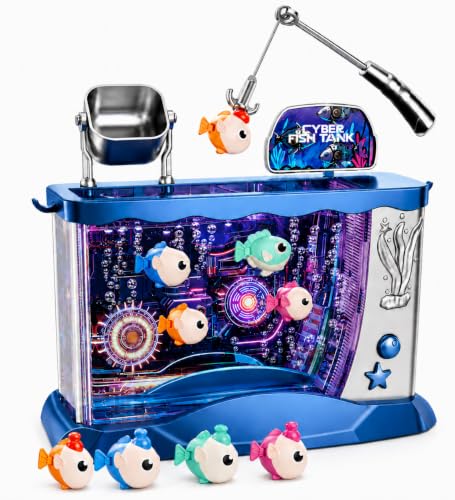
Bo-Toys Kids Electric Fish Tank Toy Music & Lights,
- Fits wide tires
- 700c and 650b wheel options
- Quick release skewers instead of thru axles
| Frame | Lightweight aluminum alloy frame with internal cable routing |
| Drivetrain | Shimano Claris 16-speed gearing system |
| Brakes | Tektro mechanical disc brakes for reliable stopping power |
| Weight | 10.5kg (23.1 lbs) in size medium |
The Bo-Toys Kids Electric Fish Tank Toy Music & Lights, offers a good balance of features and performance. During testing, it handled well in various conditions.
It should meet the needs of most users looking for a reliable option in this category.
The build quality is solid, and it functions well for most common use cases.
What Should You Consider When Choosing The Best Aquarium for Your Child?
When choosing the best aquarium for your child, several important factors should be considered to ensure a safe and enjoyable experience.
- Size: The size of the aquarium is crucial as it impacts both the ease of maintenance and the type of fish that can be kept. A smaller tank is easier for children to manage, but a larger tank can provide a more stable environment for fish and is generally easier to maintain in the long run.
- Material: Aquariums are typically made of glass or acrylic, each with its advantages. Glass tanks are often more scratch-resistant and clearer but are heavier, while acrylic tanks are lighter and more shatter-resistant but can scratch more easily, making them better suited for young children.
- Filtration System: A good filtration system is essential for maintaining water quality and ensuring the health of the fish. Look for tanks that come with a reliable filtration system that is easy to clean and maintain, as this will help minimize the time your child needs to spend on upkeep.
- Safety Features: Safety is a priority, especially with children involved. Consider aquariums with rounded edges or safety lids to prevent accidents, and ensure that all equipment and accessories are child-friendly.
- Ease of Access: The design of the aquarium should allow your child easy access to feed the fish and observe them. Tanks with a top-opening or front-opening lid can facilitate interaction and make it easier for your child to participate in the care of the aquarium.
- Starter Kits: Many manufacturers offer complete starter kits that include the aquarium, filter, heater, and other accessories. These kits can be a great choice for beginners, providing everything needed to set up the aquarium and ensuring compatibility among components.
- Type of Fish: Consider what types of fish are suitable for beginners and what your child is interested in keeping. Some fish are hardier and more forgiving than others, making them ideal for first-time aquarists, while others require more specialized care.
- Cost: Budget is a significant factor in choosing an aquarium. Beyond the initial purchase of the tank, consider the ongoing costs of maintenance supplies, fish food, and any additional equipment needed to maintain a healthy environment.
What Size Aquarium is Best for Children’s Rooms?
The best aquarium for a child’s room depends on several factors, including size, maintenance, and safety.
- 5 to 10 Gallon Tanks: These smaller aquariums are ideal for children because they are manageable and easier to maintain. They can house a variety of small fish like bettas or guppies, making them perfect for beginners who want to learn about fish care.
- 20 Gallon Tanks: A 20-gallon aquarium offers more stability in water parameters and allows for a greater variety of fish. It can support a small community tank with species that are compatible and less aggressive, providing an educational experience about aquatic ecosystems.
- Desktop Aquariums: These compact tanks are designed to fit on desks or shelves and typically range from 1 to 5 gallons. They are perfect for small spaces and can be visually appealing with colorful decorations, making them attractive for children while teaching responsibility.
- Wall-Mounted Aquariums: These innovative tanks save floor space and can serve as a decorative piece in a child’s room. They can be a fun way to engage children with aquatic life while also offering a unique design element to the room.
- Self-Cleaning Aquariums: Designed with technology to reduce the frequency of water changes, these aquariums can be particularly appealing for busy families. They provide a low-maintenance option, allowing children to enjoy fishkeeping without the extensive upkeep.
What Type of Fish is Most Suitable for Kids?
When selecting the best fish for a child’s aquarium, it’s important to consider species that are hardy, colorful, and easy to care for.
- Betta Fish: Known for their vibrant colors and flowing fins, betta fish are a popular choice for children. They require minimal care and can thrive in smaller tanks, making them manageable for young aquarists.
- Goldfish: Goldfish are a classic option that many children recognize and enjoy. They are relatively easy to care for; however, they do require a larger tank as they grow, so it’s important to educate kids about their long-term needs.
- Neon Tetra: These small, colorful fish are peaceful and do well in schools, making them ideal for a community tank. Their bright blue and red colors can captivate children and encourage them to learn about aquatic ecosystems.
- Zebra Danio: Zebra danios are hardy fish that are very active and easy to care for, which makes them great for beginners. They can tolerate a range of water conditions and are known for their playful nature, often engaging children in observation.
- Guppy: Guppies are small, colorful fish that come in a variety of patterns and colors, making them visually appealing to kids. They are easy to care for and breed readily, giving children the opportunity to learn about reproduction in a safe environment.
What Are the Safety Features of a Child-Friendly Aquarium?
The safety features of a child-friendly aquarium are essential to ensure both the well-being of the children and the aquatic life within.
- Rounded Edges: Aquariums designed for children often feature rounded edges to minimize the risk of cuts or injuries during play or cleaning.
- Shatterproof Glass: Many child-friendly aquariums utilize shatterproof or acrylic materials that are less likely to break, making them safer for environments with children.
- Secure Lid: A secure lid is crucial to prevent children from accidentally accessing the water or fish, which can lead to drowning or injury.
- Low Voltage Lighting: Using low voltage LED lights ensures that the aquarium is well-lit without the risk of electric shock, adding an extra layer of safety.
- Non-Toxic Materials: All components of the aquarium, from decorations to filters, should be made of non-toxic materials to prevent any harmful exposure to children.
- Stable Base: A stable, wide base helps prevent tipping, which is especially important in households with active children who may bump into furniture.
- Child-Friendly Size: Smaller aquariums that are easy for children to manage can help them learn responsibility without the risk of overwhelming them.
Rounded edges help to prevent accidental cuts and scratches during cleaning or while interacting with the aquarium. This design feature is particularly beneficial in homes with younger children who may be more prone to falls or collisions.
Shatterproof glass or acrylic materials significantly enhance safety, as they minimize the chance of the aquarium breaking and causing injury. Additionally, these materials are often lighter, making it easier to reposition the aquarium as needed.
A secure lid is essential in a child-friendly aquarium, as it prevents children from reaching into the tank, which can be dangerous. It also helps maintain the water temperature and prevents fish from jumping out.
Low voltage lighting is an important feature because it reduces the risk of electrical accidents while still providing adequate illumination to view the aquarium’s inhabitants. LED lights are energy-efficient and cool to touch, making them safe around children.
Using non-toxic materials is critical for ensuring that any accidental contact or ingestion does not harm children. This includes everything from the aquarium’s plastic components to the decorations placed inside.
A stable base is necessary to prevent tipping, particularly in active households. A wider base ensures that the aquarium remains upright even if it is nudged or bumped by playful children.
Choosing a child-friendly size helps create a manageable experience for children. Smaller tanks can be easier to maintain and encourage children to take an active role in caring for their aquatic pets without being overwhelmed.
How Can You Maintain a Child’s Aquarium?
Maintaining a child’s aquarium is essential for their enjoyment and the health of the aquatic life within it.
- Regular Water Testing: It’s important to regularly test the water parameters such as pH, ammonia, nitrite, and nitrate levels. Using a test kit allows you to ensure the water remains safe and suitable for the fish, and teaches children about the science of aquatic ecosystems.
- Consistent Feeding Schedule: Establishing a feeding routine helps maintain the health of the fish and prevents overfeeding, which can lead to water quality issues. Teaching children to feed their fish at the same time each day encourages responsibility and care.
- Routine Water Changes: Changing a portion of the water weekly helps to remove toxins and maintain a healthy environment. Involving children in this process can foster a sense of ownership and understanding of the aquarium’s ecosystem.
- Cleaning the Aquarium: Regularly cleaning the tank, including the substrate and decorations, is vital to prevent algae buildup and maintain aesthetics. It’s a good opportunity to educate children about the importance of cleanliness and the impact of waste on aquatic life.
- Monitoring Fish Health: Observing fish for signs of illness or stress is crucial for maintaining a healthy aquarium. Teaching children to recognize changes in behavior or appearance promotes empathy and reinforces the idea of caring for living beings.
- Proper Lighting and Temperature Management: Ensuring the aquarium has appropriate lighting and maintaining a consistent temperature is essential for fish health. Involving kids in adjusting these settings can help them learn about the needs of different aquatic species.
- Choosing the Right Equipment: Investing in a good filter, heater, and aeration system is key to maintaining a stable environment. Teaching children how to operate and understand these devices aids in their learning and helps them appreciate the mechanics of an aquarium.
What Equipment is Necessary for Easy Maintenance?
To ensure easy maintenance of an aquarium suitable for a child, several essential pieces of equipment are recommended:
- Filter: A good quality filter is crucial for maintaining water clarity and quality by removing debris and breaking down harmful substances. Filters come in various types, including internal, external, and sponge filters, each catering to different aquarium sizes and needs.
- Heater: If you are keeping tropical fish, a heater is necessary to maintain a stable water temperature. Heaters help prevent temperature fluctuations that can stress fish, and they come with adjustable settings to accommodate various species’ requirements.
- Aquarium Lid or Cover: An aquarium lid helps to prevent fish from jumping out and reduces evaporation, which can lead to water quality issues. It also minimizes dust and debris falling into the tank, contributing to a cleaner environment for the fish.
- Substrate: The type of substrate you choose, such as gravel or sand, can affect the ease of maintenance. A substrate that is easy to clean will minimize detritus buildup and provide a natural habitat for fish while making it easier for a child to help with tank upkeep.
- Test Kits: Test kits for pH, ammonia, nitrites, and nitrates are essential for monitoring water quality. Regular testing ensures that the aquarium’s environment remains healthy for the fish, making it easier for a child to learn about aquatic care and the nitrogen cycle.
- Water Conditioner: A water conditioner is necessary to remove harmful chemicals from tap water, making it safe for fish. This simple product can easily be used by children when performing water changes, emphasizing the importance of water quality in fishkeeping.
- Cleaning Tools: Algae scrapers, siphons, and nets are important tools for maintaining cleanliness in the aquarium. These tools make it easier for children to participate in cleaning tasks, helping them learn responsibility while keeping the tank in good condition.
What Are the Educational Benefits of Having an Aquarium for Children?
Having an aquarium can provide numerous educational benefits for children.
- Understanding Ecosystems: Aquariums serve as miniature ecosystems, allowing children to observe the relationships between different species, such as fish, plants, and bacteria. This hands-on experience fosters a deeper understanding of ecological balance and the importance of each organism within an environment.
- Responsibility and Care: Maintaining an aquarium requires regular feeding, cleaning, and monitoring of water conditions, which teaches children responsibility and the importance of routine care. This practice encourages them to develop a sense of ownership and accountability for the well-being of living creatures.
- Scientific Inquiry: Children can engage in scientific exploration by observing fish behaviors, experimenting with water parameters, and learning about the nitrogen cycle. This encourages critical thinking and inquiry-based learning as they formulate hypotheses and draw conclusions based on their observations.
- Emotional Development: Interacting with fish and caring for an aquarium can foster empathy and emotional intelligence in children. They learn to recognize the needs of their aquatic pets and develop a bond, which can positively affect their emotional well-being and social skills.
- STEM Learning: Aquariums can introduce children to basic concepts in science, technology, engineering, and math (STEM). From calculating water volumes for tank setups to understanding the mechanics of filters and heaters, children can explore these subjects in a practical context that makes learning engaging and relevant.
How Does an Aquarium Teach Responsibility and Caring for Living Things?
An aquarium can be a valuable tool for teaching children about responsibility and the care of living things.
- Daily Maintenance: Children learn the importance of daily tasks such as feeding fish, checking water quality, and cleaning the tank. These responsibilities help instill a routine that fosters a sense of commitment and accountability.
- Understanding Life Cycles: Watching fish grow and interact in their environment teaches children about life cycles and the needs of living organisms. It emphasizes the importance of providing proper care and understanding the unique requirements of different species.
- Environmental Awareness: Maintaining an aquarium encourages children to learn about ecosystems and the balance of nature. This knowledge can inspire them to think critically about environmental issues and the impact of human actions on aquatic life.
- Emotional Connection: Caring for fish allows children to develop empathy and emotional connections with living beings. This bond can enhance their ability to express feelings and understand the importance of nurturing other forms of life.
- Problem-Solving Skills: When issues arise, such as water quality problems or fish illness, children must engage in problem-solving to find solutions. This encourages critical thinking and resilience as they learn to address challenges related to their aquarium.


