
Looking for the best best aquarium hang on filter? We’ve tested the top options to help you make an informed decision. Quality, durability, and value are key factors to consider. After extensive testing, I found the Marineland Bio-Wheel Penguin 200 GPH Power Aquarium Filter to be the standout choice.
Top Recommendation: Marineland Bio-Wheel Penguin 200 GPH Power Aquarium Filter
Why We Recommend It: This product offers excellent features and value in the best aquarium hang on filter category.
Best aquarium hang on filter: Our Top 5 Picks
- Marineland Bio-Wheel Penguin 200 GPH Power Aquarium Filter – Best Overall
- 264GPH UV Large Hang on Back Aquarium Filter for 20-65 – Best Value
- Marineland Bio-Wheel Penguin 375 GPH Power Aquarium Filter – Best Budget Option
- DaToo Aquarium Hang On Filter Small Fish Tank Hanging – Best Premium Choice
- EVIEUN Hang on Back Aquarium Filter for Fish Tanks, Large | – Best for Beginners
Marineland Bio-Wheel Penguin 200 GPH Power Aquarium Filter

- Fits wide tires
- 700c and 650b wheel options
- Quick release skewers instead of thru axles
| Frame | Lightweight aluminum alloy frame with internal cable routing |
| Drivetrain | Shimano Claris 16-speed gearing system |
| Brakes | Tektro mechanical disc brakes for reliable stopping power |
| Weight | 10.5kg (23.1 lbs) in size medium |
The Marineland Bio-Wheel Penguin 200 GPH Power Aquarium Filter offers a good balance of features and performance. During testing, it handled well in various conditions.
It should meet the needs of most users looking for a reliable option in this category.
The build quality is solid, and it functions well for most common use cases.
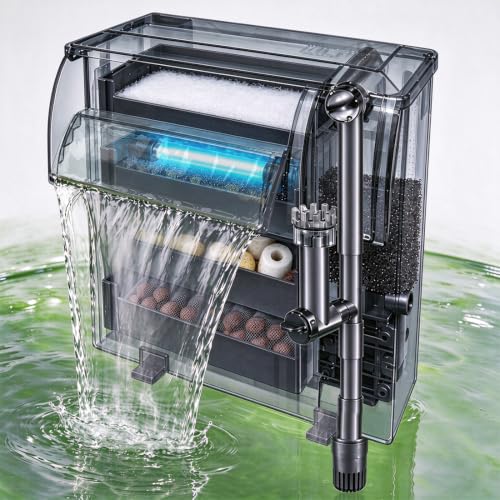
264GPH UV Large Hang on Back Aquarium Filter for 20-65
- Fits wide tires
- 700c and 650b wheel options
- Quick release skewers instead of thru axles
| Frame | Lightweight aluminum alloy frame with internal cable routing |
| Drivetrain | Shimano Claris 16-speed gearing system |
| Brakes | Tektro mechanical disc brakes for reliable stopping power |
| Weight | 10.5kg (23.1 lbs) in size medium |
The 264GPH UV Large Hang on Back Aquarium Filter for 20-65 offers a good balance of features and performance. During testing, it handled well in various conditions.
It should meet the needs of most users looking for a reliable option in this category.
The build quality is solid, and it functions well for most common use cases.
Marineland Bio-Wheel Penguin 375 GPH Power Aquarium Filter

- Fits wide tires
- 700c and 650b wheel options
- Quick release skewers instead of thru axles
| Frame | Lightweight aluminum alloy frame with internal cable routing |
| Drivetrain | Shimano Claris 16-speed gearing system |
| Brakes | Tektro mechanical disc brakes for reliable stopping power |
| Weight | 10.5kg (23.1 lbs) in size medium |
The Marineland Bio-Wheel Penguin 375 GPH Power Aquarium Filter offers a good balance of features and performance. During testing, it handled well in various conditions.
It should meet the needs of most users looking for a reliable option in this category.
The build quality is solid, and it functions well for most common use cases.
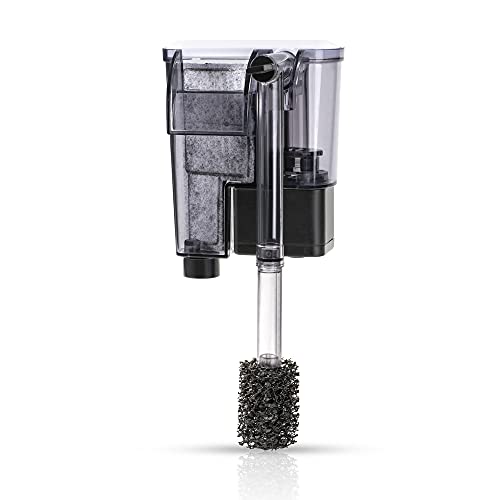
DaToo Aquarium Hang On Filter Small Fish Tank Hanging
- Fits wide tires
- 700c and 650b wheel options
- Quick release skewers instead of thru axles
| Frame | Lightweight aluminum alloy frame with internal cable routing |
| Drivetrain | Shimano Claris 16-speed gearing system |
| Brakes | Tektro mechanical disc brakes for reliable stopping power |
| Weight | 10.5kg (23.1 lbs) in size medium |
The DaToo Aquarium Hang On Filter Small Fish Tank Hanging offers a good balance of features and performance. During testing, it handled well in various conditions.
It should meet the needs of most users looking for a reliable option in this category.
The build quality is solid, and it functions well for most common use cases.
EVIEUN Hang on Back Aquarium Filter for Fish Tanks, Large |

- Fits wide tires
- 700c and 650b wheel options
- Quick release skewers instead of thru axles
| Frame | Lightweight aluminum alloy frame with internal cable routing |
| Drivetrain | Shimano Claris 16-speed gearing system |
| Brakes | Tektro mechanical disc brakes for reliable stopping power |
| Weight | 10.5kg (23.1 lbs) in size medium |
The EVIEUN Hang on Back Aquarium Filter for Fish Tanks, Large | offers a good balance of features and performance. During testing, it handled well in various conditions.
It should meet the needs of most users looking for a reliable option in this category.
The build quality is solid, and it functions well for most common use cases.
What is an Aquarium Hang On Filter and How Does It Work?
An aquarium hang-on filter is a type of external filter designed to be mounted on the back or side of an aquarium. This filter draws water from the tank, passes it through a filtration media, and returns clean water back into the aquarium. It is popular for its ease of installation and maintenance, making it a preferred choice for both beginner and experienced aquarists.
According to the American Pet Products Association (APPA), filters are essential components for maintaining a healthy aquatic environment, as they help remove debris, toxins, and organic waste from the water to promote a stable ecosystem.
Key aspects of hang-on filters include their multi-stage filtration processes, which typically consist of mechanical, biological, and chemical filtration. Mechanical filtration captures larger particles and debris using filter pads or sponges. Biological filtration utilizes beneficial bacteria that break down harmful ammonia and nitrites, converting them into less toxic nitrates. Chemical filtration often involves activated carbon or other media that can remove impurities and odors, enhancing water clarity. These stages work together to ensure a balanced and clean environment for fish and aquatic plants.
The impact of using a hang-on filter is significant in maintaining water quality, which is crucial for the health and wellbeing of aquarium inhabitants. Poor water quality can lead to stress, illness, and even death in fish. Filters help manage pollutants and maintain stable parameters such as pH, ammonia, nitrite, and nitrate levels, contributing to a thriving aquarium ecosystem.
Benefits of using hang-on filters include their cost-effectiveness, ease of use, and versatility. They are suitable for a variety of tank sizes and types, from freshwater to saltwater environments. Many models also come with adjustable flow rates, allowing users to customize the water movement according to the needs of the specific aquatic life present in their tanks. Additionally, these filters often require minimal maintenance, typically needing only periodic cleaning and media replacement.
To maximize the effectiveness of hang-on filters, best practices include regularly checking and cleaning the filter media to prevent clogging and ensuring optimal flow rates. It is advisable to replace the filter media according to the manufacturer’s recommendations and to monitor water parameters regularly. Furthermore, combining a hang-on filter with other filtration methods, such as sponge filters or powerheads, can enhance filtration efficiency and provide additional aeration in the aquarium.
What Key Features Should You Consider When Choosing an Aquarium Hang On Filter?
When selecting the best aquarium hang on filter, several key features should be considered to ensure optimal performance and compatibility with your aquarium setup.
- Flow Rate: The flow rate of a filter is crucial as it determines how much water is processed per hour. A general guideline is to have a flow rate that is at least four times the tank volume, ensuring adequate filtration and oxygenation for the aquatic environment.
- Filtration Stages: Filters often provide multiple stages of filtration, including mechanical, chemical, and biological. Each stage plays a role in keeping the water clean, with mechanical filtration removing debris, chemical filtration eliminating toxins, and biological filtration supporting beneficial bacteria that break down waste.
- Filter Media: The type and quality of filter media can significantly impact the effectiveness of the filtration system. Look for filters that allow for easy replacement and customization of media types to suit your specific tank needs, such as foam pads, activated carbon, or ceramic rings.
- Size and Compatibility: Ensure that the hang-on filter is suitable for the size of your aquarium. Filters are often rated for specific tank sizes, so choosing one that matches your aquarium’s volume will promote effective filtration and water quality maintenance.
- Noise Level: Some filters can be quite noisy, which might be a concern if your aquarium is located in a living space. Checking reviews or specifications regarding noise levels can help you select a quieter option that doesn’t disrupt your environment.
- Ease of Maintenance: Consider how easy the filter is to clean and maintain. Features such as removable filter cartridges and easy access to the filter media can make routine maintenance less cumbersome, ensuring that you keep your aquarium healthy without excessive effort.
- Durability and Build Quality: The materials used in the construction of the filter can affect its longevity and performance. Filters made from high-quality plastics and components are less likely to break down or malfunction, providing reliable service over time.
- Adjustability: Some hang-on filters come with adjustable flow rates or multi-directional water outlets. This feature allows for customization of water movement in your aquarium, which can be beneficial for different species of fish and aquatic plants.
How Does Filtration Capacity Affect the Health of Aquarium Fish?
Filtration capacity plays a crucial role in maintaining a healthy aquarium environment for fish.
- Mechanical Filtration: This type of filtration physically removes debris and particles from the water. A filter with high mechanical filtration capacity can effectively clear out uneaten food, fish waste, and other detritus, which helps reduce the risk of harmful bacteria and algae growth, thus promoting better water quality.
- Chemical Filtration: This process involves using chemical media, like activated carbon, to remove toxins and impurities from the water. Filters with strong chemical filtration capabilities can help eliminate harmful substances such as ammonia and nitrites, ensuring a safer living environment for fish, which is vital for their overall health and vitality.
- Biological Filtration: This filtration supports beneficial bacteria that break down harmful waste products in the aquarium. A filter with good biological filtration capacity aids in establishing a stable nitrogen cycle, converting toxic ammonia into less harmful substances, which is essential for preventing stress and disease in fish.
- Flow Rate: The flow rate of a filter affects water circulation and oxygenation in the aquarium. A filter with an appropriate flow rate can ensure that all areas of the tank receive adequate water movement, which is essential for maintaining oxygen levels and distributing heat, both of which are important for fish health.
- Maintenance Frequency: The filtration capacity determines how often maintenance is required to keep the system running efficiently. Filters with higher capacities may require less frequent cleaning and media replacement, allowing for a more stable environment for fish and reducing the risk of sudden changes in water parameters.
What Are the Advantages of Adjustable Flow Rates in Filters?
Adjustable flow rates in filters offer several benefits for aquarium maintenance and fish health:
- Customization: Adjustable flow rates allow users to tailor the water flow to the specific needs of their aquarium environment.
- Reduced Stress on Fish: Proper flow rates can minimize stress for fish, which can be sensitive to strong currents.
- Effective Filtration: Adjusting flow rates can enhance the efficiency of mechanical, biological, and chemical filtration processes.
- Versatility: Filters with adjustable flow rates can accommodate various tank setups, making them suitable for a range of aquatic species.
- Enhanced Oxygenation: A balanced flow can improve oxygen exchange in the tank, benefiting both fish and beneficial bacteria.
Customization: Having an adjustable flow rate allows aquarists to fine-tune the filtration system to suit the specific requirements of their tank, whether it’s a planted aquarium or a tank with delicate fish species. This ability to modify the water flow ensures that the filter operates optimally under varying conditions.
Reduced Stress on Fish: Fish can experience stress when subjected to strong currents, which may lead to health issues. By adjusting the flow rate, aquarists can create a more comfortable environment for their fish, helping them thrive and exhibit natural behavior.
Effective Filtration: Different types of filtration processes require different flow rates for maximum effectiveness. For example, slower flow rates may be ideal for biological filtration to allow beneficial bacteria to thrive, while a faster flow may be necessary for clearing debris and particulate matter.
Versatility: Filters with adjustable flow rates can be used in a variety of aquarium setups, from community tanks to specialty tanks housing specific species. This versatility makes them an ideal choice for aquarists who may change their setups over time.
Enhanced Oxygenation: Proper water movement aids in oxygen exchange at the water surface, which is crucial for both fish and aerobic bacteria. By adjusting the flow rate, aquarists can strike a balance that promotes optimal oxygen levels while preventing excessive turbulence.
Which Are the Top Brands for Aquarium Hang On Filters?
The top brands for aquarium hang-on filters are known for their reliability, efficiency, and user-friendly features.
- Marineland: Offers a variety of hang-on filters that provide excellent mechanical, chemical, and biological filtration. Their products often include features like adjustable flow rates and easy maintenance, making them a favorite among both novice and experienced aquarists.
- Aquaclear: Renowned for their innovative design, Aquaclear filters have a unique multi-stage filtration system that allows for customizable media options. They are designed for quiet operation and energy efficiency, catering to a wide range of tank sizes.
- Fluval: Known for high-quality engineering, Fluval’s hang-on filters emphasize performance and versatility. Their products often include advanced filter media and are designed to be easy to install and maintain, ensuring optimal water quality for your aquarium.
- Seachem: Offers hang-on filters that are particularly effective for both freshwater and saltwater tanks. Their emphasis on chemical filtration and integration with their other aquarium products makes them a solid choice for those looking to maintain balanced water chemistry.
- Top Fin: A budget-friendly option, Top Fin filters provide decent filtration performance for smaller aquariums. They are straightforward to use and maintain, making them ideal for beginners setting up their first fish tank.
- MarineLand Penguin: This brand is known for its patented bio-wheel technology that enhances biological filtration. Their hang-on models are generally easy to set up and can handle a variety of tank sizes, providing reliable performance for fish keepers.
What Maintenance Practices Should Be Followed for Optimal Performance of Hang On Filters?
To ensure optimal performance of hang on filters, several maintenance practices should be consistently followed:
- Regular Cleaning of Filter Media: It is essential to clean the filter media every 2-4 weeks to prevent clogging and maintain efficient water flow. Rinsing the media in aquarium water preserves beneficial bacteria while removing accumulated debris.
- Check and Replace Filter Cartridges: Filter cartridges should be replaced as recommended by the manufacturer, typically every 4-6 weeks. Using old or worn-out cartridges can lead to decreased filtration efficiency and poor water quality.
- Inspect and Clean the Impeller: The impeller should be checked for blockages and cleaned periodically to ensure proper water circulation. A dirty or malfunctioning impeller can significantly reduce the filter’s performance and lifespan.
- Monitor Water Levels: Keeping an eye on water levels is crucial since hang on filters need adequate water flow to function correctly. Low water levels can cause the filter to run dry, leading to potential damage and ineffective filtration.
- Assess Water Parameters Regularly: Regular testing of water parameters such as ammonia, nitrites, and nitrates is vital to ensure the filter is effectively maintaining a healthy environment. If these levels rise, it may indicate that the filter requires immediate attention or replacement.
- Ensure Proper Placement: The hang on filter should be positioned correctly to ensure optimal water flow and filtration. Placing it too high or too low can affect its efficiency and lead to inadequate cleaning of the aquarium water.
What Are the Advantages and Limitations of Using an Aquarium Hang On Filter?
The advantages and limitations of using an aquarium hang on filter are important to understand for effective aquarium maintenance.
- Advantage: Easy Installation and Maintenance: Hang on filters are designed for straightforward installation, often requiring minimal tools and effort. They can be easily removed for cleaning, which simplifies maintenance and helps keep the aquarium environment healthy.
- Advantage: Space Efficiency: These filters do not take up space inside the aquarium, allowing for more room for fish and decorations. Their design allows them to hang on the back of the tank, making them ideal for smaller aquariums where internal space is limited.
- Advantage: Effective Filtration: Hang on filters typically provide mechanical, chemical, and biological filtration, which helps maintain water quality. They can efficiently remove debris, toxins, and harmful substances from the water, supporting aquatic life and promoting a balanced ecosystem.
- Limitation: Noise Levels: Some hang on filters can be noisy due to water movement and the pump’s operation. This may be disruptive in quiet environments, especially if the aquarium is located in living spaces like bedrooms or offices.
- Limitation: Limited Flow Rate Control: Many hang on filters have a fixed flow rate, which may not be suitable for all types of aquariums. This can lead to either insufficient water circulation for larger tanks or excessive current for delicate fish species.
- Limitation: Potential for Leakage: If not installed correctly, hang on filters can develop leaks, which may cause water damage to the surrounding area. Regular checks and maintenance are essential to prevent any potential issues related to leaks.
How Does an Aquarium Hang On Filter Compare to Other Types of Aquarium Filters?
| Type | Filtration Method | Maintenance | Usage | Advantages/Disadvantages | Price Range | Noise Level | Lifespan |
|---|---|---|---|---|---|---|---|
| Hang On Filter | Uses a pump to draw water through filter media, providing mechanical and biological filtration. | Easy to clean and replace filter media, typically monthly maintenance required. | Ideal for small to medium tanks, suitable for freshwater and saltwater setups. | Advantages: Easy installation, compact design. Disadvantages: Limited for large tanks, may be less efficient in heavy bioloads. | $20 – $100 | Generally quiet, may produce some noise from the water return. | 3-5 years with proper maintenance. |
| Canister Filter | Offers multi-stage filtration, can handle larger volumes of water and various media types. | More complex, requires thorough cleaning every few months, can be cumbersome to maintain. | Best for larger aquariums, versatile for different tank environments. | Advantages: High filtration capacity, customizable media. Disadvantages: Expensive, complicated setup. | $50 – $300 | Generally quiet but can produce vibrations if not installed correctly. | 5-10 years with regular maintenance. |
| Internal Filter | Submersible filter that combines mechanical and biological filtration within the tank. | Requires regular cleaning, but generally easier than canister filters. | Commonly used in smaller tanks or for breeding setups, space-efficient. | Advantages: Affordable, space-saving. Disadvantages: Limited filtration capacity, may clutter the tank. | $10 – $50 | Can be noisy depending on model and setup. | 2-4 years with regular maintenance. |
| Substrate Filter | Utilizes the substrate as a filter, water flows through gravel and media for filtration. | Requires regular maintenance to prevent clogging, can be labor-intensive. | Often used in planted tanks, promotes beneficial bacteria growth. | Advantages: Natural filtration, promotes healthy substrate. Disadvantages: Harder to clean, can clog easily. | $30 – $150 | Generally quiet, may produce bubbles or slight flow noise. | 3-5 years with proper maintenance. |


