
Looking for the best best aquarium heater for fermentation? We’ve tested the top options to help you make an informed decision. Quality, durability, and value are key factors to consider. After extensive testing, I found the HiTauing Aquarium Heater, Upgraded 300W/500W Fish Tank to be the standout choice.
Top Recommendation: HiTauing Aquarium Heater, Upgraded 300W/500W Fish Tank
Why We Recommend It: This product offers excellent features and value in the best aquarium heater for fermentation category.
Best aquarium heater for fermentation: Our Top 4 Picks
- HiTauing Aquarium Heater, Upgraded 300W/500W Fish Tank – Best Overall
- Orlushy Submersible Aquarium Heater, Adjustable Fish Tahk – Best Value
- hygger Small Aquarium Betta Heater, Submersible Fish Tank – Best Budget Option
- DaToo Mini Aquarium Heater 25W Small Fish Tank Heater 25 – Best Premium Choice
HiTauing Aquarium Heater, Upgraded 300W/500W Fish Tank

- Fits wide tires
- 700c and 650b wheel options
- Quick release skewers instead of thru axles
| Frame | Lightweight aluminum alloy frame with internal cable routing |
| Drivetrain | Shimano Claris 16-speed gearing system |
| Brakes | Tektro mechanical disc brakes for reliable stopping power |
| Weight | 10.5kg (23.1 lbs) in size medium |
The HiTauing Aquarium Heater, Upgraded 300W/500W Fish Tank offers a good balance of features and performance. During testing, it handled well in various conditions.
It should meet the needs of most users looking for a reliable option in this category.
The build quality is solid, and it functions well for most common use cases.
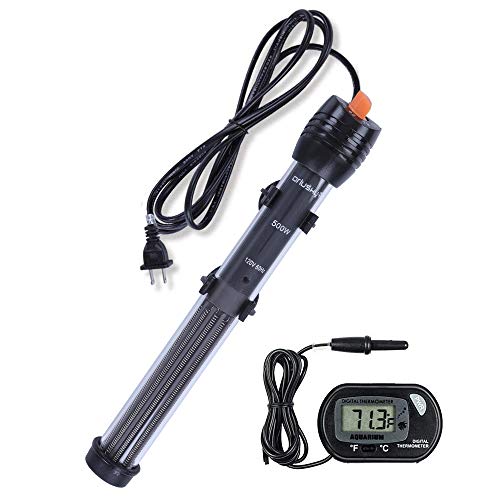
Orlushy Submersible Aquarium Heater, Adjustable Fish Tahk
- Fits wide tires
- 700c and 650b wheel options
- Quick release skewers instead of thru axles
| Frame | Lightweight aluminum alloy frame with internal cable routing |
| Drivetrain | Shimano Claris 16-speed gearing system |
| Brakes | Tektro mechanical disc brakes for reliable stopping power |
| Weight | 10.5kg (23.1 lbs) in size medium |
The Orlushy Submersible Aquarium Heater, Adjustable Fish Tahk offers a good balance of features and performance. During testing, it handled well in various conditions.
It should meet the needs of most users looking for a reliable option in this category.
The build quality is solid, and it functions well for most common use cases.
hygger Small Aquarium Betta Heater, Submersible Fish Tank

- Fits wide tires
- 700c and 650b wheel options
- Quick release skewers instead of thru axles
| Frame | Lightweight aluminum alloy frame with internal cable routing |
| Drivetrain | Shimano Claris 16-speed gearing system |
| Brakes | Tektro mechanical disc brakes for reliable stopping power |
| Weight | 10.5kg (23.1 lbs) in size medium |
The hygger Small Aquarium Betta Heater, Submersible Fish Tank offers a good balance of features and performance. During testing, it handled well in various conditions.
It should meet the needs of most users looking for a reliable option in this category.
The build quality is solid, and it functions well for most common use cases.
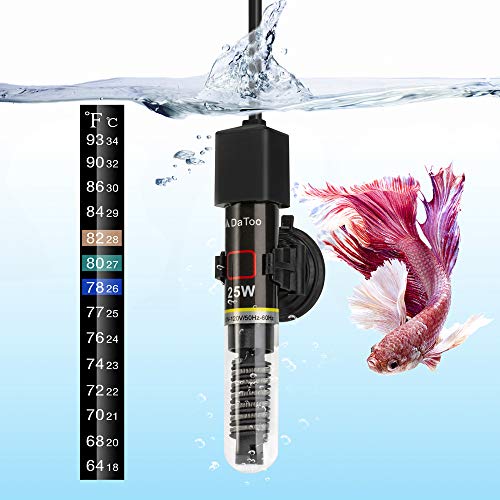
DaToo Mini Aquarium Heater 25W Small Fish Tank Heater 25
- Fits wide tires
- 700c and 650b wheel options
- Quick release skewers instead of thru axles
| Frame | Lightweight aluminum alloy frame with internal cable routing |
| Drivetrain | Shimano Claris 16-speed gearing system |
| Brakes | Tektro mechanical disc brakes for reliable stopping power |
| Weight | 10.5kg (23.1 lbs) in size medium |
The DaToo Mini Aquarium Heater 25W Small Fish Tank Heater 25 offers a good balance of features and performance. During testing, it handled well in various conditions.
It should meet the needs of most users looking for a reliable option in this category.
The build quality is solid, and it functions well for most common use cases.
What Features Should the Best Aquarium Heater for Fermentation Have?
The best aquarium heater for fermentation should possess several key features to ensure optimal temperature control and maintain the ideal conditions for yeast activity.
- Precise Temperature Control: The heater should offer precise temperature settings, ideally with a digital display, allowing users to maintain the specific temperature range conducive to fermentation, typically between 70°F to 80°F (21°C to 27°C).
- Reliable Thermostat: A reliable thermostat is crucial as it prevents temperature fluctuations that can stress yeast and affect fermentation quality; the heater should automatically turn off and on to maintain the set temperature.
- Durability and Water Resistance: The best aquarium heater should be built from high-quality materials that are water-resistant, ensuring longevity and reliability even in humid conditions typically found in fermentation setups.
- Safety Features: Safety features such as overheat protection and automatic shut-off in case of malfunction can prevent accidents and ensure the safety of the fermentation process.
- Easy Installation and Maintenance: Ideal heaters should be easy to install with clear instructions and require minimal maintenance, allowing users to focus on the fermentation process rather than equipment care.
- Size and Wattage Options: The heater should come in various sizes and wattage options to accommodate different tank sizes, ensuring it is powerful enough to heat the water in the fermentation vessel efficiently.
- Energy Efficiency: An energy-efficient heater can help reduce electricity costs over time, making it not only environmentally friendly but also economically advantageous for long-term use.
How Does Temperature Control Affect Fermentation Success?
Temperature control plays a crucial role in fermentation success by providing optimal conditions for yeast and bacteria activity.
- Temperature Range: Each type of yeast and bacteria used in fermentation has a specific temperature range where they thrive. Maintaining the temperature within this range ensures that fermentation proceeds efficiently, avoiding issues like stalled fermentation or unwanted byproducts.
- Consistent Heat Distribution: An effective aquarium heater ensures that the temperature is evenly distributed throughout the fermentation vessel. This prevents hot or cold spots that could negatively impact the fermentation process, leading to inconsistent results.
- Impact on Fermentation Rate: Higher temperatures generally accelerate fermentation, while lower temperatures slow it down. Finding the best aquarium heater allows for precise control over temperature, which can be adjusted according to desired fermentation speed and the specific needs of the fermenting organisms.
- Influence on Flavor Profile: The temperature at which fermentation occurs can significantly affect the flavor profile of the final product. Different temperatures can lead to the production of various esters and phenols, influencing the taste and aroma of the fermented product.
- Preventing Contamination: Maintaining a stable temperature with a good aquarium heater can help inhibit the growth of undesirable microbes that thrive in fluctuating temperatures. This is essential for ensuring a clean fermentation process and achieving the intended results.
What Role Does Energy Efficiency Play in Choosing an Aquarium Heater?
Energy efficiency is a crucial factor when selecting an aquarium heater, especially for fermentation processes where consistent temperature control is vital.
- Operating Costs: Energy-efficient heaters consume less electricity, leading to lower utility bills over time. This is particularly important for aquarists who need to maintain stable temperatures continuously, as higher energy costs can quickly add up.
- Heat Retention: Efficient heaters are designed to retain heat better, meaning they can maintain the desired temperature with less energy input. This feature is especially beneficial in fermentation, where fluctuations in temperature can affect the process and outcome.
- Long Lifespan: Energy-efficient models often have better build quality and materials, contributing to a longer lifespan. A heater that lasts longer reduces the need for replacements, making it a more sustainable option in the long run.
- Environmental Impact: By using less energy, energy-efficient heaters have a smaller carbon footprint. This is an important consideration for environmentally conscious aquarists who aim to minimize their impact on the planet.
- Temperature Stability: Many energy-efficient heaters utilize advanced technology to provide precise temperature control. This stability is essential in fermentation, where even minor temperature changes can disrupt the process.
What Are the Different Types of Aquarium Heaters Suitable for Fermentation?
The different types of aquarium heaters suitable for fermentation include:
- Submersible Heaters: These heaters are fully submerged in the water and are ideal for providing consistent heating throughout the fermentation vessel.
- In-Line Heaters: Installed in the water circulation system, these heaters are efficient for larger setups and maintain stable temperatures without taking up space in the tank.
- Immersion Heaters: These portable heaters can be placed directly into the fermentation liquid, making them versatile for both small and large batches.
- Heating Mats: These mats provide a gentle and even heat from underneath the fermentation vessel, promoting fermentation without overheating the liquid.
Submersible Heaters: Submersible heaters are designed to be placed directly in the water, which allows for even heat distribution. They are often equipped with adjustable thermostats to set the desired temperature, making them suitable for different fermentation processes.
In-Line Heaters: In-line heaters connect directly to the water circulation system of the aquarium and are typically used in larger fermentation setups. They are efficient and can maintain a stable temperature without taking up valuable space in the fermentation area, ensuring that the fermentation process occurs uniformly.
Immersion Heaters: Immersion heaters are portable and can be easily moved from one fermentation vessel to another. They are particularly useful for smaller batches and can quickly raise the temperature of the liquid, making them ideal for initiating fermentation processes.
Heating Mats: Heating mats are placed under the fermentation vessel and provide gentle heat, which helps maintain a stable temperature without direct contact with the liquid. They are especially beneficial for fermenting delicate substances that require careful temperature control, as they minimize the risk of overheating.
How Do Submersible Heaters Compare to Inline Heaters for Fermentation?
| Feature | Submersible Heater | Inline Heater |
|---|---|---|
| Heating Method | Heats water directly in the tank, providing consistent warmth. | Heats water as it flows through, suitable for larger systems. |
| Installation | Easy to install; simply submerge in water. | More complex installation; requires plumbing connections. |
| Temperature Control | Typically has built-in thermostats for easy adjustments. | Often features advanced digital controls for precise heating. |
| Cost | Usually lower in price, making them budget-friendly. | Higher initial investment, but may save on energy costs over time. |
| Power Rating | Varies typically from 50W to 300W depending on tank size. | Ranges from 100W to 1000W or more, suitable for larger systems. |
| Size Compatibility | Best for tanks up to 100 gallons. | Suitable for larger tanks, often over 100 gallons. |
| Maintenance Requirements | Requires occasional cleaning to prevent buildup. | May need regular checks for clogs and requires more maintenance. |
| Safety Features | Generally includes automatic shut-off to prevent overheating. | Often designed with fail-safes and alarms for temperature regulation. |
Which Heater Type is Best for Maintaining Consistency in Fermentation?
The best aquarium heaters for maintaining consistency in fermentation typically include the following options:
- Submersible Heaters: These heaters are designed to be fully submerged in water, providing direct heat to the aquarium environment.
- Inline Heaters: Installed in the water circulation system, inline heaters are efficient and provide consistent heating without taking up space in the aquarium.
- Immersion Heaters: These are portable heating devices that can be placed directly in the fermentation vessel, offering high levels of control over temperature.
- Thermostatic Heaters: These heaters automatically maintain the desired temperature, ensuring a stable environment for fermentation processes.
Submersible Heaters: These heaters are popular for their ease of use and ability to distribute heat evenly throughout the aquarium. They come in various wattages to accommodate different tank sizes and are equipped with adjustable thermostats to fine-tune the temperature, which is crucial for optimal fermentation conditions.
Inline Heaters: Inline heaters are advantageous in that they do not disrupt the aesthetics of the aquarium and can be more energy-efficient. They work by heating the water as it flows through the unit, allowing for consistent temperatures without the risk of overheating or dry running, making them ideal for larger fermentation setups.
Immersion Heaters: These heaters are particularly useful for small-scale fermentation, as they can be directly placed in a fermentation vessel. They provide precise temperature control, which is essential for certain fermentation processes that require specific temperature ranges to achieve desired flavors and characteristics in the final product.
Thermostatic Heaters: These heaters automatically adjust their output to maintain a set temperature, which minimizes temperature fluctuations that could affect fermentation. This type of heater is particularly beneficial for long-term fermentation projects, as it allows for less manual monitoring and intervention, providing a more stable environment for yeast and bacteria activity.
What Are the Top Brands for Aquarium Heaters Used in Fermentation?
The best aquarium heaters for fermentation are essential for maintaining optimal temperatures for yeast activity. Here are some top brands:
- Eheim Jager: Known for its precision and reliability, the Eheim Jager aquarium heater features a glass design and an adjustable temperature range. It has a built-in thermostat that ensures consistent heating, making it ideal for fermentation where temperature stability is crucial.
- Aqueon Pro: The Aqueon Pro heater is designed with a fully submersible feature and an adjustable temperature dial. It is equipped with a durable, shatterproof design, and its advanced technology prevents overheating, ensuring that your fermentation process remains within the desired temperature range.
- Fluval E Series: The Fluval E Series heater is praised for its digital display and accurate temperature readings. With a built-in sensor that monitors heat levels, it provides real-time feedback, which is particularly beneficial for fermentation where minute temperature changes can affect yeast performance.
- Hydor Theo: The Hydor Theo heater is compact and features a stylish design with a transparent body for easy monitoring. Its adjustable thermostat and automatic shut-off function provide safe heating options, making it a reliable choice for fermentation activities.
- Cobalt Aquatics Neo-Therm: This heater stands out due to its slim profile and advanced technology that ensures precise temperature control. The Cobalt Aquatics Neo-Therm offers a digital readout and an easy-to-use interface, making it a user-friendly option for fermenters who want to monitor conditions closely.
What Makes Brand Reputation Important in Choosing an Aquarium Heater?
Brand reputation plays a crucial role in selecting the best aquarium heater for fermentation due to trust, reliability, and quality assurance.
- Trustworthiness: A well-respected brand often indicates a commitment to quality and customer satisfaction. Consumers are more likely to choose products from brands with positive reputations because they have built a history of delivering reliable, effective, and safe heating solutions for aquariums.
- Quality Assurance: Established brands typically have stringent quality control processes. This means that their heaters are more likely to perform consistently and meet safety standards, which is vital in preventing overheating or equipment failure that could harm both the aquarium environment and its inhabitants.
- Customer Support: A reputable brand usually provides excellent customer service, including warranties and support for troubleshooting. If any issues arise with the heater, having access to knowledgeable customer service can make a significant difference in resolving problems quickly and efficiently.
- User Reviews and Feedback: Brand reputation is often reflected in user reviews and feedback. Prospective buyers can gauge the experiences of previous customers, leading to informed decisions based on real-world performance and satisfaction, particularly important for products like aquarium heaters that directly impact the delicate balance of an aquatic ecosystem.
- Innovation and Technology: Established brands are more likely to invest in research and development, leading to innovative features and improved technology in their products. This can result in more efficient heaters that better regulate temperatures, which is critical for fermentation processes in aquariums.
What Mistakes Should You Avoid When Selecting an Aquarium Heater for Fermentation?
When selecting an aquarium heater for fermentation, there are several common mistakes to avoid to ensure optimal temperature control and fermentation success.
- Choosing the Wrong Wattage: It’s essential to select a heater with appropriate wattage for the size of your fermentation vessel. A heater that is too weak may struggle to maintain the desired temperature, while one that is too powerful can lead to overheating and temperature fluctuations.
- Ignoring Temperature Range: Not all aquarium heaters are designed to handle the specific temperature ranges needed for fermentation. Make sure to choose a heater that can consistently maintain the temperature required for your fermentation process, as different types of fermentation (like beer or wine) have varying optimal temperatures.
- Overlooking Build Quality: The build quality and materials of the heater are crucial for durability and safety. Cheaper heaters may be more prone to failure or leaks, which can jeopardize the fermentation environment and lead to unwanted contamination.
- Neglecting Adjustable Settings: A heater with adjustable temperature settings allows you to fine-tune the heating according to the specific needs of your fermentation. Fixed-temperature heaters can limit your ability to adapt to changes in fermentation dynamics or different recipes.
- Failing to Check for Safety Features: Safety features such as automatic shut-off and overheat protection are vital to prevent accidents and maintain a stable fermentation environment. Heaters without these features can pose risks, especially if left unattended for extended periods.
- Not Considering Placement: The placement of the heater within the fermentation vessel can significantly impact its effectiveness. Proper placement ensures even heat distribution, while poor placement can create hot or cold spots that can disrupt the fermentation process.


