
Looking for the best best marine water filter? We’ve tested the top options to help you make an informed decision. Quality, durability, and value are key factors to consider. After extensive testing, I found the GLACIER FRESH RV/Marine Water Filter 1 Flexible Hose to be the standout choice.
Top Recommendation: GLACIER FRESH RV/Marine Water Filter 1 Flexible Hose
Why We Recommend It: This product offers excellent features and value in the best marine water filter category.
Best marine water filter: Our Top 5 Picks
- GLACIER FRESH RV/Marine Water Filter 1 Flexible Hose – Best Overall
- Camco Tastepure RV Water Filter 2-pk – GAC & KDF – Best Value
- OKBA External RV Dual Water Filter System for RVs Camper – Best Budget Option
- Camco Tastepure RV Water Filter – GAC & KDF Filtration – – Best Premium Choice
- Camco Tastepure XL RV Water Filter w/Flexible Hose – Best for Beginners
GLACIER FRESH RV/Marine Water Filter 1 Flexible Hose

- Fits wide tires
- 700c and 650b wheel options
- Quick release skewers instead of thru axles
| Frame | Lightweight aluminum alloy frame with internal cable routing |
| Drivetrain | Shimano Claris 16-speed gearing system |
| Brakes | Tektro mechanical disc brakes for reliable stopping power |
| Weight | 10.5kg (23.1 lbs) in size medium |
The GLACIER FRESH RV/Marine Water Filter 1 Flexible Hose offers a good balance of features and performance. During testing, it handled well in various conditions.
It should meet the needs of most users looking for a reliable option in this category.
The build quality is solid, and it functions well for most common use cases.
Camco Tastepure RV Water Filter 2-pk – GAC & KDF

- Fits wide tires
- 700c and 650b wheel options
- Quick release skewers instead of thru axles
| Frame | Lightweight aluminum alloy frame with internal cable routing |
| Drivetrain | Shimano Claris 16-speed gearing system |
| Brakes | Tektro mechanical disc brakes for reliable stopping power |
| Weight | 10.5kg (23.1 lbs) in size medium |
The Camco Tastepure RV Water Filter 2-pk – GAC & KDF offers a good balance of features and performance. During testing, it handled well in various conditions.
It should meet the needs of most users looking for a reliable option in this category.
The build quality is solid, and it functions well for most common use cases.
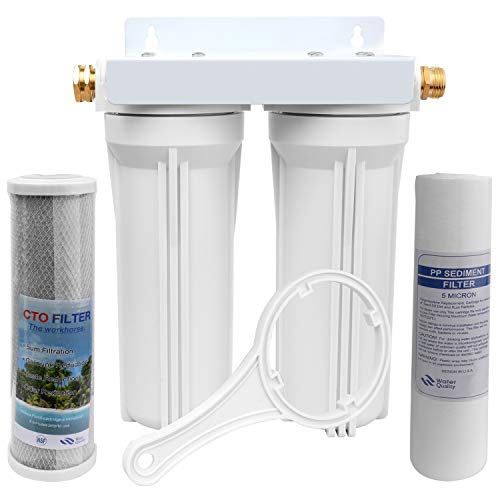
OKBA External RV Dual Water Filter System for RVs Camper
- Fits wide tires
- 700c and 650b wheel options
- Quick release skewers instead of thru axles
| Frame | Lightweight aluminum alloy frame with internal cable routing |
| Drivetrain | Shimano Claris 16-speed gearing system |
| Brakes | Tektro mechanical disc brakes for reliable stopping power |
| Weight | 10.5kg (23.1 lbs) in size medium |
The OKBA External RV Dual Water Filter System for RVs Camper offers a good balance of features and performance. During testing, it handled well in various conditions.
It should meet the needs of most users looking for a reliable option in this category.
The build quality is solid, and it functions well for most common use cases.
Camco Tastepure RV Water Filter – GAC & KDF Filtration –

- Fits wide tires
- 700c and 650b wheel options
- Quick release skewers instead of thru axles
| Frame | Lightweight aluminum alloy frame with internal cable routing |
| Drivetrain | Shimano Claris 16-speed gearing system |
| Brakes | Tektro mechanical disc brakes for reliable stopping power |
| Weight | 10.5kg (23.1 lbs) in size medium |
The Camco Tastepure RV Water Filter – GAC & KDF Filtration – offers a good balance of features and performance. During testing, it handled well in various conditions.
It should meet the needs of most users looking for a reliable option in this category.
The build quality is solid, and it functions well for most common use cases.
Camco Tastepure XL RV Water Filter w/Flexible Hose

- Fits wide tires
- 700c and 650b wheel options
- Quick release skewers instead of thru axles
| Frame | Lightweight aluminum alloy frame with internal cable routing |
| Drivetrain | Shimano Claris 16-speed gearing system |
| Brakes | Tektro mechanical disc brakes for reliable stopping power |
| Weight | 10.5kg (23.1 lbs) in size medium |
The Camco Tastepure XL RV Water Filter w/Flexible Hose offers a good balance of features and performance. During testing, it handled well in various conditions.
It should meet the needs of most users looking for a reliable option in this category.
The build quality is solid, and it functions well for most common use cases.
What Factors Should You Consider When Choosing the Best Marine Water Filter?
When choosing the best marine water filter, several important factors must be considered to ensure optimal performance and compatibility with your marine environment.
- Filtration Type: The type of filtration system is crucial, as there are various methods such as sediment, carbon, and reverse osmosis. Each type has its own strengths, with sediment filters removing larger particles, carbon filters improving taste and odor, and reverse osmosis providing the highest level of purification by removing contaminants at a molecular level.
- Flow Rate: The flow rate of the filter determines how quickly water can be processed, which is essential for ensuring adequate supply. A high flow rate is beneficial for larger marine setups or when quick filtration is needed during high-demand times.
- Size and Portability: Depending on your marine application, the size and portability of the water filter can impact usability. Compact and lightweight filters are ideal for small boats or traveling, while larger systems may be suited for fixed installations on larger vessels.
- Maintenance Requirements: Consider how easy it is to maintain the filter, including the frequency of filter changes and cleaning. Filters that require less maintenance can save time and effort, while those that are more complex may need regular attention to ensure optimal performance.
- Cost and Budget: The initial cost of the filter and ongoing maintenance expenses must align with your budget. It’s important to look for a balance between affordability and quality to ensure you are investing in a reliable water filtration system.
- Compatibility with Marine Environment: Ensure that the filter is specifically designed for marine conditions, capable of withstanding saltwater and other harsh elements. Filters that are marine-grade are built to resist corrosion and provide durability in challenging environments.
- Certifications and Standards: Look for filters that meet industry standards and certifications for water safety and quality. Certifications from organizations like NSF or EPA can provide assurance that the filter has been tested and proven effective against contaminants.
What Are the Different Types of Marine Water Filters Available?
Chemical Filters: Chemical filters typically use activated carbon or other absorbent materials to remove dissolved impurities and odors from the water. They are particularly effective in removing toxins, harmful chemicals, and heavy metals, helping to maintain a safe environment for marine life. These filters need to be replaced periodically to maintain their effectiveness.
Biological Filters: Biological filtration relies on beneficial bacteria that colonize filter media and convert harmful ammonia and nitrites into less toxic nitrates. This process, known as nitrification, is essential for maintaining a balanced marine ecosystem. Biological filters require time to establish a healthy bacterial colony, making them a long-term solution for water quality management.
UV Filters: UV filters are specifically designed to sterilize water by exposing it to ultraviolet light, which disrupts the DNA of harmful microorganisms. This process effectively eliminates bacteria, viruses, and algae, providing an additional layer of protection for aquariums and marine systems. Regular bulb replacement is necessary to ensure the UV filter remains effective.
Reverse Osmosis Filters: Reverse osmosis (RO) filters are highly effective at removing a wide variety of contaminants, including salts, minerals, and organic compounds, from seawater. This process is crucial for creating freshwater systems or for use in aquariums that require low salinity. RO systems often require regular maintenance and pre-filtration to ensure optimal performance and longevity.
How Do Reverse Osmosis Marine Water Filters Operate?
Reverse osmosis marine water filters operate through a specific process to purify seawater for various uses on boats and ships.
- Pre-filtration: This step involves filtering out larger particles and sediments from the seawater before it enters the reverse osmosis system.
- High-pressure pump: A high-pressure pump is used to push the seawater through the membrane, increasing the pressure to overcome osmotic pressure.
- Reverse osmosis membrane: The core component of the system, this semi-permeable membrane allows only water molecules to pass through while rejecting salts and impurities.
- Post-filtration: After the water has been filtered, it may undergo additional post-filtration to further ensure purity and improve taste.
- Storage tank: The purified water is stored in a tank for easy access and use, ensuring that there is a supply available when needed.
Pre-filtration is crucial as it prevents larger debris, such as sand and seaweed, from clogging the reverse osmosis membrane, which could drastically reduce its efficiency and lifespan. Typically, this step involves using sediment filters or carbon filters that can handle the marine environment.
The high-pressure pump is essential as it generates the necessary force to drive seawater through the membrane. This pressure must be sufficient to overcome the natural osmotic pressure of the seawater, allowing the water molecules to pass while leaving the salts and contaminants behind.
The reverse osmosis membrane is the heart of the filtration process. It is designed to allow water to permeate while blocking dissolved solids, including salts, heavy metals, and other impurities, making it highly effective for marine applications where water quality is paramount.
Post-filtration may involve additional carbon filters or UV treatment to eliminate any remaining bacteria or improve the taste of the water. This extra step ensures that the water is not only clean but also palatable for drinking and cooking purposes.
The storage tank is where the treated water is held for distribution as needed. This tank must be made of materials that resist corrosion from saltwater and should be large enough to meet the demands of the vessel’s crew and operations.
What Are the Benefits of Using UV Marine Water Filters?
The benefits of using UV marine water filters are numerous, particularly for ensuring safe and clean water in marine environments.
- Effective Disinfection: UV marine water filters utilize ultraviolet light to kill or inactivate harmful microorganisms, including bacteria, viruses, and protozoa. This method is highly effective and does not introduce any chemicals into the water, making it safe for both human consumption and aquatic life.
- Low Maintenance: Unlike traditional filtration systems that require regular replacement of filters, UV filters typically require less frequent maintenance. The primary upkeep involves cleaning the quartz sleeve that houses the UV lamp to ensure optimal performance, making it a convenient option for boaters and marine enthusiasts.
- No Chemical Residue: One of the key advantages of UV water purification is that it does not leave any chemical residues in the water. This is particularly important in marine environments where chemical pollutants can harm aquatic ecosystems, ensuring that the water remains pure and safe for all life forms.
- Space Efficiency: UV marine water filters are generally compact and require minimal space for installation. This is especially beneficial on boats and yachts where space is often limited, allowing for easy integration into existing systems without compromising storage or usability.
- Rapid Treatment Time: UV filters provide immediate treatment of water, with the purification process occurring in seconds as the water passes through the UV chamber. This rapid processing allows for a continuous supply of clean water, which is essential during long journeys or when in remote areas.
- Environmentally Friendly: Using UV light for water purification is an environmentally friendly option as it reduces reliance on bottled water and minimizes plastic waste. By ensuring access to safe drinking water onboard, it encourages sustainable practices among boaters and marine users.
How Do Carbon Filters Contribute to Marine Water Filtration?
Carbon filters play a crucial role in marine water filtration by removing impurities and enhancing water quality.
- Adsorption of Contaminants: Carbon filters utilize activated carbon, which has a large surface area and porous structure that adsorbs a wide range of contaminants, including chlorine, volatile organic compounds (VOCs), and other harmful substances. This process significantly reduces the levels of these impurities, making the water safer for marine life.
- Improvement of Water Clarity: By filtering out suspended particles and organic matter, carbon filters improve the clarity of marine water. Clearer water is essential for photosynthesis in aquatic plants and is beneficial for the overall health of the marine ecosystem.
- Reduction of Odors and Tastes: Carbon filters are highly effective at eliminating unpleasant odors and tastes caused by organic materials and chemicals in the water. This not only makes the water more pleasant for both marine creatures and aquarists but also encourages a healthier environment for all aquatic species.
- Biological Filtration Support: Carbon filters can aid biological filtration by providing a habitat for beneficial bacteria that break down harmful substances in the water. This synergistic effect enhances the overall filtration system’s efficiency, promoting a balanced and healthy marine ecosystem.
- Ease of Maintenance: Carbon filters are relatively easy to maintain and replace, making them a practical choice for marine water filtration systems. Regular replacement of the carbon media ensures optimal performance and continued effectiveness in contaminant removal.
What Essential Features Define a Quality Marine Water Filter?
Essential features that define a quality marine water filter include:
- Filtration Efficiency: A good marine water filter must effectively remove contaminants, including sediments, algae, bacteria, and viruses. High filtration efficiency ensures that the water is safe for consumption and helps maintain the health of marine life in aquariums or boats.
- Durability: Marine environments are often harsh, so a quality filter should be made from corrosion-resistant materials that can withstand saltwater and other environmental factors. This durability ensures a longer lifespan and reduces the need for frequent replacements.
- Flow Rate: The best marine water filters should have an adequate flow rate that meets the demands of the system it serves. A high flow rate is essential for maintaining water circulation and ensuring that the filtration process does not disrupt the aquatic ecosystem.
- Ease of Maintenance: Regular maintenance is crucial for optimal performance, so a quality marine water filter should be easy to clean and service. Features like removable cartridges or simple backwash systems make it convenient for users to maintain their filters without much hassle.
- Size and Portability: Depending on the application, the size and portability of the filter can be significant. Compact and lightweight designs are ideal for boats and smaller aquariums, allowing for easy installation and transport while still delivering effective filtration.
- Multi-Stage Filtration: Quality filters often employ multi-stage filtration systems that combine different types of filtration methods, such as mechanical, chemical, and biological filtration. This comprehensive approach ensures that a wide range of contaminants is removed, resulting in cleaner and healthier water.
- Compatibility: A quality marine water filter must be compatible with various systems, including different types of aquariums and onboard water systems. This versatility allows users to select filters that best fit their specific needs and preferences.
Which Brands Offer the Most Reliable Marine Water Filters?
The most reliable marine water filters are offered by several well-known brands that excel in performance and durability.
- Shurflo: Known for their high-quality water pumps and filters, Shurflo marine water filters are designed to withstand harsh marine environments while providing clean and safe drinking water. Their filters utilize advanced technology to reduce contaminants effectively, making them a popular choice among boaters.
- Seagull IV: Seagull IV filters are widely regarded for their exceptional filtration capabilities, utilizing carbon block technology to remove impurities and enhance taste. Their products are built to meet rigorous safety standards, ensuring reliable performance even in challenging conditions.
- Raritan: Raritan offers a range of marine water filters that are not only easy to install but also highly efficient in filtering out sediment, chlorine, and other harmful substances. Their commitment to quality and customer satisfaction makes them a trusted choice for marine water filtration systems.
- Blue Water: Blue Water specializes in advanced reverse osmosis systems tailored for marine use, providing pure drinking water by eliminating up to 99% of contaminants. Their filters are designed for durability and reliability, ensuring that boaters have access to safe water during their voyages.
- Attwood: Attwood filters are well-known for their affordability and effectiveness in the marine market. These filters are designed to be compact and easy to maintain, making them an excellent option for recreational boaters seeking reliable water filtration solutions.
How Can You Ensure Proper Maintenance of Your Marine Water Filter?
To ensure proper maintenance of your marine water filter, consider the following practices:
- Regular Cleaning: Cleaning your marine water filter regularly is crucial to maintaining its performance. Accumulation of debris and sediment can clog the filter, reducing its efficiency and lifespan.
- Replace Filter Media: Regularly replacing the filter media ensures that your filter continues to function optimally. Over time, the media can become saturated with contaminants, which decreases its ability to purify water effectively.
- Check for Leaks: Inspecting your filter system for leaks is essential to prevent water loss and ensure that the filtration system is working correctly. Even minor leaks can lead to significant problems over time.
- Monitor Water Quality: Regularly testing the water quality can help you determine if your filter is functioning effectively. If you notice changes in water clarity or quality, it may indicate that the filter requires maintenance or replacement.
- Follow Manufacturer Guidelines: Adhering to the manufacturer’s instructions regarding maintenance schedules and procedures is vital. Each marine water filter model may have specific requirements, and following these will help ensure optimal performance.
Regular cleaning of your marine water filter is crucial for maintaining its efficiency and prolonging its lifespan. This involves removing any accumulated debris and sediment that can clog the filter, thereby ensuring that water flows freely and is properly purified.
Replacing filter media at recommended intervals is essential for effective filtration. As filter media becomes saturated with contaminants over time, its ability to remove impurities diminishes, leading to poor water quality.
Checking for leaks in your filter system is an important maintenance step. Leaks can lead to water loss and indicate that components are not functioning correctly, which could compromise the filtration process.
Monitoring water quality through regular testing is a proactive approach to ensure that your filter is performing well. If any changes are detected in the water’s clarity or quality, it may signal that the filter needs maintenance or replacement.
Lastly, following the manufacturer’s guidelines for maintenance is crucial. Each marine water filter model may have unique requirements, and adhering to these instructions will help maintain optimal filter performance and longevity.
Related Post:

