
Looking for the best best filter for 10 gallon isolation tank? We’ve tested the top options to help you make an informed decision. Quality, durability, and value are key factors to consider. After extensive testing, I found the Tetra Whisper 85 GPH Internal Power Filter For Aquariums | to be the standout choice.
Top Recommendation: Tetra Whisper 85 GPH Internal Power Filter For Aquariums |
Why We Recommend It: This product offers excellent features and value in the best filter for 10 gallon isolation tank category.
Best filter for 10 gallon isolation tank: Our Top 5 Picks
- Tetra Whisper 85 GPH Internal Power Filter For Aquariums | – Best Overall
- VILLNO 10W 130GPH Powerful Aquarium Filter for 10-35Gal – Best Value
- AQQA Aquarium Internal Filter for 10-40 Gal, Submersible – Best Budget Option
- NICREW Internal Aquarium Filter for Fish Tank up to 10 – Best Premium Choice
- AquaMiracle Aquarium Filter 3-Stage in-Tank Filter Internal – Best for Beginners
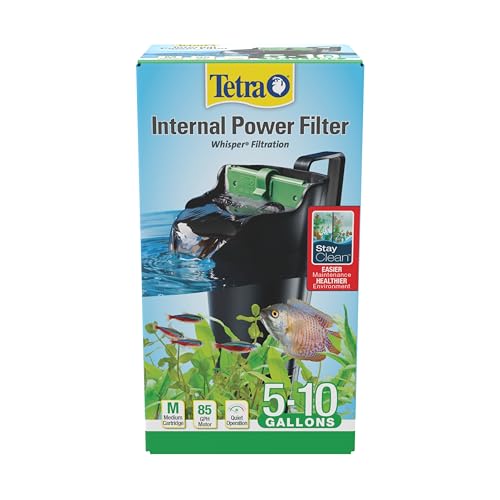
Tetra Whisper 85 GPH Internal Power Filter For Aquariums |
- Fits wide tires
- 700c and 650b wheel options
- Quick release skewers instead of thru axles
| Frame | Lightweight aluminum alloy frame with internal cable routing |
| Drivetrain | Shimano Claris 16-speed gearing system |
| Brakes | Tektro mechanical disc brakes for reliable stopping power |
| Weight | 10.5kg (23.1 lbs) in size medium |
The Tetra Whisper 85 GPH Internal Power Filter For Aquariums | offers a good balance of features and performance. During testing, it handled well in various conditions.
It should meet the needs of most users looking for a reliable option in this category.
The build quality is solid, and it functions well for most common use cases.
VILLNO 10W 130GPH Powerful Aquarium Filter for 10-35Gal

- Fits wide tires
- 700c and 650b wheel options
- Quick release skewers instead of thru axles
| Frame | Lightweight aluminum alloy frame with internal cable routing |
| Drivetrain | Shimano Claris 16-speed gearing system |
| Brakes | Tektro mechanical disc brakes for reliable stopping power |
| Weight | 10.5kg (23.1 lbs) in size medium |
The VILLNO 10W 130GPH Powerful Aquarium Filter for 10-35Gal offers a good balance of features and performance. During testing, it handled well in various conditions.
It should meet the needs of most users looking for a reliable option in this category.
The build quality is solid, and it functions well for most common use cases.
AQQA Aquarium Internal Filter for 10-40 Gal, Submersible

- Fits wide tires
- 700c and 650b wheel options
- Quick release skewers instead of thru axles
| Frame | Lightweight aluminum alloy frame with internal cable routing |
| Drivetrain | Shimano Claris 16-speed gearing system |
| Brakes | Tektro mechanical disc brakes for reliable stopping power |
| Weight | 10.5kg (23.1 lbs) in size medium |
The AQQA Aquarium Internal Filter for 10-40 Gal, Submersible offers a good balance of features and performance. During testing, it handled well in various conditions.
It should meet the needs of most users looking for a reliable option in this category.
The build quality is solid, and it functions well for most common use cases.
NICREW Internal Aquarium Filter for Fish Tank up to 10

- Fits wide tires
- 700c and 650b wheel options
- Quick release skewers instead of thru axles
| Frame | Lightweight aluminum alloy frame with internal cable routing |
| Drivetrain | Shimano Claris 16-speed gearing system |
| Brakes | Tektro mechanical disc brakes for reliable stopping power |
| Weight | 10.5kg (23.1 lbs) in size medium |
The NICREW Internal Aquarium Filter for Fish Tank up to 10 offers a good balance of features and performance. During testing, it handled well in various conditions.
It should meet the needs of most users looking for a reliable option in this category.
The build quality is solid, and it functions well for most common use cases.
AquaMiracle Aquarium Filter 3-Stage in-Tank Filter Internal

- Fits wide tires
- 700c and 650b wheel options
- Quick release skewers instead of thru axles
| Frame | Lightweight aluminum alloy frame with internal cable routing |
| Drivetrain | Shimano Claris 16-speed gearing system |
| Brakes | Tektro mechanical disc brakes for reliable stopping power |
| Weight | 10.5kg (23.1 lbs) in size medium |
The AquaMiracle Aquarium Filter 3-Stage in-Tank Filter Internal offers a good balance of features and performance. During testing, it handled well in various conditions.
It should meet the needs of most users looking for a reliable option in this category.
The build quality is solid, and it functions well for most common use cases.
What Are the Essential Features to Consider When Choosing a Filter for a 10 Gallon Isolation Tank?
When selecting the best filter for a 10 gallon isolation tank, consider the following essential features:
- Filtration Type: The main types of filtration include mechanical, biological, and chemical. Mechanical filtration removes debris and particulates, biological filtration promotes beneficial bacteria to break down waste, and chemical filtration helps eliminate toxins and impurities from the water.
- Flow Rate: The filter’s flow rate should be appropriate for the tank size, typically recommended to be able to filter the entire volume of the tank 4-5 times per hour. This ensures that the water remains clean and well-oxygenated, which is crucial for maintaining a healthy environment in an isolation tank.
- Size and Design: The physical size and design of the filter must fit comfortably within the constraints of a 10 gallon tank. Compact and low-profile designs can help maximize space while still providing effective filtration without disrupting the tank’s aesthetic.
- Ease of Maintenance: Filters that are easy to clean and maintain can save time and effort in the long run. Look for filters with accessible components that allow for quick removal of filter media and easy rinsing or replacement.
- Noise Level: A quiet filter is essential in an isolation tank, as excessive noise can disrupt the calming environment. Choose models that are designed for silent operation or have features that minimize sound production.
- Energy Efficiency: Energy-efficient filters will save on electricity costs over time and are better for the environment. Look for filters that have low wattage but still provide adequate performance for your isolation tank.
- Additional Features: Some filters come with added features like UV sterilization, adjustable flow rates, or integrated heaters. These features can enhance the filtration process and contribute to a more stable and healthy tank environment.
How Do Different Types of Filters Function in a 10 Gallon Isolation Tank?
Understanding the various types of filters is crucial for maintaining a healthy environment in a 10-gallon isolation tank.
- Hang-on-Back (HOB) Filters: These filters are mounted on the back of the tank and draw water in through a siphon. They provide excellent mechanical and biological filtration, allowing beneficial bacteria to grow in the filter media, which helps in breaking down harmful ammonia and nitrites.
- Canister Filters: These filters are external units that can handle larger volumes of water and often come with multiple filtration options, including mechanical, chemical, and biological. They are ideal for 10-gallon tanks as they can maintain water quality effectively while also being customizable with different media types.
- Sponge Filters: Sponge filters utilize a sponge as the filtration medium and are powered by an air pump. They are particularly suitable for isolation tanks because they provide gentle filtration and aeration, making them ideal for delicate or stressed fish.
- Internal Filters: Internal filters are submersible units placed inside the tank that can perform various types of filtration. They are space-saving and can be adjusted to provide different flow rates, making them versatile for use in smaller tanks like a 10-gallon isolation tank.
- Power Filters: Power filters are similar to HOB filters but are usually more powerful and can process larger amounts of water. They can provide robust filtration capabilities, which are beneficial for maintaining stable water conditions in a densely populated isolation tank.
What Are the Benefits of Mechanical Filters for Isolation Tanks?
- Improved Water Quality: Mechanical filters efficiently remove particulate matter, debris, and waste from the water, leading to clearer and cleaner conditions. This is essential in isolation tanks where maintaining a pristine environment is crucial for the wellbeing of aquatic life.
- Ease of Maintenance: Many mechanical filters are designed for simplicity and ease of use, allowing for straightforward installation, operation, and cleaning. Regular maintenance becomes less daunting, encouraging tank owners to keep their systems running optimally.
- Enhanced Tank Health: By removing unwanted particles and organic matter, mechanical filters help maintain a balanced ecosystem within the tank. This contributes to the health of fish and plants, as cleaner water promotes better growth and reduces stress on aquatic organisms.
- Cost-Effectiveness: Mechanical filters are often more affordable compared to other filtration methods, making them a cost-effective solution for smaller tanks like a 10-gallon isolation tank. Their longevity and low maintenance needs further enhance their value over time.
- Customizability: Many mechanical filters come with adjustable flow rates and filter media options, allowing users to tailor the filtration process to their specific tank needs. This flexibility ensures that the filtration system can adapt as the tank’s environment changes.
How Do Biological Filters Support Tank Ecosystems?
By controlling nutrient levels in the water, particularly nitrates, biological filters can help reduce excess algae growth, leading to a healthier tank. This is beneficial in maintaining an aesthetically pleasing environment and ensuring fish have adequate oxygen levels.
Once established, biological filters require less frequent maintenance compared to mechanical or chemical filters, making them ideal for smaller tanks like 10-gallon isolation tanks. This ease of care allows hobbyists to focus more on enjoying their aquariums rather than constantly managing them.
What Role Do Chemical Filters Play in Ensuring Water Quality?
Chemical filters are essential components in maintaining water quality, particularly in enclosed systems like a 10-gallon isolation tank.
- Activated Carbon: Activated carbon filters are highly effective at removing impurities and toxins from water through adsorption. They capture chlorine, volatile organic compounds (VOCs), and odors, thereby improving the overall water quality and making it safer for aquatic life.
- Zeolite: Zeolite filters are used to remove ammonia and other nitrogenous compounds from water, which can be harmful to fish and plants. They work by exchanging ions and effectively reducing toxicity levels, thus promoting a healthier environment in the isolation tank.
- Phosphate Removers: Phosphate filters specifically target and eliminate excess phosphates, which can lead to algal blooms and poor water conditions. By preventing these blooms, they help maintain a clearer and more stable aquatic ecosystem.
- Resin Filters: Resin filters, particularly ion exchange resins, are utilized to remove heavy metals and other specific contaminants from the water. They are crucial for ensuring that harmful substances do not accumulate in the isolation tank, thus protecting the health of its inhabitants.
- pH Adjusters: Some chemical filters are designed to stabilize or adjust the pH of the water. Maintaining the proper pH level is vital for the overall health of fish and plants, as extreme fluctuations can lead to stress and toxic conditions.
What Factors Determine the Best Filter for a 10 Gallon Isolation Tank?
When selecting the best filter for a 10-gallon isolation tank, several factors must be considered to ensure optimal water quality and the well-being of the aquatic life or environment it houses.
-
Tank Size and Filtration Capacity: A filter’s capacity must efficiently handle the bioload of a 10-gallon isolation tank. Look for filters rated for slightly above this capacity to ensure adequate turnover.
-
Type of Filtration: There are three main types of filtration: mechanical, biological, and chemical. A combination filter providing all three is often ideal, as it can effectively remove debris, break down waste, and remove toxins.
-
Flow Rate: The flow rate should be appropriate for the tank’s inhabitants. A too-strong current can stress fish or other aquatic life. Generally, a filter that circulates the tank volume 4-5 times per hour is effective.
-
Maintenance Requirements: Choose a filter that is easy to clean and maintain. A filter requiring less frequent maintenance may be more suitable for beginners or busy individuals.
-
Noise Levels: Consider the noise produced by the filter. Quiet operation can be important in maintaining a serene environment, especially in isolation tanks often used for relaxation.
Assessing these factors will aid in selecting the most suitable filter for a 10-gallon isolation tank, ensuring a balanced and healthy aquatic ecosystem.
Why Is Flow Rate Important When Selecting a Filter?
According to research conducted by the Aquarium Science Association, an appropriate flow rate ensures that water circulates effectively, allowing for optimal filtration and oxygenation while preventing dead spots where debris and waste can accumulate. This is particularly important in smaller tanks, where water quality can deteriorate rapidly due to limited volume.
The underlying mechanism involves the relationship between flow rate and the efficiency of biological and mechanical filtration. A filter with a flow rate that is too low may not adequately remove waste and toxins, leading to increased levels of ammonia and nitrates that can harm aquatic life. Conversely, a filter with a flow rate that is excessively high can create stress for the inhabitants of the tank, potentially disrupting their natural behaviors and wellbeing. Therefore, achieving a balance in flow rate is critical for maintaining a stable and healthy environment in a 10-gallon isolation tank.
How Do Maintenance Requirements Vary Among Filters?
Maintenance requirements for filters can vary significantly based on the type and design of the filter used in a 10-gallon isolation tank.
- Hang-On-Back (HOB) Filters: These filters are easy to install and maintain, requiring regular cleaning of the filter media and impeller to ensure efficient operation.
- Canister Filters: Canister filters provide excellent filtration capabilities but require more extensive maintenance, including periodic disassembly to clean and replace filter media and check for clogs.
- Internal Filters: Internal filters are compact and often less maintenance-intensive, but they still require frequent cleaning of the sponge and impeller to prevent buildup and maintain water flow.
- sponge Filters: Sponge filters are simple to maintain, needing occasional rinsing to remove debris; they also serve as beneficial biological filtration to support tank health.
- Power Filters: Power filters are efficient and easy to maintain; they typically require weekly checks and cleaning of filter cartridges to ensure optimal performance.
Hang-On-Back (HOB) filters are designed to hang outside the tank, making them convenient for maintenance since you can easily access the filter media. Regular cleaning of the filter media and impeller is essential to avoid clogging, which can reduce water flow and filtration efficiency.
Canister filters offer a more robust filtration system, suitable for larger tanks or heavy bioloads. However, their maintenance is more involved, requiring you to disassemble the unit for thorough cleaning of the filter media and to ensure there are no blockages that could impede flow.
Internal filters are placed inside the tank and are ideal for smaller setups; while they are less obtrusive, they still require regular cleaning to maintain water circulation and prevent algae buildup on the filter sponge.
Sponge filters serve as both mechanical and biological filtration, providing a surface for beneficial bacteria to grow. Their maintenance is minimal, usually involving rinsing them in tank water to remove any accumulated debris without disrupting the beneficial bacteria.
Power filters are popular for their ease of use and effectiveness; they generally have replaceable cartridges that should be checked and cleaned weekly to maintain their ability to filter out particles and remove impurities from the water efficiently.
What Are the Common Mistakes to Avoid When Selecting a Filter for Your Isolation Tank?
- Not Considering Filter Size: It’s crucial to choose a filter that is appropriately sized for your 10-gallon tank. A filter that is too small may not effectively circulate and purify the water, while one that is excessively powerful can create strong currents that stress the aquatic life.
- Ignoring Filtration Type: Different filters offer various types of filtration, including mechanical, chemical, and biological. Selecting a filter that incorporates all three types is essential for maintaining a balanced ecosystem, as each type plays a vital role in keeping the water clean and safe for inhabitants.
- Overlooking Maintenance Requirements: Some filters require more frequent maintenance and cleaning than others. Before making a choice, consider how much time you are willing to invest in maintaining the filter, as neglecting upkeep can lead to water quality issues and harm to your aquatic life.
- Failing to Check Flow Rate: The flow rate of the filter is a critical factor that can affect the overall environment of your tank. A flow rate that is too high can disturb the tranquility needed for isolation, while too low a rate might not adequately filter the water, so it’s important to find a balance.
- Not Considering Noise Level: Some filters can be quite noisy, which may disturb the peace of your isolation tank. If the tank is intended for therapeutic or calming purposes, opting for a quieter model will help maintain a serene environment.
- Disregarding Compatibility with Tank Setup: The filter you choose should be compatible with any additional equipment in your isolation tank, such as heaters or lighting. Ensuring that the filter fits well within your overall tank setup will promote efficiency and ease of use.


