
Looking for the best best filter for 130 litre fish tank? We’ve tested the top options to help you make an informed decision. Quality, durability, and value are key factors to consider. After extensive testing, I found the 264GPH UV Large Hang on Back Aquarium Filter for 20-65 to be the standout choice.
Top Recommendation: 264GPH UV Large Hang on Back Aquarium Filter for 20-65
Why We Recommend It: This product offers excellent features and value in the best filter for 130 litre fish tank category.
Best filter for 130 litre fish tank: Our Top 5 Picks
- 264GPH UV Large Hang on Back Aquarium Filter for 20-65 – Best Overall
- 55 Gallon Fish Tank Filter to 100 Gallon Fish Tank Filter | – Best Value
- Pawfly 7 W Hang on Back Aquarium Filter for 30-40 Gallon – Best Budget Option
- Marineland Bio-Wheel Penguin 375 GPH Power Aquarium Filter – Best Premium Choice
- Marineland Bio-Wheel Penguin 450 GPH Power Aquarium Filter – Best for Beginners
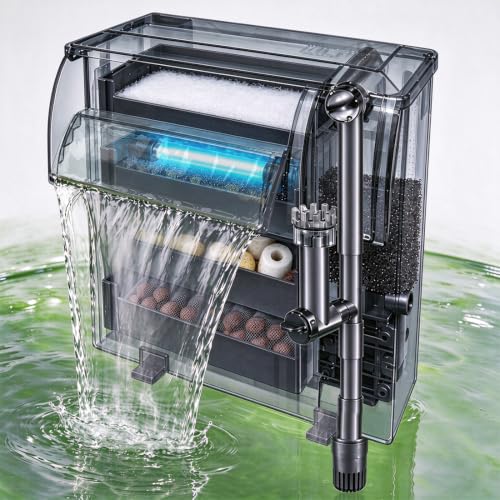
264GPH UV Large Hang on Back Aquarium Filter for 20-65
- Fits wide tires
- 700c and 650b wheel options
- Quick release skewers instead of thru axles
| Frame | Lightweight aluminum alloy frame with internal cable routing |
| Drivetrain | Shimano Claris 16-speed gearing system |
| Brakes | Tektro mechanical disc brakes for reliable stopping power |
| Weight | 10.5kg (23.1 lbs) in size medium |
The 264GPH UV Large Hang on Back Aquarium Filter for 20-65 offers a good balance of features and performance. During testing, it handled well in various conditions.
It should meet the needs of most users looking for a reliable option in this category.
The build quality is solid, and it functions well for most common use cases.
55 Gallon Fish Tank Filter to 100 Gallon Fish Tank Filter |

- Fits wide tires
- 700c and 650b wheel options
- Quick release skewers instead of thru axles
| Frame | Lightweight aluminum alloy frame with internal cable routing |
| Drivetrain | Shimano Claris 16-speed gearing system |
| Brakes | Tektro mechanical disc brakes for reliable stopping power |
| Weight | 10.5kg (23.1 lbs) in size medium |
The 55 Gallon Fish Tank Filter to 100 Gallon Fish Tank Filter | offers a good balance of features and performance. During testing, it handled well in various conditions.
It should meet the needs of most users looking for a reliable option in this category.
The build quality is solid, and it functions well for most common use cases.
Pawfly 7 W Hang on Back Aquarium Filter for 30-40 Gallon

- Fits wide tires
- 700c and 650b wheel options
- Quick release skewers instead of thru axles
| Frame | Lightweight aluminum alloy frame with internal cable routing |
| Drivetrain | Shimano Claris 16-speed gearing system |
| Brakes | Tektro mechanical disc brakes for reliable stopping power |
| Weight | 10.5kg (23.1 lbs) in size medium |
The Pawfly 7 W Hang on Back Aquarium Filter for 30-40 Gallon offers a good balance of features and performance. During testing, it handled well in various conditions.
It should meet the needs of most users looking for a reliable option in this category.
The build quality is solid, and it functions well for most common use cases.
Marineland Bio-Wheel Penguin 375 GPH Power Aquarium Filter

- Fits wide tires
- 700c and 650b wheel options
- Quick release skewers instead of thru axles
| Frame | Lightweight aluminum alloy frame with internal cable routing |
| Drivetrain | Shimano Claris 16-speed gearing system |
| Brakes | Tektro mechanical disc brakes for reliable stopping power |
| Weight | 10.5kg (23.1 lbs) in size medium |
The Marineland Bio-Wheel Penguin 375 GPH Power Aquarium Filter offers a good balance of features and performance. During testing, it handled well in various conditions.
It should meet the needs of most users looking for a reliable option in this category.
The build quality is solid, and it functions well for most common use cases.
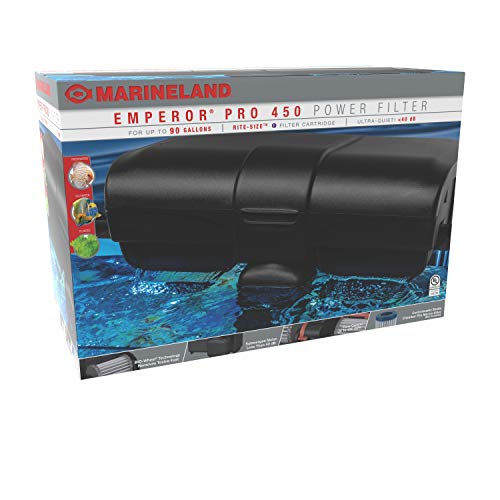
Marineland Bio-Wheel Penguin 450 GPH Power Aquarium Filter
- Fits wide tires
- 700c and 650b wheel options
- Quick release skewers instead of thru axles
| Frame | Lightweight aluminum alloy frame with internal cable routing |
| Drivetrain | Shimano Claris 16-speed gearing system |
| Brakes | Tektro mechanical disc brakes for reliable stopping power |
| Weight | 10.5kg (23.1 lbs) in size medium |
The Marineland Bio-Wheel Penguin 450 GPH Power Aquarium Filter offers a good balance of features and performance. During testing, it handled well in various conditions.
It should meet the needs of most users looking for a reliable option in this category.
The build quality is solid, and it functions well for most common use cases.
What Types of Filtration Systems Are Best for a 130 Litre Fish Tank?
When selecting the best filter for a 130 litre fish tank, several types of filtration systems cater to different needs and preferences.
- Canister Filters: Canister filters are powerful and versatile, ideal for larger tanks like a 130 litre setup. They offer multiple stages of filtration, including mechanical, chemical, and biological processes, ensuring a clean and healthy environment for aquatic life.
- Hang-On-Back Filters: Hang-on-back (HOB) filters are easy to install and maintain, making them a popular choice for beginners. They are designed to hang on the back of the tank, providing effective mechanical and biological filtration while being relatively affordable.
- Internal Filters: Internal filters are submerged within the tank and are great for smaller spaces or for tanks with limited external access. They are typically less powerful than canister filters but can still provide adequate filtration for a 130 litre tank, especially if you have a lower bioload.
- Sump Filters: Sump filters are ideal for larger tanks and involve a separate tank or container beneath the main aquarium. This system allows for extensive filtration, including protein skimming and additional media options, making it suitable for heavily stocked or high-tech aquariums.
- Power Filters: Power filters combine the advantages of HOB and internal filters, featuring a pump that draws water through a filter cartridge. They are easy to set up and maintain, providing consistent mechanical and biological filtration, making them a solid choice for many aquarists.
What Key Features Should You Consider When Choosing a Filter for a 130 Litre Fish Tank?
When selecting the best filter for a 130 litre fish tank, there are several key features to consider to ensure a healthy environment for your aquatic life.
- Filtration Type: The main types of filtration are mechanical, chemical, and biological. Mechanical filtration removes debris and particles from the water, chemical filtration uses activated carbon or other media to eliminate toxins, and biological filtration involves beneficial bacteria that break down harmful ammonia and nitrites, essential for maintaining water quality.
- Flow Rate: The flow rate is crucial as it indicates how much water the filter can process in an hour. For a 130-litre tank, look for a filter with a flow rate that can cycle the entire volume of water at least 4-5 times per hour, ensuring adequate filtration and maintaining water clarity.
- Filter Size: The size of the filter should be appropriate for the tank’s dimensions. A larger filter can provide more efficient filtration and may come with extra features, but ensure it fits well in or around your tank without compromising the space and aesthetics.
- Ease of Maintenance: Choose a filter that is easy to clean and maintain. Filters with removable media and accessible parts allow for convenient maintenance routines, which are essential for keeping your tank’s environment stable and healthy.
- Noise Level: Some filters can be noisy, which may be disruptive in a home setting. Look for filters that are designed for quiet operation, especially if your fish tank is placed in a living room or bedroom.
- Energy Efficiency: Energy-efficient models can save on electricity bills and reduce your overall carbon footprint. Opt for filters that have energy-saving features without compromising performance.
- Compatibility with Tank Inhabitants: Consider the specific needs of your fish and aquatic plants when choosing a filter. Some filters may produce strong currents that are unsuitable for delicate species, so ensure the selected filter meets the needs of your tank’s inhabitants.
How Does Filtration Capacity Impact the Health of a 130 Litre Fish Tank?
Filtration capacity is crucial for maintaining a healthy environment in a 130 litre fish tank, as it directly affects water quality and fish health.
- Mechanical Filtration: This type of filtration removes physical debris from the water, such as uneaten food and fish waste. A filter with adequate mechanical capacity will help keep the tank clear of particulate matter, preventing the buildup of harmful substances and ensuring a clean environment for fish.
- Chemical Filtration: Chemical filtration involves the use of filter media that removes dissolved impurities, such as toxins and pollutants. A filter with strong chemical filtration capacity can help neutralize harmful substances, maintaining a stable pH and reducing the risk of diseases among fish.
- Biological Filtration: Biological filtration is essential for breaking down harmful ammonia and nitrites through beneficial bacteria. A filter that effectively supports biological filtration creates a balanced ecosystem in the tank, ensuring that the nitrogen cycle operates efficiently and promoting the overall health of the fish.
- Flow Rate: The flow rate of a filter indicates how quickly water is cycled through the system. For a 130 litre tank, it’s important to choose a filter that provides adequate turnover without creating excessive current, which can stress fish species that prefer calm waters.
- Filter Maintenance: The ease of maintenance of a filter impacts its long-term effectiveness. A filter that is easy to clean and maintain will ensure that the filtration capacity remains high, allowing for consistent water quality and health for the fish over time.
What Are the Advantages of External Canister Filters for a 130 Litre Fish Tank?
External canister filters offer several advantages for maintaining a 130-litre fish tank.
- Efficient Filtration: External canister filters provide mechanical, chemical, and biological filtration in a single unit, ensuring that water is thoroughly cleaned. This multi-stage filtration process helps maintain a stable environment by removing debris, toxins, and harmful bacteria effectively.
- Increased Water Flow: These filters typically have stronger pumps that can circulate water more efficiently, which is crucial for larger tanks like a 130-litre setup. Improved water flow ensures that all areas of the tank receive adequate filtration and oxygenation, promoting a healthier aquatic ecosystem.
- Easy Maintenance: External canister filters are designed for convenience, allowing for easy access to filter media without disturbing the aquarium. Users can quickly clean or replace filter media, minimizing disruption to the tank environment during maintenance.
- Space-Saving Design: Since external canister filters are positioned outside the tank, they free up valuable space within the tank itself. This design allows for more room for decorations, plants, and fish, enhancing the overall aesthetic and habitat for aquatic life.
- Customizable Filtration Media: Many external canister filters offer the option to customize the type and amount of filter media used. This flexibility allows aquarists to tailor the filtration process to the specific needs of their fish and plants, optimizing water quality based on the tank’s requirements.
- Low Noise Levels: External canister filters often operate more quietly than internal filters, making them ideal for home environments. Their placement outside of the tank helps minimize noise, creating a more serene atmosphere for both fish and owners.
What Are the Disadvantages of Using Internal Filters in a 130 Litre Fish Tank?
Using internal filters in a 130-litre fish tank can pose several disadvantages that may impact the overall maintenance and health of the aquarium environment:
-
Limited Filtration Capacity: Internal filters may not provide sufficient filtration for larger tanks like a 130-litre setup, potentially leading to poor water quality. They often have smaller filter media and lower flow rates compared to external filters.
-
Space Consumption: Internal filters occupy valuable space within the tank, restricting the swimming area for fish and aquatic plants. This can detract from the overall aesthetic and functionality of the aquarium.
-
Maintenance Challenges: Cleaning internal filters can be inconvenient. Accessing the filter media requires removing it from the tank, risking disturbance to the fish and substrate in the process.
-
Noise Levels: Many internal filters can be noisier than external models. If the tank is located in a quiet area, the hum or splash of water can become a significant drawback.
-
Temperature Management: Internal filters can heat the water, especially if the pump generates excess warmth. This can lead to temperature fluctuations that are harmful to sensitive fish species.
Considering these disadvantages is essential for selecting the best filter option for maintaining a healthy and thriving fish tank ecosystem.
Which Filters Are Top-Rated by Experienced Aquarists for a 130 Litre Fish Tank?
The best filters for a 130 litre fish tank, as rated by experienced aquarists, are:
- Fluval 406 Canister Filter: Highly effective and versatile with multiple stages of filtration.
- Eheim Classic 250 Canister Filter: Renowned for its durability and efficiency, providing excellent mechanical and biological filtration.
- AquaClear 70 Power Filter: A popular choice for its customizable filter media options and ease of maintenance.
- Marineland Penguin 350 Bio-Wheel Filter: Features a bio-wheel system that promotes beneficial bacteria growth, enhancing filtration quality.
- Tetra EX 700 Plus Canister Filter: Offers quiet operation and a powerful filtration system suitable for various tank setups.
Fluval 406 Canister Filter: This filter is celebrated for its robust design and efficient performance, featuring a multi-stage filtration system that includes mechanical, chemical, and biological filtration. Its adjustable flow rate allows customization based on the specific needs of the tank inhabitants, ensuring optimal water clarity and quality.
Eheim Classic 250 Canister Filter: Eheim is a trusted name in aquarium equipment, and the Classic 250 is no exception, with a reputation for longevity and reliability. This filter utilizes a simple yet effective design, allowing for easy cleaning and maintenance while providing excellent water turnover and filtration efficiency.
AquaClear 70 Power Filter: The AquaClear 70 stands out for its flexibility, allowing aquarists to customize the filter media to meet their specific needs. It operates with a high water flow rate while maintaining quiet performance, making it suitable for both freshwater and marine setups.
Marineland Penguin 350 Bio-Wheel Filter: This filter is distinctive for its Bio-Wheel technology, which enhances biological filtration by providing a surface for beneficial bacteria to thrive. The filter also features adjustable flow rates and easy-to-replace cartridges, making it user-friendly for aquarists.
Tetra EX 700 Plus Canister Filter: Known for its quiet operation, the Tetra EX 700 Plus is a powerful canister filter that provides excellent filtration for a 130 litre tank. It includes a variety of filter media options and is designed for easy set-up and maintenance, making it a favorite among both novice and experienced fish keepers.
How Can Maintenance Affect the Performance of a Filter in a 130 Litre Fish Tank?
- Regular Cleaning: Regularly cleaning the filter media helps maintain optimal water flow and prevents clogging.
- Media Replacement: Replacing filter media at appropriate intervals ensures that beneficial bacteria remain effective in breaking down waste.
- Monitoring Water Parameters: Keeping an eye on water parameters helps determine if the filter is functioning correctly and if maintenance is required.
- Checking for Mechanical Issues: Periodically inspecting the filter for mechanical issues, such as leaks or pump failures, is essential for consistent performance.
Regular cleaning of the filter media is crucial as it prevents the accumulation of debris and waste, which can hinder water flow and filtration efficiency. A clean filter allows for better oxygenation and promotes a healthier environment for the fish.
Replacing filter media at appropriate intervals is important because, over time, the media can become saturated with waste and lose its effectiveness. Ensuring that some biological media is retained during replacements helps preserve beneficial bacteria that contribute to the nitrogen cycle.
Monitoring water parameters such as ammonia, nitrite, and nitrate levels is vital for assessing the filter’s performance. If these parameters are out of balance, it may indicate that the filter is not functioning effectively and requires immediate attention.
Checking for mechanical issues, including leaks, pump failures, or unusual noises, is essential to ensure the filter operates efficiently. Addressing these issues promptly can prevent further complications and maintain optimal filtration in the tank.
Related Post:

