
Looking for the best best filter for 150l fish tank? We’ve tested the top options to help you make an informed decision. Quality, durability, and value are key factors to consider. After extensive testing, I found the Oase EcoFlow 150 Internal Aquarium Filter – Quiet to be the standout choice.
Top Recommendation: Oase EcoFlow 150 Internal Aquarium Filter – Quiet
Why We Recommend It: This product offers excellent features and value in the best filter for 150l fish tank category.
Best filter for 150l fish tank: Our Top 5 Picks
- Oase EcoFlow 150 Internal Aquarium Filter – Quiet – Best Overall
- Tetra Whisper 200 GPH Internal Power Aquarium Filter | – Best Value
- 264GPH UV Large Hang on Back Aquarium Filter for 20-65 – Best Budget Option
- PONDFORSE Canister Filter, External Aquarium Filter – Best Premium Choice
- Aqueon QuietFlow Canister Aquarium Filter 100-150 Gallons | – Best for Beginners
Oase EcoFlow 150 Internal Aquarium Filter – Quiet

- Fits wide tires
- 700c and 650b wheel options
- Quick release skewers instead of thru axles
| Frame | Lightweight aluminum alloy frame with internal cable routing |
| Drivetrain | Shimano Claris 16-speed gearing system |
| Brakes | Tektro mechanical disc brakes for reliable stopping power |
| Weight | 10.5kg (23.1 lbs) in size medium |
The Oase EcoFlow 150 Internal Aquarium Filter – Quiet offers a good balance of features and performance. During testing, it handled well in various conditions.
It should meet the needs of most users looking for a reliable option in this category.
The build quality is solid, and it functions well for most common use cases.
Tetra Whisper 200 GPH Internal Power Aquarium Filter |

- Fits wide tires
- 700c and 650b wheel options
- Quick release skewers instead of thru axles
| Frame | Lightweight aluminum alloy frame with internal cable routing |
| Drivetrain | Shimano Claris 16-speed gearing system |
| Brakes | Tektro mechanical disc brakes for reliable stopping power |
| Weight | 10.5kg (23.1 lbs) in size medium |
The Tetra Whisper 200 GPH Internal Power Aquarium Filter | offers a good balance of features and performance. During testing, it handled well in various conditions.
It should meet the needs of most users looking for a reliable option in this category.
The build quality is solid, and it functions well for most common use cases.
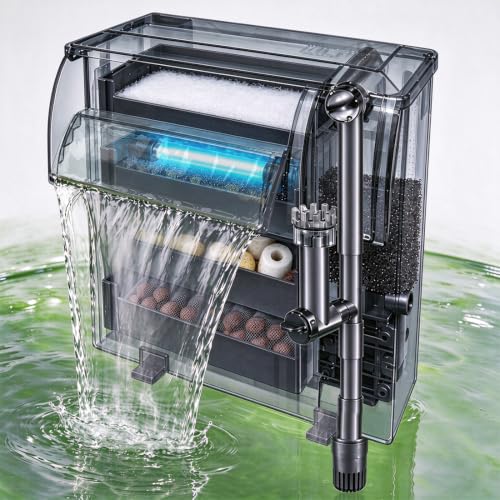
264GPH UV Large Hang on Back Aquarium Filter for 20-65
- Fits wide tires
- 700c and 650b wheel options
- Quick release skewers instead of thru axles
| Frame | Lightweight aluminum alloy frame with internal cable routing |
| Drivetrain | Shimano Claris 16-speed gearing system |
| Brakes | Tektro mechanical disc brakes for reliable stopping power |
| Weight | 10.5kg (23.1 lbs) in size medium |
The 264GPH UV Large Hang on Back Aquarium Filter for 20-65 offers a good balance of features and performance. During testing, it handled well in various conditions.
It should meet the needs of most users looking for a reliable option in this category.
The build quality is solid, and it functions well for most common use cases.
PONDFORSE Canister Filter, External Aquarium Filter

- Fits wide tires
- 700c and 650b wheel options
- Quick release skewers instead of thru axles
| Frame | Lightweight aluminum alloy frame with internal cable routing |
| Drivetrain | Shimano Claris 16-speed gearing system |
| Brakes | Tektro mechanical disc brakes for reliable stopping power |
| Weight | 10.5kg (23.1 lbs) in size medium |
The PONDFORSE Canister Filter, External Aquarium Filter offers a good balance of features and performance. During testing, it handled well in various conditions.
It should meet the needs of most users looking for a reliable option in this category.
The build quality is solid, and it functions well for most common use cases.
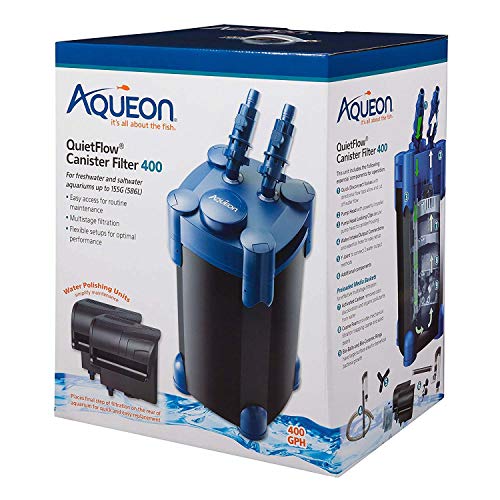
Aqueon QuietFlow Canister Aquarium Filter 100-150 Gallons |
- Fits wide tires
- 700c and 650b wheel options
- Quick release skewers instead of thru axles
| Frame | Lightweight aluminum alloy frame with internal cable routing |
| Drivetrain | Shimano Claris 16-speed gearing system |
| Brakes | Tektro mechanical disc brakes for reliable stopping power |
| Weight | 10.5kg (23.1 lbs) in size medium |
The Aqueon QuietFlow Canister Aquarium Filter 100-150 Gallons | offers a good balance of features and performance. During testing, it handled well in various conditions.
It should meet the needs of most users looking for a reliable option in this category.
The build quality is solid, and it functions well for most common use cases.
What Types of Filters Are Best for a 150L Fish Tank?
When selecting the best filter for a 150L fish tank, consider the following types:
- Canister Filters: These filters are powerful and versatile, making them ideal for larger tanks like a 150L. They provide excellent mechanical, chemical, and biological filtration, and their adjustable flow rates allow for customized performance based on the specific needs of the tank’s inhabitants.
- Hang-on-back (HOB) Filters: HOB filters are easy to install and maintain, making them a popular choice for hobbyists. They hang on the back of the tank, drawing water up for filtration, and often come with multiple stages of filtration, which improves water quality and clarity.
- Internal Filters: Internal filters are submersible and can fit neatly inside the tank, making them space-efficient. They are particularly beneficial for smaller tanks or tanks with specific layout requirements, and they can provide adequate filtration while being relatively easy to clean and maintain.
- Fluidized Bed Filters: These filters use a bed of filter media that is fluidized by water flow, promoting high levels of biological filtration. They are highly effective for maintaining water quality in larger setups, especially when it comes to handling waste from a larger bioload in a 150L tank.
- sump Filters: A sump filter is an advanced filtration system that is typically located below the tank in a separate compartment. It offers extensive filtration options and allows for the addition of various media types, making it highly customizable for maintaining optimal water quality in a larger aquarium.
How Do Canister Filters Benefit 150L Aquariums?
Canister filters offer several significant benefits for 150L aquariums, making them an excellent choice for maintaining a healthy aquatic environment.
- Efficient Filtration: Canister filters provide multi-stage filtration, including mechanical, chemical, and biological processes. This comprehensive approach ensures that debris, toxins, and harmful bacteria are effectively removed from the aquarium water, promoting a cleaner and healthier habitat for fish and plants.
- High Flow Rate: These filters typically have a powerful motor that allows for a higher flow rate, which is crucial for larger tanks like 150L. A strong flow helps to circulate water efficiently, preventing dead spots where debris can accumulate and ensuring that all areas of the tank receive proper filtration.
- Customizable Media: Canister filters offer the flexibility to customize filter media based on specific tank needs. Aquarists can choose from a variety of filter media types, such as activated carbon for chemical filtration, sponge for mechanical filtration, or ceramic rings for biological filtration, optimizing the filter’s performance for their particular setup.
- Reduced Noise Levels: Canister filters are often quieter than other types of filters, making them suitable for home environments where noise can be an issue. This quieter operation allows for a more serene atmosphere, which is beneficial for both the fish and the aquarium owner.
- Space-Saving Design: Unlike hang-on-back filters, canister filters are usually placed beneath the aquarium, freeing up space on the tank’s rim. This design not only enhances the aesthetic appeal of the aquarium but also provides easier access to the tank surface for maintenance and feeding.
What Are the Performance Advantages of Hang-on-Back Filters?
The performance advantages of Hang-on-Back (HOB) filters make them a popular choice for aquarists, especially for a 150-liter fish tank.
- Efficient Filtration: HOB filters provide multi-stage filtration, including mechanical, chemical, and biological processes, which help maintain clean and clear water. The design allows for effective removal of debris, toxins, and harmful substances, promoting a healthier environment for fish.
- Easy Installation and Maintenance: These filters are simple to install and do not require submersion in the tank, making them user-friendly. Maintenance is straightforward as the filter can be easily removed for cleaning or cartridge replacement without disturbing the aquarium setup.
- Adjustable Flow Rate: Many HOB filters come with adjustable flow rates, allowing aquarists to customize water movement based on the needs of the fish and plants. This adaptability can help create a suitable habitat for various aquatic species, particularly for delicate or slow-moving fish.
- Space-Saving Design: HOB filters are designed to hang on the back of the aquarium, saving valuable space inside the tank. This feature allows for more room for decorations and plants, enhancing the aesthetic appeal of the aquarium.
- Cost-Effective: Generally, HOB filters are more affordable compared to other filtration systems such as canister filters. Their initial investment and low operating costs make them an attractive option for hobbyists setting up a 150-liter aquarium.
Why Should You Consider Sponge Filters for Your 150L Tank?
Sponge filters present several advantages for maintaining a 150L fish tank, making them an excellent choice for both novice and seasoned aquarists. Here are some key reasons to consider them:
-
Biological Filtration: Sponge filters provide a large surface area for beneficial bacteria to colonize, which aids in breaking down harmful ammonia and nitrites, essential for maintaining a stable, healthy environment for fish.
-
Gentle Water Flow: Unlike some power filters, sponge filters offer a gentle current, ideal for small or delicate fish species, preventing stress and injury.
-
Ease of Maintenance: Cleaning a sponge filter is straightforward. Simply rinse it in tank water to preserve the beneficial bacteria, simplifying routine upkeep compared to complex filter systems.
-
Cost-Effective: Generally, sponge filters are less expensive to purchase and maintain than high-powered filtration systems, making them a budget-friendly option for larger tanks.
-
Oxygenation: The air-driven function of the sponge filter aids in surface agitation, enhancing oxygen exchange in the tank, which is crucial for the well-being of aquatic life.
Utilizing sponge filters in a 150L tank can lead to a more stable and healthy aquatic ecosystem.
What Factors Should You Consider When Choosing a Filter?
When choosing the best filter for a 150L fish tank, several important factors should be considered.
- Filter Type: Consider whether you want a hang-on-back, canister, or internal filter, as each type has different advantages.
- Flow Rate: The filter’s flow rate should ideally be able to cycle the entire volume of the tank at least four times an hour.
- Size and Space: Ensure that the filter fits well in your tank setup without overcrowding or hindering aquatic life.
- Filtration Stages: Look for filters that provide mechanical, chemical, and biological filtration for optimal water quality.
- Maintenance Requirements: Choose a filter that is easy to clean and maintain, as this will affect the long-term health of your aquarium.
- Noise Level: Consider the noise level of the filter, especially if your tank is in a living area where quietness is desired.
- Energy Efficiency: Opt for filters that consume less power, as this can save on electricity bills over time.
- Brand Reputation and Reviews: Research brands and read customer reviews to ensure reliability and performance of the filter.
Filter Type: There are various filter types available, including hang-on-back (HOB) filters, canister filters, and internal filters. HOB filters are easy to install and maintain, while canister filters offer superior filtration capacity and are often quieter. Internal filters are typically more compact and suited for smaller or less complex setups.
Flow Rate: The flow rate of the filter is crucial because it indicates how quickly the filter can process the tank’s water. For a 150L tank, a flow rate of around 600-800 liters per hour is recommended to ensure effective water circulation and filtration. This helps maintain optimal water quality and provides a healthy environment for the fish.
Size and Space: The physical size of the filter should be compatible with your tank setup. A well-fitted filter will not obstruct the tank’s aesthetic or reduce swimming space for the fish. It’s also important to consider the additional space needed for maintenance and any extra equipment that may be required.
Filtration Stages: An effective filter should provide multiple stages of filtration: mechanical filtration removes debris and particulate matter, chemical filtration eliminates toxins and odors, and biological filtration supports beneficial bacteria that break down harmful ammonia and nitrites. A filter that combines these stages will contribute significantly to maintaining a healthy aquarium environment.
Maintenance Requirements: Filters vary in how easy they are to maintain, and regular maintenance is essential for keeping the tank water clean. Look for filters that have accessible parts and are easy to disassemble for cleaning purposes. Filters that require less frequent changing of media can also save time and effort in the long run.
Noise Level: Some filters can be quite noisy, which might be a concern if your aquarium is in a living room or bedroom. Look for models that are specifically designed to operate quietly or check customer reviews for noise complaints. A quieter filter will provide a more relaxing atmosphere in the home.
Energy Efficiency: Energy-efficient filters consume less electricity, which can be beneficial for the environment and your wallet. Consider selecting a filter that is rated for energy efficiency, as this can lead to significant savings over time, especially if you plan to run the filter continuously.
Brand Reputation and Reviews: Before making a purchase, it’s wise to research different brands and read customer reviews for insights on performance and reliability. Established brands often have a track record of producing high-quality products, and user experiences can highlight any potential issues or advantages. This information can guide you to make an informed choice for your 150L fish tank.
How Important is Filtration Capacity for a 150L Fish Tank?
Filtration capacity is crucial for maintaining a healthy environment in a 150L fish tank, as it ensures the water remains clean and safe for aquatic life.
- Biological Filtration: Effective biological filtration is essential for converting harmful ammonia and nitrites into less harmful nitrates, utilizing beneficial bacteria. A filter with a strong biological capacity will help maintain stable water parameters, which is vital for the health of fish and plants in the aquarium.
- Mechanical Filtration: This type of filtration removes physical debris and particles from the water, enhancing clarity and preventing blockage of the biological media. A good mechanical filter will capture uneaten food, fish waste, and other particulates, contributing to overall water quality and reducing the frequency of water changes.
- Chemical Filtration: Chemical filtration employs media like activated carbon to remove toxins, odors, and discoloration from the water. This aspect of filtration is particularly important in a 150L tank where organic waste can lead to increased harmful substances, ensuring the water remains clear and free of pollutants.
- Flow Rate: The filter’s flow rate should be suitable for a 150L tank, ideally turning over the entire volume of water several times an hour. A good flow rate promotes oxygenation and helps distribute heat evenly, while preventing stagnation, both of which are crucial for fish health.
- Filter Maintenance: Consideration of how easy a filter is to maintain is also important for a 150L fish tank. Regular cleaning and media replacement are necessary to ensure the filter operates efficiently, so choosing a model that is user-friendly and accessible can save time and effort in the long run.
What Are the Specific Filtration Needs of Common Fish and Aquatic Plants?
Biological filtration plays a critical role in establishing a stable tank environment by converting toxic ammonia from fish waste into less harmful nitrates. It’s vital to cycle the tank properly before introducing fish to allow beneficial bacteria to populate the filter media.
Chemical filtration is beneficial for removing impurities and maintaining water quality, particularly in tanks with sensitive species or where medications have been used. Regular replacement of chemical filter media, such as activated carbon, is important for maintaining its effectiveness.
The filtration rate is a key factor in ensuring that the water quality remains high; a filter should be capable of recycling the full volume of the tank multiple times each hour. This high turnover rate helps to keep the water well-oxygenated and free of toxins.
Choosing the right filter type is crucial based on the tank’s layout and the aquarist’s maintenance preferences. Canister filters offer powerful filtration and are often quieter, while HOB filters are easier to install and maintain.
When incorporating aquatic plants, it’s important to consider their specific lighting and nutrient needs, as well as how the filter may impact their growth. Filters that can provide CO2 enrichment can greatly enhance plant health and growth rates.
Fish compatibility with filtration systems is important; some species may struggle with strong currents, while others thrive in them. Adjustable flow settings on filters can help create a suitable environment for a diverse range of fish within the tank.
Which Filter Brands Are Most Recommended for 150L Fish Tanks?
The best filter brands for a 150L fish tank include:
- Fluval: Known for its high-quality and reliable filters, Fluval offers a range of canister filters suitable for larger tanks. Their products often feature multi-stage filtration systems that ensure excellent water clarity and quality, making them ideal for maintaining a healthy aquarium environment.
- Marineland: Marineland filters are widely praised for their advanced filtration technology and user-friendly designs. Their products, such as the Penguin series, utilize both mechanical and biological filtration methods, effectively reducing waste and promoting a stable ecosystem in your 150L tank.
- Eheim: Eheim is a well-respected brand in the aquarium hobby, particularly for its canister filters. Their filters are known for quiet operation, energy efficiency, and excellent build quality, providing reliable long-term performance for larger tanks like a 150L.
- AquaClear: AquaClear filters are popular for their versatility and adjustable flow rates, making them suitable for a variety of aquatic setups. They offer a unique multi-stage filtration process that includes mechanical, chemical, and biological filtration, ensuring comprehensive water quality management.
- API: API filters are designed with the user in mind, offering easy maintenance and effective filtration. Their products, such as the API Filtration System, are ideal for larger aquariums and come with additional features like built-in media to enhance biological filtration.
What Features Make Brand X Stand Out for 150L Tanks?
Brand X offers several standout features that make it an excellent choice for 150L fish tanks.
- High Filtration Efficiency: Brand X filters are designed to provide superior mechanical, chemical, and biological filtration. This ensures that the water remains crystal clear and free from harmful toxins, which is crucial for maintaining a healthy aquatic environment.
- Adjustable Flow Rate: The filter has an adjustable flow rate, allowing users to customize the water movement according to the needs of their fish species and tank setup. This feature is particularly beneficial for delicate species that require calmer waters.
- Quiet Operation: Brand X filters are engineered for quiet operation, which is ideal for home or office environments where noise can be a distraction. This makes it a perfect choice for those who want to enjoy their aquarium without the hum of a loud filter.
- Easy Maintenance: The filter is designed for hassle-free maintenance, featuring easy-access compartments for cleaning and replacing filter media. This saves time and effort, making it easier for aquarium owners to keep their tanks in optimal condition.
- Energy Efficiency: With a low power consumption design, Brand X filters help reduce electricity bills while delivering top-notch performance. This energy-efficient operation is both eco-friendly and cost-effective for long-term aquarium care.
- Durable Construction: Made from high-quality materials, Brand X filters are built to withstand the rigors of aquarium life. Their durability ensures a long lifespan, providing reliable filtration for years to come.
- Versatile Design: The filter’s versatile design allows it to be used in various tank setups, including freshwater and marine environments. This adaptability makes it a great investment for hobbyists who may switch between different types of aquariums.
Why is Brand Y Often Recommended by Experts for 150L Systems?
Brand Y is often recommended by experts for 150L systems because it combines high filtration efficiency, reliability, and user-friendly features that cater specifically to the needs of larger aquariums.
According to a study conducted by the Journal of Aquatic Biology, effective filtration is crucial for maintaining water quality in larger tanks, as the volume of water can dilute pollutants, but not eliminate them. Brand Y’s filtration technology ensures that both mechanical and biological filtration processes are optimized, making it suitable for a 150L tank where waste accumulation can significantly impact the aquatic environment.
The underlying mechanism involves the filter’s ability to manage bioload and nutrient cycling effectively. Larger tanks typically house more fish and plants, leading to increased organic waste and ammonia levels. Brand Y utilizes advanced media that promotes beneficial bacteria growth, which helps in breaking down ammonia into less harmful nitrates. This biological filtration process is essential for maintaining a stable ecosystem in a 150L system, as emphasized by the research from the Aquatic Conservation journal, which indicates that inadequate filtration can lead to spikes in toxicity that harm aquatic life.
How Frequently Should You Maintain the Filter in a 150L Fish Tank?
Maintaining the filter in a 150L fish tank is crucial for the health of the aquatic environment and should be done regularly.
- Weekly Inspection: Regularly checking the filter every week is important to ensure that it is functioning properly and to identify any issues early.
- Monthly Cleaning: Cleaning the filter media and components once a month helps to remove debris and buildup that can hinder performance.
- Replacement Schedule: Depending on the type of filter media used, replacement should occur every 1-3 months to maintain optimal water quality.
- Water Quality Testing: Testing the water quality bi-weekly can help determine if the filter is working effectively and if adjustments are needed.
Weekly inspections allow you to visually assess the filter’s operation, ensuring that water is flowing correctly and that there are no visible blockages or leaks.
Monthly cleaning involves rinsing or replacing filter media, which can accumulate waste and bacteria over time, ultimately affecting the filtration efficiency.
Establishing a replacement schedule for filter media is important, as old or clogged materials can lead to decreased filtration capacity and compromised water conditions.
Regular water quality testing is essential for monitoring parameters such as ammonia, nitrites, and nitrates, indicating whether the filter is adequately processing waste and maintaining a healthy aquarium environment.
What Maintenance Practices Are Essential for Optimal Filter Function?
Essential maintenance practices for optimal filter function include:
- Regular Cleaning: Cleaning the filter media, such as sponges or cartridges, is crucial to remove debris and prevent clogging. This should be done every few weeks, depending on the tank’s bioload, to maintain efficient water flow and filtration.
- Replacing Filter Media: Over time, filter media can become saturated with waste and lose its effectiveness. It’s important to replace chemical and biological media as recommended by the manufacturer, typically every few months, to ensure the filter continues to provide optimal filtration.
- Checking Pump Operation: Regularly inspect the pump for any signs of malfunction, such as unusual noises or decreased water flow. Ensuring the pump is functioning properly is vital, as it drives the filtration process and maintains the circulation of water in the tank.
- Monitoring Water Parameters: Keeping an eye on water parameters like ammonia, nitrite, and nitrate levels can indicate how well the filter is performing. If these levels begin to rise, it may signal that the filter needs maintenance or that the media needs replacing.
- Cleaning the Filter Housing: The exterior housing of the filter should also be cleaned to prevent algae buildup and maintain aesthetics. Wiping down the exterior with a damp cloth and avoiding harsh chemicals will help keep the filter in good condition without contaminating the tank.
How Can You Recognize When It’s Time to Replace Your Filter?
Visible debris or algae buildup on the filter suggests that it is overwhelmed and unable to perform its job effectively. This situation negatively impacts the water quality, making replacement necessary to restore proper filtration.
Frequent maintenance of the filter, such as cleaning it more often, may indicate that it is not functioning efficiently. This can lead to more work for the aquarist and less stability in the tank, signaling that a new filter may be needed.
Related Post:

