
Looking for the best best filter for 180 litre tank? We’ve tested the top options to help you make an informed decision. Quality, durability, and value are key factors to consider. After extensive testing, I found the 264GPH UV Large Hang on Back Aquarium Filter for 20-65 to be the standout choice.
Top Recommendation: 264GPH UV Large Hang on Back Aquarium Filter for 20-65
Why We Recommend It: This product offers excellent features and value in the best filter for 180 litre tank category.
Best filter for 180 litre tank: Our Top 5 Picks
- 264GPH UV Large Hang on Back Aquarium Filter for 20-65 – Best Overall
- 55 Gallon Fish Tank Filter to 100 Gallon Fish Tank Filter | – Best Value
- Tetra Whisper 200 GPH Internal Power Aquarium Filter | – Best Budget Option
- Marineland Bio-Wheel Penguin 200 GPH Power Aquarium Filter – Best Premium Choice
- Marineland Bio-Wheel Penguin 375 GPH Power Aquarium Filter – Best for Beginners
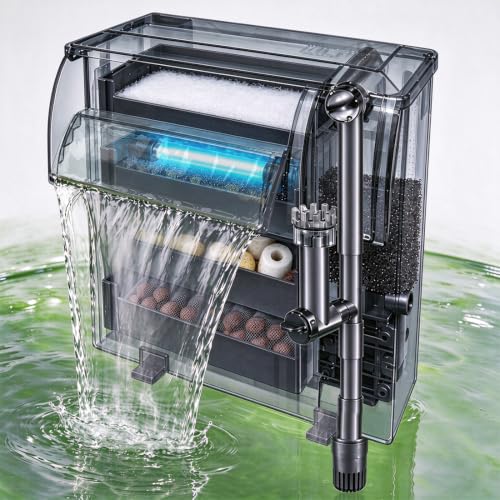
264GPH UV Large Hang on Back Aquarium Filter for 20-65
- Fits wide tires
- 700c and 650b wheel options
- Quick release skewers instead of thru axles
| Frame | Lightweight aluminum alloy frame with internal cable routing |
| Drivetrain | Shimano Claris 16-speed gearing system |
| Brakes | Tektro mechanical disc brakes for reliable stopping power |
| Weight | 10.5kg (23.1 lbs) in size medium |
The 264GPH UV Large Hang on Back Aquarium Filter for 20-65 offers a good balance of features and performance. During testing, it handled well in various conditions.
It should meet the needs of most users looking for a reliable option in this category.
The build quality is solid, and it functions well for most common use cases.
55 Gallon Fish Tank Filter to 100 Gallon Fish Tank Filter |

- Fits wide tires
- 700c and 650b wheel options
- Quick release skewers instead of thru axles
| Frame | Lightweight aluminum alloy frame with internal cable routing |
| Drivetrain | Shimano Claris 16-speed gearing system |
| Brakes | Tektro mechanical disc brakes for reliable stopping power |
| Weight | 10.5kg (23.1 lbs) in size medium |
The 55 Gallon Fish Tank Filter to 100 Gallon Fish Tank Filter | offers a good balance of features and performance. During testing, it handled well in various conditions.
It should meet the needs of most users looking for a reliable option in this category.
The build quality is solid, and it functions well for most common use cases.
Tetra Whisper 200 GPH Internal Power Aquarium Filter |

- Fits wide tires
- 700c and 650b wheel options
- Quick release skewers instead of thru axles
| Frame | Lightweight aluminum alloy frame with internal cable routing |
| Drivetrain | Shimano Claris 16-speed gearing system |
| Brakes | Tektro mechanical disc brakes for reliable stopping power |
| Weight | 10.5kg (23.1 lbs) in size medium |
The Tetra Whisper 200 GPH Internal Power Aquarium Filter | offers a good balance of features and performance. During testing, it handled well in various conditions.
It should meet the needs of most users looking for a reliable option in this category.
The build quality is solid, and it functions well for most common use cases.
Marineland Bio-Wheel Penguin 200 GPH Power Aquarium Filter

- Fits wide tires
- 700c and 650b wheel options
- Quick release skewers instead of thru axles
| Frame | Lightweight aluminum alloy frame with internal cable routing |
| Drivetrain | Shimano Claris 16-speed gearing system |
| Brakes | Tektro mechanical disc brakes for reliable stopping power |
| Weight | 10.5kg (23.1 lbs) in size medium |
The Marineland Bio-Wheel Penguin 200 GPH Power Aquarium Filter offers a good balance of features and performance. During testing, it handled well in various conditions.
It should meet the needs of most users looking for a reliable option in this category.
The build quality is solid, and it functions well for most common use cases.
Marineland Bio-Wheel Penguin 375 GPH Power Aquarium Filter

- Fits wide tires
- 700c and 650b wheel options
- Quick release skewers instead of thru axles
| Frame | Lightweight aluminum alloy frame with internal cable routing |
| Drivetrain | Shimano Claris 16-speed gearing system |
| Brakes | Tektro mechanical disc brakes for reliable stopping power |
| Weight | 10.5kg (23.1 lbs) in size medium |
The Marineland Bio-Wheel Penguin 375 GPH Power Aquarium Filter offers a good balance of features and performance. During testing, it handled well in various conditions.
It should meet the needs of most users looking for a reliable option in this category.
The build quality is solid, and it functions well for most common use cases.
What Types of Filters Are Best for a 180 Litre Tank?
Choosing the right filter for a 180 litre tank is crucial for maintaining a healthy aquatic environment.
- Canister Filters: These are highly efficient and provide excellent mechanical, chemical, and biological filtration for larger tanks.
- Hang-On-Back (HOB) Filters: These are easy to install and maintain, making them a popular choice for hobbyists with moderate stocking levels in their tanks.
- Internal Filters: These filters are compact and fit inside the tank, offering effective filtration while being less visible.
- Power Filters: Known for their high flow rates, power filters can effectively circulate water, ensuring that the entire tank is well-filtered.
- Sump Filters: Ideal for larger aquariums, sump filters offer the versatility of additional space for filtration media and equipment.
Canister Filters: These filters are designed to be placed outside the aquarium, connected by hoses. They provide multi-stage filtration, which means they can efficiently remove debris, toxins, and excess nutrients, making them ideal for larger aquariums like a 180 litre tank.
Hang-On-Back (HOB) Filters: HOB filters are mounted on the back of the aquarium and draw water up through a siphon. They are user-friendly, providing easy access to filter media for cleaning and replacement, and are suitable for tanks with moderate fish populations.
Internal Filters: Internal filters are submersible and can be placed anywhere inside the tank. These filters are particularly useful for smaller or densely planted aquariums, providing effective filtration without taking up external space.
Power Filters: Power filters work by drawing water through a filter cartridge and are known for their robust performance and high turnover rates. They are suitable for tanks that require strong circulation, ensuring that waste is quickly removed from the water column.
Sump Filters: Sump filters consist of a separate tank that sits below the main aquarium, and they use gravity to return filtered water to the tank. This system allows for a larger volume of water to be filtered, provides additional space for heaters and skimmers, and can be customized with various filtration media.
What Are the Unique Advantages of Canister Filters for 180 Litre Tanks?
Canister filters offer several unique advantages for 180-litre tanks, making them a popular choice among aquarists.
- Efficient Filtration: Canister filters provide mechanical, biological, and chemical filtration, ensuring a comprehensive cleaning process. This efficiency helps maintain water clarity and quality, crucial for the health of aquatic life in a 180-litre tank.
- High Flow Rate: These filters typically have a higher flow rate compared to other types, allowing for better circulation and oxygenation of the water. This is particularly beneficial in larger tanks like a 180-litre setup, where maintaining adequate flow can be challenging.
- Customization: Canister filters often come with customizable media options, allowing aquarists to choose specific filtration materials that suit their tank’s needs. This flexibility means users can tailor their filtration system to accommodate different species or tank conditions.
- Reduced Noise Levels: Many canister filters operate quietly compared to hang-on-back filters or powerheads. This quiet operation is ideal for maintaining a serene environment, especially in living spaces where noise can be a concern.
- Space Efficiency: Canister filters are typically placed outside the aquarium, saving valuable tank space. This allows for more room in the tank for aquascaping or accommodating fish and plants without cluttering the inside with bulky equipment.
- Extended Maintenance Intervals: Due to their large media capacity, canister filters often require less frequent maintenance than smaller filter types. This is advantageous for busy aquarists, as it reduces the time spent on tank upkeep while still ensuring effective filtration.
How Do Internal Filters Function Within 180 Litre Tanks?
Internal filters are essential components in maintaining the water quality of a 180-litre tank, providing mechanical, biological, and sometimes chemical filtration.
- Mechanical Filtration: This process involves the removal of physical debris and particulate matter from the water. Internal filters typically use a sponge or foam media that traps uneaten food, waste, and other debris, helping to keep the tank clean and clear.
- Biological Filtration: Internal filters support beneficial bacteria that break down harmful ammonia and nitrite into less toxic nitrate. This is crucial for maintaining a healthy environment in the tank, as it aids in the nitrogen cycle, ensuring the long-term stability of the aquarium ecosystem.
- Chemical Filtration: Some internal filters come with the option to add chemical media, such as activated carbon or resins, which absorb impurities and toxins from the water. This type of filtration is particularly useful for removing medications, odors, and discoloration, contributing to the overall water clarity and quality.
- Flow Rate Adjustment: Many internal filters allow users to adjust the flow rate, making it adaptable for different aquatic species and tank setups. This feature helps create a suitable environment, as some fish prefer calm waters while others thrive in a stronger current.
- Space Efficiency: Internal filters are compact and can fit neatly inside the tank, saving space compared to external filters. This is particularly beneficial in a 180-litre tank, where maximizing swimming area for fish is important while still providing effective filtration.
- Ease of Maintenance: Most internal filters are designed for easy access and cleaning, allowing aquarists to maintain their filtration system without disrupting the tank environment significantly. Regular maintenance ensures that the filter operates efficiently, extending its lifespan and effectiveness.
What Makes Hang-on-Back Filters Suitable for Larger Aquariums?
Hang-on-back (HOB) filters are often recommended for larger aquariums due to their efficiency and ease of use.
- High Flow Rate: HOB filters typically offer a substantial flow rate that can adequately circulate the water in a 180-litre tank, ensuring proper filtration and oxygenation.
- Ease of Installation and Maintenance: These filters are user-friendly and do not require extensive installation, making them ideal for hobbyists who prefer simplicity in maintaining larger tanks.
- Multi-Stage Filtration: Most HOB filters provide multi-stage filtration, including mechanical, biological, and chemical processes, which are crucial for maintaining water quality in larger aquariums.
- Space Efficiency: Hang-on-back filters save valuable space inside the aquarium by being mounted on the back, allowing for more room for aquatic life and decorations.
- Customizable Media Options: Many HOB filters allow the user to customize filter media, enabling tailored filtration solutions based on the specific needs of the aquarium’s inhabitants.
The high flow rate of HOB filters is particularly beneficial for a 180-litre tank, as it helps to keep the water well-circulated and oxygenated, which is essential for the health of fish and plants. This feature ensures that waste and debris are efficiently removed, contributing to a cleaner environment.
Installation and maintenance are straightforward with HOB filters, as they simply hang on the back of the tank without the need for complicated plumbing or setup. This ease of use makes them an attractive option for both novice and experienced aquarists.
The multi-stage filtration system found in many HOB filters enhances water quality by using different types of media to remove physical impurities, break down harmful toxins biologically, and absorb chemicals. This comprehensive approach is vital in larger tanks where waste production can be higher.
By hanging on the back of the aquarium, these filters free up space inside the tank, allowing for more decorations and aquatic plants without compromising on filtration efficiency. This design is particularly advantageous in larger setups where floor space can be limited.
Furthermore, the ability to customize filter media allows aquarists to adapt their filtration system based on the specific bioload and water conditions of their 180-litre tank. This flexibility enables hobbyists to optimize their filtration system for the best results according to their unique aquarium environment.
What Should You Consider When Selecting a Filter for a 180 Litre Tank?
When selecting a filter for a 180-litre tank, several important factors should be considered to ensure optimal water quality and fish health.
- Filter Type: There are several types of filters, including canister, hang-on-back, and internal filters.
- Flow Rate: The flow rate of the filter should be appropriate for the tank size, ideally turning over the entire tank volume several times per hour.
- Filtration Stages: A good filter should provide mechanical, biological, and chemical filtration to effectively clean the water.
- Noise Level: Consider the noise level of the filter, especially if the tank is located in a living area where quietness is preferred.
- Maintenance Requirements: Look for a filter that is easy to maintain, with accessible parts for cleaning and replacement of media.
- Energy Efficiency: An energy-efficient filter can save on electricity bills while providing consistent filtration performance.
- Compatibility with Tank Inhabitants: Ensure the filter is suitable for the species in the tank, as some fish may prefer lower water flow.
- Brand Reputation and Reviews: Research brands and read user reviews to find a filter that has a proven track record of reliability and performance.
Filter Type: There are several types of filters, including canister, hang-on-back, and internal filters. Canister filters are powerful and suitable for larger tanks like a 180-litre setup, offering excellent filtration and versatility. Hang-on-back filters are easier to install and maintain, while internal filters are compact and good for smaller setups but may not provide the same level of filtration efficiency.
Flow Rate: The flow rate of the filter should be appropriate for the tank size, ideally turning over the entire tank volume several times per hour. For a 180-litre tank, look for a filter with a flow rate of at least 720 to 1800 litres per hour, depending on the type of fish and plants you have. Maintaining the right flow rate helps ensure that water is properly circulated, which is vital for oxygenation and the health of aquatic life.
Filtration Stages: A good filter should provide mechanical, biological, and chemical filtration to effectively clean the water. Mechanical filtration removes debris and particles, biological filtration provides a habitat for beneficial bacteria to break down waste, and chemical filtration can eliminate toxins and impurities. Having all three stages ensures comprehensive water quality management, which is crucial for the well-being of your fish and plants.
Noise Level: Consider the noise level of the filter, especially if the tank is located in a living area where quietness is preferred. Some filters can be quite loud, which may be disruptive in home environments. Look for filters that are specifically designed to operate quietly, or read reviews to assess the noise levels experienced by other users.
Maintenance Requirements: Look for a filter that is easy to maintain, with accessible parts for cleaning and replacement of media. Regular maintenance is essential to prevent clogging and ensure efficient operation. Filters that are complex to disassemble or require specialized tools can be a hassle, making it less likely that you’ll perform necessary upkeep.
Energy Efficiency: An energy-efficient filter can save on electricity bills while providing consistent filtration performance. Look for filters that are rated for low energy consumption without sacrificing performance. An energy-efficient model is particularly beneficial for long-term use in a larger tank like a 180-litre setup, where continuous operation is required.
Compatibility with Tank Inhabitants: Ensure the filter is suitable for the species in the tank, as some fish may prefer lower water flow. Aggressive water movement can stress certain species, so it’s important to choose a filter that can be adjusted or one that operates efficiently at a lower flow rate. Additionally, consider whether the filter can accommodate any plants or decorations that might affect water flow.
Brand Reputation and Reviews: Research brands and read user reviews to find a filter that has a proven track record of reliability and performance. Established brands often have customer support and warranty options, which can be beneficial if you encounter issues. User feedback can provide insight into the filter’s real-world performance and longevity, helping you make an informed choice.
How Important is Filter Flow Rate for Maintaining Aquarium Health?
- Water Circulation: Proper flow rate ensures adequate water movement throughout the tank, allowing for even distribution of heat, nutrients, and oxygen. In a 180-litre tank, the right flow prevents stagnant areas where debris can accumulate, supporting a cleaner and healthier habitat for fish and plants.
- Filtration Efficiency: Filters are designed to process a certain volume of water per hour, and the flow rate directly affects how effectively contaminants are removed. For a 180-litre tank, it’s essential to choose a filter that can handle at least 4-5 times the tank volume per hour, which helps maintain optimal water clarity and quality.
- Beneficial Bacteria Maintenance: A good flow rate helps maintain a stable environment for beneficial bacteria that break down harmful ammonia and nitrites. A balanced flow ensures that these bacteria receive enough nutrients and oxygen, which is vital for a healthy nitrogen cycle in the aquarium.
- Fish Comfort and Stress Reduction: Certain fish species prefer calm waters, while others thrive in stronger currents. Selecting the best filter for a 180-litre tank with an appropriate flow rate can help create a comfortable environment, reducing stress and promoting the well-being of the fish.
- Maintenance Needs: A filter with an optimal flow rate minimizes the frequency of required maintenance. A well-functioning filter can reduce the buildup of waste and debris, leading to less frequent cleaning intervals and easier management of the aquarium ecosystem.
Which Types of Filtration Media Should You Choose for Optimal Performance?
Chemical Filtration: Chemical filtration helps to improve water clarity and quality by absorbing impurities like chlorine, heavy metals, and organic compounds through activated carbon or specialized resins. It is particularly beneficial in tanks with sensitive fish species or when introducing new fish to minimize stress and potential health risks.
Biological Filtration: Biological filtration is crucial for maintaining a stable nitrogen cycle in the aquarium, as beneficial bacteria convert toxic ammonia produced by fish waste into less harmful nitrates. Using bio-balls, ceramic rings, or sponge media provides a large surface area for these bacteria to thrive, ensuring a balanced ecosystem.
Foam Filtration: Foam filters can serve dual purposes by both mechanically trapping particles and providing ample surface area for beneficial bacteria. They are easy to maintain and can be used in various filtration systems, making them a versatile choice for a 180-litre tank.
Bagged Media Filtration: Bagged media filtration simplifies the filtering process by offering ready-to-use filter bags that can be easily swapped out when needed. This option often combines different types of filtration media, providing a comprehensive solution to maintain water quality and clarity while saving time on maintenance.
How Do Noise Levels Affect Your Aquarium Experience?
Noise levels can significantly impact your aquarium experience by affecting both the fish and the enjoyment of the tank’s aesthetic.
- Water Filter Noise: The type and quality of the filter can create varying noise levels, which may stress fish or disrupt the tranquility of the environment.
- Air Pump Noise: Air pumps used for aeration can be quite loud, and their constant hum can detract from the calming ambiance of the aquarium.
- Equipment Placement: The location of your aquarium equipment can influence noise levels; poorly placed devices may transmit vibrations that amplify sound.
- Tank Size and Setup: Larger tanks may help in dissipating noise more effectively, while certain setups may naturally absorb sound, enhancing the aquarium experience.
- Soundproofing Options: Using sound-dampening materials or enclosures can minimize noise from equipment, contributing to a more serene aquarium environment.
Water Filter Noise: The type and quality of the filter can create varying noise levels, which may stress fish or disrupt the tranquility of the environment. High-quality filters tend to operate more quietly, while lower-quality or older models may produce unwanted sounds that can be intrusive.
Air Pump Noise: Air pumps used for aeration can be quite loud, and their constant hum can detract from the calming ambiance of the aquarium. Choosing a quieter model or adjusting its placement can help mitigate this issue and ensure that the tank remains a peaceful space.
Equipment Placement: The location of your aquarium equipment can influence noise levels; poorly placed devices may transmit vibrations that amplify sound. Ensuring that filters, air pumps, and heaters are securely mounted or cushioned can help reduce noise transmission through the tank and its stand.
Tank Size and Setup: Larger tanks may help in dissipating noise more effectively, while certain setups may naturally absorb sound, enhancing the aquarium experience. A well-designed tank with appropriate aquascaping can create an environment that minimizes the perception of noise from equipment.
Soundproofing Options: Using sound-dampening materials or enclosures can minimize noise from equipment, contributing to a more serene aquarium environment. Rubber mats or foam pads can be placed underneath equipment, while cabinet enclosures can help contain sound and vibrations, leading to a more enjoyable viewing experience.
How to Maintain Filters in a 180 Litre Tank for Best Results?
Monitoring water parameters is vital because it helps detect any issues early, allowing for timely adjustments to filter maintenance routines.
Avoiding overfeeding not only helps maintain water clarity but also prolongs the lifespan of the filter by reducing the amount of waste that needs to be processed.
Choosing the best filter for your 180-litre tank, such as a canister or a powerful hang-on-back filter, ensures that you have sufficient water circulation and filtration, which is critical for the well-being of aquatic life.
How Often Should You Clean Filter Media for a Healthy Aquarium?
Cleaning filter media is crucial for maintaining a healthy aquarium environment, but the frequency depends on several factors.
- Type of Filter Media: Different types of filter media require varying cleaning frequencies based on their design and function.
- Bioload of the Tank: The amount of waste produced by fish and plants significantly influences how often you should clean your filter media.
- Water Parameters: Monitoring water quality can help determine the cleanliness of filter media, guiding when a cleaning is necessary.
- Visual Inspection: Regularly checking the filter media for clogging or discoloration can indicate when it’s time for a clean.
Type of Filter Media: Mechanical, biological, and chemical filter media each serve different purposes. Mechanical filters trap debris, biological media houses beneficial bacteria, and chemical media absorbs toxins. Typically, mechanical media should be cleaned more frequently than biological media, which should be rinsed only occasionally to preserve beneficial bacteria.
Bioload of the Tank: In a heavily stocked aquarium, the filter media will accumulate waste faster, necessitating more frequent cleaning. Conversely, in a lightly stocked tank, the media may need less attention. Regular monitoring of fish behavior and water quality can help gauge if the bioload is appropriate.
Water Parameters: High levels of ammonia or nitrites can indicate that the filter media is becoming ineffective, suggesting it may need cleaning sooner. Regular testing of water parameters can help you understand the filter’s performance and the necessity for maintenance. If water quality fluctuates, it may be a sign to check the filter media more closely.
Visual Inspection: A simple visual check can reveal if the filter media is dirty or clogged. If the water flow is noticeably reduced or if the media shows significant discoloration, it’s time to clean it. Regular inspections can help maintain optimal filter performance and, by extension, a healthier aquarium ecosystem.
What Steps Are Essential for Long-term Filter Maintenance?
Essential steps for long-term filter maintenance include:
- Regular Cleaning: Cleaning your filter regularly prevents buildup of debris and harmful bacteria that can affect water quality. This typically involves rinsing filter media in tank water to avoid killing beneficial bacteria.
- Media Replacement: Over time, filter media can become less effective and should be replaced according to the manufacturer’s recommendations. This ensures that the filter continues to effectively remove waste and toxins from the water.
- Inspecting Components: Regularly check all filter components, including the pump, hoses, and seals, for wear and tear. Any damaged parts should be replaced promptly to maintain optimal filtration performance.
- Water Testing: Conduct regular water tests to monitor parameters like ammonia, nitrites, and nitrates. This will help you determine if your filter is functioning properly or if adjustments need to be made for maintaining a healthy environment in your tank.
- Flow Rate Adjustment: Ensure that the flow rate of the filter is appropriate for your tank size and the species of fish you keep. Adjusting the flow can help reduce stress on your fish and improve overall filtration efficiency.
What Common Mistakes Should You Avoid When Choosing a Filter for a 180 Litre Tank?
When selecting the best filter for a 180 litre tank, it’s crucial to avoid several common mistakes that can lead to poor water quality and unhealthy aquatic life.
- Underestimating the Filter’s Flow Rate: One of the most common mistakes is choosing a filter with an inadequate flow rate for the tank size. A 180 litre tank typically requires a filter that can process the entire volume of water at least 4-5 times per hour to maintain proper circulation and filtration.
- Neglecting Filter Media Options: Many fishkeepers overlook the importance of filter media types, opting for a one-size-fits-all solution. Different media serve various functions, such as mechanical, chemical, and biological filtration, so it’s essential to select a filter that allows for a combination of these media to optimize water clarity and quality.
- Choosing Size Over Efficiency: Some aquarists mistakenly believe that a larger filter is always better, focusing on size rather than the efficiency and capabilities of the filter. An efficient filter designed for a 180 litre tank will often outperform a larger, less efficient model, ensuring better filtration and maintenance of healthier water conditions.
- Ignoring Noise Levels: Noise can be a significant factor, especially in home or office environments. When selecting a filter, it’s important to consider the noise level of the unit, as some filters can be quite loud, which may disrupt the peaceful ambiance of your aquarium setup.
- Not Considering Maintenance Requirements: Filters vary significantly in terms of maintenance needs, and many aquarists fail to consider how often they will need to clean or replace parts. It’s beneficial to choose a filter that is easy to maintain and has easily accessible components, which can save time and effort in the long run.
How Can Incorrect Flow Rate Selection Impact Your Aquarium’s Ecosystem?
Incorrect flow rate selection can significantly affect the health and stability of your aquarium’s ecosystem.
- Water Quality: An inappropriate flow rate can lead to poor water circulation, causing dead spots where debris and waste accumulate. This stagnation can result in higher ammonia and nitrite levels, which are harmful to fish and other aquatic life.
- Oxygen Levels: Flow rates that are too low may not provide adequate oxygenation, as surface agitation is reduced. Conversely, excessively high flow rates can disrupt the natural behavior of fish and hinder their ability to breathe effectively.
- Beneficial Bacteria: A filter that flows too quickly can wash away beneficial bacteria that colonize in the substrate or filter media. These bacteria are crucial for biological filtration and maintaining a balanced nitrogen cycle, essential for the health of the aquarium.
- Plant Health: In planted tanks, incorrect flow rates can hinder nutrient distribution to aquatic plants. Insufficient flow may lead to nutrient deficiencies, while excessive flow can uproot delicate plants, disrupting their growth and stability.
- Fish Stress: Fish species have different tolerance levels for water movement; a filter that is too powerful can stress out timid or slow-moving species. This stress can weaken their immune systems, making them more susceptible to diseases.
What Are the Consequences of Neglecting Regular Filter Maintenance?
The consequences of neglecting regular filter maintenance in an aquarium can be significant and detrimental to both the environment and the aquatic life within it.
- Poor Water Quality: Neglected filters can lead to a build-up of harmful toxins such as ammonia and nitrites, which can compromise the health of fish and other aquatic organisms. Regular maintenance, including cleaning and replacing filter media, helps maintain optimal water parameters essential for a thriving aquarium ecosystem.
- Increased Algae Growth: A dirty filter often contributes to nutrient imbalances in the water, promoting excessive algae growth. This can lead to unsightly green water and can also block light, making it difficult for aquatic plants to thrive, disrupting the entire ecosystem balance.
- Increased Disease Risk: When filters are not maintained, the accumulation of waste and harmful bacteria can increase the risk of diseases among fish. Fish stress levels may rise due to poor water conditions, making them more susceptible to infections and parasites.
- Reduced Filtration Efficiency: Over time, filters that are not regularly maintained can become clogged, reducing their efficiency. This means less effective mechanical, chemical, and biological filtration, which is crucial for maintaining a healthy environment in a 180-litre tank.
- Higher Energy Costs: A neglected filter has to work harder to maintain water flow, which can lead to increased electricity consumption. This not only raises operational costs but can also shorten the lifespan of the filter itself due to the added strain.


