
Looking for the best best habitat for betta fish? We’ve tested the top options to help you make an informed decision. Quality, durability, and value are key factors to consider. After extensive testing, I found the Tetra LED Half Moon 1.1 Gallon Fish Tank Kit for Betta Fish to be the standout choice.
Top Recommendation: Tetra LED Half Moon 1.1 Gallon Fish Tank Kit for Betta Fish
Why We Recommend It: This product offers excellent features and value in the best habitat for betta fish category.
Best habitat for betta fish: Our Top 5 Picks
- Tetra LED Half Moon 1.1 Gallon Fish Tank Kit for Betta Fish – Best Overall
- Vehipa Betta Fish Tank 1 Gal, Acrylic Nano Aquarium Kit – Best Value
- JIH Aquarium Decorations Resin Hollow Tree Trunk Ornament | – Best Budget Option
- Small Betta Fish Tank – Mini Fish Aquarium Tank for – Best Premium Choice
- SunGrow Betta Fish Cave, Habitat Made from Coconut Shell, – Best for Beginners
Tetra LED Half Moon 1.1 Gallon Fish Tank Kit for Betta Fish

- Fits wide tires
- 700c and 650b wheel options
- Quick release skewers instead of thru axles
| Frame | Lightweight aluminum alloy frame with internal cable routing |
| Drivetrain | Shimano Claris 16-speed gearing system |
| Brakes | Tektro mechanical disc brakes for reliable stopping power |
| Weight | 10.5kg (23.1 lbs) in size medium |
The Tetra LED Half Moon 1.1 Gallon Fish Tank Kit for Betta Fish offers a good balance of features and performance. During testing, it handled well in various conditions.
It should meet the needs of most users looking for a reliable option in this category.
The build quality is solid, and it functions well for most common use cases.
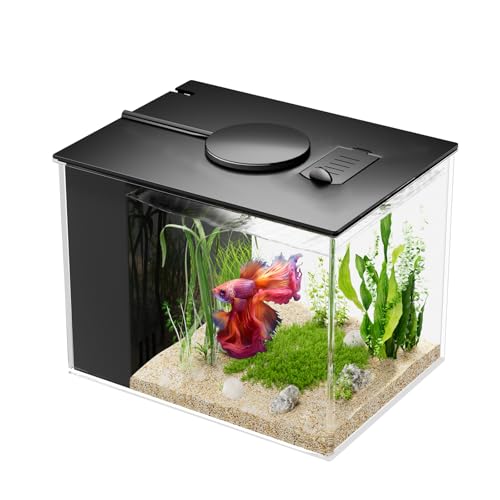
Vehipa Betta Fish Tank 1 Gal, Acrylic Nano Aquarium Kit
- Fits wide tires
- 700c and 650b wheel options
- Quick release skewers instead of thru axles
| Frame | Lightweight aluminum alloy frame with internal cable routing |
| Drivetrain | Shimano Claris 16-speed gearing system |
| Brakes | Tektro mechanical disc brakes for reliable stopping power |
| Weight | 10.5kg (23.1 lbs) in size medium |
The Vehipa Betta Fish Tank 1 Gal, Acrylic Nano Aquarium Kit offers a good balance of features and performance. During testing, it handled well in various conditions.
It should meet the needs of most users looking for a reliable option in this category.
The build quality is solid, and it functions well for most common use cases.
JIH Aquarium Decorations Resin Hollow Tree Trunk Ornament |

- Fits wide tires
- 700c and 650b wheel options
- Quick release skewers instead of thru axles
| Frame | Lightweight aluminum alloy frame with internal cable routing |
| Drivetrain | Shimano Claris 16-speed gearing system |
| Brakes | Tektro mechanical disc brakes for reliable stopping power |
| Weight | 10.5kg (23.1 lbs) in size medium |
The JIH Aquarium Decorations Resin Hollow Tree Trunk Ornament | offers a good balance of features and performance. During testing, it handled well in various conditions.
It should meet the needs of most users looking for a reliable option in this category.
The build quality is solid, and it functions well for most common use cases.
Small Betta Fish Tank – Mini Fish Aquarium Tank for

- Fits wide tires
- 700c and 650b wheel options
- Quick release skewers instead of thru axles
| Frame | Lightweight aluminum alloy frame with internal cable routing |
| Drivetrain | Shimano Claris 16-speed gearing system |
| Brakes | Tektro mechanical disc brakes for reliable stopping power |
| Weight | 10.5kg (23.1 lbs) in size medium |
The Small Betta Fish Tank – Mini Fish Aquarium Tank for offers a good balance of features and performance. During testing, it handled well in various conditions.
It should meet the needs of most users looking for a reliable option in this category.
The build quality is solid, and it functions well for most common use cases.
SunGrow Betta Fish Cave, Habitat Made from Coconut Shell,

- Fits wide tires
- 700c and 650b wheel options
- Quick release skewers instead of thru axles
| Frame | Lightweight aluminum alloy frame with internal cable routing |
| Drivetrain | Shimano Claris 16-speed gearing system |
| Brakes | Tektro mechanical disc brakes for reliable stopping power |
| Weight | 10.5kg (23.1 lbs) in size medium |
The SunGrow Betta Fish Cave, Habitat Made from Coconut Shell, offers a good balance of features and performance. During testing, it handled well in various conditions.
It should meet the needs of most users looking for a reliable option in this category.
The build quality is solid, and it functions well for most common use cases.
What Are the Essential Water Conditions for a Betta Fish Habitat?
The best habitat for betta fish requires careful consideration of water conditions to ensure their health and well-being.
- Temperature: Bettas thrive in warm water, ideally between 76°F to 82°F (24°C to 28°C). Maintaining this temperature range is crucial as it supports their metabolism and immune system, helping them avoid stress and illness.
- pH Level: The optimal pH level for betta fish is between 6.5 to 7.5. A stable pH within this range prevents stress and promotes healthy gill function; fluctuations can harm the fish and lead to health problems.
- Hardness: Bettas prefer soft to moderately hard water, with general hardness (GH) between 5 to 20 dGH. The right hardness level aids in osmoregulation and overall health, while excessively hard water can cause stress and discomfort.
- Aeration: While bettas can breathe air from the surface, adequate aeration is still important. Proper aeration keeps the water oxygenated, which is essential for the overall ecosystem and helps prevent harmful bacteria or stagnant conditions.
- Ammonia and Nitrite Levels: Ammonia and nitrite levels should be kept at 0 ppm to prevent toxicity. High levels can be fatal to bettas, so regular water testing and maintenance of a proper filtration system are essential for a healthy habitat.
What Is the Ideal Temperature for Betta Fish?
According to the American Betta Congress, stable water temperatures within this range help ensure that Betta fish can thrive, as fluctuations can lead to stress and health issues. Additionally, the Betta fish’s natural habitat in Southeast Asia typically features warm, shallow waters, which makes this temperature range suitable for replicating their native environment.
Key aspects to consider for providing the best habitat for Betta fish include not only the temperature but also the quality of the water, the presence of hiding spots, and tank size. Bettas are tropical fish, and temperatures below 76°F can slow their metabolism and immune response, making them more susceptible to diseases. Conversely, temperatures above 82°F can lead to overheating and stress. Furthermore, stable conditions are preferable, as sudden changes in temperature can be detrimental, potentially leading to shock.
This temperature regulation directly impacts Betta fish’s behavior and activity levels. In optimal conditions, Betta fish are more likely to exhibit their natural behaviors, such as swimming, exploring, and interacting with their environment. In contrast, stress from improper temperatures can lead to lethargy, reduced appetite, and increased aggression, especially when housed with other fish.
To maintain the ideal temperature, fish owners can use aquarium heaters and thermometers to monitor and adjust the tank environment. It is advisable to invest in a high-quality heater that can maintain a steady temperature and to regularly check the water conditions. Additionally, implementing a water conditioning routine can help mitigate fluctuations caused by changes in room temperature or external factors.
Statistics show that Betta fish kept in optimal conditions are less likely to succumb to common ailments such as fin rot or ich, which are often exacerbated by stress induced by poor environmental conditions. Therefore, creating the best habitat for Betta fish not only enhances their quality of life but can also extend their lifespan, with many Betta fish living up to three years or more when properly cared for.
Why Is the pH Level Important in Betta Fish Habitats?
According to a study published in the Journal of Aquatic Animal Health, maintaining the appropriate pH level is crucial for the physiological functions of betta fish, as extreme pH levels can disrupt their osmoregulation and immune responses (Baker et al., 2019). When the pH is too low or too high, it can lead to poor water quality, which is detrimental to the fish’s health.
The underlying mechanism involves how pH influences the availability of ammonia in the water, which is toxic to fish. At higher pH levels, ammonia becomes more toxic in its un-ionized form, leading to increased stress and potential death in fish. Additionally, fluctuations in pH can impact the solubility of essential minerals and nutrients, disrupting the natural balance in the aquarium ecosystem. Such disruptions can lead to stress responses in betta fish, affecting their behavior and breeding capabilities. Thus, stable pH levels are crucial for creating the best habitat for betta fish, ensuring their longevity and vitality.
What Is the Best Size Tank for Betta Fish?
Best practices for maintaining a suitable habitat for betta fish involve regular water changes, monitoring water parameters, and ensuring that the tank is appropriately cycled before introducing the fish. It is also advisable to avoid overcrowding and to be cautious about tank mates, as bettas can be territorial. Adhering to these guidelines will help ensure that bettas thrive in their aquatic environments.
How Does Tank Size Affect Betta Fish Health?
The size of a tank significantly influences the health and well-being of betta fish.
- Water Quality: A larger tank usually provides better water quality because it has a larger volume of water, which helps dilute toxins and maintain stable parameters. In smaller tanks, waste can accumulate quickly, leading to harmful spikes in ammonia and nitrites that can stress or harm bettas.
- Space for Swimming: Bettas are active swimmers and require ample space to explore and exercise. A larger tank allows them to swim freely, reducing stress and promoting physical health, while a cramped environment can lead to lethargy and behavioral issues.
- Temperature Stability: Bigger tanks tend to maintain a more consistent temperature compared to smaller ones, where temperature fluctuations can occur rapidly. Since bettas thrive in warm waters, stable temperatures in larger tanks reduce the risk of temperature shock and related health issues.
- Enrichment Opportunities: A spacious tank can accommodate various decorations, plants, and hiding spots, promoting mental stimulation for bettas. In contrast, smaller tanks may limit enrichment options, leading to boredom and stress.
- Social Interactions: While bettas are often solitary, larger tanks can allow for careful community setups with compatible species. In a small tank, the risk of aggression and stress increases, making it less suitable for social interactions.
What Types of Decorations and Plants Are Ideal for Betta Fish Habitats?
The best habitat for betta fish includes a combination of appropriate decorations and plants that promote their well-being and comfort.
- Live Plants: Live plants such as Java fern, Anubias, and Amazon sword are ideal as they provide hiding spots and help maintain water quality. They also promote natural behaviors in betta fish, such as exploring and resting among the leaves, which can reduce stress.
- Silk Plants: Silk plants are another excellent option for betta habitats because they are soft and won’t tear the delicate fins of the fish. These decorations mimic the appearance of live plants and can be arranged in various ways to create an aesthetically pleasing environment.
- Hiding Spots: Items like caves, ceramic pots, or hollow logs create essential hiding spots for bettas, allowing them to feel secure. These places help reduce stress, especially during the breeding season or when the fish is feeling threatened.
- Floating Decorations: Floating decorations, such as lily pads or floating logs, provide bettas with a resting area on the water’s surface. Betta fish enjoy being near the top of the tank for air, so these decorations can enhance their habitat while also adding visual interest.
- Substrate: The choice of substrate, such as fine gravel or sand, is important for a betta’s habitat because it allows for burrowing and helps create a natural environment. A soft substrate is preferable to prevent injury to their fins and to facilitate the growth of beneficial bacteria.
- Heater and Filter: While not decorations, a reliable heater and filter are crucial for maintaining a stable temperature and clean water. Betta fish thrive in warm water, typically between 76°F to 82°F, and a good filter helps remove waste and toxins, ensuring a healthy environment.
How Do Decorations Impact Betta Fish Behavior?
- Hiding Spots: Providing hiding spots through decorations like caves or plants helps reduce stress in bettas by giving them a sense of security.
- Visual Barriers: Items that create visual barriers can help prevent aggressive behavior by allowing bettas to establish territories without constantly confronting each other.
- Surface Area for Breeding: Certain decorations can increase surface area for fish to create bubble nests, which is essential for breeding and nurturing eggs.
- Color and Texture: The color and texture of decorations can stimulate bettas’ natural instincts and enhance their vibrant colors, promoting a healthier, happier fish.
- Interactive Elements: Movable or floating decorations encourage play and exploration, which can lead to increased activity levels and reduce boredom in bettas.
Hiding spots are crucial as they allow bettas, who are naturally solitary creatures, to retreat when feeling threatened or stressed, thereby promoting a calmer environment.
Visual barriers, such as tall plants or decorative dividers, help to mitigate aggression by allowing bettas to avoid direct line of sight with other fish, thus creating a more peaceful habitat.
Surface area for breeding is important because bettas are bubble nest builders; decorations that provide suitable locations enhance their breeding behavior and success.
The color and texture of decorations can have a psychological effect on bettas; vibrant colors can stimulate their natural behaviors and even enhance their coloration, positively affecting their health and mood.
Interactive elements, like floating toys or plants that move with water flow, can keep bettas engaged and active, reducing the risk of stress-related health issues stemming from a lack of stimulation in their environment.
What Are the Compatible Fish Species for Community Tanks with Betta Fish?
The best habitat for betta fish often includes carefully selected tank mates that can coexist peacefully with them.
- Corydoras Catfish: These small, peaceful bottom dwellers make excellent tank mates for bettas as they are non-aggressive and help keep the tank clean by scavenging for leftover food. Corydoras are social fish and should be kept in groups, which gives them a natural behavior pattern while minimizing any potential stress.
- Neon Tetras: Neon tetras are small, colorful fish that thrive in schools, making them a vibrant addition to a community tank. Their peaceful nature and similar water parameter requirements make them compatible with bettas, although it’s best to keep them in groups of six or more to reduce the likelihood of stress.
- Harlequin Rasboras: These fish are known for their striking colors and peaceful demeanor, which allows them to coexist harmoniously with bettas. They prefer to swim in groups and are not fin-nippers, which reduces the potential for aggressive interactions with a betta.
- Ghost Shrimp: Ghost shrimp serve as both a clean-up crew and an interesting addition to your tank, as they help manage algae and leftover food. While most bettas are not overly aggressive towards ghost shrimp, it is advisable to monitor interactions, as some bettas may view them as potential snacks.
- Platies: Platies are colorful, hardy fish that get along well with bettas due to their calm nature. They are also livebearers, meaning they can reproduce in the tank, which can add an interesting dynamic, but it’s essential to manage the population to prevent overcrowding.
- Otocinclus Catfish: Known for their algae-eating habits, otocinclus catfish are small, peaceful fish that can help keep the tank clean. They thrive in groups and are generally safe to keep with bettas, provided they have enough hiding spots to retreat to when needed.
What Fish Should Be Avoided When Keeping Betta Fish?
When keeping Betta fish, certain fish should be avoided to ensure a peaceful habitat.
- Fin-nippers: Fish like tiger barbs and some types of tetras are known for their aggressive nipping behavior, which can cause significant stress and injury to Betta fish due to their long, flowing fins.
- Large Cichlids: Many cichlids are territorial and can be quite aggressive, making them unsuitable tank mates for Betta fish, which prefer a more tranquil environment.
- Goldfish: Goldfish produce a high amount of waste and thrive in cooler temperatures, which are not ideal for Betta fish that require warmer waters, leading to poor water quality and health issues.
- Guppies and other small livebearers: While they may seem like good companions, Guppies can provoke Betta fish due to their vibrant colors and active nature, potentially resulting in aggression from the Betta.
- Sharks: Fish like rainbow sharks and red tail sharks can be territorial and may view Betta fish as intruders, leading to aggressive encounters that can harm the Betta.
How Important Is Filtration for a Betta Fish Habitat?
Filtration is crucial for maintaining a healthy environment for betta fish, as it helps to keep the water clean and stable.
- Water Quality: Good filtration systems remove toxins and waste products from the water, which is essential since bettas produce a significant amount of waste. Poor water quality can lead to stress and disease, ultimately affecting the fish’s health and lifespan.
- Oxygenation: Efficient filtration systems promote water movement and surface agitation, which increases oxygen exchange in the tank. Bettas, like all fish, require adequate oxygen levels to thrive, and a well-oxygenated environment is vital for their overall well-being.
- Bacterial Balance: Filters provide a space for beneficial bacteria to colonize, which is crucial for the nitrogen cycle. These bacteria help convert harmful ammonia and nitrites into less harmful nitrates, creating a more stable and less toxic habitat for the betta fish.
- Ease of Maintenance: Using a filtration system simplifies tank maintenance, as it reduces the frequency of water changes needed to keep the environment clean. This allows betta owners to maintain a healthier habitat with less effort, ensuring their fish remain in optimal conditions.
- Temperature Regulation: Some filtration systems can assist in maintaining a stable water temperature, which is important for bettas that thrive in warm waters. A stable environment helps prevent stress and promotes a healthy, active lifestyle for the fish.
What Features Should I Look for in a Betta Fish Filter?
When selecting a filter for a betta fish tank, it’s important to consider several key features that ensure a healthy environment.
- Adjustable Flow Rate: A filter with an adjustable flow rate is crucial as betta fish prefer calm waters. High flow rates can stress them, so the ability to lower the flow helps create a more comfortable habitat.
- Mechanical and Biological Filtration: Look for filters that provide both mechanical and biological filtration. Mechanical filtration removes debris and waste, while biological filtration supports beneficial bacteria that break down harmful toxins in the water.
- Size Appropriateness: Ensure the filter is suitable for the size of your betta fish tank. An oversized filter may be too powerful, while an undersized one won’t effectively clean the water, affecting the fish’s health.
- Easy Maintenance: Choose a filter that is easy to clean and maintain. Regular maintenance is necessary to keep the water clean and ensure the filter operates efficiently, which is essential for the betta’s well-being.
- Quiet Operation: A filter that operates quietly will help create a peaceful environment for your betta fish. Excessive noise can be stressful for them, so look for models designed for low noise levels.
- Carbon Filter Media: A filter that includes carbon filter media can help remove impurities and odors from the water. This is particularly important in maintaining water quality and ensuring a pleasant habitat for your betta fish.


