
Looking for the best best fish to own? We’ve tested the top options to help you make an informed decision. Quality, durability, and value are key factors to consider. After extensive testing, I found the 259pcs Unpainted Fishing Lures Making Kit DIY Blank Lure to be the standout choice.
Top Recommendation: 259pcs Unpainted Fishing Lures Making Kit DIY Blank Lure
Why We Recommend It: This product offers excellent features and value in the best fish to own category.
Best fish to own: Our Top 5 Picks
- 259pcs Unpainted Fishing Lures Making Kit DIY Blank Lure – Best Overall
- 342pcs Fishing Lure Making Kit DIY Blank Crankbaits – Best Value
- ComposiMold Make Your Own Soft Bait Fishing Lures KIT – 1 – Best Budget Option
- 4″ 2-Cavity Soft Plastic Lure Mold Kit Injector for DIY – Best Premium Choice
- Fifty Places to Fly Fish Before You Die – Best for Beginners
259pcs Unpainted Fishing Lures Making Kit DIY Blank Lure

- Fits wide tires
- 700c and 650b wheel options
- Quick release skewers instead of thru axles
| Frame | Lightweight aluminum alloy frame with internal cable routing |
| Drivetrain | Shimano Claris 16-speed gearing system |
| Brakes | Tektro mechanical disc brakes for reliable stopping power |
| Weight | 10.5kg (23.1 lbs) in size medium |
The 259pcs Unpainted Fishing Lures Making Kit DIY Blank Lure offers a good balance of features and performance. During testing, it handled well in various conditions.
It should meet the needs of most users looking for a reliable option in this category.
The build quality is solid, and it functions well for most common use cases.
342pcs Fishing Lure Making Kit DIY Blank Crankbaits

- Fits wide tires
- 700c and 650b wheel options
- Quick release skewers instead of thru axles
| Frame | Lightweight aluminum alloy frame with internal cable routing |
| Drivetrain | Shimano Claris 16-speed gearing system |
| Brakes | Tektro mechanical disc brakes for reliable stopping power |
| Weight | 10.5kg (23.1 lbs) in size medium |
The 342pcs Fishing Lure Making Kit DIY Blank Crankbaits offers a good balance of features and performance. During testing, it handled well in various conditions.
It should meet the needs of most users looking for a reliable option in this category.
The build quality is solid, and it functions well for most common use cases.
ComposiMold Make Your Own Soft Bait Fishing Lures KIT – 1

- Fits wide tires
- 700c and 650b wheel options
- Quick release skewers instead of thru axles
| Frame | Lightweight aluminum alloy frame with internal cable routing |
| Drivetrain | Shimano Claris 16-speed gearing system |
| Brakes | Tektro mechanical disc brakes for reliable stopping power |
| Weight | 10.5kg (23.1 lbs) in size medium |
The ComposiMold Make Your Own Soft Bait Fishing Lures KIT – 1 offers a good balance of features and performance. During testing, it handled well in various conditions.
It should meet the needs of most users looking for a reliable option in this category.
The build quality is solid, and it functions well for most common use cases.
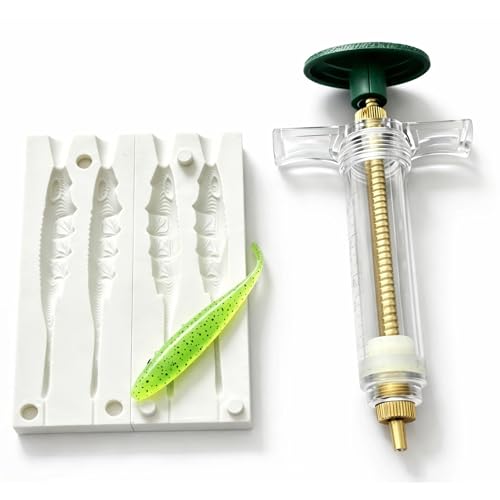
4″ 2-Cavity Soft Plastic Lure Mold Kit Injector for DIY
- Fits wide tires
- 700c and 650b wheel options
- Quick release skewers instead of thru axles
| Frame | Lightweight aluminum alloy frame with internal cable routing |
| Drivetrain | Shimano Claris 16-speed gearing system |
| Brakes | Tektro mechanical disc brakes for reliable stopping power |
| Weight | 10.5kg (23.1 lbs) in size medium |
The 4″ 2-Cavity Soft Plastic Lure Mold Kit Injector for DIY offers a good balance of features and performance. During testing, it handled well in various conditions.
It should meet the needs of most users looking for a reliable option in this category.
The build quality is solid, and it functions well for most common use cases.
Fifty Places to Fly Fish Before You Die

- Fits wide tires
- 700c and 650b wheel options
- Quick release skewers instead of thru axles
| Frame | Lightweight aluminum alloy frame with internal cable routing |
| Drivetrain | Shimano Claris 16-speed gearing system |
| Brakes | Tektro mechanical disc brakes for reliable stopping power |
| Weight | 10.5kg (23.1 lbs) in size medium |
The Fifty Places to Fly Fish Before You Die offers a good balance of features and performance. During testing, it handled well in various conditions.
It should meet the needs of most users looking for a reliable option in this category.
The build quality is solid, and it functions well for most common use cases.
What Are the Top Freshwater Fish for Beginners?
Some of the best fish to own for beginners include:
- Betta Fish: Betta fish, also known as Siamese fighting fish, are known for their vibrant colors and flowing fins. They are relatively easy to care for, requiring a small tank with a heater, and thrive in warm water, making them a popular choice for novice aquarists.
- Goldfish: Goldfish are a classic choice for beginners due to their hardiness and availability in various varieties. While they can grow quite large and require more space than often assumed, they are generally easy to feed and maintain, making them a staple in many households.
- Neon Tetra: Neon tetras are small, colorful fish that do well in schools of six or more. They are peaceful and can adapt to a variety of tank environments, making them perfect for community tanks, and their vibrant blue and red colors add a beautiful touch to any aquarium.
- Guppy: Guppies are lively, colorful fish that are very forgiving of beginner mistakes, making them an excellent choice. They breed easily in home aquariums, which can be both a joy and a challenge, providing a continuous display of their vibrant colors as they multiply.
- Platies: Platies are hardy fish that come in various colors and patterns, making them visually appealing for aquarists. They are social creatures that thrive in groups, are easy to care for, and can adapt well to different water conditions, making them ideal for beginners.
- Zebra Danio: Zebra danios are active and resilient fish that are known for their distinctive horizontal stripes. They can tolerate a wide range of water conditions and are great for community tanks, making them a fun and easy option for new aquarists.
Which Freshwater Fish Are Easiest to Care For?
The easiest freshwater fish to care for include several species that are known for their hardiness and minimal maintenance requirements.
- Betta Fish: Betta fish are vibrant and come in a variety of colors and fin shapes. They thrive in smaller tanks and require relatively low maintenance, as they can adapt to a range of water conditions, though they should be kept alone or with compatible tank mates due to their aggressive nature.
- Goldfish: Goldfish are a classic choice for beginners, known for their friendly demeanor and ability to live in various environments. They do require a larger tank than many might expect, as they produce a significant amount of waste, but they are generally hardy and can live for many years with proper care.
- Guppies: Guppies are small, colorful fish that are incredibly easy to care for and breed. They are social animals that thrive in groups and can adapt to different water conditions, making them perfect for novice aquarists.
- Zebra Danios: Zebra Danios are active, hardy fish that can tolerate a wide range of water parameters. They are well-suited for community tanks and are known for their playful behavior, which adds vibrancy to any aquarium.
- Corydoras Catfish: Corydoras catfish are peaceful bottom dwellers that help keep the tank clean by scavenging for leftover food. They are social creatures that should be kept in groups, and their low-maintenance nature makes them ideal for beginner aquarists.
- Platies: Platies are easy-going fish that come in various colors and patterns. They are livebearers, which means they give birth to live young, and they thrive in community tanks, making them a great choice for beginners looking to add variety.
What Are the Best Community Fish for Home Aquariums?
The best community fish for home aquariums are those that are peaceful and can coexist harmoniously with other species.
- Neon Tetra: These small, colorful fish are popular for community tanks due to their vibrant blue and red stripes. They thrive in schools of six or more and are known for their peaceful nature, making them an excellent choice for beginners.
- Guppy: Guppies are hardy and adaptable fish that come in a variety of colors and patterns. They are livebearers, meaning they give birth to free-swimming young, and they do well in groups, allowing for a lively and colorful aquarium.
- Corydoras Catfish: These bottom-dwelling fish are great for keeping the tank clean as they scavenge for leftover food. Corydoras are social creatures that prefer to be in groups, adding both activity and a unique aspect to the aquarium floor.
- Platies: Platies are cheerful and easy to care for, coming in numerous colors and variations. They are also livebearers and are known for their peaceful disposition, making them suitable for community tanks alongside other non-aggressive fish.
- Zebra Danio: Zebra Danios are hardy fish that are very active and can adapt to a range of water conditions. Their playful behavior and striking stripes make them an attractive addition to community aquariums, and they do well in schools, promoting a vibrant atmosphere.
- Cherry Barbs: These small, peaceful fish are known for their beautiful coloration, especially the males which develop bright red hues. They thrive in schools and are compatible with many other community fish, making them a great choice for a diverse aquarium setup.
- Otocinclus: Otocinclus, or “Otos,” are small algae-eating catfish that are perfect for controlling algae growth in the aquarium. They are peaceful and prefer to be kept in groups, making them an excellent addition to community tanks where they can help maintain water quality.
- Endler’s Livebearer: These fish are similar to guppies but are smaller in size and have vibrant colors. They are easy to care for, breed readily in captivity, and thrive in community settings, making them an excellent choice for hobbyists looking to add lively colors to their tanks.
Which Fish Can Be Kept Together Without Issues?
The best fish to own that can be kept together without issues include the following:
- Neon Tetras: These small, colorful fish are peaceful and do well in schools, making them ideal for community tanks.
- Guppies: Guppies are hardy and friendly, thriving in various water conditions, and they add vibrant colors to any aquarium.
- Zebra Danios: Known for their resilience, Zebra Danios are active swimmers that get along with many species and can tolerate a range of water conditions.
- Platies: Platies are easy to care for, social fish that come in various colors, and they are compatible with peaceful community fish.
- Corydoras Catfish: These bottom-dwellers are gentle and help keep the aquarium clean, as they scavenge for leftover food without bothering other fish.
Neon Tetras: Neon Tetras are small, schooling fish that thrive in groups of six or more. Their peaceful nature makes them excellent companions for other non-aggressive fish, and they prefer a well-planted tank that mimics their natural habitat.
Guppies: Guppies are known for their hardiness and adaptability, which allows them to coexist with various species. They are livebearers, meaning they give birth to live young, so it’s advisable to monitor their population if kept in a small tank.
Zebra Danios: Zebra Danios are energetic and social fish that do well in larger groups. Their fast swimming and playful behavior make them a lively addition to community tanks, and their hardiness allows them to adapt to different environments.
Platies: Platies are friendly and easy to care for, making them suitable for beginner aquarists. They are livebearers and come in many colors, adding visual interest to the tank, and they generally get along well with other peaceful fish.
Corydoras Catfish: Corydoras Catfish are sociable and prefer to be in groups, so it’s best to keep at least three or four. They are excellent scavengers that help maintain the cleanliness of the aquarium by eating leftover food and debris on the substrate.
What Are the Best Saltwater Fish for Enthusiasts?
The best saltwater fish for enthusiasts vary based on ease of care, compatibility, and beauty.
- Clownfish: Clownfish are popular for their vibrant colors and hardy nature, making them ideal for beginners. They are known for their symbiotic relationship with anemones, providing a fascinating dynamic in a home aquarium.
- Blue Tang: The Blue Tang, made famous by the character Dory from “Finding Nemo,” is admired for its striking blue coloration. While they require a larger tank and proper water conditions, they are relatively easy to care for and can be quite social with other fish.
- Royal Gramma: This small, colorful fish is known for its peaceful temperament and ability to thrive in various tank environments. The Royal Gramma is also a great choice for reef tanks as it is a hardy species that typically does well with other non-aggressive fish.
- Damselfish: Damselfish are hardy and resilient, making them an excellent choice for beginners in saltwater aquariums. They come in various colors and are known for their feisty nature, which can sometimes lead to territorial disputes in smaller tanks.
- Cardinalfish: Cardinalfish are small, peaceful fish that are perfect for community tanks. They are easy to care for and can thrive in various environments, making them ideal for new enthusiasts looking to create a vibrant underwater habitat.
- Firefish: Firefish are known for their striking colors and peaceful nature, making them a great addition to any reef tank. They prefer to have hiding spots available and are generally easy to care for, thriving in groups.
- Mandarinfish: The Mandarinfish is renowned for its stunning appearance and unique swimming style. However, they require a well-established tank with plenty of live rock and a stable supply of copepods, making them better suited for experienced aquarists.
Which Saltwater Fish Are Low-Maintenance Yet Stunning?
The best fish to own for a saltwater aquarium that are low-maintenance yet visually appealing include the following options:
- Clownfish: Clownfish are not only famous for their vibrant orange and white coloration but also for their hardiness, making them ideal for beginners. They thrive in a variety of conditions and can adapt well to smaller tanks, often forming symbiotic relationships with anemones in the wild.
- Royal Gramma: The Royal Gramma is a stunning fish known for its vibrant purple and yellow hues. They are peaceful and can be kept in community tanks, requiring minimal care while providing a lively presence in any aquarium.
- Green Chromis: Green Chromis are small, bright green fish that are easy to care for and add a dynamic schooling behavior to the tank. They are hardy, resilient, and can tolerate a range of water conditions, making them perfect for novice aquarists.
- Firefish Goby: Firefish Gobies are recognized for their striking colors and elongated fins. Their peaceful nature allows them to coexist well with other species, and they require minimal care, thriving in a well-maintained aquarium environment.
- Six-Line Wrasse: The Six-Line Wrasse is a colorful and energetic fish that helps control pests like flatworms and bristle worms in your tank. They are relatively easy to care for and adapt well to various habitats, though they can be a bit territorial.
- Flame Angel: The Flame Angel boasts vibrant orange and blue coloration that makes it stand out in any aquarium. Although they are slightly more sensitive than other options, they are generally hardy and can thrive in well-maintained environments.
How Do You Ensure Fish Compatibility in Your Aquarium?
Ensuring fish compatibility in your aquarium is crucial for maintaining a healthy and harmonious environment.
- Research Species Compatibility: Before adding new fish to your aquarium, it’s important to research which species are compatible with each other. Some fish may be territorial or aggressive, while others are more peaceful, so knowing the temperament and space requirements of each species can help prevent conflicts.
- Consider Tank Size: The size of your aquarium plays a significant role in fish compatibility. Larger tanks can accommodate more fish and reduce territorial disputes, while smaller tanks may lead to overcrowding and stress, which can result in aggressive behavior among fish.
- Group Social Species: Many fish species thrive in groups and feel safer in numbers. When selecting fish, consider those that are social and should be kept in schools, as this can help reduce stress and improve their overall health and well-being.
- Match Water Parameters: Different fish species have varying requirements for pH, temperature, and hardness of the water. Ensuring that the water parameters are suitable for all the fish in your aquarium is essential to prevent stress and health issues.
- Observe Behavior: Once new fish are introduced, closely monitor their behavior. Look for signs of stress, aggression, or bullying, as these can indicate compatibility issues. If problems arise, be prepared to separate incompatible species to maintain a peaceful environment.
Why Do People Choose to Keep Fish as Pets?
People choose to keep fish as pets primarily because they provide a calming presence and require less maintenance compared to traditional pets like dogs or cats.
According to a study published in the Journal of Environmental Psychology, observing fish in an aquarium can reduce stress and anxiety, which makes them an appealing choice for individuals seeking tranquility in their homes (Kahn, 2021). Moreover, fish are often seen as low-maintenance pets, which appeal to busy individuals or those living in smaller spaces where other pets may not be practical.
The allure of fish as pets is also linked to their diverse range of species, colors, and sizes, allowing owners to select the best fish to own based on personal preference and aquarium conditions. This variety not only enhances the aesthetic appeal of a home but also provides an engaging hobby for owners who enjoy setting up and maintaining aquariums. Additionally, the responsibility of caring for fish can foster a sense of accomplishment and routine, which is beneficial for mental well-being, particularly for those who may find it challenging to care for more demanding pets.
Related Post:

