
Looking for the best best beginner aquarium setup? We’ve tested the top options to help you make an informed decision. Quality, durability, and value are key factors to consider. After extensive testing, I found the 3 Gallon Betta Fish Tank, Plastic, All in One Aquarium to be the standout choice.
Top Recommendation: 3 Gallon Betta Fish Tank, Plastic, All in One Aquarium
Why We Recommend It: This product offers excellent features and value in the best beginner aquarium setup category.
Best beginner aquarium setup: Our Top 5 Picks
- 3 Gallon Betta Fish Tank, Plastic, All in One Aquarium – Best Overall
- Desktop Fish Tank Kit, 3-in-1 Aquarium Starter Filter & LED – Best Value
- AQUASMITH Betta Fish Tank, 2 Gallon Aquarium Kit | – Best Budget Option
- SYSENCIAGA 5 Glass Fish Tank Kit Filter & Light | No Setup – Best Premium Choice
- 1 Gallon Fish Tank, Half Moon Shape, Mini Aquarium Starter – Best for Beginners
3 Gallon Betta Fish Tank, Plastic, All in One Aquarium

- Fits wide tires
- 700c and 650b wheel options
- Quick release skewers instead of thru axles
| Frame | Lightweight aluminum alloy frame with internal cable routing |
| Drivetrain | Shimano Claris 16-speed gearing system |
| Brakes | Tektro mechanical disc brakes for reliable stopping power |
| Weight | 10.5kg (23.1 lbs) in size medium |
The 3 Gallon Betta Fish Tank, Plastic, All in One Aquarium offers a good balance of features and performance. During testing, it handled well in various conditions.
It should meet the needs of most users looking for a reliable option in this category.
The build quality is solid, and it functions well for most common use cases.
Desktop Fish Tank Kit, 3-in-1 Aquarium Starter Filter & LED

- Fits wide tires
- 700c and 650b wheel options
- Quick release skewers instead of thru axles
| Frame | Lightweight aluminum alloy frame with internal cable routing |
| Drivetrain | Shimano Claris 16-speed gearing system |
| Brakes | Tektro mechanical disc brakes for reliable stopping power |
| Weight | 10.5kg (23.1 lbs) in size medium |
The Desktop Fish Tank Kit, 3-in-1 Aquarium Starter Filter & LED offers a good balance of features and performance. During testing, it handled well in various conditions.
It should meet the needs of most users looking for a reliable option in this category.
The build quality is solid, and it functions well for most common use cases.
AQUASMITH Betta Fish Tank, 2 Gallon Aquarium Kit |

- Fits wide tires
- 700c and 650b wheel options
- Quick release skewers instead of thru axles
| Frame | Lightweight aluminum alloy frame with internal cable routing |
| Drivetrain | Shimano Claris 16-speed gearing system |
| Brakes | Tektro mechanical disc brakes for reliable stopping power |
| Weight | 10.5kg (23.1 lbs) in size medium |
The AQUASMITH Betta Fish Tank, 2 Gallon Aquarium Kit | offers a good balance of features and performance. During testing, it handled well in various conditions.
It should meet the needs of most users looking for a reliable option in this category.
The build quality is solid, and it functions well for most common use cases.
SYSENCIAGA 5 Glass Fish Tank Kit Filter & Light | No Setup

- Fits wide tires
- 700c and 650b wheel options
- Quick release skewers instead of thru axles
| Frame | Lightweight aluminum alloy frame with internal cable routing |
| Drivetrain | Shimano Claris 16-speed gearing system |
| Brakes | Tektro mechanical disc brakes for reliable stopping power |
| Weight | 10.5kg (23.1 lbs) in size medium |
The SYSENCIAGA 5 Glass Fish Tank Kit Filter & Light | No Setup offers a good balance of features and performance. During testing, it handled well in various conditions.
It should meet the needs of most users looking for a reliable option in this category.
The build quality is solid, and it functions well for most common use cases.
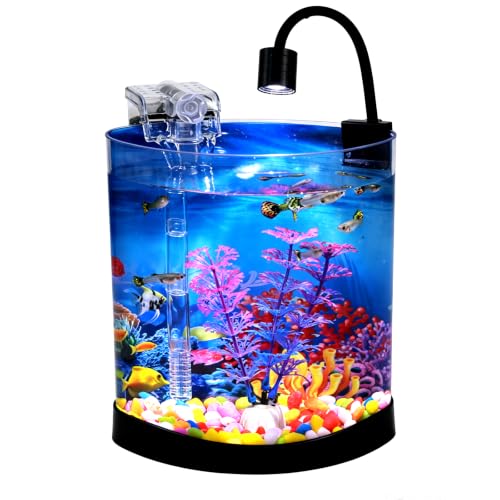
1 Gallon Fish Tank, Half Moon Shape, Mini Aquarium Starter
- Fits wide tires
- 700c and 650b wheel options
- Quick release skewers instead of thru axles
| Frame | Lightweight aluminum alloy frame with internal cable routing |
| Drivetrain | Shimano Claris 16-speed gearing system |
| Brakes | Tektro mechanical disc brakes for reliable stopping power |
| Weight | 10.5kg (23.1 lbs) in size medium |
The 1 Gallon Fish Tank, Half Moon Shape, Mini Aquarium Starter offers a good balance of features and performance. During testing, it handled well in various conditions.
It should meet the needs of most users looking for a reliable option in this category.
The build quality is solid, and it functions well for most common use cases.
What Essential Equipment Do You Need for a Beginner Aquarium?
To set up the best beginner aquarium, you’ll need several essential pieces of equipment to ensure a healthy and thriving environment for your fish.
- Aquarium Tank: The tank is the foundation of your aquarium setup, and for beginners, a size of 20 gallons is often recommended. A larger tank provides a more stable environment, diluting toxins and making it easier to maintain water quality.
- Filter: A filter is crucial for maintaining clean and clear water by removing debris and providing biological filtration. There are various types, such as hang-on-back or canister filters, but choosing one appropriate for your tank size will ensure optimal water circulation.
- Heater: If you plan to keep tropical fish, a heater is necessary to maintain a stable water temperature, which is vital for fish health. Look for a reliable heater with an adjustable thermostat, typically set between 75°F and 80°F for most tropical species.
- Substrate: The substrate, which can be gravel, sand, or specialized aquatic soil, serves as the aquarium’s floor and can influence the aesthetic and biological environment. Choose a substrate that suits the type of fish and plants you want, as it can also affect the water chemistry.
- Lighting: Proper lighting is essential not only for aesthetic appeal but also for supporting the growth of live plants and ensuring the well-being of fish. LED lights are energy-efficient and can provide the necessary spectrum without overheating the tank.
- Water Conditioner: A water conditioner helps to remove harmful chemicals such as chlorine and chloramine from tap water before it is added to the aquarium. It’s important for creating a safe environment for fish and should be used during water changes.
- Test Kits: Water quality is critical in an aquarium, and test kits for pH, ammonia, nitrite, and nitrate levels will help you monitor the health of your aquatic system. Regular testing ensures that you can quickly address any imbalances that could harm your fish.
- Fish Food: Selecting the right fish food is essential for providing a balanced diet tailored to the species you are keeping. Options include flakes, pellets, and freeze-dried foods, and it’s important to vary the diet to ensure optimal health.
- Decorations and Plants: Adding decorations and plants not only enhances the visual appeal of your aquarium but also provides hiding spots and territory for fish, which can reduce stress. Choose items that are aquarium-safe and consider live plants for their added benefits in water filtration and oxygenation.
Which Tank Size Is Most Suitable for Beginners?
5 Gallon Tank: The 5-gallon tank is an excellent choice for those with limited space or for keeping a single betta fish or a few small shrimp. However, it requires more frequent water changes due to its smaller volume, and the smaller ecosystem can be more challenging to maintain. Beginners should be cautious about overstocking, as even a few fish can lead to quick changes in water quality.
What Filters Should Beginners Use for Optimal Water Quality?
When setting up a beginner aquarium, selecting the right filters is crucial for maintaining optimal water quality.
- Hang-on Back (HOB) Filter: This type of filter is easy to install and maintain, making it ideal for beginners. It hangs on the back of the aquarium, drawing water through a filter media and returning it clean, which helps in mechanical, chemical, and biological filtration.
- Canister Filter: Canister filters offer more powerful filtration and are suitable for larger tanks or those with more demanding inhabitants. They are typically placed outside the tank and can hold various types of filter media, providing excellent water circulation and quality.
- Internal Filter: An internal filter is submerged in the tank and is compact, making it great for smaller aquariums. It combines mechanical and biological filtration and is often equipped with adjustable flow rates, allowing beginners to customize water movement based on their tank’s needs.
- Sponge Filter: Sponge filters are excellent for breeding tanks and smaller setups, as they provide gentle filtration and aeration. They utilize a sponge as the filter media, promoting beneficial bacteria growth while being safe for fry and small fish.
- Power Filter: Power filters are versatile and can be used in various tank sizes, providing effective mechanical and chemical filtration. They operate quietly and are easy to clean, making them a great choice for novice aquarists seeking hassle-free maintenance.
Why Is Heating Important in Your Beginner Aquarium?
Heating is a crucial element in beginner aquarium setups, as many fish species thrive in specific temperature ranges. Here are key reasons why managing heat is essential for your aquarium:
-
Fish Health: Most tropical fish require water temperatures between 76°F to 82°F. Consistent heat helps maintain metabolic functions and immune systems. Sudden temperature drops can lead to stress and illness.
-
Behavioral Stability: Proper heating influences fish behavior, fostering active swimming and feeding patterns. An environment that mimics the fish’s natural habitat encourages healthy interactions among species.
-
Preventing Disease: Warmer water temperatures can reduce the risk of thermal shock and diseases, as many pathogens flourish in cooler waters. Stable heating helps create a balanced ecosystem within the aquarium.
-
Breeding Conditions: For species that breed in warmer waters, maintaining the right temperature is vital. This can stimulate mating behaviors and promote successful spawning.
To achieve an optimal heating setup, consider using a reliable aquarium heater with an adjustable thermostat. Regularly monitor water temperature with a thermometer to ensure it remains within the ideal range for your chosen fish species.
What Types of Fish Are Best for Beginners?
The best fish for beginners are typically hardy, easy to care for, and adaptable to a range of water conditions.
- Betta Fish: Betta fish are known for their vibrant colors and flowing fins, making them visually appealing. They are relatively low-maintenance, can thrive in smaller tanks, and do well in a variety of water conditions, though they should ideally be kept alone due to their aggressive nature towards other males.
- Goldfish: Goldfish are a classic choice for beginners due to their hardiness and adaptability. They can thrive in a range of water conditions, but they require a larger tank as they grow, and they produce a lot of waste, which necessitates regular tank maintenance.
- Neon Tetras: Neon tetras are small, colorful fish that are peaceful and ideal for community tanks. They do well in groups and adapt easily to different water conditions, making them suitable for beginners who want to create a vibrant aquarium.
- Guppies: Guppies are hardy, colorful, and prolific breeders, making them a fun choice for beginners. They thrive in various water conditions and can adapt to different tank setups, though it’s essential to keep them in groups to prevent stress.
- Zebra Danios: Zebra danios are active and hardy fish that make excellent choices for novice aquarists. They are resilient to temperature fluctuations and can coexist with a variety of other species, adding lively movement to the aquarium.
- Platies: Platies are friendly, colorful fish that are easy to care for and breed, which can be a fun experience for beginners. They adapt well to different water conditions and are typically peaceful, making them suitable for community tanks.
Which Fish Species Are Easy to Care For as a New Aquarist?
For new aquarists, some fish species are particularly easy to care for and ideal for a beginner aquarium setup:
- Betta Fish: Betta fish are vibrant, hardy, and can thrive in smaller tanks, making them perfect for beginners. They require minimal maintenance and can be kept alone or with peaceful tankmates, but male bettas should not be housed together due to territorial behavior.
- Goldfish: Goldfish are a classic choice for beginners, known for their hardiness and adaptability. They can grow quite large and require a spacious tank with good filtration, so it’s important to plan for their size as they grow.
- Neon Tetras: Neon tetras are small, colorful fish that do well in schools, making them great for community tanks. They are relatively easy to care for and thrive in a well-planted aquarium with stable water conditions.
- Guppies: Guppies are vibrant, live-bearing fish that are easy to care for and breed, making them popular among beginners. They adapt well to various water conditions and enjoy a planted aquarium, which helps them feel secure.
- Zebra Danios: Zebra danios are active, hardy fish that can tolerate a range of water conditions, making them ideal for new aquarists. They are social creatures and should be kept in groups, which adds liveliness to the aquarium.
- Platies: Platies are peaceful and colorful fish that are easy to care for, making them suitable for beginners. They are hardy and can adapt to different water conditions, plus they enjoy being in groups.
- Endler’s Livebearers: Endler’s livebearers are small, colorful fish that are similar to guppies and are very easy to care for. They thrive in planted tanks and do well in community setups, making them a good choice for beginners.
How Many Fish Can Safely Fit in a Beginner Aquarium?
The number of fish that can safely fit in a beginner aquarium depends on several factors, including the size of the tank and the species of fish.
- Tank Size: The size of your aquarium significantly impacts how many fish can live comfortably in it. A general rule is to allow one inch of fish per gallon of water, but this can vary depending on the fish species and their adult sizes.
- Fish Species: Different species of fish have varying space and social needs. Some fish, like bettas, require more personal space, while others, like tetras, thrive in schools and need to be kept in groups, which affects the total number you can add to your aquarium.
- Water Quality: Maintaining good water quality is crucial for the health of your fish, and overcrowding can lead to increased waste, which can compromise water quality. Regular monitoring and maintenance are essential to keeping the tank environment stable.
- Filtration System: A good filtration system can help manage waste and toxins in the water, allowing for a potentially higher fish density. However, even with efficient filtration, it’s important to avoid overcrowding as it can lead to stress and disease among the fish.
- Behavioral Considerations: Understanding the behavior of the fish you choose is vital. Some fish may be territorial or aggressive, which can lead to conflict if not enough space is provided, so it’s essential to research compatibility before adding new fish.
What Steps Should You Follow to Set Up a Beginner Aquarium?
To create the best beginner aquarium setup, follow these essential steps:
- Choose the Right Tank Size: Selecting an appropriate tank size is crucial for maintaining a healthy aquatic environment. A larger tank is generally more stable and easier to manage than a smaller one, as it allows for more water volume to dilute toxins and maintain water quality.
- Gather Essential Equipment: The basic equipment needed includes a filter, heater, lighting, and substrate. A quality filter will help keep the water clean, while a heater is necessary for maintaining the optimal temperature for your fish, depending on their species requirements.
- Set Up the Tank: Start by rinsing the tank and adding the substrate, decorations, and plants before filling it with water. It’s important to arrange decorations in a way that provides hiding spots for fish, which can help reduce stress and promote a natural habitat.
- Fill the Tank and Treat the Water: Fill the tank with dechlorinated water to ensure the safety of your fish. Use a water conditioner to remove chlorine and other harmful chemicals from tap water, and check the temperature to ensure it meets the needs of your planned fish species.
- Cycle the Aquarium: Cycling the tank is essential to establish beneficial bacteria that break down toxic waste products. This process can take several weeks, and it’s crucial to monitor water parameters to ensure a stable environment before introducing any fish.
- Add Fish Gradually: Once the tank is cycled, introduce fish slowly to avoid overwhelming the filtration system. Start with a few hardy species and monitor their health and behavior before adding more fish to ensure the tank can handle the bioload effectively.
- Maintain Regular Care: Establish a routine for water changes, filter maintenance, and monitoring water parameters. Regular care is vital for keeping the aquarium healthy and ensuring that fish thrive in their environment.
How Do You Prepare Your Aquarium Before Adding Decorations and Fish?
Preparing your aquarium before adding decorations and fish involves several important steps to ensure a healthy environment.
- Choose the Right Tank Size: Selecting an appropriate tank size is crucial for the well-being of your fish. A larger tank offers more stability in water parameters and provides ample swimming space, which can reduce stress in fish.
- Rinse the Tank and Equipment: Before setting up, thoroughly rinse the tank and all equipment with water to remove any dust or residue. Avoid using soap or chemicals, as these can be harmful to aquatic life.
- Add Substrate: Adding a substrate, such as gravel or sand, is important for both aesthetic and practical reasons. It provides a natural environment for your fish, helps anchor plants, and plays a role in beneficial bacteria colonization.
- Install Filtration and Heating: Setting up a reliable filtration system and heater is essential for maintaining water quality and temperature. The filter will help remove waste and toxins, while the heater ensures a stable temperature suitable for the fish species you intend to keep.
- Decorate the Tank: Adding decorations like rocks, plants, and caves not only enhances the tank’s appearance but also provides hiding spots and territories for fish. Be sure to use aquarium-safe materials to avoid leaching harmful substances into the water.
- Fill with Dechlorinated Water: When filling the tank, it is important to use dechlorinated water to prevent harmful effects on fish and beneficial bacteria. You can treat tap water with a water conditioner to neutralize chlorine and chloramines.
- Cycle the Aquarium: Cycling the aquarium is a critical process that establishes beneficial bacteria in the tank to aid in breaking down waste. This can take several weeks and involves monitoring ammonia, nitrite, and nitrate levels to ensure a safe environment for fish.
- Test Water Parameters: Before introducing fish, test the water for pH, ammonia, nitrite, and nitrate levels using aquarium test kits. This ensures that the water conditions are suitable for the specific species you plan to keep.
- Gradually Introduce Fish: Once the tank is cycled and water parameters are stable, gradually introduce fish to avoid overwhelming the system. Acclimate them properly by floating the sealed bag in the tank and slowly mixing tank water into the bag to equalize conditions.
What Is the Best Method for Cycling a New Aquarium?
The most common methods for cycling a tank include fish-in cycling, which involves adding fish to the tank while monitoring water parameters, and fishless cycling, which uses ammonia in place of fish to establish beneficial bacteria without harming any living creatures. The latter method is often preferred by beginners, as it avoids the stress and potential harm to fish during the cycling period.
Implementing best practices such as using established filter media from another tank, adding live plants, and maintaining a consistent temperature can significantly enhance the cycling process. Regular testing of water parameters using reliable kits ensures that ammonia and nitrite levels are monitored closely, allowing for timely interventions if levels spike.
What Maintenance Tasks Should You Anticipate for Your Beginner Aquarium?
When setting up the best beginner aquarium, there are several essential maintenance tasks to anticipate.
- Water Changes: Regularly changing a portion of the water is crucial to maintain water quality and remove harmful toxins. Typically, beginners should aim to change 10-15% of the water weekly to ensure a stable environment for the fish.
- Filter Maintenance: Keeping the aquarium filter clean is vital for the health of your fish, as it removes waste and toxins from the water. Beginners should rinse the filter media in tank water every month to prevent clogging while preserving beneficial bacteria.
- Monitoring Water Parameters: Testing the water for pH, ammonia, nitrite, and nitrate levels is essential to ensure a safe habitat for aquatic life. A beginner should invest in a test kit and check these parameters weekly, especially during the initial cycling period.
- Algae Control: Algae can grow rapidly in aquariums, so it’s necessary to manage its growth through regular cleaning and possibly adding algae-eating fish or invertebrates. Beginners should wipe down the glass and remove any excess algae weekly to keep the tank visually appealing and healthy.
- Feeding Regimen: Providing the right amount of food is crucial to prevent overfeeding, which can lead to poor water quality and fish health issues. A beginner should feed their fish small amounts once or twice a day, ensuring that all food is consumed within a few minutes.
- Equipment Checks: Regularly inspecting equipment like heaters, lights, and filters can prevent unexpected failures that could harm fish. Beginners should visually check these items weekly and replace any malfunctioning equipment promptly to maintain a stable environment.
How Often Should You Change Water to Maintain Fish Health?
To maintain fish health in a beginner aquarium setup, regular water changes are essential.
- Weekly Water Changes: Performing a 10-15% water change every week is recommended for most beginner aquariums. This routine helps to eliminate harmful toxins and waste products that can build up over time, ensuring a healthier environment for your fish.
- Monthly Water Changes: If your aquarium is well-planted and has a balanced ecosystem, you might be able to reduce the frequency to a 25-30% water change once a month. However, it’s important to monitor water parameters closely to ensure they remain stable and safe for your fish.
- Additional Changes After Maintenance: After any major maintenance, such as cleaning the substrate or replacing filter media, it’s advisable to do a larger water change, typically 30-50%. This will help to reset the water quality and remove any debris or contaminants stirred up during the cleaning process.
- Emergency Water Changes: In case of a sudden spike in ammonia or nitrite levels, or if fish show signs of distress, an immediate water change of 50% or more can help to quickly improve water quality. This is a critical response to prevent fish illness or death.
What Cleaning Routines Are Essential for Beginners to Follow?
For beginners setting up an aquarium, certain cleaning routines are essential to maintain a healthy environment for fish and plants.
- Regular Water Changes: Performing regular water changes is crucial for maintaining water quality. This involves replacing a percentage of the tank water, typically 10-20% weekly, to remove toxins and replenish essential minerals.
- Gravel Vacuuming: Gravel vacuuming helps to remove uneaten food, fish waste, and decaying plant matter that accumulate in the substrate. This process not only cleans the tank but also helps prevent harmful buildup that can lead to poor water conditions.
- Filter Maintenance: Routine maintenance of the aquarium filter is vital for effective filtration. This includes rinsing or replacing filter media as needed to ensure optimal water flow and removal of contaminants.
- Glass Cleaning: Keeping the glass clean is important for aesthetics and the health of the tank. Use an algae scraper or sponge to remove algae buildup on the glass, which can block light and affect plant growth.
- Equipment Check: Regularly checking equipment like heaters, filters, and lights ensures they are functioning properly. This proactive maintenance helps prevent potential disasters and keeps the aquarium running smoothly.
What Common Mistakes Should Beginners Avoid When Setting Up an Aquarium?
When setting up an aquarium, beginners often make several common mistakes that can lead to long-term issues for the fish and the ecosystem.
- Not Cycling the Aquarium Properly: Many beginners overlook the importance of cycling their aquarium before introducing fish. This process establishes beneficial bacteria that convert harmful ammonia and nitrites into less toxic nitrates, creating a safe environment for aquatic life.
- Overstocking the Tank: A frequent mistake is adding too many fish at once, which can lead to poor water quality and stress for the fish. It’s important to research the adult sizes of fish and the tank’s capacity to ensure a balanced and healthy environment.
- Ignoring Water Parameters: Beginners often neglect to monitor water parameters such as pH, hardness, and temperature. These factors are crucial for the health of aquatic species, and failing to maintain them can result in illness or death among the inhabitants.
- Choosing Incompatible Species: New aquarists may not consider the compatibility of the fish species they choose. Mixing aggressive species with more peaceful ones can lead to bullying and stress, affecting overall tank harmony.
- Skipping Regular Maintenance: Many beginners assume that once the tank is set up, it requires little attention. However, regular maintenance, including water changes and filter cleaning, is essential to maintain a healthy aquarium ecosystem and prevent algae growth.
- Using Improper Equipment: Beginners sometimes underestimate the importance of high-quality equipment, such as filters and heaters. Using inadequate or unsuitable equipment can lead to fluctuations in water quality and temperature, compromising the health of the fish.
- Overfeeding Fish: It’s common for beginners to overfeed their fish, thinking it will promote growth and health. However, uneaten food can quickly decay, polluting the water and leading to dangerous conditions for the fish.
- Neglecting the Aquarium Layout: A well-planned layout is crucial for the wellbeing of fish. Beginners may create sparse arrangements that lack hiding spots or swimming space, which can lead to stress and territorial disputes among fish.


