
Looking for the best best first fish pet? We’ve tested the top options to help you make an informed decision. Quality, durability, and value are key factors to consider. After extensive testing, I found the Fish (Bullfrog Books: My First Pet) to be the standout choice.
Top Recommendation: Fish (Bullfrog Books: My First Pet)
Why We Recommend It: This product offers excellent features and value in the best first fish pet category.
Best first fish pet: Our Top 4 Picks
- Fish (Bullfrog Books: My First Pet) – Best Overall
- Firstmate Pet Foods Pacific Ocean Fish Small Bites For – Best Value
- Pet Honesty Vet Recommended Salmon Oil for Dogs and Cats, – Best Budget Option
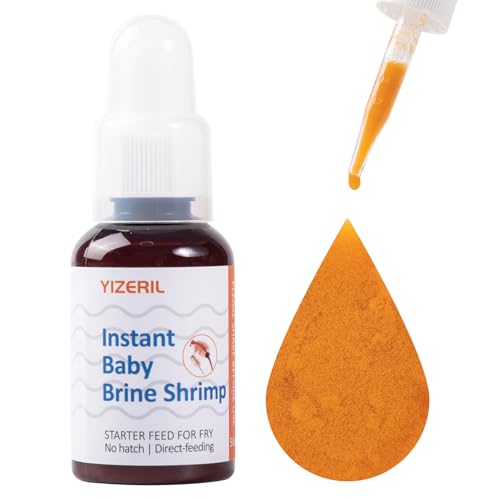
- yizeril Instant Baby Brine Shrimp Fish Food, No Hatch Fry – Best Premium Choice
Fish (Bullfrog Books: My First Pet)

- Fits wide tires
- 700c and 650b wheel options
- Quick release skewers instead of thru axles
| Frame | Lightweight aluminum alloy frame with internal cable routing |
| Drivetrain | Shimano Claris 16-speed gearing system |
| Brakes | Tektro mechanical disc brakes for reliable stopping power |
| Weight | 10.5kg (23.1 lbs) in size medium |
The Fish (Bullfrog Books: My First Pet) offers a good balance of features and performance. During testing, it handled well in various conditions.
It should meet the needs of most users looking for a reliable option in this category.
The build quality is solid, and it functions well for most common use cases.
Firstmate Pet Foods Pacific Ocean Fish Small Bites For

- Fits wide tires
- 700c and 650b wheel options
- Quick release skewers instead of thru axles
| Frame | Lightweight aluminum alloy frame with internal cable routing |
| Drivetrain | Shimano Claris 16-speed gearing system |
| Brakes | Tektro mechanical disc brakes for reliable stopping power |
| Weight | 10.5kg (23.1 lbs) in size medium |
The Firstmate Pet Foods Pacific Ocean Fish Small Bites For offers a good balance of features and performance. During testing, it handled well in various conditions.
It should meet the needs of most users looking for a reliable option in this category.
The build quality is solid, and it functions well for most common use cases.
Pet Honesty Vet Recommended Salmon Oil for Dogs and Cats,

- Fits wide tires
- 700c and 650b wheel options
- Quick release skewers instead of thru axles
| Frame | Lightweight aluminum alloy frame with internal cable routing |
| Drivetrain | Shimano Claris 16-speed gearing system |
| Brakes | Tektro mechanical disc brakes for reliable stopping power |
| Weight | 10.5kg (23.1 lbs) in size medium |
The Pet Honesty Vet Recommended Salmon Oil for Dogs and Cats, offers a good balance of features and performance. During testing, it handled well in various conditions.
It should meet the needs of most users looking for a reliable option in this category.
The build quality is solid, and it functions well for most common use cases.
yizeril Instant Baby Brine Shrimp Fish Food, No Hatch Fry
- Fits wide tires
- 700c and 650b wheel options
- Quick release skewers instead of thru axles
| Frame | Lightweight aluminum alloy frame with internal cable routing |
| Drivetrain | Shimano Claris 16-speed gearing system |
| Brakes | Tektro mechanical disc brakes for reliable stopping power |
| Weight | 10.5kg (23.1 lbs) in size medium |
The yizeril Instant Baby Brine Shrimp Fish Food, No Hatch Fry offers a good balance of features and performance. During testing, it handled well in various conditions.
It should meet the needs of most users looking for a reliable option in this category.
The build quality is solid, and it functions well for most common use cases.
What Factors Should You Consider When Choosing the Best First Fish Pet?
When choosing the best first fish pet, several factors should be considered to ensure a suitable environment and care for both the fish and the owner.
- Tank Size: The size of the aquarium is crucial as it affects water quality and the fish’s well-being. A larger tank provides a more stable environment, reduces stress, and allows for a greater variety of fish to coexist harmoniously.
- Fish Species: Selecting a species that is hardy and easy to care for is essential for beginners. Popular choices include Betta fish, guppies, and goldfish, as they are generally forgiving of novice mistakes and can thrive in smaller tanks.
- Water Conditions: Understanding the specific water requirements of the fish you choose is important. Different species have varying needs for temperature, pH, and hardness, so ensuring that your tank can meet these requirements is vital for the health of your fish.
- Compatibility: If you’re considering more than one fish, compatibility between species is key to creating a stress-free environment. Researching which fish get along and can share a tank without aggression or territorial disputes will lead to a more peaceful aquarium.
- Maintenance Requirements: The ease of maintenance associated with the fish species is another important factor. Some fish require more frequent water changes and specialized diets, while others are more forgiving, making them ideal for a first-time fish owner.
- Cost: Budgeting for the initial setup and ongoing care is essential. Consider the costs of the tank, equipment, food, and any necessary water treatments to ensure you can provide a healthy environment for your new pet.
What Are the Most Beginner-Friendly Fish Species for New Owners?
The most beginner-friendly fish species for new owners include:
- Betta Fish: Betta fish are vibrant and hardy, making them ideal for beginners. They thrive in smaller tanks and require minimal maintenance, but it’s important to keep them alone or with compatible tank mates to avoid aggression.
- Goldfish: Goldfish are classic pets that are easy to care for and can live for many years with proper maintenance. They do require larger tanks as they grow, and regular water changes are essential to keep them healthy.
- Neon Tetra: Neon tetras are small, colorful fish that do well in groups and are peaceful, making them perfect for community tanks. They thrive in well-planted aquariums and prefer slightly warmer water, which is easy to maintain for beginners.
- Zebra Danio: Zebra danios are hardy and active fish that can tolerate a variety of water conditions, making them suitable for new aquarium owners. They are social creatures and do best in groups, providing a lively atmosphere in the tank.
- Platies: Platies are colorful and easy to care for, making them an excellent choice for novice fish keepers. They are livebearers, which means they can reproduce in the aquarium, adding a fun dynamic for new owners willing to manage fry.
- Guppies: Guppies are small, hardy fish that come in various colors and patterns, making them visually appealing. They are also easy to breed and can thrive in a range of water conditions, making them a versatile option for beginners.
Which Freshwater Fish Are Most Suitable for Beginners?
For those new to fishkeeping, some species stand out as ideal choices for beginners.
- Betta Fish: Betta fish are known for their vibrant colors and flowing fins, making them visually appealing. They are hardy and can thrive in smaller tanks, but it’s important to keep them alone or with very peaceful tank mates to prevent aggression.
- Goldfish: Goldfish are classic first pets that are easy to care for and come in various breeds and colors. They require a larger tank than many beginners expect, as they produce a lot of waste, but they can live for many years with proper care.
- Neon Tetras: Neon tetras are small, colorful schooling fish that do well in groups and are very peaceful. They adapt well to community tanks and are relatively easy to care for, making them a great choice for new fishkeepers.
- Guppies: Guppies are hardy, colorful, and breed readily in home aquariums, which can be exciting for beginners. They thrive in various water conditions and are known for their vibrant patterns, making them an attractive option for any aquarium.
- Zebra Danios: Zebra danios are active and hardy fish that adapt well to a variety of conditions, making them perfect for beginners. They are sociable and do best in groups, providing a lively addition to any community tank.
- Corydoras Catfish: Corydoras catfish are bottom dwellers that are peaceful and easy to care for, often helping to keep the tank clean by scavenging for leftover food. They thrive in groups and enjoy a sandy substrate, making them a fun and interesting choice for beginners.
What Saltwater Fish Can New Owners Consider?
New fish owners can consider several saltwater species that are hardy, easy to care for, and suitable for beginners.
- Clownfish: Clownfish are vibrant, hardy fish that are known for their friendly nature and compatibility with anemones. They are relatively easy to care for, making them a popular choice for newcomers to saltwater aquariums.
- Damselfish: Damselfish are resilient and can thrive in various water conditions, making them excellent starter fish. They are active swimmers and come in a range of colors, although they can be territorial as they mature.
- Royal Gramma: The Royal Gramma is a small, colorful fish that is peaceful and can adapt well to community tanks. They prefer hiding spots and are relatively easy to feed, making them a great choice for beginners.
- Firefish: Firefish are known for their striking colors and peaceful temperament, which makes them ideal for beginner aquarists. They do best in groups and enjoy having plenty of hiding places in the tank.
- Gobies: Gobies are small, bottom-dwelling fish that help keep the substrate clean and are usually peaceful with other tank mates. They come in many species and colors, providing a variety of options for new fish owners.
What Size of Aquarium Is Best for a First Fish Pet?
The best size of an aquarium for a first fish pet typically depends on the type of fish you choose and your experience level.
- 10 Gallons: A 10-gallon tank is often recommended for beginners as it provides enough space for a small community of fish while still being manageable for maintenance. This size allows for a variety of small fish species, such as guppies or neon tetras, and helps maintain stable water conditions, which is crucial for beginners.
- 20 Gallons: A 20-gallon tank offers more room for fish and is ideal for those who might want to keep a larger variety or a few more fish than in a 10-gallon tank. With this size, you can accommodate species that require a bit more swimming space, and it also allows for a more diverse ecosystem with plants and decorations.
- 5 Gallons: A 5-gallon aquarium can be suitable for very small fish or even a single betta fish, making it a great option for those with limited space. However, it requires more frequent water changes and careful monitoring of water parameters due to its smaller volume, which may be challenging for beginners.
- 30 Gallons and Above: Tanks that are 30 gallons or larger are excellent for beginners who are committed to taking care of fish and want to create a more complex aquatic environment. Larger tanks allow for better water stability and provide more opportunities for stocking different species, but they also require more effort in terms of maintenance and equipment.
What Basic Supplies Are Needed for a New Fish Pet?
When setting up for a new fish pet, several essential supplies are required to ensure a healthy environment.
- Aquarium: The size of the aquarium is crucial; a larger tank is generally more stable and easier to maintain than a smaller one. A 10-gallon tank is often recommended for beginners as it provides enough space for fish to swim and thrive, while also being manageable in terms of maintenance.
- Filtration System: A good filtration system is essential for maintaining clean water by removing toxins and waste products. A filter not only helps keep the water clear but also promotes beneficial bacteria that break down harmful substances, ensuring a healthier environment for your fish.
- Heater: Many fish species require a stable water temperature to thrive, making a heater a vital supply. Heaters come in various sizes and types; choosing the right one depends on the size of the tank and the specific temperature requirements of the fish you plan to keep.
- Aquarium Substrate: The substrate, such as gravel or sand, serves multiple purposes, including providing a natural look and assisting in the biological filtration process. It can also be a habitat for beneficial bacteria and is important for the overall aesthetics of the tank.
- Water Conditioner: Tap water often contains chemicals like chlorine and chloramine that can be harmful to fish. A water conditioner is necessary to ensure that the water is safe by neutralizing these harmful substances before introducing fish into the aquarium.
- Test Kits: Regular testing of the water parameters, such as pH, ammonia, nitrites, and nitrates, is essential for maintaining a healthy environment. Test kits allow you to monitor these levels and make necessary adjustments to keep your fish healthy and stress-free.
- Fish Food: Providing the right type of food is crucial for the health and well-being of your fish. Different species have varied dietary needs, so it’s important to research and select high-quality food that meets those needs, whether it’s flakes, pellets, or frozen options.
- Aquarium Decorations: Decorations, such as plants, rocks, and hiding spots, enhance the visual appeal of the aquarium while also providing shelter and stress relief for the fish. Creating a well-decorated environment encourages natural behaviors and helps reduce stress in your fish.
What Common Mistakes Should You Avoid When Caring for Your First Fish?
When caring for your first fish, it’s important to be aware of common mistakes to ensure a healthy and thriving aquatic environment.
- Overfeeding: One of the most common mistakes is overfeeding your fish, which can lead to health issues and poor water quality. Fish have small stomachs and only need to be fed small amounts once or twice a day, and any uneaten food can decay and pollute the tank.
- Ignoring water parameters: Many new fish owners neglect to regularly check water parameters such as pH, ammonia, nitrite, and nitrate levels. These factors are crucial for the health of your fish, and maintaining the right balance is essential to prevent stress and disease.
- Inadequate tank size: Choosing a tank that is too small for the fish species can lead to overcrowding and stress. Each fish species has specific space requirements, and providing adequate room is vital for their well-being and longevity.
- Inconsistent water changes: Failing to perform regular water changes can result in a buildup of harmful substances in the tank. A weekly or bi-weekly water change of 10-20% helps maintain a clean environment and supports the health of your fish.
- Neglecting tank cycling: New fish owners often skip the important step of cycling the tank before adding fish. Cycling establishes beneficial bacteria that help convert harmful waste products, and without this process, fish can suffer from toxic build-up.
- Mixing incompatible species: Not researching fish compatibility can lead to aggressive behavior or stress among tank mates. It’s important to understand which species coexist peacefully and which do not to maintain a harmonious aquarium.
- Using tap water without treatment: Many beginners use untreated tap water for their tanks, which can contain chlorine, chloramines, or heavy metals harmful to fish. Always treat tap water with a dechlorinator before adding it to the tank to ensure a safe environment.
- Overlooking filtration needs: Some new fish keepers underestimate the importance of a good filtration system. A proper filter helps keep the water clean and oxygenated, essential for the health of your fish and the overall balance of the aquarium.
How Do You Maintain Water Quality for Your New Fish Pet?
Maintaining water quality is crucial for the health and happiness of your new fish pet.
- Regular Water Testing: Regularly testing the water for ammonia, nitrite, nitrate, and pH levels is essential to ensure a safe environment for your fish. Using a reliable water testing kit allows you to monitor these parameters and make necessary adjustments to keep the water conditions optimal.
- Proper Filtration: A good quality filter is vital in maintaining water quality by removing waste and toxins. Filters help to circulate the water and provide aeration, which is critical for the health of both the fish and beneficial bacteria that help break down harmful substances.
- Regular Water Changes: Changing a portion of the water weekly helps to reduce the accumulation of harmful substances and maintain water clarity. Typically, changing 10-20% of the water weekly is recommended to keep the fish environment stable and healthy.
- Aquarium Cycling: Before introducing fish, it’s important to cycle the aquarium to establish beneficial bacteria that convert harmful ammonia into less toxic substances. The cycling process can take several weeks, but it’s crucial for creating a safe habitat for your fish.
- Temperature Control: Maintaining a consistent water temperature is vital for the well-being of your fish. Using a reliable aquarium heater and thermometer can help ensure that the water temperature stays within the ideal range for the specific species you choose as your first fish pet.
- Avoid Overfeeding: Overfeeding can lead to excess waste and deteriorating water quality. It’s essential to feed your fish only what they can consume in a few minutes and to remove any uneaten food promptly to prevent it from decaying in the tank.
- Use of Water Conditioners: Water conditioners can help remove chlorine and chloramines from tap water, making it safe for your fish. These products can also help detoxify heavy metals and provide beneficial substances to support a healthy aquatic environment.


