
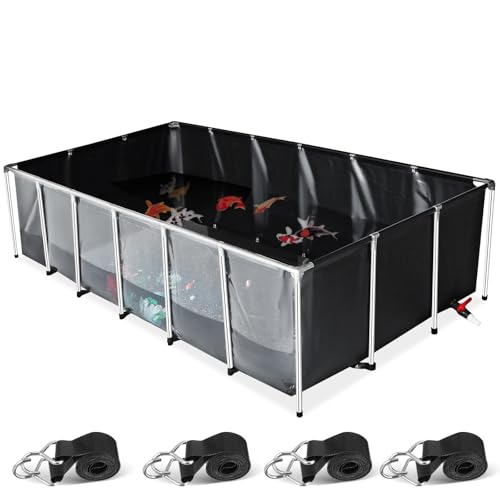
Looking for the best best goldfish setup? We’ve tested the top options to help you make an informed decision. Quality, durability, and value are key factors to consider. After extensive testing, I found the 750 Gallon Fish Ponds, Fish Tank Clear Window and PVC Tank to be the standout choice.
Top Recommendation: 750 Gallon Fish Ponds, Fish Tank Clear Window and PVC Tank
Why We Recommend It: This product offers excellent features and value in the best goldfish setup category.
750 Gallon Fish Ponds, Fish Tank Clear Window and PVC Tank
- Fits wide tires
- 700c and 650b wheel options
- Quick release skewers instead of thru axles
| Frame | Lightweight aluminum alloy frame with internal cable routing |
| Drivetrain | Shimano Claris 16-speed gearing system |
| Brakes | Tektro mechanical disc brakes for reliable stopping power |
| Weight | 10.5kg (23.1 lbs) in size medium |
The 750 Gallon Fish Ponds, Fish Tank Clear Window and PVC Tank offers a good balance of features and performance. During testing, it handled well in various conditions.
It should meet the needs of most users looking for a reliable option in this category.
The build quality is solid, and it functions well for most common use cases.
What Size Aquarium Is Best for Goldfish?
The best goldfish setup typically depends on the number of goldfish and the type of goldfish being kept, but generally, a larger aquarium is preferable for their health and well-being.
- 20 Gallon Tank: A 20-gallon tank is often considered the minimum size for a single goldfish, particularly for fancy varieties. This size provides enough space for swimming and helps maintain water quality, as larger volumes dilute toxins more effectively.
- 30 Gallon Tank: For those who want to keep a couple of goldfish, a 30-gallon tank is recommended. This size accommodates the additional bioload of multiple fish while still allowing for adequate swimming space and filtration, which is crucial for goldfish care.
- 55 Gallon Tank: A 55-gallon aquarium is ideal for keeping multiple goldfish or larger varieties. This size not only improves water quality and stability but also allows for the installation of more advanced filtration systems and additional decorations or plants that can enrich the goldfish’s environment.
- 75 Gallon Tank or Larger: For serious goldfish keepers, a 75-gallon tank or larger is optimal, especially for larger breeds like Comets or Koi. This setup provides ample space for growth, reduces stress, and creates a more natural habitat that supports a diverse ecosystem, benefiting both the fish and the overall tank health.
Which Filtration System Offers Optimal Performance for Goldfish Tanks?
The best filtration systems for goldfish tanks focus on maintaining water quality and providing adequate biological filtration.
- Canister Filters: These filters are highly efficient and can handle larger volumes of water, making them ideal for goldfish tanks.
- Hang-on-Back (HOB) Filters: HOB filters are easy to install and maintain, providing good mechanical and biological filtration for smaller tanks.
- Internal Filters: These are compact filters that fit inside the tank and are suitable for smaller setups, offering both filtration and water movement.
- Sponge Filters: Ideal for breeding tanks or smaller aquariums, sponge filters provide gentle filtration and aeration, making them safe for goldfish fry.
- Wet/Dry Filters: These systems excel in biological filtration, using a trickle method to enhance oxygenation, which is beneficial for larger goldfish setups.
Canister Filters: These filters are highly efficient and can handle larger volumes of water, making them ideal for goldfish tanks. They typically allow for customizable media options, enabling better mechanical, chemical, and biological filtration, which is crucial for maintaining clean water in a tank populated with goldfish, known for producing significant waste.
Hang-on-Back (HOB) Filters: HOB filters are easy to install and maintain, providing good mechanical and biological filtration for smaller tanks. They hang outside the tank and draw water through a filter cartridge, making them user-friendly for beginners while effectively removing debris and toxins from the water.
Internal Filters: These are compact filters that fit inside the tank and are suitable for smaller setups, offering both filtration and water movement. They are often adjustable for flow rate and can help create currents, which some goldfish may enjoy, but care must be taken to ensure the flow isn’t too strong for the fish.
Sponge Filters: Ideal for breeding tanks or smaller aquariums, sponge filters provide gentle filtration and aeration, making them safe for goldfish fry. Their soft sponge surface promotes beneficial bacteria growth, ensuring excellent biological filtration while also being safe for delicate fish and fry.
Wet/Dry Filters: These systems excel in biological filtration, using a trickle method to enhance oxygenation, which is beneficial for larger goldfish setups. They provide a large surface area for beneficial bacteria to thrive, effectively breaking down waste products and maintaining high water quality for a thriving goldfish environment.
What Is the Ideal Substrate Type for Goldfish Habitats?
Using the right substrate in a goldfish setup brings numerous benefits, such as enhanced water quality, reduced maintenance time, and improved fish health. Statistics indicate that aquarists who select appropriate substrates experience fewer health issues in their goldfish, leading to longer lifespans and more vibrant coloration. Furthermore, the aesthetic appeal of the substrate can enhance the visual aspect of the aquarium, making it more enjoyable for the owner and the fish alike.
Best practices for selecting the ideal substrate include researching the specific needs of the goldfish species in question, considering the tank size, and ensuring that the substrate is clean and free of harmful substances before introduction. Regular maintenance and monitoring of water parameters can further enhance the success of the goldfish setup, allowing for a thriving aquatic environment.
Which Aquatic Plants Are Best for a Goldfish Setup?
The best aquatic plants for a goldfish setup include those that can thrive in colder water and withstand the nibbling habits of goldfish.
- Anubias: Anubias is a hardy plant that can adapt to a variety of water conditions and lighting levels. Its thick, leathery leaves are less appealing to goldfish, making it a great choice for aquariums where these fish are housed.
- Java Fern: Java Fern is another resilient plant that can thrive in low light and does not require substrate planting, as it can be attached to rocks or driftwood. Goldfish typically avoid nibbling on its tough leaves, allowing it to flourish in their environment.
- Hornwort: Hornwort is a fast-growing, floating plant that provides excellent cover and oxygenation for goldfish tanks. Its feathery foliage can be a source of entertainment for goldfish, as they love to swim through it without damaging the plant.
- Water Wisteria: Water Wisteria is a versatile plant that grows well in a variety of conditions and can absorb excess nutrients from the water. While goldfish may nibble on its leaves, it tends to grow back quickly, making it a sustainable option in a goldfish setup.
- Marimo Moss Balls: Marimo Moss Balls are unique and low-maintenance plants that can help keep the water clean by absorbing excess nutrients. They are also safe for goldfish to interact with, providing a fun, textured element in the aquarium.
What Water Temperature and Parameters Should Be Maintained for Goldfish?
The pH level ensures that the water is not too acidic or too alkaline, which can affect goldfish’s health and their ability to absorb nutrients. Regular monitoring of pH is necessary to prevent fluctuations that could harm your fish.
Ammonia is a byproduct of fish waste and uneaten food; thus, maintaining it at 0 ppm is essential to prevent toxicity. Elevated ammonia levels can cause gill damage and lead to severe health problems in goldfish.
Nitrites, like ammonia, are harmful and should also be kept at 0 ppm. The presence of nitrites indicates that the biological filter may not be functioning correctly, which requires immediate action to protect the fish.
Nitrate levels, while less toxic than ammonia and nitrites, should still be monitored and kept below 40 ppm through regular water changes. High nitrate levels can lead to stress and health issues in goldfish over time.
General hardness (GH) is important as it provides essential minerals like calcium and magnesium, which support growth and reproduction in goldfish. Ensuring that GH is within the proper range helps maintain a healthy environment for your fish.
How Should Goldfish Be Fed for Optimal Health?
To ensure goldfish are fed for optimal health, several key factors need to be considered in their feeding regimen.
- Quality Fish Food: High-quality, nutritionally balanced fish food specifically formulated for goldfish is essential for their health. Look for options that contain a mix of proteins, vitamins, and minerals to promote growth and vitality.
- Feeding Frequency: Goldfish should be fed small amounts multiple times a day, ideally two to three times. This helps prevent overfeeding and reduces the risk of digestive issues while ensuring they receive consistent nutrition throughout the day.
- Portion Control: Only feed goldfish what they can consume in about two to three minutes. Overfeeding can lead to water quality issues and health problems, so it’s crucial to monitor how much they eat and adjust portions accordingly.
- Variety in Diet: Incorporating a variety of food types, such as pellets, flakes, and occasional treats like blanched vegetables or bloodworms, can enhance their diet. This not only keeps goldfish interested in their food but also provides essential nutrients that may not be present in a single food type.
- Observation of Behavior: Pay attention to the goldfish’s feeding behavior and health. If they seem disinterested in food or show signs of bloating or lethargy, it may indicate dietary issues or health problems that need to be addressed.
What Accessories Are Essential for a Healthy Goldfish Environment?
Creating the best goldfish setup requires several essential accessories to ensure a healthy environment for your fish.
- Aquarium: A spacious tank is crucial, as goldfish can grow quite large and produce significant waste. A minimum of 20 gallons is recommended for one goldfish, with additional space for each additional fish to maintain water quality.
- Filter: An efficient filter is necessary to keep the water clean and oxygenated, removing harmful toxins from fish waste. Look for a filter that provides adequate filtration for the size of your tank and is suitable for goldfish, which are known to produce a lot of waste.
- Heater: While goldfish prefer cooler water, a stable temperature is essential, especially in fluctuating climates. A reliable heater can help maintain an optimal temperature range, typically between 65°F and 75°F, to keep your fish healthy and active.
- Aquarium substrate: The substrate, such as gravel or sand, not only enhances the tank’s appearance but also provides a natural habitat for goldfish. Choose a substrate that is smooth to prevent injury to their delicate fins and can support beneficial bacteria for a healthy ecosystem.
- Plants and decorations: Live or artificial plants and decorations provide hiding spots and reduce stress for goldfish. They also contribute to the overall aesthetic of the aquarium and can help create a more natural environment for your fish.
- Water conditioner: A good water conditioner is vital for removing harmful chemicals like chlorine and chloramine from tap water before introducing it to the tank. It can also help detoxify heavy metals and promote a healthy environment for goldfish.
- Test kits: Regular water testing is essential to monitor ammonia, nitrite, nitrate levels, and pH. Test kits will help you ensure that the water quality remains optimal and allow for timely adjustments to maintain a healthy setup.
- Fish food: High-quality fish food specifically formulated for goldfish is crucial for their health and growth. Look for pellets or flakes that are rich in nutrients and designed for their dietary needs to keep them vibrant and thriving.


