
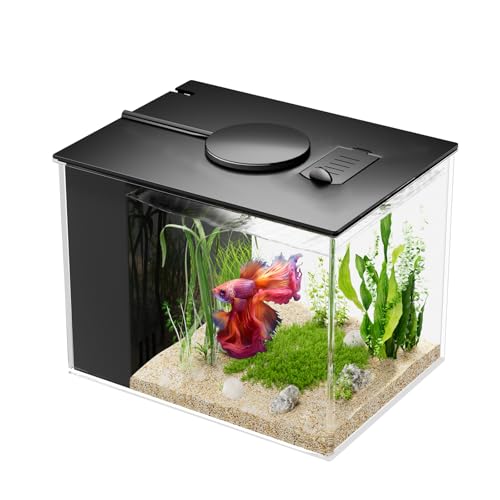
Looking for the best best shrimp tank setup? We’ve tested the top options to help you make an informed decision. Quality, durability, and value are key factors to consider. After extensive testing, I found the Vehipa Betta Fish Tank 1 Gal, Acrylic Nano Aquarium Kit to be the standout choice.
Top Recommendation: Vehipa Betta Fish Tank 1 Gal, Acrylic Nano Aquarium Kit
Why We Recommend It: This product offers excellent features and value in the best shrimp tank setup category.
Best shrimp tank setup: Our Top 4 Picks
- Vehipa Betta Fish Tank 1 Gal, Acrylic Nano Aquarium Kit – Best Overall
- 5 Gallon Glass Aquarium Starter Kit, Rimless Fish Tank | – Best Value
- 5 Gallon Vertical Rimless Fish Tank, Ultra-Clear Glass – Best Budget Option
- Cirrsondy 3.1 Gallon Ultra Clear Glass Fish Tank, Easy to – Best Premium Choice
Vehipa Betta Fish Tank 1 Gal, Acrylic Nano Aquarium Kit
- Fits wide tires
- 700c and 650b wheel options
- Quick release skewers instead of thru axles
| Frame | Lightweight aluminum alloy frame with internal cable routing |
| Drivetrain | Shimano Claris 16-speed gearing system |
| Brakes | Tektro mechanical disc brakes for reliable stopping power |
| Weight | 10.5kg (23.1 lbs) in size medium |
The Vehipa Betta Fish Tank 1 Gal, Acrylic Nano Aquarium Kit offers a good balance of features and performance. During testing, it handled well in various conditions.
It should meet the needs of most users looking for a reliable option in this category.
The build quality is solid, and it functions well for most common use cases.
5 Gallon Glass Aquarium Starter Kit, Rimless Fish Tank |

- Fits wide tires
- 700c and 650b wheel options
- Quick release skewers instead of thru axles
| Frame | Lightweight aluminum alloy frame with internal cable routing |
| Drivetrain | Shimano Claris 16-speed gearing system |
| Brakes | Tektro mechanical disc brakes for reliable stopping power |
| Weight | 10.5kg (23.1 lbs) in size medium |
The 5 Gallon Glass Aquarium Starter Kit, Rimless Fish Tank | offers a good balance of features and performance. During testing, it handled well in various conditions.
It should meet the needs of most users looking for a reliable option in this category.
The build quality is solid, and it functions well for most common use cases.
5 Gallon Vertical Rimless Fish Tank, Ultra-Clear Glass

- Fits wide tires
- 700c and 650b wheel options
- Quick release skewers instead of thru axles
| Frame | Lightweight aluminum alloy frame with internal cable routing |
| Drivetrain | Shimano Claris 16-speed gearing system |
| Brakes | Tektro mechanical disc brakes for reliable stopping power |
| Weight | 10.5kg (23.1 lbs) in size medium |
The 5 Gallon Vertical Rimless Fish Tank, Ultra-Clear Glass offers a good balance of features and performance. During testing, it handled well in various conditions.
It should meet the needs of most users looking for a reliable option in this category.
The build quality is solid, and it functions well for most common use cases.
Cirrsondy 3.1 Gallon Ultra Clear Glass Fish Tank, Easy to

- Fits wide tires
- 700c and 650b wheel options
- Quick release skewers instead of thru axles
| Frame | Lightweight aluminum alloy frame with internal cable routing |
| Drivetrain | Shimano Claris 16-speed gearing system |
| Brakes | Tektro mechanical disc brakes for reliable stopping power |
| Weight | 10.5kg (23.1 lbs) in size medium |
The Cirrsondy 3.1 Gallon Ultra Clear Glass Fish Tank, Easy to offers a good balance of features and performance. During testing, it handled well in various conditions.
It should meet the needs of most users looking for a reliable option in this category.
The build quality is solid, and it functions well for most common use cases.
What Size Tank Is Ideal for Shrimp?
The ideal size tank for shrimp can vary based on the species and number of shrimp, but generally, a minimum size is recommended to ensure their health and well-being.
- 5-Gallon Tank: A 5-gallon tank is often considered the smallest viable option for keeping shrimp, especially for beginner aquarists. This size allows for a small colony of shrimp, providing enough space for them to thrive while maintaining stable water parameters.
- 10-Gallon Tank: A 10-gallon tank is a popular choice among shrimp keepers, as it offers more room for swimming and for establishing a healthy ecosystem. This size can accommodate a larger number of shrimp, allowing for a more diverse and stable environment with better filtration and water quality.
- 20-Gallon Tank: For serious shrimp enthusiasts, a 20-gallon tank provides ample space for a significant shrimp population and additional tank mates. It allows for more complex aquascaping and a greater variety of plants, which can enhance the shrimp’s habitat and promote natural behaviors.
- 40-Gallon Tank: A 40-gallon tank is ideal for those looking to create a large shrimp colony or to integrate multiple species. With this size, aquarists can implement more elaborate filtration systems and create diverse environments, including different zones for breeding and hiding.
- Custom Larger Tanks: For advanced shrimp keepers, custom tanks of 50 gallons or more can be designed to cater specifically to shrimp breeding and display. These tanks provide the opportunity for creating specialized biotopes and can support a community of shrimp and other compatible aquatic life, resulting in a vibrant and dynamic ecosystem.
What Substrate Should Be Used in a Shrimp Tank?
The best substrate options for a shrimp tank setup include:
- Sand: Sand is a popular substrate choice for shrimp tanks due to its fine texture, which allows for easy burrowing and foraging by shrimp.
- Gravel: Gravel provides a sturdy base and allows for good water flow, making it suitable for shrimp while also offering a variety of colors and sizes to enhance the tank’s aesthetic.
- Soil Substrates: Soil substrates often contain nutrients that can promote plant growth, benefiting shrimp by providing hiding spots and a natural environment.
- Specialized Shrimp Substrates: These substrates are designed specifically for shrimp, often containing minerals and buffering capabilities that help maintain ideal water parameters.
Sand is advantageous because it mimics the natural habitats of many shrimp species and minimizes the risk of injury to their delicate bodies. It also allows beneficial bacteria to thrive, which is crucial for maintaining water quality.
Gravel is beneficial for its durability and ease of maintenance; however, it should be chosen carefully to avoid sharp edges that could harm the shrimp. Additionally, gravel can support beneficial bacteria and provide a substrate for plants if the right size is selected.
Soil substrates, rich in nutrients, can aid in growing aquatic plants that provide food and shelter for shrimp. However, they may require more frequent maintenance to prevent muck buildup and can alter water parameters if not managed properly.
Specialized shrimp substrates are often enriched with essential minerals like calcium and magnesium, promoting healthy shrimp growth and reproduction. They also help stabilize pH levels, which is crucial for many shrimp species, making them an excellent choice for enthusiasts looking to create a thriving shrimp habitat.
What Filtration System Is Best for a Shrimp Tank?
The best filtration systems for a shrimp tank ensure clean water quality while being gentle enough not to harm the delicate shrimp.
- Sponge Filter: A sponge filter is an excellent choice for shrimp tanks as it provides both biological and mechanical filtration.
- Canister Filter: Canister filters are versatile and powerful, offering advanced filtration options while allowing for customization.
- Hang-on-Back Filter: Hang-on-back filters are easy to install and maintain, providing effective filtration while taking up minimal space.
- Internal Filter: Internal filters are compact and efficient, suitable for smaller shrimp tanks with less water volume.
Sponge Filter: A sponge filter works by drawing water through a sponge, which houses beneficial bacteria that help break down waste and toxins. This type of filter is particularly safe for shrimp, as it does not create strong currents that can be harmful to them. Additionally, it provides a surface area for beneficial bacteria to thrive, which is crucial for maintaining water quality in a shrimp tank.
Canister Filter: Canister filters are highly effective in larger shrimp tanks, offering multiple stages of filtration including mechanical, chemical, and biological. They can be customized with different media types to target specific contaminants, making them adaptable to your tank’s needs. While installation may be more complex, the efficiency and quiet operation make them a favorite among serious aquarists.
Hang-on-Back Filter: Hang-on-back filters are user-friendly and mount easily on the back of the aquarium, making them a popular choice for shrimp keepers. They provide good mechanical and biological filtration, and many models include adjustable flow rates, which is beneficial for delicate shrimp. Maintenance is straightforward, requiring simple cleaning of the filter media without disturbing the tank environment.
Internal Filter: Internal filters are ideal for smaller shrimp tanks, as they take up less space while still providing adequate filtration. These filters typically include a sponge or foam component that can be cleaned and reused, reducing waste. However, it’s essential to choose an internal filter with adjustable flow settings to prevent strong currents that could stress the shrimp.
What Plants Should Be Included in a Shrimp Tank Setup?
A well-planted shrimp tank not only enhances the beauty of the aquarium but also provides essential hiding spots and grazing areas for shrimp. Consider incorporating the following plants for an optimal shrimp tank setup:
-
Java Moss (Taxiphyllum barbieri): This versatile plant is ideal for shrimp tanks. It offers excellent coverage and many nooks for shrimp to hide. It also serves as a food source for baby shrimp.
-
Anubias (Anubias spp.): Known for its hardiness, Anubias thrives in low-light environments. Attachment to driftwood or rocks can create beautiful focal points in the tank.
-
Cherry Shrimp Plant (Neoregalia spp.): Named for its vibrant coloration, this plant contributes to the aesthetic appeal and provides shelter for shrimp.
-
Cryptocoryne (Cryptocoryne spp.): Crypts are low-maintenance, providing a lush background and hiding spots. They adapt well to various water conditions, making them suitable for shrimp habitats.
-
Hornwort (Ceratophyllum demersum): This floating plant can help oxygenate the water and absorb excess nutrients. Its feathery leaves create a natural environment for shrimp.
Including a mix of these plants can promote a healthy and visually appealing environment, making shrimp feel secure while encouraging natural behaviors.
What Additional Equipment Do Shrimp Require for Their Habitat?
When setting up a shrimp tank, additional equipment is essential to ensure the well-being of your shrimp. Here’s a breakdown of the necessary items:
-
Filter: A sponge filter or a gentle hang-on-back filter helps maintain water quality without creating strong currents that can stress shrimp. Look for options with adjustable flow rates.
-
Heater: If keeping shrimp species that thrive in warmer water, such as cherry shrimp, a submersible heater with a reliable thermostat is crucial to maintain stable temperatures.
-
Lighting: LED lights are ideal for creating the right ambiance and promoting plant growth, which provides hiding spots and grazing surfaces for shrimp. Focus on lower-intensity options to prevent algae overgrowth.
-
Air Pump: While not always necessary, an air pump can be useful in providing additional oxygen, especially in densely populated tanks or those with limited surface agitation.
-
Substrate: Choose a suitable substrate like inert gravel or specialized shrimp soil that aids in biological filtration and provides a natural environment.
-
Shelter and Plants: Add moss, shrimp caves, and other plants to create hiding spots, essential for shrimp’s stress relief and to help them feel secure.
These elements collectively promote a healthy and thriving shrimp habitat.
What Water Parameters Are Necessary for Optimal Shrimp Health?
For optimal shrimp health, several water parameters must be carefully managed in a shrimp tank setup:
- Temperature: The ideal temperature range for most freshwater shrimp species is between 22°C to 26°C (72°F to 78°F). Maintaining a stable temperature is crucial as fluctuations can stress shrimp and lead to health issues or mortality.
- pH Level: A pH level between 6.5 and 7.5 is generally optimal for shrimp. Too low or too high pH can affect shrimp’s ability to molt and reproduce, making regular monitoring essential.
- Hardness (GH and KH): General hardness (GH) should be between 6 to 10 dGH, while carbonate hardness (KH) should be around 3 to 10 dKH. These parameters influence the shrimp’s ability to assimilate minerals necessary for shell growth and overall health.
- Ammonia and Nitrite Levels: Both ammonia and nitrite should be kept at 0 ppm as they are toxic to shrimp. Regular water testing and a properly cycled tank help keep these levels in check, ensuring a safe environment for the shrimp.
- Nitrate Levels: Nitrate levels should ideally be below 20 ppm. While shrimp can tolerate higher levels, prolonged exposure can lead to stress and reduce their immunity, making them more susceptible to diseases.
- Oxygen Levels: Shrimp thrive in well-oxygenated water, with levels ideally above 5 mg/L. Adequate aeration and surface agitation can help maintain high oxygen levels, which is vital for their respiration and overall health.
How Often Should You Perform Maintenance on a Shrimp Tank?
Parameter Testing: Water parameters should be tested weekly, especially for ammonia, nitrites, nitrates, and pH levels. Regular testing allows for early detection of any issues and helps maintain optimal conditions for shrimp, which are sensitive to changes in their environment.
Related Post:

