
Looking for the best best water for planted aquarium? We’ve tested the top options to help you make an informed decision. Quality, durability, and value are key factors to consider. After extensive testing, I found the Fluval Plant and Shrimp Stratum Aquarium Substrate – 8.8 lb to be the standout choice.
Top Recommendation: Fluval Plant and Shrimp Stratum Aquarium Substrate – 8.8 lb
Why We Recommend It: This product offers excellent features and value in the best water for planted aquarium category.
Best water for planted aquarium: Our Top 5 Picks
- Fluval Plant and Shrimp Stratum Aquarium Substrate – 8.8 lb – Best Overall
- Seachem Flourish Freshwater Plant Supplement – Best Value
- API TAP WATER CONDITIONER Aquarium Water Conditioner – Best Budget Option
- Thrive Planted Aquarium Fertilizer -All in One Planted Tank – Best Premium Choice
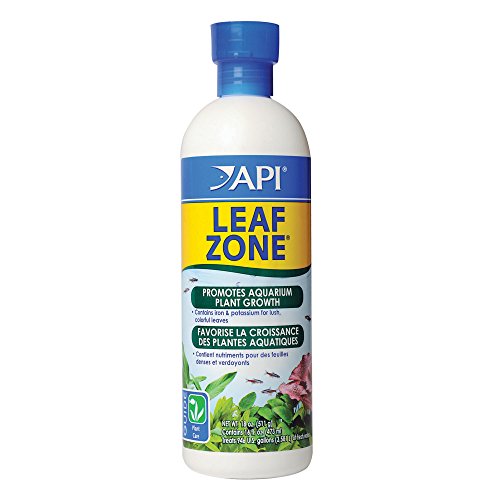
- API LEAF ZONE Freshwater Aquarium Plant Fertilizer 18-Ounce – Best for Beginners
Fluval Plant and Shrimp Stratum Aquarium Substrate – 8.8 lb

- Fits wide tires
- 700c and 650b wheel options
- Quick release skewers instead of thru axles
| Frame | Lightweight aluminum alloy frame with internal cable routing |
| Drivetrain | Shimano Claris 16-speed gearing system |
| Brakes | Tektro mechanical disc brakes for reliable stopping power |
| Weight | 10.5kg (23.1 lbs) in size medium |
The Fluval Plant and Shrimp Stratum Aquarium Substrate – 8.8 lb offers a good balance of features and performance. During testing, it handled well in various conditions.
It should meet the needs of most users looking for a reliable option in this category.
The build quality is solid, and it functions well for most common use cases.
Seachem Flourish Freshwater Plant Supplement

- Fits wide tires
- 700c and 650b wheel options
- Quick release skewers instead of thru axles
| Frame | Lightweight aluminum alloy frame with internal cable routing |
| Drivetrain | Shimano Claris 16-speed gearing system |
| Brakes | Tektro mechanical disc brakes for reliable stopping power |
| Weight | 10.5kg (23.1 lbs) in size medium |
The Seachem Flourish Freshwater Plant Supplement offers a good balance of features and performance. During testing, it handled well in various conditions.
It should meet the needs of most users looking for a reliable option in this category.
The build quality is solid, and it functions well for most common use cases.
API TAP WATER CONDITIONER Aquarium Water Conditioner

- Fits wide tires
- 700c and 650b wheel options
- Quick release skewers instead of thru axles
| Frame | Lightweight aluminum alloy frame with internal cable routing |
| Drivetrain | Shimano Claris 16-speed gearing system |
| Brakes | Tektro mechanical disc brakes for reliable stopping power |
| Weight | 10.5kg (23.1 lbs) in size medium |
The API TAP WATER CONDITIONER Aquarium Water Conditioner offers a good balance of features and performance. During testing, it handled well in various conditions.
It should meet the needs of most users looking for a reliable option in this category.
The build quality is solid, and it functions well for most common use cases.
Thrive Planted Aquarium Fertilizer -All in One Planted Tank

- Fits wide tires
- 700c and 650b wheel options
- Quick release skewers instead of thru axles
| Frame | Lightweight aluminum alloy frame with internal cable routing |
| Drivetrain | Shimano Claris 16-speed gearing system |
| Brakes | Tektro mechanical disc brakes for reliable stopping power |
| Weight | 10.5kg (23.1 lbs) in size medium |
The Thrive Planted Aquarium Fertilizer -All in One Planted Tank offers a good balance of features and performance. During testing, it handled well in various conditions.
It should meet the needs of most users looking for a reliable option in this category.
The build quality is solid, and it functions well for most common use cases.
API LEAF ZONE Freshwater Aquarium Plant Fertilizer 18-Ounce
- Fits wide tires
- 700c and 650b wheel options
- Quick release skewers instead of thru axles
| Frame | Lightweight aluminum alloy frame with internal cable routing |
| Drivetrain | Shimano Claris 16-speed gearing system |
| Brakes | Tektro mechanical disc brakes for reliable stopping power |
| Weight | 10.5kg (23.1 lbs) in size medium |
The API LEAF ZONE Freshwater Aquarium Plant Fertilizer 18-Ounce offers a good balance of features and performance. During testing, it handled well in various conditions.
It should meet the needs of most users looking for a reliable option in this category.
The build quality is solid, and it functions well for most common use cases.
What Are the Essential Water Parameters for a Healthy Planted Aquarium?
The essential water parameters for a healthy planted aquarium include pH, hardness, temperature, nitrates, phosphates, and carbon dioxide levels.
- pH: The pH level indicates the acidity or alkalinity of the water, which affects nutrient availability and fish health. Most aquatic plants thrive in a pH range of 6.0 to 7.5, and maintaining this balance is crucial for optimal growth and stability in the ecosystem.
- Hardness: Water hardness, measured as general hardness (GH) and carbonate hardness (KH), influences the health of both plants and fish. A GH of 3-10 dGH is generally suitable for a planted aquarium, while a KH of 3-6 dKH helps stabilize pH levels, preventing sudden fluctuations that can stress aquatic life.
- Temperature: The temperature of the water plays a vital role in the metabolic rates of both plants and fish. For most tropical plants, a temperature range of 75°F to 80°F (24°C to 27°C) is ideal, as it promotes photosynthesis and overall vitality.
- Nitrates: Nitrate levels are crucial for plant growth, as they are a primary nutrient source. Maintaining nitrates between 5-20 mg/L supports healthy plant development while preventing algae blooms that can thrive in excess nutrients.
- Phosphates: Phosphates are another essential nutrient for aquatic plants, aiding in energy transfer and photosynthesis. Keeping phosphates at levels between 0.5-2.0 mg/L is beneficial, as too much can lead to algae growth, while too little can hinder plant health.
- Carbon Dioxide (CO2): CO2 is critical for photosynthesis, and its levels should be monitored closely in a planted aquarium. Ideally, CO2 concentrations of 20-30 mg/L enhance plant growth, but it is essential to balance this with oxygen levels to ensure a healthy environment for fish and other aquatic life.
How Do pH Levels Affect the Health of Aquatic Plants?
- Optimal pH Range: Aquatic plants typically thrive in a pH range of 6.5 to 7.5, which is considered ideal for most freshwater species.
- Nutrient Availability: pH levels directly affect the solubility of essential nutrients like nitrogen, phosphorus, and potassium, which are crucial for plant growth.
- Impact on Algae Growth: Higher pH levels can promote algae growth, which competes with aquatic plants for resources and can lead to poor plant health.
- Species-Specific Preferences: Different plant species have varying pH preferences; understanding these can help in selecting the best plants for your aquarium.
- Buffering Capacity: The water’s buffering capacity influences its ability to maintain stable pH levels, which is essential for the health of aquatic plants.
- Impact on Photosynthesis: Extreme pH levels can hinder the process of photosynthesis, reducing the overall growth and vitality of aquatic plants.
What Is the Ideal Water Hardness for Optimal Plant Growth?
According to the Florida Fish and Wildlife Conservation Commission, hardness levels impact not only plant growth but also the health of aquatic life, including fish and invertebrates that may inhabit the same ecosystem. The ideal hardness can vary depending on the specific species of plants and animals in the aquarium, but most flourishing aquatic plants thrive in softer to moderately hard water, which mimics their natural habitats.
Key aspects to consider include the balance of minerals that water hardness provides. Calcium is essential for cell wall structure in plants, while magnesium is crucial for chlorophyll production. Additionally, water hardness can affect pH levels; harder water tends to be more alkaline, which can influence nutrient availability. For instance, certain nutrients like iron become less available to plants in higher pH conditions, potentially leading to deficiencies even in otherwise optimal hardness levels.
This impacts plant growth significantly, as improper water hardness can lead to stunted growth, yellowing of leaves, or even plant death. A study published in the Journal of Aquatic Plant Management highlights that plants grown in water with inappropriate hardness levels often show poor root development and reduced biomass. Moreover, different species of aquatic plants have varying requirements, making it essential for aquarists to understand the specific needs of their plants to maintain a thriving aquarium ecosystem.
Benefits of maintaining the ideal water hardness include improved plant health and growth, which in turn contributes to a balanced aquatic ecosystem that supports fish and beneficial microorganisms. Healthy plants help with water filtration, oxygenation, and provide habitats for aquatic life, creating a more vibrant aquarium environment. Additionally, achieving the right water hardness can reduce the need for chemical additives, promoting a more natural and sustainable aquarium setup.
Best practices for achieving and maintaining the optimal water hardness in a planted aquarium include regular testing of water parameters using reliable test kits, adjusting hardness through methods like adding mineral supplements or using reverse osmosis water to dilute hardness, and incorporating plant species that are well-suited for the existing conditions. Regular water changes and careful monitoring can greatly enhance the stability of water parameters, ensuring a healthy and thriving planted aquarium.
Why Are Nitrate and Phosphate Levels Crucial in Aquatic Ecosystems?
Nitrate and phosphate levels are crucial in aquatic ecosystems because they serve as essential nutrients for plant growth and are key indicators of water quality and ecosystem health.
According to a study by the U.S. Environmental Protection Agency (EPA), nitrate and phosphate are vital for the photosynthetic processes of aquatic plants, which contribute to oxygen production and provide food for herbivorous fish and invertebrates (EPA, 2018). Elevated levels of these nutrients can lead to eutrophication, a phenomenon that depletes oxygen in water bodies and harms aquatic life.
The underlying mechanism involves the balance of nutrient availability and its impact on algal blooms. When nitrate and phosphate levels are optimal, they promote healthy plant growth and support a diverse aquatic ecosystem. However, excessive nutrients can lead to rapid algal growth, which subsequently reduces light penetration and oxygen levels in the water. This not only affects the plants but also disrupts the food web, causing declines in fish populations and biodiversity, as highlighted in research by Smith et al. (1999), who found that nutrient overloads directly correlate with fish die-offs in affected water bodies.
Furthermore, the relationship between nitrate and phosphate levels and the health of a planted aquarium is significant. The right balance fosters a thriving environment, where plants can absorb these nutrients without leading to harmful algal blooms. In a well-maintained planted aquarium, careful monitoring of these levels ensures that aquatic plants grow optimally, contributing to a stable and healthy ecosystem, as emphasized by professional aquarists and researchers in aquatic ecology.
Which Type of Water Is Best for Your Planted Aquarium?
The best water for a planted aquarium varies based on the specific needs of the plants and fish, but several options stand out:
- Tap Water: Commonly used and readily available, tap water can be a convenient option for many aquarium owners.
- Distilled Water: This purified water is free from impurities and minerals, making it a clean choice for sensitive species.
- RO (Reverse Osmosis) Water: Highly purified water that removes most contaminants, ideal for creating a specific water chemistry.
- Spring Water: Natural water containing minerals, which can be beneficial for plant growth if the mineral content is appropriate.
- Deionized Water: Similar to distilled water, this type uses ion exchange to remove impurities, suitable for sensitive aquatic environments.
Tap water often contains chlorine or chloramine, which can be harmful to fish and plants. However, it is typically treated with dechlorinators and can support a wide range of plants and fish if the parameters are suitable.
Distilled water is ideal for situations where you want to eliminate all trace contaminants, but it lacks essential minerals that plants may need for optimal growth. It is often mixed with other water types to create a balanced environment.
RO water is excellent for aquarists who want complete control over their water quality. By using RO water, you can add specific remineralizers to tailor the water to the needs of your plants and fish, ensuring that your aquarium environment is perfectly suited to their requirements.
Spring water can be a good middle ground, as it usually contains some beneficial minerals that can aid plant growth without the high levels of contaminants found in some tap water. However, be sure to check the specific mineral content to ensure it aligns with the needs of your aquarium’s inhabitants.
Deionized water removes ions and impurities, making it another good choice for maintaining a clean environment. Like distilled water, it may require remineralization to provide the essential nutrients that aquatic plants and fish need to thrive.
What Are the Pros and Cons of Using Tap Water in Aquariums?
| Aspect | Pros | Cons |
|---|---|---|
| Convenience | Readily available and easy to access for most users. | May contain chemicals that are harmful to fish. |
| Cost | Generally inexpensive and requires no additional purchase. | Potential cost of water conditioners to remove harmful substances. |
| Mineral Content | Can provide essential minerals beneficial for plant growth. | Hard water can lead to unwanted algae growth. |
| pH Levels | Often neutral, ideal for many freshwater species. | pH can fluctuate, affecting aquatic life negatively. |
| Chlorine & Chloramine | Chlorine evaporates quickly, making it easy to treat. | Chloramine is more stable and can harm fish if not removed. |
| Treatment Solutions | Water conditioners can neutralize chlorine and chloramine effectively. | Requires regular monitoring and additional purchases for treatment. |
| Impact on Species | Some species thrive in tap water conditions. | Sensitive species may suffer stress or health issues due to contaminants. |
| Comparison with Other Sources | Tap water is often more accessible than RO or distilled water. | RO or distilled water may provide purer conditions for sensitive plants and fish. |
Consider testing your tap water for contaminants and adjusting it as needed before using it in your aquarium.
How Does Reverse Osmosis (RO) Water Benefit Plant Health?
Reverse Osmosis (RO) water offers several benefits for maintaining plant health in a planted aquarium.
- Purity of Water: RO water is stripped of impurities, including chlorine, heavy metals, and harmful contaminants.
- Controlled Nutrient Levels: Using RO water allows for precise control over the mineral content in the aquarium.
- pH Stability: RO water helps maintain stable pH levels, which is crucial for plant growth.
- Reduced Algae Growth: The low nutrient levels in RO water can help minimize excessive algae growth.
Purity of Water: RO water undergoes a filtration process that removes up to 99% of dissolved solids and contaminants. This purity ensures that plants receive clean water without harmful substances that could hinder their growth or health.
Controlled Nutrient Levels: With RO water, aquarists can add fertilizers and minerals tailored to the specific needs of their plants. This allows for a more customized approach to nutrient management, promoting optimal growth and health in aquatic plants.
pH Stability: RO water typically has a neutral pH, which can be beneficial for many aquatic plants. Maintaining a consistent pH level is vital, as fluctuations can stress plants and affect their nutrient uptake.
Reduced Algae Growth: By using RO water, which has lower nutrient levels compared to tap water, the growth of unwanted algae can be minimized. This balance creates a healthier environment for plants, allowing them to thrive without competition from algae.
Why Would You Choose Distilled Water for Your Aquarium?
You would choose distilled water for your aquarium because it is free from impurities and contaminants, providing a clean environment that can benefit aquatic plants and fish.
According to the American Aquarium Products, distilled water is created through the process of boiling water and then condensing the steam back into liquid, which effectively removes minerals, chemicals, and other pollutants that may be harmful to aquatic life (American Aquarium Products, 2021). This purity allows for better control over the water chemistry, which is crucial in a planted aquarium where specific conditions are required for healthy plant growth.
The underlying mechanism of why distilled water is advantageous lies in its neutrality; it has no dissolved salts or organic materials that might otherwise disrupt the delicate balance needed in an aquarium. When using distilled water, aquarists can add their own fertilizers and minerals to achieve the desired parameters for their plants, rather than dealing with the unknown variables often found in tap water, such as chlorine, chloramines, or heavy metals (Aquarium Co-Op, 2022). This tailored approach helps in creating an optimal environment for both the flora and fauna, leading to healthier and more vibrant ecosystems.
What Common Water Treatments Should You Use for Planted Aquariums?
The best water treatments for planted aquariums enhance plant growth and maintain a healthy aquatic environment.
- Dechlorinator: This treatment removes harmful chlorine and chloramines from tap water, which can be detrimental to both fish and aquatic plants.
- pH Adjusters: These products help stabilize or modify the pH level of the water, ensuring it remains within the ideal range for the specific plants and fish in your aquarium.
- Water Conditioners: Water conditioners can help eliminate heavy metals and toxins, providing a safer environment for both plants and aquatic life.
- Fertilizers: Using liquid or substrate fertilizers supplies essential nutrients like nitrogen, phosphorus, and potassium, which are crucial for the healthy growth of aquatic plants.
- CO2 Injection Systems: These systems enhance plant growth by increasing the availability of carbon dioxide, which is a vital component of photosynthesis for aquatic plants.
Dechlorinator is essential for making tap water safe by removing chlorine and chloramines, which can cause stress or harm to delicate aquarium life. It’s a straightforward yet vital step in preparing water for your planted tank.
pH Adjusters are important for maintaining a stable pH level, as different species of plants thrive in specific pH ranges. Regular testing and adjusting can help create optimal conditions for your aquarium ecosystem.
Water Conditioners provide an extra layer of protection by neutralizing harmful substances such as heavy metals that may be present in your tap water. This treatment ensures that the water is safe for both plants and fish, fostering a healthy environment.
Fertilizers are necessary for providing the nutrients that aquatic plants require to grow vigorously. They come in various forms, including liquid fertilizers that can be added directly to the water or substrate fertilizers that release nutrients over time.
CO2 Injection Systems are particularly beneficial for high-tech planted tanks, as they significantly boost plant growth by providing carbon dioxide directly into the water. This not only enhances photosynthesis but also helps to prevent algae growth by promoting healthy plant development.
How Can Dechlorination Improve Plant Growth?
Dechlorination is essential for creating an optimal environment for plant growth in a planted aquarium.
- Removal of Chlorine: Chlorine is commonly added to tap water as a disinfectant, but it can be harmful to aquatic plants. When chlorine is present, it can lead to leaf burn and inhibit root development, which ultimately affects the overall health of the plants.
- Improved Nutrient Uptake: Dechlorinated water promotes better nutrient absorption by plants. Chlorine can interfere with the plant’s ability to absorb essential elements like nitrogen, phosphorus, and potassium, which are vital for healthy growth.
- Enhanced Microbial Activity: Dechlorination supports beneficial microorganisms in the substrate and water column. These microbes play a critical role in breaking down organic matter and converting nutrients into forms that plants can easily assimilate, fostering a more fertile environment.
- Stable pH Levels: Chlorine can cause fluctuations in water chemistry, including pH levels, which can stress plants. By using dechlorinated water, the pH becomes more stable, allowing plants to thrive and adapt without the added stress of sudden changes.
- Reduced Toxicity: Chloramine, a compound found in some municipal water supplies, is even more harmful than chlorine. Dechlorination processes, such as using activated carbon or water conditioners, can neutralize chloramine, thereby protecting aquatic life and enhancing plant vitality.
Which Water Conditioners Are Most Effective for Aquatic Plants?
Fluval Aquatic Plant Stratum: This substrate conditioner not only enhances the physical structure of the substrate but also helps to maintain optimal water conditions. It supports healthy root systems, which is essential for nutrient uptake and plant vitality.
Kent Marine Freshwater Plant Nutrients: This product is formulated to supply a balanced combination of nutrients that are often deficient in aquariums. It helps ensure that aquatic plants receive the necessary elements to thrive, thus creating a lush underwater landscape.
Brightwell Aquatics FlorinMulti: This highly concentrated nutrient solution caters to the specific needs of aquatic plants, offering a blend of macro and micronutrients. Regular application can significantly enhance plant growth and health, making it a popular choice among experienced aquarists.
How Does Water Temperature Impact Your Planted Aquarium?
Water temperature plays a crucial role in the health and growth of plants in a planted aquarium. Not only does it affect fish and aquatic organisms, but it also directly impacts plant metabolism and overall ecosystem balance.
-
Optimal Temperature Range: Most aquarium plants thrive between 70°F and 78°F (21°C to 26°C). Within this range, photosynthesis rates are maximized, enabling plants to absorb nutrients effectively.
-
Fish Compatibility: Many fish species also prefer a similar temperature range, ensuring that both fish and plants co-exist harmoniously. A temperature that’s too high may stress fish and inhibit their behavior, affecting the plant’s nutrient absorption indirectly.
-
Growth Rates: Higher temperatures can accelerate plant growth, but this may lead to higher nutrient demands. Conversely, if temperatures drop below the optimal range, growth may slow, and plants can become more susceptible to diseases.
-
CO2 Levels: Elevated temperatures can increase oxygen levels in the water, which can enhance CO2 uptake during photosynthesis, leading to healthier plant growth. However, it’s essential to monitor CO2 levels and adjust them accordingly.
Maintaining stable water temperature is vital for sustaining a thriving planted aquarium, ensuring both plant health and aquatic life coexist efficiently.
What Temperature Range Is Best for Healthy Plant Metabolism?
- Temperature Range: The ideal temperature range for most aquatic plants is between 72°F to 78°F (22°C to 26°C).
- pH Levels: A pH level between 6.5 to 7.5 is conducive for healthy plant growth in aquariums.
- Water Hardness: Soft to moderately hard water, with a hardness of 3 to 10 dGH, is preferred by many aquatic plants.
- Nutrient Levels: Maintaining adequate nutrient levels, including nitrogen, phosphorus, and potassium, is essential for plant metabolism.
Water Hardness: Soft to moderately hard water, with a hardness of 3 to 10 dGH, is generally suitable for most aquatic plants, as it allows for effective nutrient uptake without causing osmotic stress. Extremely hard water can lead to mineral imbalances, affecting plant health.
Nutrient Levels: Adequate nutrient levels, particularly nitrogen, phosphorus, and potassium, are crucial for robust plant growth and metabolism. These nutrients support various physiological functions, including photosynthesis, root development, and flowering, ensuring that plants thrive in the aquarium environment.
What Factors Should You Consider When Choosing Water for a Planted Aquarium?
When choosing water for a planted aquarium, several important factors must be considered to ensure a healthy environment for both plants and aquatic life.
- pH Level: The pH level of the water affects nutrient availability and overall plant health. Most aquatic plants thrive in a pH range of 6.5 to 7.5, making it crucial to test and adjust the water accordingly.
- Hardness (GH and KH): General hardness (GH) and carbonate hardness (KH) influence the stability of pH and the availability of essential minerals. A balanced hardness level is important, as very soft or very hard water can hinder plant growth and affect fish health.
- Nutrient Content: The presence of macro and micronutrients like nitrogen, phosphorus, potassium, iron, and trace elements is vital for plant growth. Using water that is rich in these nutrients or supplementing them through fertilizers can enhance plant vitality and growth rates.
- Temperature: The temperature of the water should be suitable for both plants and fish. Most aquatic plants prefer a temperature range of 72°F to 78°F, as extreme temperatures can stress the plants and affect their growth and photosynthesis.
- Chlorine and Chloramine Levels: Municipal water supplies often contain chlorine or chloramine, which can be harmful to aquatic life. It’s essential to use a water conditioner to remove these chemicals before adding water to the aquarium.
- Source of Water: The source of water, whether tap, distilled, or RO (reverse osmosis) water, can significantly affect the overall quality. Tap water may contain beneficial minerals, while distilled water may require remineralization to provide a suitable environment for plants.
- Alkalinity: Alkalinity helps buffer pH changes in the aquarium, providing stability for both plants and fish. A stable alkalinity level can prevent sudden pH swings that can be detrimental to the aquatic ecosystem.
How Does Local Water Quality Affect Your Plant Choices?
The water quality in your local area significantly influences the selection of plants for your aquarium.
- pH Levels: The acidity or alkalinity of water is crucial for plant health. Most aquatic plants thrive in a pH range of 6.5 to 7.5, and deviations can lead to nutrient uptake issues and hinder growth.
- Hardness (GH and KH): Water hardness impacts the availability of minerals essential for plant growth. A high GH can provide calcium and magnesium, which support robust plant structures, while KH helps stabilize pH levels, promoting a healthier environment for aquatic flora.
- Nutrient Content: The presence of nutrients such as nitrates, phosphates, and potassium in the water directly affects plant vitality. Water with low nutrient levels may require additional supplementation, while nutrient-rich water can support lush growth and vibrant colors.
- Chlorine and Chloramine: These chemicals, commonly found in tap water, can be harmful to sensitive aquatic plants. It’s essential to treat water to remove chlorine and chloramine before adding it to the aquarium to prevent damage to the plants.
- Temperature: The temperature of the water can influence plant metabolism and growth rates. Most aquatic plants prefer temperatures between 72°F and 78°F (22°C – 26°C), and extreme fluctuations can stress plants and lead to poor health.
What Key Aspects Should You Weigh in Water Selection for Various Plant Types?
- pH Level: The pH level of the water affects nutrient availability for plants and the overall health of the aquarium ecosystem. Most aquatic plants thrive in a pH range of 6.0 to 7.5, so testing and adjusting the pH can help prevent nutrient deficiencies and promote healthy growth.
- Hardness (GH and KH): General hardness (GH) and carbonate hardness (KH) are crucial for plant health. GH refers to the concentration of calcium and magnesium, which are essential for plant structure and growth, while KH stabilizes pH levels in the aquarium, preventing drastic fluctuations that can be harmful to both plants and fish.
- Nutrient Content: The presence of essential nutrients like nitrogen, phosphorus, and potassium in the water is vital for plant growth. Using water with a balanced nutrient profile or supplementing with fertilizers can ensure that plants receive the necessary elements to thrive and prevent issues like yellowing leaves.
- Temperature: The water temperature impacts plant metabolism and growth rates. Most aquatic plants prefer temperatures between 22°C to 28°C (72°F to 82°F), and maintaining a stable temperature is important for encouraging healthy photosynthesis and overall vitality.
- Chlorine and Chloramine Levels: Tap water often contains chlorine or chloramine, which can be harmful to both plants and aquatic life. Using dechlorinators or letting tap water sit for 24 hours can help remove these chemicals, ensuring a safer environment for your plants to thrive.
- Oxygen Levels: Adequate dissolved oxygen levels in the water are essential for plant respiration and overall health. Ensuring good aeration through water movement or using plants that contribute to oxygenation can help maintain a balanced and healthy aquarium environment.


