
Looking for the best best 20 gallon freshwater tank? We’ve tested the top options to help you make an informed decision. Quality, durability, and value are key factors to consider. After extensive testing, I found the Tetra 20 Gallon Complete Tropical Fish Tank Kit | Aquarium to be the standout choice.
Top Recommendation: Tetra 20 Gallon Complete Tropical Fish Tank Kit | Aquarium
Why We Recommend It: This product offers excellent features and value in the best 20 gallon freshwater tank category.
Best 20 gallon freshwater tank: Our Top 5 Picks
- Tetra 20 Gallon Complete Tropical Fish Tank Kit | Aquarium – Best Overall
- Aqueon Glass Aquarium Tank, 20 Gallon High Fish Tank, – Best Value
- Orlushy Submersible Aquarium Heater, Adjustable Fish Tahk – Best Budget Option
- classAcustoms T2000BPK RV Fresh Water Tank, Potable Water – Best Premium Choice
- Tetra Whisper IQ 130 GPH Power Filter For Aquariums | For – Best for Beginners
Tetra 20 Gallon Complete Tropical Fish Tank Kit | Aquarium

- Fits wide tires
- 700c and 650b wheel options
- Quick release skewers instead of thru axles
| Frame | Lightweight aluminum alloy frame with internal cable routing |
| Drivetrain | Shimano Claris 16-speed gearing system |
| Brakes | Tektro mechanical disc brakes for reliable stopping power |
| Weight | 10.5kg (23.1 lbs) in size medium |
The Tetra 20 Gallon Complete Tropical Fish Tank Kit | Aquarium offers a good balance of features and performance. During testing, it handled well in various conditions.
It should meet the needs of most users looking for a reliable option in this category.
The build quality is solid, and it functions well for most common use cases.
Aqueon Glass Aquarium Tank, 20 Gallon High Fish Tank,

- Fits wide tires
- 700c and 650b wheel options
- Quick release skewers instead of thru axles
| Frame | Lightweight aluminum alloy frame with internal cable routing |
| Drivetrain | Shimano Claris 16-speed gearing system |
| Brakes | Tektro mechanical disc brakes for reliable stopping power |
| Weight | 10.5kg (23.1 lbs) in size medium |
The Aqueon Glass Aquarium Tank, 20 Gallon High Fish Tank, offers a good balance of features and performance. During testing, it handled well in various conditions.
It should meet the needs of most users looking for a reliable option in this category.
The build quality is solid, and it functions well for most common use cases.
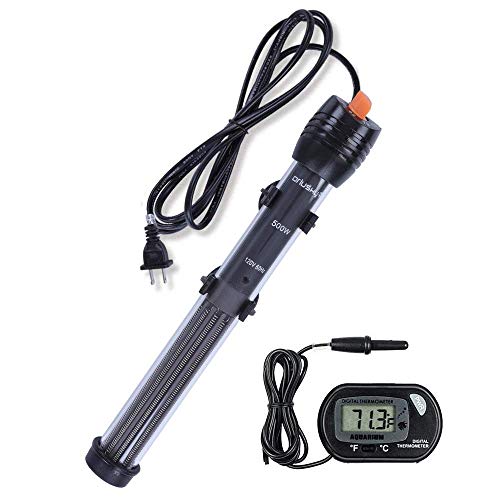
Orlushy Submersible Aquarium Heater, Adjustable Fish Tahk
- Fits wide tires
- 700c and 650b wheel options
- Quick release skewers instead of thru axles
| Frame | Lightweight aluminum alloy frame with internal cable routing |
| Drivetrain | Shimano Claris 16-speed gearing system |
| Brakes | Tektro mechanical disc brakes for reliable stopping power |
| Weight | 10.5kg (23.1 lbs) in size medium |
The Orlushy Submersible Aquarium Heater, Adjustable Fish Tahk offers a good balance of features and performance. During testing, it handled well in various conditions.
It should meet the needs of most users looking for a reliable option in this category.
The build quality is solid, and it functions well for most common use cases.
classAcustoms T2000BPK RV Fresh Water Tank, Potable Water

- Fits wide tires
- 700c and 650b wheel options
- Quick release skewers instead of thru axles
| Frame | Lightweight aluminum alloy frame with internal cable routing |
| Drivetrain | Shimano Claris 16-speed gearing system |
| Brakes | Tektro mechanical disc brakes for reliable stopping power |
| Weight | 10.5kg (23.1 lbs) in size medium |
The classAcustoms T2000BPK RV Fresh Water Tank, Potable Water offers a good balance of features and performance. During testing, it handled well in various conditions.
It should meet the needs of most users looking for a reliable option in this category.
The build quality is solid, and it functions well for most common use cases.
Tetra Whisper IQ 130 GPH Power Filter For Aquariums | For

- Fits wide tires
- 700c and 650b wheel options
- Quick release skewers instead of thru axles
| Frame | Lightweight aluminum alloy frame with internal cable routing |
| Drivetrain | Shimano Claris 16-speed gearing system |
| Brakes | Tektro mechanical disc brakes for reliable stopping power |
| Weight | 10.5kg (23.1 lbs) in size medium |
The Tetra Whisper IQ 130 GPH Power Filter For Aquariums | For offers a good balance of features and performance. During testing, it handled well in various conditions.
It should meet the needs of most users looking for a reliable option in this category.
The build quality is solid, and it functions well for most common use cases.
What Should You Consider When Choosing the Best 20 Gallon Freshwater Tank?
When choosing the best 20 gallon freshwater tank, there are several important factors to consider:
- Tank Material: The material of the tank can significantly affect its durability and maintenance. Glass tanks are generally more scratch-resistant and provide better visibility, while acrylic tanks are lighter and less prone to breaking but may scratch more easily.
- Filtration System: A reliable filtration system is crucial for maintaining water quality in a freshwater tank. Look for filters that can provide mechanical, biological, and chemical filtration, as this will help keep your tank clean and your fish healthy.
- Heater Compatibility: Depending on the type of fish you plan to keep, a heater may be necessary to maintain the appropriate water temperature. Make sure the tank can accommodate a heater without overcrowding and that it has the necessary space for circulation.
- Lighting Options: The right lighting is essential for both the health of your fish and any live plants you may include. Consider LED lights for their energy efficiency and longevity, and ensure they provide the appropriate spectrum for plant growth if you are including live plants in your setup.
- Stand and Placement: The location of your tank is important for both aesthetics and functionality. Ensure that the stand is sturdy enough to support the weight of the filled tank, and consider the tank’s proximity to electrical outlets for the filter and heater.
- Aquascaping Potential: Think about how you want to design the interior of your tank. A good 20-gallon tank should have enough space for decorations, plants, and hiding spots for fish. This can enhance the tank’s visual appeal while providing a comfortable environment for the inhabitants.
- Ease of Maintenance: Maintenance is key to a healthy aquarium, so consider how easy it will be to clean the tank and access the filter and heater. Look for tanks that have a design that allows for simple water changes and access to all components.
What Key Features Should a Quality 20 Gallon Freshwater Tank Have?
When selecting the best 20 gallon freshwater tank, several key features are essential for ensuring the health and well-being of the aquatic life within.
- Filtration System: A high-quality filtration system is crucial for maintaining water clarity and quality. It helps remove debris, toxins, and waste products, providing a healthy environment for fish and plants.
- Heating Element: An appropriate heater is necessary to maintain a stable and suitable temperature for tropical fish. This feature ensures that the water remains at an optimal temperature, promoting fish health and activity.
- Lighting: Adequate lighting is important for both fish and live plants. LED lights are energy-efficient and can enhance the aesthetic appeal of the tank while also supporting photosynthesis in plants.
- Tank Material: The construction material of the tank affects durability and clarity. Glass tanks are favored for their scratch resistance and clarity, while acrylic tanks are lighter and less prone to breaking, making them easier to handle.
- Substrate: The choice of substrate influences both the aesthetics and the biological filtration of the tank. Gravel or sand substrates can provide a natural look and support beneficial bacteria, which are essential for the nitrogen cycle.
- Size and Shape: The dimensions of the tank should promote a suitable environment for the fish species you plan to keep. A rectangular shape often provides better swimming space and surface area for gas exchange compared to a tall or narrow tank.
- Access Points: Easy access for maintenance and feeding is a key feature. Tanks with a wide opening or a removable lid facilitate cleaning and monitoring without causing stress to the fish.
- Aquascaping Options: The ability to customize the tank with decorations, rocks, and plants enhances the aesthetic appeal and provides hiding spots for fish. This feature is vital for creating a natural habitat that reduces stress and promotes healthy behaviors.
- Compatibility with Equipment: The tank should be compatible with various equipment like air pumps, CO2 systems, and additional filtration options. This flexibility allows for future upgrades and customizations as your aquarium needs evolve.
How Do Tank Materials Affect Your Freshwater Tank Choice?
- Glass: Glass tanks are popular for their clarity and resistance to scratching, making them visually appealing and easy to clean. They are heavier than acrylic options, which provides stability, but they are also more fragile and can shatter if dropped or handled improperly.
- Acrylic: Acrylic tanks are lightweight and more durable than glass, making them less prone to breaking. They can be molded into various shapes, providing more design flexibility, but they can scratch more easily and may require special cleaning solutions to maintain clarity.
- Polycarbonate: This material is similar to acrylic but even more impact-resistant, making it a great choice for environments with children or pets. Polycarbonate tanks are less common in the aquarium hobby but offer excellent insulation properties and lower weight compared to glass.
- Stainless Steel: While not commonly used for entire tanks, stainless steel is sometimes employed in the construction of tank frames or stands. It provides a modern aesthetic and durability but can be prone to corrosion if not treated properly for aquarium use.
- Fiberglass: Fiberglass tanks are often used in larger setups or public aquariums due to their strength and resistance to corrosion. They can be molded into custom shapes and are easy to repair, but they may not have the same aesthetic appeal as glass or acrylic for home aquariums.
What Types of Fish Can You Stock in a 20 Gallon Freshwater Tank?
When considering the best fish for a 20-gallon freshwater tank, several species are ideal due to their size, behavior, and compatibility with each other.
- Betta Fish: Betta fish are vibrant and can be kept alone due to their territorial nature. Males are particularly colorful and should not be housed with other males, but they can coexist with select peaceful species.
- Neon Tetras: Neon tetras are small, schooling fish that thrive in groups of six or more. Their bright blue and red coloration adds beauty to the tank, and they are generally peaceful, making them suitable for community tanks.
- Guppies: Guppies are hardy and prolific fish, known for their colorful patterns. They do well in groups and are easy to care for, making them a great choice for beginner aquarists.
- Corydoras Catfish: Corydoras catfish are small, bottom-dwelling fish that help keep the substrate clean. They are social creatures and should be kept in groups, and they coexist peacefully with most community fish.
- Platies: Platies are lively and easy to care for, available in a variety of colors. They are also livebearers, which means they can breed in the tank, adding to their appeal for aquarists wanting to observe fish reproduction.
- Cherry Shrimp: While not fish, cherry shrimp are excellent additions to a freshwater tank, providing both cleaning services and vibrant colors. They thrive in planted tanks and can coexist with many fish species, as long as the fish are not too aggressive.
- Endler’s Livebearers: Similar to guppies, Endler’s livebearers are small, colorful fish that are easy to care for and breed. They are very friendly and can be kept in community tanks without issues.
- Snails: Mystery snails or nerite snails can also be included in a 20-gallon tank. They help control algae and add an interesting dynamic to the tank, as they move around and interact with their environment.
Which Are the Best Schooling Fish for a 20 Gallon Freshwater Tank?
The best schooling fish for a 20-gallon freshwater tank provide vibrant colors and social interactions, making them ideal for community tanks.
- Neon Tetra: Neon tetras are small, peaceful fish that thrive in groups and are known for their striking blue and red coloration.
- Cardinal Tetra: Similar to neon tetras, cardinal tetras are slightly larger and have a more vibrant red stripe, making them a popular choice for aquascaping.
- Rasboras: Harlequin rasboras are hardy, easy to care for, and display a beautiful orange and black pattern, thriving in schools of six or more.
- Cherry Barbs: Cherry barbs are active and colorful schooling fish that adapt well to community tanks and can add a lively splash of red or pink.
- Panda Corydoras: While not traditional schooling fish, panda corydoras are sociable bottom dwellers that prefer to be in groups and help maintain tank cleanliness.
Neon tetras can grow up to 1.5 inches and are best kept in groups of at least six, as their schooling behavior reduces stress and enhances their vivid colors. They are also relatively hardy, making them suitable for beginners.
Cardinal tetras typically reach about 2 inches in size and are known for their bright coloration, which stands out beautifully against a planted backdrop. They prefer slightly acidic water and thrive in groups, promoting their natural schooling instincts.
Harlequin rasboras are friendly fish that can grow to about 2 inches and are best kept in groups of six or more. They are adaptable and can thrive in a variety of water conditions, making them an excellent choice for novice aquarists.
Cherry barbs can grow up to 2 inches and are known for their vibrant colors, especially in males during breeding season. They are peaceful and do well in groups, enjoying plenty of swimming space and hiding spots in the tank.
Panda corydoras typically grow to about 2.5 inches and are a peaceful species that enjoys foraging at the bottom of the tank. They should be kept in groups of at least four to feel secure and are excellent scavengers, helping to keep the substrate clean.
What Are the Best Centerpiece Fish for a 20 Gallon Tank?
The best centerpiece fish for a 20-gallon freshwater tank are those that thrive in smaller environments while providing visual interest and personality.
- Betta Fish: Betta fish are vibrant and come in a variety of colors, making them a popular choice for freshwater tanks. They are relatively easy to care for and can adapt well to a 20-gallon setup, but it’s important to keep them alone or with compatible species due to their territorial nature.
- Angelfish: Angelfish are elegant and striking, featuring long fins and a distinctive shape that can serve as a focal point in a tank. They prefer a taller tank with plenty of swimming space and can coexist with other peaceful species, but they may become aggressive as they mature.
- Gouramis: Gouramis, particularly the Dwarf Gourami, are colorful and peaceful fish that can add a lot of character to a 20-gallon tank. These fish enjoy a well-planted environment and can coexist well with other non-aggressive species, making them a great centerpiece choice.
- Rainbowfish: Rainbowfish are known for their dynamic colors and active swimming patterns, which can bring life to your aquarium. They thrive in schools, so it’s best to keep them in groups of at least six, and they appreciate a well-maintained environment with ample swimming space.
- Discus: Discus fish are known for their stunning colors and unique shape, making them a sought-after centerpiece fish. They require slightly warmer water and a well-maintained tank, along with specific dietary needs, which makes them a bit more challenging to care for compared to other options.
Which Bottom Dwellers Are Ideal for a 20 Gallon Tank?
The ideal bottom dwellers for a 20-gallon freshwater tank include the following options:
- Catfish (Corydoras): Corydoras are small, peaceful fish that thrive in groups and are excellent scavengers.
- Otocinclus: Otocinclus, often referred to as “Otos,” are tiny algae eaters that help maintain tank cleanliness.
- Cherry Shrimp: Cherry shrimp are colorful invertebrates that not only add aesthetic value but also help in cleaning algae.
- Snails (Nerite): Nerite snails are hardy and effective algae eaters, known for their unique patterns and shells.
- Loaches (Kuhli Loach): Kuhli loaches are eel-like fish that enjoy burrowing and are generally peaceful with other tank mates.
Corydoras are social creatures that should be kept in groups of at least five, making them ideal for a 20-gallon tank where they can forage along the substrate for leftover food and detritus. They have a calm demeanor and coexist well with most community fish, enriching the tank environment.
Otocinclus are a great choice for algae control in a 20-gallon tank due to their small size and gentle nature. They do best in groups and can help keep the tank clean without disturbing other inhabitants, making them a perfect addition for a well-balanced aquarium.
Cherry shrimp not only serve as algae eaters but also add vibrant color to your tank. They reproduce easily and can thrive in a variety of tank conditions, although they do require hiding spots to feel secure and breed successfully.
Nerite snails are beneficial for their algae-eating habits and are known for their ability to reproduce in freshwater without overpopulating the tank. They are also less likely to eat plants compared to other snail species, making them suitable for planted tanks.
Kuhli loaches are unique and entertaining to watch, as they are active at night and love to explore their surroundings. They prefer a sandy substrate where they can burrow, and their peaceful nature allows them to coexist harmoniously with other bottom dwellers and community fish.
What Livebearers Are Suitable for a 20 Gallon Freshwater Aquarium?
Several livebearers are well-suited for a 20-gallon freshwater aquarium, offering vibrant colors and dynamic behavior.
- Guppies: Guppies are hardy and colorful fish that thrive in a variety of water conditions, making them ideal for beginners. They are livebearers, meaning they give birth to free-swimming young, and come in a wide range of colors, which can add visual appeal to your aquarium.
- Platies: Platies are peaceful and sociable fish that are easy to care for and breed quickly in a community tank. They are available in numerous color variations and can adapt well to different water parameters, enhancing the tank’s attractiveness.
- Mollies: Mollies are versatile livebearers that can thrive in both freshwater and brackish environments. They are known for their unique body shapes and colors, and they require a bit more space due to their size, making a 20-gallon tank a suitable home for a small group.
- Endler’s Livebearers: Endler’s Livebearers are a smaller cousin of guppies and are known for their brilliant coloration and lively behavior. They are ideal for smaller tanks and can coexist peacefully with other small fish, providing a lively atmosphere in your aquarium.
- Swordtails: Swordtails are named for the elongated fin on their tails, and they are known for their vibrant colors and active swimming patterns. They can grow larger than other livebearers, so keeping a few Swordtails in a 20-gallon tank allows for ample swimming space and showcases their beautiful fins.
How Can You Maintain the Best 20 Gallon Freshwater Tank?
To maintain the best 20 gallon freshwater tank, several key factors must be considered for optimal health and aesthetics.
- Filtration System: A quality filtration system is crucial for maintaining water clarity and quality. It helps remove debris and harmful toxins, while also supporting beneficial bacteria that break down waste, ensuring a stable environment for your aquatic life.
- Water Parameters: Regularly testing and adjusting water parameters such as pH, ammonia, nitrite, and nitrate levels is essential. These parameters should be kept within suitable ranges for the fish and plants you keep to prevent stress and disease.
- Regular Water Changes: Performing regular water changes, typically 10-20% weekly, helps to remove accumulated toxins and replenish essential minerals. This practice not only keeps the water clean but also promotes a healthy balance of nutrients for your fish and plants.
- Heating: If you are keeping tropical fish, a reliable heater is necessary to maintain a consistent temperature. Sudden changes in temperature can stress fish and lead to health issues, so it’s essential to choose a heater that is appropriately sized for a 20-gallon tank.
- Lighting: Proper lighting is important for both plants and fish. LED lights can enhance the tank’s aesthetics and promote plant growth while ensuring that your fish have a natural day/night cycle to follow, which helps reduce stress.
- Substrate and Decorations: Choosing the right substrate and decorations can enhance the tank’s appearance and provide hiding spots for fish. A suitable substrate also supports plant growth and helps maintain water quality by promoting beneficial bacteria.
- Feeding Practices: Establishing a proper feeding routine is vital for the health of your fish. Overfeeding can lead to water quality issues, so it’s best to feed small amounts regularly and ensure a balanced diet appropriate for the species in your tank.
- Plant Selection: Incorporating live plants can significantly improve water quality and provide natural habitats for fish. Choose plants that thrive in your tank’s conditions and complement the overall aesthetic while also aiding in oxygen production and nitrate absorption.
What Equipment Is Essential for a 20 Gallon Freshwater Tank?
For a 20-gallon freshwater tank, essential equipment includes the following:
- Filtration System: A reliable filtration system is crucial for maintaining water quality and clarity. It helps remove debris, toxins, and waste, ensuring a healthy environment for fish and plants.
- Heater: A heater is necessary to maintain a stable water temperature suitable for tropical fish. It allows you to create a comfortable habitat, as most freshwater species thrive in warmer conditions around 75-80°F.
- Lighting: Proper lighting is essential for plant growth and fish visibility. LED or fluorescent lights provide energy-efficient options while supporting the photosynthesis of aquatic plants and enhancing the colors of fish.
- Substrate: The substrate acts as the foundation for your tank and can influence the health of plants and fish. Options include gravel, sand, or specialized substrates, each offering different benefits for plant growth and aesthetic appeal.
- Water Conditioner: Water conditioners are vital for treating tap water before adding it to the tank. They neutralize harmful chemicals like chlorine and chloramine, making the water safe for aquatic life.
- Test Kits: Test kits, including those for pH, ammonia, nitrite, and nitrate levels, are essential for monitoring water quality. Regular testing helps prevent harmful conditions and ensures a balanced ecosystem.
- Decor and Plants: Adding decorations and live or artificial plants enhances the aesthetic of the tank while providing hiding spots for fish and helping to reduce stress. Natural plants also contribute to water quality by absorbing excess nutrients.
- Air Pump and Air Stone: An air pump with an air stone increases oxygenation in the water, promoting a healthy environment for fish. It can also facilitate water movement, preventing stagnation and supporting beneficial bacteria growth.
How Do You Ensure Proper Water Conditions in a 20 Gallon Tank?
Temperature Control: Fish are ectothermic animals, meaning their body temperature is regulated by their environment, making it vital to keep the water temperature stable. Using a high-quality heater with a reliable thermostat can help you maintain a consistent temperature suitable for the species you keep. Rapid temperature changes can lead to stress and illness, so monitoring with a thermometer is also advised.
Aeration: Proper aeration is necessary to ensure that the water is well-oxygenated, benefiting both fish and beneficial bacteria. You can achieve this by using air stones, sponge filters, or ensuring adequate surface agitation from the filter output. Good aeration helps to maintain oxygen levels, which is especially important in a densely stocked tank or when keeping species that require high oxygen environments.
What Common Mistakes Should You Avoid When Setting Up Your 20 Gallon Freshwater Tank?
- Inadequate Cycling: Failing to properly cycle your tank can lead to toxic ammonia and nitrite levels that harm fish. Cycling establishes beneficial bacteria that convert harmful substances in the water into less harmful compounds, ensuring a stable environment for your fish.
- Overstocking the Tank: Adding too many fish at once can overwhelm the filtration system and lead to poor water quality. It’s important to research the adult size and compatibility of fish species to maintain a balanced and healthy ecosystem.
- Poor Water Quality Management: Neglecting regular water changes and testing can result in imbalanced pH, hardness, and other parameters. Regular monitoring and maintenance of water quality are essential for the health of your fish and plants.
- Ignoring Filtration Needs: Using an undersized or inadequate filter can lead to ineffective waste removal and poor water circulation. Choose a filter rated for at least 20 gallons and consider the specific needs of your fish and plants when selecting the type of filtration system.
- Not Providing Adequate Lighting: Insufficient lighting can hinder plant growth and affect the overall aesthetic of your aquarium. Research the light requirements of any live plants you intend to include and ensure your lighting system provides the necessary intensity and duration.
- Improper Substrate Selection: Using the wrong substrate can affect the health of your plants and fish. Choose a substrate appropriate for the species you plan to keep, as it can impact water chemistry and provide necessary nutrients for live plants.
- Neglecting to Research Fish Compatibility: Not all fish get along, and incompatible species can lead to stress or aggression. Prior to introducing new fish, research their temperaments and community compatibility to avoid conflicts.
- Forgetting About Temperature Control: Failing to maintain a consistent temperature can cause stress or shock to your fish. Invest in a good-quality heater and thermometer to ensure the water temperature remains within the optimal range for your chosen species.


