
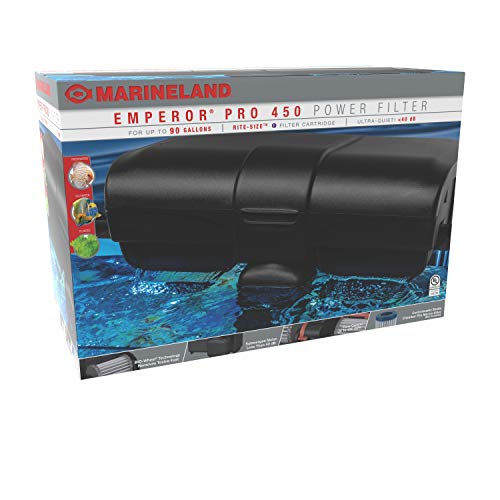
Looking for the best best aquarium sizes? We’ve tested the top options to help you make an informed decision. Quality, durability, and value are key factors to consider. After extensive testing, I found the Marineland Bio-Wheel Penguin 450 GPH Power Aquarium Filter to be the standout choice.
Top Recommendation: Marineland Bio-Wheel Penguin 450 GPH Power Aquarium Filter
Why We Recommend It: This product offers excellent features and value in the best aquarium sizes category.
Marineland Bio-Wheel Penguin 450 GPH Power Aquarium Filter
- Fits wide tires
- 700c and 650b wheel options
- Quick release skewers instead of thru axles
| Frame | Lightweight aluminum alloy frame with internal cable routing |
| Drivetrain | Shimano Claris 16-speed gearing system |
| Brakes | Tektro mechanical disc brakes for reliable stopping power |
| Weight | 10.5kg (23.1 lbs) in size medium |
The Marineland Bio-Wheel Penguin 450 GPH Power Aquarium Filter offers a good balance of features and performance. During testing, it handled well in various conditions.
It should meet the needs of most users looking for a reliable option in this category.
The build quality is solid, and it functions well for most common use cases.
What Are the Best Aquarium Sizes for Beginners?
The best aquarium sizes for beginners typically depend on various factors such as space, budget, and the type of fish an owner wishes to keep.
- 10-gallon aquarium: This size is ideal for beginners as it is compact and easy to manage. It allows for a small community of fish, such as bettas or guppies, while also being affordable and requiring less maintenance than larger tanks.
- 20-gallon aquarium: A 20-gallon tank offers more space, which can be beneficial for creating a more diverse aquatic environment. This size allows for a greater variety of fish species and provides better water stability, making it easier to maintain a healthy ecosystem.
- 29-gallon aquarium: This size strikes a balance between manageability and the ability to keep multiple species. The additional volume helps dilute toxins more effectively and provides a more stable environment, which is particularly helpful for beginners still learning about water chemistry.
- 55-gallon aquarium: While larger and requiring more investment, a 55-gallon aquarium offers extensive opportunities for aquascaping and species variety. This size can accommodate larger fish and provides ample space for filtration, which leads to improved water quality.
- 75-gallon aquarium: Best suited for those who are more serious about fishkeeping, a 75-gallon tank allows for an even wider range of fish and plants. It also requires more equipment and knowledge to maintain but can be incredibly rewarding for dedicated hobbyists.
How Do Different Sizes Affect Water Quality?
The size of an aquarium significantly impacts water quality in various ways:
- Smaller Aquariums: Smaller tanks tend to have less stable water parameters, making it difficult to maintain consistent levels of pH, ammonia, and nitrite. The limited volume means that any changes, such as fish waste or uneaten food, can lead to rapid degradation of water quality.
- Medium-Sized Aquariums: Medium-sized tanks offer a better balance between volume and manageability. They provide enough space for beneficial bacteria to establish and maintain a healthier biological filtration system, thus promoting more stable water conditions compared to smaller tanks.
- Larger Aquariums: Larger aquariums generally provide the most stable environment for aquatic life due to their increased water volume and surface area. This size allows for better dilution of waste products and supports a more diverse ecosystem, which can lead to improved overall water quality and less frequent maintenance.
- Shape and Dimensions: The shape of the aquarium can also affect water quality; wider tanks allow for better gas exchange and more effective filtration. Tall aquariums may have less surface area for oxygen exchange, potentially leading to oxygen depletion if not properly aerated.
- Stocking Levels: The size of the aquarium directly influences how many fish can be kept without compromising water quality. Overcrowding a smaller tank can lead to increased waste and stress on fish, while larger tanks can accommodate more fish, provided that the filtration and maintenance routines are sufficient.
What Size Aquarium Is Suitable for Small Fish?
The best aquarium sizes for small fish vary depending on the species and number of fish, but generally, smaller tanks are suitable for smaller species.
- 5 Gallon Tank: Ideal for small fish like Betta or small schools of neon tetras, a 5-gallon tank can provide enough space for a few fish while being manageable in size. This tank size is perfect for beginners and can accommodate a simple filtration system.
- 10 Gallon Tank: A 10-gallon aquarium offers more room for a wider variety of small fish, such as guppies or small rasboras. This size allows for a more stable environment and can support a small community of fish, making it great for those looking to create a vibrant aquatic scene.
- 20 Gallon Tank: With a 20-gallon tank, you can house a larger community of small fish, allowing for more diversity in species. This size also provides better water stability and can accommodate more elaborate aquascaping, including plants and hiding spots.
- 30 Gallon Tank: Suitable for small fish like dwarf cichlids or larger schools of small fish, a 30-gallon tank provides ample space for swimming and exploring. This size allows for more complex filtration systems and can support a more diverse ecosystem, including small invertebrates and plants.
- 40 Gallon Tank: A 40-gallon aquarium is perfect for keeping a larger community of small fish and offers significant room for swimming and territorial behavior. This size can also support more intricate decorations and natural setups, which contribute to the well-being of the fish.
Which Small Fish Thrive in Smaller Aquariums?
Several small fish species are well-suited for smaller aquariums, making them ideal choices for hobbyists with limited space.
- Betta Fish: Known for their vibrant colors and flowing fins, Betta fish are a popular choice for smaller tanks, ideally in sizes of 5 gallons or more. They are solitary fish and thrive in a well-maintained environment with proper filtration and heating.
- Neon Tetra: These small, schooling fish are perfect for aquariums of 10 gallons or more, as they prefer to be in groups of six or more. Neon Tetras are peaceful and add a beautiful splash of color to the tank, thriving in slightly acidic water.
- Guppies: Guppies are hardy fish that adapt well to various tank sizes, making them great for smaller aquariums of 5 gallons or larger. They are livebearers, meaning they give birth to live young, and their colorful patterns make them a favorite among aquarists.
- Endler’s Livebearer: Similar to guppies, Endler’s livebearers are small, vibrant fish that do well in tanks of 5 gallons or more. They are known for their lively behavior and can thrive in a community tank with other peaceful species.
- Cherry Shrimp: While not fish, Cherry Shrimp are excellent inhabitants for smaller aquariums of at least 5 gallons. They help keep the tank clean by scavenging algae and uneaten food, and their bright red coloration adds visual interest to the setup.
- Pygmy Corydoras: These tiny catfish are perfect for smaller aquariums of 10 gallons or more and are ideal for community tanks. They are peaceful bottom dwellers that help keep the substrate clean and prefer to be in groups of at least six.
- White Cloud Mountain Minnow: A small, hardy fish that does well in tanks of 10 gallons or larger, White Cloud Mountain Minnows are known for their resilience and ability to thrive in cooler waters. They are active swimmers and do best in schools of six or more.
What Size Aquarium Do Larger Fish Require?
The best aquarium sizes for larger fish vary based on species and their specific needs.
- 50 gallons: Suitable for smaller larger fish like certain cichlids or larger tetras, providing adequate swimming space and stable water parameters.
- 75 gallons: A great choice for medium-sized species such as angelfish or larger catfish, allowing for a more diverse community of fish while maintaining a healthy environment.
- 100 gallons: Ideal for larger species like oscars or larger freshwater rays that require ample space to thrive, ensuring they have enough room to swim freely and establish territories.
- 150 gallons: This size supports larger fish such as arowanas or larger marine species, offering sufficient space to accommodate their size and behavior to minimize stress in captivity.
- 200 gallons or more: Necessary for very large species like sharks or large groupers, this size provides an expansive habitat that mimics their natural environment, crucial for their health and well-being.
What Are the Minimum Tank Sizes for Popular Large Fish?
The minimum tank sizes for popular large fish vary significantly based on the species and their specific needs.
- Oscar Fish: A minimum of 55 gallons is recommended for a single Oscar fish, as they can grow up to 18 inches and require ample swimming space. Oscars are also known for their territorial behavior, so having extra space helps reduce aggression.
- Common Goldfish: While often kept in small bowls, common goldfish actually need a minimum of 20 gallons for one fish, with an additional 10 gallons for each additional goldfish. This is because they can grow up to 12-14 inches and produce a significant amount of waste, necessitating a larger tank to maintain water quality.
- Angelfish: A minimum tank size of 30 gallons is advisable for a small group of angelfish. They can reach up to 6 inches in height and are semi-aggressive, so having enough space allows them to establish their territories and minimize conflict.
- Discus Fish: These delicate fish require at least a 50-gallon tank to thrive, as they prefer stable water conditions and need ample space to swim. Discus can grow up to 8 inches and are best kept in groups, necessitating a larger volume to support their social structure.
- Jack Dempsey: A minimum of 75 gallons is recommended for a single Jack Dempsey, as they can grow up to 10-12 inches and are known for their aggressive nature. Providing adequate space helps to avoid stress and territorial disputes with tank mates.
- Severum: A tank size of at least 50 gallons is ideal for Severum fish, which can reach sizes of 6-8 inches. They are generally peaceful but can be territorial during breeding, making a larger environment beneficial for their well-being.
- Redtail Catfish: For a single Redtail Catfish, a minimum tank size of 150 gallons is necessary, as they can grow to over 3 feet in length. Their size and active swimming style require a spacious environment to accommodate their growth and behavior.
- Butterfly Fish: A minimum of 75 gallons is recommended for butterfly fish, as they can grow up to 8 inches and require plenty of swim space and hiding spots. These fish are often shy and benefit from a well-structured tank layout to feel secure.
What Are the Advantages of Keeping a Nano Aquarium?
Easy monitoring is particularly advantageous for maintaining optimal water conditions, as the smaller volume can lead to rapid changes. This allows aquarists to make swift corrections, enhancing the well-being of their fish and plants.
Variety of aesthetics in nano aquariums encourages creativity and personalization, allowing owners to experiment with different aquascaping styles and plant selections. This can lead to a distinctive focal point in any room and can reflect the owner’s personality and style.
Finally, nano aquariums serve as an excellent entry point for beginners, providing an easier learning curve. They allow novice aquarists to become familiar with key concepts without the overwhelming challenges that can come with larger systems.
How Many Fish Can You Keep in a Nano Aquarium?
The number of fish you can keep in a nano aquarium depends on several factors including the aquarium size, fish species, and water quality management.
- 5 gallons: A 5-gallon nano aquarium is suitable for a small community of fish, typically around 3-5 small species like neon tetras or guppies. It’s essential to maintain good water quality as small tanks can fluctuate quickly, impacting fish health.
- 10 gallons: A 10-gallon nano aquarium allows for a bit more flexibility, accommodating 6-10 small fish. This size can also support a small cleanup crew, such as shrimp or snails, which helps maintain the tank’s ecosystem.
- 15 gallons: With a 15-gallon tank, you can comfortably house 10-15 small fish or a few larger species. This size provides a better buffer for water parameters and can support more robust filtration systems, aiding in maintaining a healthy environment.
- 20 gallons: A 20-gallon nano aquarium can house 15-20 small fish or a mix of small and medium species. This size is often recommended for beginners as it offers more stability in water conditions and a greater variety of fish choices.
- Stocking density: The general rule of thumb for stocking fish is one inch of fish per gallon of water, but this can vary depending on the species’ bioload. It’s crucial to consider the adult size of the fish, as overstocking can lead to poor water quality and stressed fish.
What Size Aquarium Works Best for Community Tanks?
The best aquarium sizes for community tanks depend on the type and number of fish you intend to keep.
- 20 Gallons: A 20-gallon tank is a popular choice for beginners, offering enough space to house a small community of fish. This size allows for a variety of species, such as tetras and guppies, while still being manageable in terms of maintenance and cost.
- 30 Gallons: A 30-gallon aquarium provides more room for fish and plants, allowing for a more diverse community. With this size, you can introduce larger species or a greater number of smaller fish, which can help create a balanced ecosystem.
- 55 Gallons: The 55-gallon aquarium is often regarded as an ideal size for serious hobbyists looking to create a vibrant community tank. This size not only supports a larger fish population but also allows for more elaborate aquascaping and the inclusion of larger fish species, enhancing the visual appeal.
- 75 Gallons: A 75-gallon tank offers ample space for various fish species and can accommodate larger schools, which is beneficial for social fish. This size also provides the opportunity for complex setups with multiple habitats, promoting a more natural environment for the fish.
- 100 Gallons or More: For those who are deeply invested in the hobby, a 100-gallon aquarium or larger allows for significant customization and the potential for diverse biotopes. Such tanks can host larger fish or more intricate communities, but they require a greater commitment to maintenance and management.
How Can You Choose the Right Size for a Mixed Species Aquarium?
Choosing the right size for a mixed species aquarium is essential for the health and well-being of the aquatic life you intend to keep.
- Tank Volume: The total volume of water in the aquarium significantly affects the stability of the environment.
- Species Compatibility: Different species have varied space requirements, which must be considered when determining tank size.
- Swimming Space: Fish need adequate swimming space to thrive, making tank dimensions critical for active species.
- Filtration and Aeration: Larger tanks typically allow for more efficient filtration and aeration, which are crucial for maintaining water quality.
- Future Growth: It’s important to account for the potential growth of the fish and other inhabitants when selecting tank size.
Tank Volume: The total volume of water in the aquarium significantly affects the stability of the environment. A larger volume can dilute toxins and maintain water parameters more effectively, which is vital for the health of your fish and plants.
Species Compatibility: Different species have varied space requirements, which must be considered when determining tank size. Some species thrive in larger groups and require more space, while others may be territorial and need adequate space to establish their own territory.
Swimming Space: Fish need adequate swimming space to thrive, making tank dimensions critical for active species. A long, wide tank may be more suitable for species that require horizontal space, while taller tanks can accommodate those that prefer vertical swimming.
Filtration and Aeration: Larger tanks typically allow for more efficient filtration and aeration, which are crucial for maintaining water quality. With a greater volume of water, the filtration system has a better chance of keeping the environment stable and clean.
Future Growth: It’s important to account for the potential growth of the fish and other inhabitants when selecting tank size. Many species will grow larger than their juvenile size, and a tank that is too small can lead to stress, health issues, or aggression among fish.
What Key Factors Should Consider When Choosing Aquarium Size?
When selecting the best aquarium sizes, several key factors should be considered to ensure a healthy environment for aquatic life.
- Available Space: The size of the area where the aquarium will be placed is crucial. You need to measure the space to ensure that the aquarium fits comfortably without overcrowding the room or blocking pathways.
- Type of Fish: Different species of fish have varying space requirements; larger fish or species that are more active need more swimming space. Researching the adult size and behavior of the fish you intend to keep will help determine the appropriate tank size.
- Water Volume: The volume of water affects the stability of the tank’s environment, including temperature and water quality. A larger volume allows for more stable conditions, which is vital for the health of the fish.
- Maintenance Requirements: Larger aquariums can be more challenging to maintain due to their size, but they often require less frequent water changes than smaller tanks. Consider your ability and commitment to performing regular maintenance when deciding on size.
- Filtration and Equipment: The size of the aquarium will influence the type and size of the filtration system needed. Ensure that the equipment is appropriate for the tank size to maintain a healthy ecosystem.
- Budget: Larger aquariums typically come with a higher initial cost, not just for the tank but also for equipment, decor, and ongoing maintenance. Assess your budget to determine what size is financially feasible for you.
- Future Expansion: If you plan to add more fish or upgrade your setup in the future, starting with a larger tank can save you the hassle of moving to a bigger aquarium later. Consider your long-term goals for your aquarium when making your decision.


