
Looking for the best best bottle water good for a fish tank? We’ve tested the top options to help you make an informed decision. Quality, durability, and value are key factors to consider. After extensive testing, I found the API TAP WATER CONDITIONER Aquarium Water Conditioner to be the standout choice.
Top Recommendation: API TAP WATER CONDITIONER Aquarium Water Conditioner
Why We Recommend It: This product offers excellent features and value in the best bottle water good for a fish tank category.
Best bottle water good for a fish tank: Our Top 5 Picks
- API TAP WATER CONDITIONER Aquarium Water Conditioner – Best Overall
- API Betta Water Conditioner Betta Fish Freshwater Aquarium – Best Value
- API Quick Start Freshwater & Saltwater Aquarium Nitrifying – Best Budget Option
- API Stress Coat Aquarium Water Conditioner 16-Ounce Bottle – Best Premium Choice
- API ACCU-CLEAR Freshwater Aquarium Water Clarifier 8-Ounce – Best for Beginners
API TAP WATER CONDITIONER Aquarium Water Conditioner

- Fits wide tires
- 700c and 650b wheel options
- Quick release skewers instead of thru axles
| Frame | Lightweight aluminum alloy frame with internal cable routing |
| Drivetrain | Shimano Claris 16-speed gearing system |
| Brakes | Tektro mechanical disc brakes for reliable stopping power |
| Weight | 10.5kg (23.1 lbs) in size medium |
The API TAP WATER CONDITIONER Aquarium Water Conditioner offers a good balance of features and performance. During testing, it handled well in various conditions.
It should meet the needs of most users looking for a reliable option in this category.
The build quality is solid, and it functions well for most common use cases.
API Betta Water Conditioner Betta Fish Freshwater Aquarium
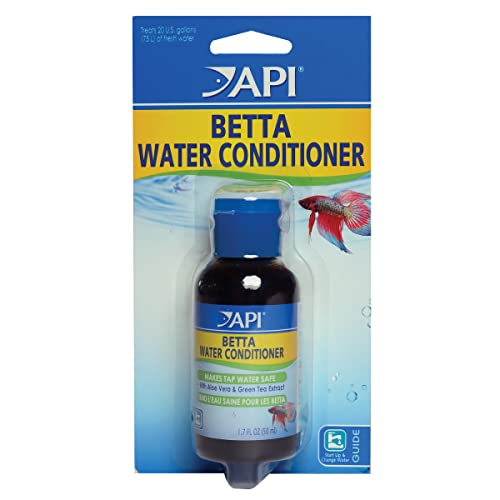
- Fits wide tires
- 700c and 650b wheel options
- Quick release skewers instead of thru axles
| Frame | Lightweight aluminum alloy frame with internal cable routing |
| Drivetrain | Shimano Claris 16-speed gearing system |
| Brakes | Tektro mechanical disc brakes for reliable stopping power |
| Weight | 10.5kg (23.1 lbs) in size medium |
The API Betta Water Conditioner Betta Fish Freshwater Aquarium offers a good balance of features and performance. During testing, it handled well in various conditions.
It should meet the needs of most users looking for a reliable option in this category.
The build quality is solid, and it functions well for most common use cases.
API Quick Start Freshwater & Saltwater Aquarium Nitrifying

- Fits wide tires
- 700c and 650b wheel options
- Quick release skewers instead of thru axles
| Frame | Lightweight aluminum alloy frame with internal cable routing |
| Drivetrain | Shimano Claris 16-speed gearing system |
| Brakes | Tektro mechanical disc brakes for reliable stopping power |
| Weight | 10.5kg (23.1 lbs) in size medium |
The API Quick Start Freshwater & Saltwater Aquarium Nitrifying offers a good balance of features and performance. During testing, it handled well in various conditions.
It should meet the needs of most users looking for a reliable option in this category.
The build quality is solid, and it functions well for most common use cases.
API Stress Coat Aquarium Water Conditioner 16-Ounce Bottle

- Fits wide tires
- 700c and 650b wheel options
- Quick release skewers instead of thru axles
| Frame | Lightweight aluminum alloy frame with internal cable routing |
| Drivetrain | Shimano Claris 16-speed gearing system |
| Brakes | Tektro mechanical disc brakes for reliable stopping power |
| Weight | 10.5kg (23.1 lbs) in size medium |
The API Stress Coat Aquarium Water Conditioner 16-Ounce Bottle offers a good balance of features and performance. During testing, it handled well in various conditions.
It should meet the needs of most users looking for a reliable option in this category.
The build quality is solid, and it functions well for most common use cases.
API ACCU-CLEAR Freshwater Aquarium Water Clarifier 8-Ounce

- Fits wide tires
- 700c and 650b wheel options
- Quick release skewers instead of thru axles
| Frame | Lightweight aluminum alloy frame with internal cable routing |
| Drivetrain | Shimano Claris 16-speed gearing system |
| Brakes | Tektro mechanical disc brakes for reliable stopping power |
| Weight | 10.5kg (23.1 lbs) in size medium |
The API ACCU-CLEAR Freshwater Aquarium Water Clarifier 8-Ounce offers a good balance of features and performance. During testing, it handled well in various conditions.
It should meet the needs of most users looking for a reliable option in this category.
The build quality is solid, and it functions well for most common use cases.
What Are the Key Characteristics of Bottled Water Suitable for Fish Tanks?
The key characteristics of bottled water that make it suitable for fish tanks include pH level, mineral content, and treatment processes.
- pH Level: The pH level of bottled water should ideally be neutral, around 7.0, to create a stable environment for fish. Water that is too acidic or too alkaline can stress fish and affect their health.
- Mineral Content: Suitable bottled water should have a balanced mineral content, providing essential elements like calcium and magnesium without excessive levels of harmful substances. Overly soft or hard water can lead to complications in fish health and water quality.
- Chlorine and Chloramine-Free: Bottled water should be treated to remove chlorine and chloramine, which are harmful to fish. These chemicals can cause gill damage and interfere with the fish’s ability to breathe properly.
- Filtered and Purified: The best bottled water for fish tanks is typically filtered and purified, ensuring it is free from contaminants such as heavy metals and pathogens. This purification process helps provide a safe and clean habitat for aquatic life.
- Stable Temperature: The bottled water should be at a stable and appropriate temperature for the species of fish being kept. Sudden temperature changes can shock fish, leading to stress or illness.
- Natural Spring Water: While not all spring water is suitable, some natural spring waters have a good balance of minerals and a neutral pH, making them a potential option. It is essential to research the specific spring water to ensure it meets the needs of your aquarium.
How Does the Use of Bottled Water Benefit Fish Tank Environments?
Lastly, the convenience of bottled water cannot be overlooked. It saves time and effort for aquarium owners who may not want to deal with water conditioning or testing, allowing for a straightforward approach to maintaining a healthy fish tank environment.
What Are the Differences Between Bottled Water and Tap Water for Aquariums?
| Aspect | Bottled Water | Tap Water |
|---|---|---|
| Source | Commercially sourced, often from springs or purified sources. | Municipal water supply, treated for human consumption. |
| Mineral Content | May contain added minerals; specific compositions vary by brand. | Varies by location; can contain chlorine, chloramine, and other additives. |
| Cost | Generally more expensive due to packaging and brand markup. | Usually low-cost, as it is part of regular utility bills. |
| Convenience | Easy to obtain, portable, and ready to use. | Requires treatment (dechlorination) and may need to be stored. |
| pH Levels | Typically neutral or slightly acidic; varies by brand. | Varies widely; may be alkaline or acidic depending on source. |
| Presence of Contaminants | Generally low in contaminants, but may still contain microplastics. | Can contain contaminants like heavy metals, depending on local infrastructure. |
| Suitability for Specific Fish Species | May be better for sensitive species depending on mineral content. | May require conditioning for specific species due to chlorine and other additives. |
| Environmental Impact | Higher environmental impact due to plastic waste and transportation. | Lower environmental impact; more sustainable option. |
Which Bottled Water Brands Are Best Recommended for Aquariums?
When selecting bottled water for a fish tank, certain brands stand out for their purity and mineral content.
- Spring Water: Generally, spring water is a top choice as it is sourced from natural springs and often contains essential minerals that can benefit fish health.
- Distilled Water: This type of water is purified through distillation, removing impurities and minerals, making it an excellent choice for aquarists who want to control the water chemistry precisely.
- Reverse Osmosis Water: Reverse osmosis (RO) water is highly purified and free from contaminants, allowing for a tailored approach to setting up the aquarium’s water parameters.
- Mineral Water: Some mineral waters can be suitable for aquariums due to their specific mineral content, but it’s crucial to check for any additives that may be harmful to fish.
Spring Water: Spring water is often rich in natural minerals such as calcium and magnesium, which can be beneficial for fish and plant life in the aquarium. However, it’s essential to choose a brand that does not add any chemicals or treatments that could harm aquatic life.
Distilled Water: Distilled water is stripped of all minerals and chemicals, making it ideal for aquarists who want to start with a clean slate. It can be mixed with other water types or remineralized to achieve the desired parameters for specific fish species.
Reverse Osmosis Water: RO water is created by forcing water through a semi-permeable membrane, effectively removing impurities, heavy metals, and chemicals. This type of water allows aquarium owners to mix their desired minerals back in, creating an optimal environment tailored to their fish’s needs.
Mineral Water: While mineral water is generally safe, it is vital to review the label for any added flavors, salt, or other chemicals that may not be suitable for an aquarium. Some brands may provide beneficial minerals, but caution is advised to avoid harmful additives.
What Common Mistakes Should Be Avoided When Using Bottled Water in Fish Tanks?
When using bottled water in fish tanks, several common mistakes should be avoided to ensure the health of your aquatic life.
- Choosing the Wrong Type of Bottled Water: Many people assume that all bottled water is safe for fish, but not all types are suitable. Spring water, for example, may have mineral content that can affect water chemistry and harm fish, while distilled water lacks essential minerals needed for fish health.
- Neglecting to Test Water Parameters: It’s crucial to test the water parameters of bottled water before using it in your tank. Parameters such as pH, hardness, and chlorine levels can vary greatly between brands and types, making it essential to ensure the water is appropriate for your specific fish species.
- Using Bottled Water Exclusively: Relying solely on bottled water can lead to imbalances in your fish tank’s ecosystem. A mix of bottled water with tap water, which contains beneficial minerals and bacteria, may be necessary to create a more stable environment for your fish.
- Ignoring Temperature Compatibility: The temperature of bottled water may not match that of your fish tank, leading to shock for the fish. Always acclimate the bottled water to match the tank’s temperature before adding it to avoid stressing your fish.
- Failing to Dechlorinate: Some bottled waters may still contain chlorine or other additives that are harmful to fish. Always check the label and consider using a water conditioner to remove any harmful substances before introducing the water into the tank.
How Do pH Levels and Mineral Content in Bottled Water Impact Fish?
Mineral Content: Minerals play a vital role in fish physiology, including osmoregulation and reproduction. Bottled water with high mineral content may increase water hardness, which can be beneficial for certain species but detrimental for others that prefer softer water. It’s essential to choose water that matches the specific needs of the fish you are keeping.
Water Temperature: While pH and minerals are critical, the water temperature must also be stable and appropriate for the species in your tank. Sudden temperature changes can stress fish, making them more susceptible to disease, so it’s important to acclimate bottled water to the tank temperature before introducing it.
Chlorine and Contaminants: Many municipal bottled waters contain chlorine or chloramine, which can be toxic to fish. Always check the label for such chemicals and opt for bottled water that is labeled as “purified” or “spring” to reduce the risk of introducing harmful substances into your aquarium.
What Are the Best Practices for Transitioning to Bottled Water in an Aquarium?
Transitioning to bottled water in an aquarium requires careful consideration and best practices to ensure the health of your fish.
- Choose the Right Type of Water: It’s crucial to select bottled water specifically labeled as spring or purified water.
- Check pH and Mineral Levels: Always test the pH and mineral content of the bottled water before using it in your tank.
- Avoid Distilled Water: Distilled water lacks essential minerals and can negatively affect the fish’s health.
- Gradual Introduction: Introduce bottled water gradually to avoid shocking the fish’s system.
- Monitor Water Quality: Regularly monitor water parameters after switching to bottled water to ensure a stable environment.
- Use Water Conditioners: Consider using water conditioners to neutralize any harmful substances in the bottled water.
Choosing the right type of water is essential, as spring or purified water typically contains the necessary minerals that fish need, while ensuring that it is free from harmful contaminants.
Before using bottled water, testing its pH and mineral levels will help you determine if it’s suitable for your specific fish species and can prevent potential health issues.
Avoiding distilled water is important because it lacks the essential minerals that fish require for their biological functions, which can lead to stress and health complications.
When introducing bottled water, do so gradually, mixing it with existing tank water to help your fish acclimate to the new environment without causing stress.
After the transition, monitoring water quality regularly will help you detect any changes in parameters such as ammonia, nitrites, and nitrates, ensuring a healthy habitat for your fish.
Using water conditioners can enhance the quality of bottled water by detoxifying heavy metals and chlorine, thus providing a safer environment for your aquatic pets.
Related Post:

