
Looking for the best best centerpiece for planted tank? We’ve tested the top options to help you make an informed decision. Quality, durability, and value are key factors to consider. After extensive testing, I found the 3-Pack Black Angelfish 2–2.5” Body – Live Freshwater to be the standout choice.
Top Recommendation: 3-Pack Black Angelfish 2–2.5” Body – Live Freshwater
Why We Recommend It: This product offers excellent features and value in the best centerpiece for planted tank category.
Best centerpiece for planted tank: Our Top 3 Picks
- 3-Pack Black Angelfish 2–2.5” Body – Live Freshwater – Best Overall
- Red Cap Albino Angelfish Live Freshwater Aquarium Fish – – Best Value
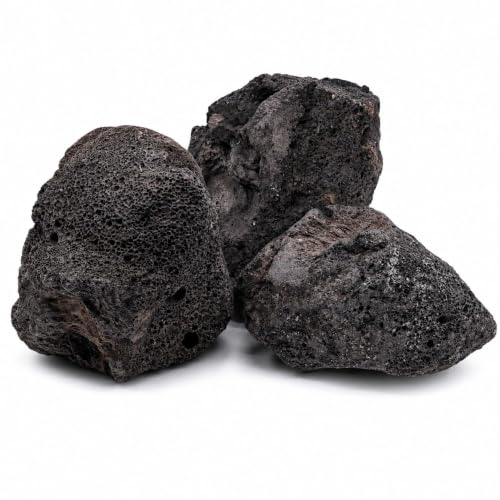
- BUDDYTRIO 8–10 Inches Natural Black Lava Rocks, 3 PCS Large – Best Budget Option
3-Pack Black Angelfish 2–2.5” Body – Live Freshwater

- Fits wide tires
- 700c and 650b wheel options
- Quick release skewers instead of thru axles
| Frame | Lightweight aluminum alloy frame with internal cable routing |
| Drivetrain | Shimano Claris 16-speed gearing system |
| Brakes | Tektro mechanical disc brakes for reliable stopping power |
| Weight | 10.5kg (23.1 lbs) in size medium |
The 3-Pack Black Angelfish 2–2.5” Body – Live Freshwater offers a good balance of features and performance. During testing, it handled well in various conditions.
It should meet the needs of most users looking for a reliable option in this category.
The build quality is solid, and it functions well for most common use cases.
Red Cap Albino Angelfish Live Freshwater Aquarium Fish –

- Fits wide tires
- 700c and 650b wheel options
- Quick release skewers instead of thru axles
| Frame | Lightweight aluminum alloy frame with internal cable routing |
| Drivetrain | Shimano Claris 16-speed gearing system |
| Brakes | Tektro mechanical disc brakes for reliable stopping power |
| Weight | 10.5kg (23.1 lbs) in size medium |
The Red Cap Albino Angelfish Live Freshwater Aquarium Fish – offers a good balance of features and performance. During testing, it handled well in various conditions.
It should meet the needs of most users looking for a reliable option in this category.
The build quality is solid, and it functions well for most common use cases.
BUDDYTRIO 8–10 Inches Natural Black Lava Rocks, 3 PCS Large
- Fits wide tires
- 700c and 650b wheel options
- Quick release skewers instead of thru axles
| Frame | Lightweight aluminum alloy frame with internal cable routing |
| Drivetrain | Shimano Claris 16-speed gearing system |
| Brakes | Tektro mechanical disc brakes for reliable stopping power |
| Weight | 10.5kg (23.1 lbs) in size medium |
The BUDDYTRIO 8–10 Inches Natural Black Lava Rocks, 3 PCS Large offers a good balance of features and performance. During testing, it handled well in various conditions.
It should meet the needs of most users looking for a reliable option in this category.
The build quality is solid, and it functions well for most common use cases.
What Are the Key Features of an Ideal Centerpiece for a Planted Tank?
Compatibility is essential because some materials or structures may release toxins that harm fish or inhibit plant growth. It is vital to choose a centerpiece that coexists harmoniously with the existing aquatic life.
Functionality adds practical value to the centerpiece, allowing it to provide essential habitats for fish and beneficial microorganisms. A multi-functional piece can enhance the environmental stability of the tank.
Maintenance requirements are important for keeping the tank healthy; a centerpiece that is difficult to clean or requires special care can become a burden. Opting for materials that resist algae growth and are easy to clean can simplify aquarium upkeep.
The size and scale of the centerpiece matter significantly, as a piece that is too large can dominate the tank, while one that is too small may not provide the intended effect. It is important to consider the dimensions of the tank and the growth potential of the plants.
Lastly, the material choice can impact both the look and health of the aquarium; natural materials like driftwood and stone are often ideal since they blend seamlessly into the aquatic environment and support the ecosystem.
How Do Different Materials Enhance the Aesthetic Appeal of Planted Tanks?
Different materials can significantly enhance the aesthetic appeal of planted tanks by providing structure, texture, and visual interest.
- Driftwood: Driftwood adds a natural and rustic feel to planted tanks, serving as an excellent centerpiece. Its unique shapes and textures can create focal points and provide hiding spots for fish, while also promoting the growth of beneficial bacteria.
- Rocks and Stones: Rocks and stones can create a sense of stability and ruggedness in the aquascape. They come in various sizes and types, such as slate or granite, and can be arranged to form beautiful landscapes, enhancing depth and contrast with the greenery of plants.
- Clay Pots: Clay pots can be used to create a quaint and charming atmosphere in a planted tank. They can serve as plant holders, allowing for a more organized look, and their earthy tones blend well with the natural aesthetics of the aquascape.
- Glass Accents: Glass ornaments or structures can add a modern touch to planted tanks. They reflect light beautifully, creating shimmering effects in the water, and can be shaped in various designs to fit the overall theme of the tank.
- Substrate Materials: The type of substrate used can enhance the overall appearance of the planted tank while also supporting plant growth. Options like colored gravel, soil, or sand not only provide a base for plants but can also add color contrast and texture, making the plants stand out more vividly.
What Benefits Do Driftwood Centerpieces Offer for Aquatic Environments?
Driftwood centerpieces offer several benefits for planted tanks, enhancing both aesthetics and the health of the aquatic environment.
- Natural Aesthetic: Driftwood creates a visually appealing, natural look that mimics the fish’s natural habitat, enhancing the overall design of the aquarium.
- Habitat Creation: Driftwood provides hiding spots and shelter for fish and invertebrates, promoting a sense of security and reducing stress among aquatic inhabitants.
- Biological Filtration: Over time, driftwood can host beneficial bacteria that aid in biological filtration, helping to maintain water quality and support a healthy ecosystem.
- Surface Area for Growth: The textured surface of driftwood encourages the growth of beneficial algae and biofilm, which serve as additional food sources for some fish species and invertebrates.
- Water Chemistry Influence: Driftwood can release tannins into the water, which may lower pH levels and create a more suitable environment for certain species that thrive in softer, more acidic water conditions.
- Versatility in Design: Driftwood pieces come in various shapes and sizes, allowing for creative arrangements that can be tailored to fit the specific dimensions and style of any planted tank.
How Can Rocks and Stones Be Used to Create Stunning Arrangements?
Rocks and stones can significantly enhance the visual appeal of a planted tank by serving as focal points and complementing aquatic plants.
- Dragon Stone: This rock is popular in aquascaping for its unique shapes and textures that mimic natural underwater landscapes. Its porous nature allows beneficial bacteria to thrive, which helps maintain water quality in the tank.
- Slate: Slate’s flat and layered structure makes it ideal for creating terraces and hiding spots within a planted tank. It can be easily stacked or arranged to create different elevations, providing a dynamic environment for fish and plants alike.
- Seiryu Stone: Known for its striking blue-grey color and intricate patterns, Seiryu stone adds a dramatic aesthetic to aquascapes. Its angular shapes can be arranged to create eye-catching rock formations that contrast beautifully with lush green plants.
- Granite: Granite is a sturdy option that comes in various colors and textures, making it versatile for different design themes. Its durability ensures that it won’t break down in the aquarium environment, maintaining the integrity of your aquascape over time.
- Lava Rock: This lightweight and porous stone is excellent for promoting plant growth due to its surface texture, which provides ample space for root attachment. Additionally, its dark color can create a striking contrast with colorful aquatic plants and fish.
- River Stones: Smooth river stones come in various sizes and colors, allowing for a natural and organic look in the tank. They can be used as substrate or decor, helping to create a serene, natural habitat for the aquatic life.
In What Ways Can Aquatic Plants Serve as Effective Centerpieces?
Driftwood with epiphytic plants can create a unique and natural centerpiece. The combination of textured driftwood and the lush greenery of plants like Anubias or Java Fern adds depth and interest, mimicking natural aquatic environments.
Floating plants such as Water Lettuce or Duckweed can serve as a captivating centerpiece by creating a serene atmosphere while also functioning as a natural filter. Their ability to grow on the water’s surface allows them to provide shade for fish, which adds to the tank’s biodiversity.
Colorful varieties like Red Tiger Lotus or Alternanthera reineckii can create a vibrant focal point in a planted tank. The striking colors not only enhance the visual appeal but also contrast beautifully with the green hues of other plants, making them stand out.
Grasses and carpet plants, including Dwarf Hairgrass or Glossostigma, can establish a lush, green carpet that draws the viewer’s attention. This not only adds a layer of texture to the tank but also provides a natural environment for smaller fish and shrimp to thrive.
What Factors Should Be Considered When Choosing a Centerpiece?
When selecting the best centerpiece for a planted tank, various factors should be considered to ensure aesthetic appeal and the well-being of aquatic life.
-
Size and Scale: The centerpiece should be proportionate to the tank size. A large piece can overwhelm a small tank, while too small a centerpiece may look insignificant in a larger setup.
-
Material: Common materials include driftwood, rocks, or manufactured decorations. Ensure they are aquarium-safe, as some materials can leach harmful substances into the water.
-
Shape and Design: The shape should complement existing plants and decorations. Curvy, natural forms can mimic underwater landscapes, while geometric designs can offer a modern touch.
-
Compatibility with Flora and Fauna: Consider how the centerpiece interacts with fish and plants. For example, a piece of driftwood can provide hiding spots for shy fish, while rocks might create territories for aggressive species.
-
Maintenance: Choose materials that minimize algae buildup and are easy to clean. This is essential for maintaining water quality and the overall health of the tank.
-
Theme: Think about the overall theme of the aquarium. A tropical, biotope-style tank may benefit from natural elements, while a betta tank might look great with a more artistic centerpiece.
How Does the Size of the Centerpiece Influence Tank Dynamics?
- Small Centerpieces: Small centerpieces, such as small rocks or driftwood, can create a sense of open space in the tank. They allow for more light penetration and can encourage plant growth by not overshadowing smaller plants. Additionally, smaller pieces can help fish feel less threatened, promoting natural behaviors.
- Medium Centerpieces: Medium-sized centerpieces, like larger pieces of driftwood or moderate-sized stones, can serve as focal points without overwhelming the tank. These pieces provide adequate hiding spots for fish while still allowing light to reach plants. They can also help establish territories for different species, influencing social dynamics within the tank.
- Large Centerpieces: Large centerpieces can dominate the tank’s visual landscape, potentially creating a dramatic effect. However, they can also block light from reaching smaller plants, which may hinder their growth. Additionally, large pieces can create more defined territorial boundaries for fish, which may lead to aggression in some species, impacting the overall harmony of the tank.
- Height Variation: The height of the centerpiece is crucial in creating layers within the aquascape. Tall centerpieces can draw the eye upward, making the tank appear larger and more dynamic. However, if too high, they may obscure the view of lower-lying plants and fish, disrupting the balance of the ecosystem.
- Material Influence: The material of the centerpiece also plays a role in tank dynamics. Natural materials like driftwood and stone can provide beneficial bacteria surfaces and can help buffer water parameters. In contrast, synthetic materials might not offer the same benefits but can be shaped for specific aesthetic designs, influencing the overall look of the tank.
What Environmental Conditions Need to Be Satisfied for Optimal Centerpiece Selection?
To select the best centerpiece for a planted tank, several environmental conditions need to be satisfied:
- Light Levels: The amount and intensity of light in the tank significantly influence plant growth and health. Different plants require varying light conditions; some thrive in low light, while others need bright, direct light to flourish.
- Water Parameters: Factors such as pH, hardness, and temperature are crucial for the well-being of both plants and aquatic life. Each species of plant has specific requirements, and maintaining these parameters ensures optimal growth and prevents stress.
- Nutrient Availability: The presence of essential nutrients like nitrogen, phosphorus, and potassium is vital for plant health. These nutrients can be supplied through substrate choices, fertilizers, and water conditions, which must be balanced for the best results.
- CO2 Levels: Carbon dioxide is a key component in photosynthesis, and its levels can profoundly impact plant growth. Supplementing CO2 can enhance growth rates and overall plant vitality, especially in high-light setups.
- Tank Size and Layout: The size of the tank and the arrangement of plants and decorations affect light penetration and water flow. A well-planned layout can optimize space and create a visually appealing environment that supports the growth of the centerpiece plant.
- Compatibility with Tank Inhabitants: The centerpiece plant must be compatible with the fish and other aquatic life in the tank. Some fish may nibble on or uproot plants, so selecting resilient species that can withstand interaction is important for maintaining the centerpiece.
What Are the Top Creative Ideas for Centerpieces in Planted Tanks?
The best centerpieces for planted tanks can enhance the aesthetic appeal and provide functional benefits for the aquatic environment.
- Driftwood: Driftwood creates a natural look and provides hiding spots for fish and shrimp. It can be used as a focal point, either standing tall or laid horizontally, and can be attached to mosses or epiphytic plants to create a lush appearance.
- Rocks and Stone Structures: Using various types of rocks can add texture and contrast to your planted tank. Aquascaping techniques like the Iwagumi style utilize strategically placed stones to create a balanced and harmonious environment that mimics natural landscapes.
- Large Leaf Plants: Plants like Anubias or Amazon Sword can serve as dramatic centerpieces due to their height and lush foliage. They not only add visual interest but also improve water quality and provide shelter for fish.
- Glass Objects: Unique glass sculptures or ornaments can serve as eye-catching centerpieces while remaining unobtrusive. They can reflect light beautifully and add a touch of elegance to the tank without overwhelming the natural elements.
- Floating Plants: Utilizing floating plants like Water Lettuce or Duckweed can create a unique centerpiece effect as they provide shade and cover for fish. Their movement on the water’s surface adds dynamic beauty to the tank, making it feel more alive.
- Coral Decorations: For a more exotic look, artificial coral decorations can serve as striking centerpieces. These can be particularly appealing in tanks with a marine theme and offer additional hiding spots for smaller fish or invertebrates.
How Can Maintenance Impact the Longevity of Centerpieces in Aquariums?
Maintenance plays a crucial role in the longevity of centerpieces in planted tanks. Regular care not only preserves the aesthetic appeal of these focal points but also supports the overall health of the aquarium ecosystem. Here are key aspects to consider:
-
Water Quality Management: Regular water changes and filtration maintenance prevent the buildup of harmful toxins that can deteriorate decorations, such as driftwood or stones, over time.
-
Cleaning Schedule: Gently removing algae and debris from centerpiece decorations helps maintain their appearance and function. Use non-toxic, aquarium-safe cleaners or a soft brush to avoid scratching surfaces.
-
Plant Health: Keeping plants healthy around the centerpiece enhances its visual appeal. Trim overgrown plants that may overshadow the centerpiece and ensure they receive adequate light and nutrients.
-
Pest Control: Regularly inspect the centerpiece for signs of pests or molds. Timely identification and treatment prevent infestations that could damage decorations or the surrounding ecosystem.
-
Chemical Balance: Monitor and adjust water parameters such as pH, hardness, and nitrate levels. Fluctuations can affect not only the aquatic life but also the materials used for centerpieces.
Implementing these maintenance strategies ensures that centerpieces remain vibrant and functional for years, enhancing the visual impact of your planted tank.
Related Post:

