
Looking for the best best environment for a goldfish? We’ve tested the top options to help you make an informed decision. Quality, durability, and value are key factors to consider. After extensive testing, I found the Toledo Goldfish Comet Feeder Goldfish: Live Feeder Goldfish to be the standout choice.
Top Recommendation: Toledo Goldfish Comet Feeder Goldfish: Live Feeder Goldfish
Why We Recommend It: This product offers excellent features and value in the best environment for a goldfish category.
Best environment for a goldfish: Our Top 2 Picks
- Toledo Goldfish Comet Feeder Goldfish: Live Feeder Goldfish – Best Overall
- Toledo Goldfish Live Shubunkin and Comet Goldfish Combo, – Best Value
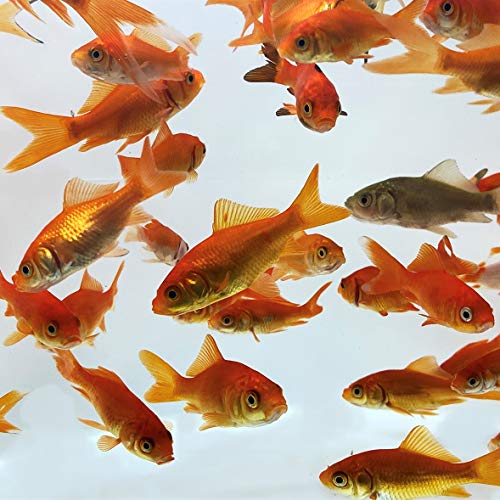
Toledo Goldfish Comet Feeder Goldfish: Live Feeder Goldfish
- Fits wide tires
- 700c and 650b wheel options
- Quick release skewers instead of thru axles
| Frame | Lightweight aluminum alloy frame with internal cable routing |
| Drivetrain | Shimano Claris 16-speed gearing system |
| Brakes | Tektro mechanical disc brakes for reliable stopping power |
| Weight | 10.5kg (23.1 lbs) in size medium |
The Toledo Goldfish Comet Feeder Goldfish: Live Feeder Goldfish offers a good balance of features and performance. During testing, it handled well in various conditions.
It should meet the needs of most users looking for a reliable option in this category.
The build quality is solid, and it functions well for most common use cases.
Toledo Goldfish Live Shubunkin and Comet Goldfish Combo,

- Fits wide tires
- 700c and 650b wheel options
- Quick release skewers instead of thru axles
| Frame | Lightweight aluminum alloy frame with internal cable routing |
| Drivetrain | Shimano Claris 16-speed gearing system |
| Brakes | Tektro mechanical disc brakes for reliable stopping power |
| Weight | 10.5kg (23.1 lbs) in size medium |
The Toledo Goldfish Live Shubunkin and Comet Goldfish Combo, offers a good balance of features and performance. During testing, it handled well in various conditions.
It should meet the needs of most users looking for a reliable option in this category.
The build quality is solid, and it functions well for most common use cases.
What Are the Essential Water Requirements for a Goldfish?
Oxygenation is vital since goldfish are active swimmers that require oxygen-rich water. Using an air pump or ensuring surface agitation aids in maintaining the necessary oxygen levels.
Proper filtration not only removes waste but also helps in the biological filtration process, breaking down harmful ammonia and nitrites into less toxic substances. A well-maintained filter will significantly contribute to a stable aquatic environment.
Water hardness is another important aspect, as it influences the fish’s ability to maintain proper osmotic balance. Testing and adjusting hardness levels can enhance goldfish health and prevent stress-related issues.
What Temperature Is Optimal for Goldfish Living Conditions?
Goldfish are somewhat resilient to seasonal variations in temperature, but they can experience stress if the water temperature changes too rapidly. This stress can lead to health issues such as weakened immunity or diseases, making it essential to keep temperature fluctuations minimal.
In colder climates, maintaining the desired water temperature may require the use of heaters. When selecting a heater, ensure it is appropriate for the size of the tank and can maintain a consistent temperature to provide a stable environment for your goldfish.
How Does pH Level Affect Goldfish Health?
- Optimal pH Range: Goldfish thrive in a pH range of 6.5 to 7.5, which mimics their natural habitat.
- Acidity and Alkalinity Effects: Too low or too high pH levels can lead to stress and health issues for goldfish.
- Behavioral Changes: Fluctuations in pH can cause goldfish to display unusual behavior, indicating discomfort or distress.
- Impact on Ammonia Toxicity: The pH level influences the toxicity of ammonia, which can be lethal to goldfish in high concentrations.
- Importance of Regular Monitoring: Regularly testing the pH level helps maintain a stable environment, promoting the health of goldfish.
Too low or too high pH levels can lead to stress and health issues for goldfish. For instance, a low pH can increase the solubility of toxic metals in the water, while a high pH can exacerbate the toxicity of ammonia, making it crucial to maintain balance.
Fluctuations in pH can cause goldfish to display unusual behavior, indicating discomfort or distress. They may become lethargic, stop eating, or exhibit erratic swimming patterns, all of which signal that their environment is not suitable.
The pH level influences the toxicity of ammonia, which can be lethal to goldfish in high concentrations. Higher pH levels convert ammonia into a more toxic form, which can overwhelm a goldfish’s ability to detoxify, leading to severe health consequences.
Regularly testing the pH level helps maintain a stable environment, promoting the health of goldfish. Using pH test kits allows fishkeepers to make necessary adjustments, ensuring a thriving aquarium ecosystem.
Why Is Water Hardness Important for Goldfish?
According to the University of Florida’s Institute of Food and Agricultural Sciences, the ideal water hardness for goldfish ranges between 100 to 200 ppm (parts per million). This level of hardness ensures that goldfish have access to calcium and magnesium, which are vital for processes such as muscle contraction, nerve function, and osmoregulation.
The underlying mechanism involves the role of minerals in maintaining cellular functions and structural integrity. Calcium, for instance, is crucial for forming strong bones and scales in goldfish, while magnesium plays a role in enzyme function and energy production. Soft water, which lacks these essential minerals, can lead to stress, weakened immune responses, and susceptibility to diseases. Conversely, overly hard water can lead to mineral buildup in the fish’s tissues, potentially causing health issues like kidney problems or even death if left unaddressed.
Furthermore, water hardness can also influence the behavior of goldfish. In a properly balanced environment, goldfish are more likely to exhibit natural behaviors, such as swimming, foraging, and exploring their habitat. A suitable level of hardness helps create a stable environment that mimics their natural habitat, thereby reducing stress and promoting a longer, healthier life for the fish.
What Size Aquarium Is Ideal for Keeping Goldfish Healthy?
A 30-gallon tank is better suited for housing multiple goldfish, allowing for their social interactions while keeping the water cleaner due to the larger volume. This size also helps mitigate territorial disputes that may arise in smaller environments.
For those looking to keep several goldfish together, a 50-gallon tank is optimal; it minimizes the stress of overcrowding and supports a more stable ecosystem, which is beneficial for maintaining healthy water conditions.
An effective filtration system becomes increasingly important in larger tanks, as it helps manage the waste produced by goldfish, keeping the water clean and safe for their health. High-quality filtration systems can also aid in maintaining the oxygen levels essential for goldfish survival.
Controlling water temperature is critical in larger aquariums, as fluctuations can lead to stress and susceptibility to illness. Maintaining a consistent temperature in a 50-gallon or larger tank makes it easier to create a stable environment for goldfish.
How Many Goldfish Can Comfortably Live Together in One Tank?
The number of goldfish that can comfortably live together in one tank depends on several factors, including tank size, filtration, and the species of goldfish.
- Tank Size: The size of the tank plays a crucial role in determining how many goldfish can live together. A general rule of thumb is to provide at least 20 gallons of water for the first goldfish, with an additional 10 gallons for each subsequent fish. This space allows for adequate swimming room and helps maintain water quality.
- Goldfish Species: Different species of goldfish have varying needs and sizes. For example, fancy goldfish such as Orandas and Ryukins are typically smaller and can be kept in smaller groups compared to larger breeds like Comets or Koi, which require much more space. Understanding the specific requirements of the species you choose is essential for their well-being.
- Filtration and Water Quality: A good filtration system is vital for maintaining a healthy environment for goldfish, as they produce a lot of waste. High-quality filters help to keep the water clean, reducing the frequency of water changes needed. When multiple goldfish are housed together, it’s important to ensure that the filter can handle the bioload, which increases with each additional fish.
- Social Dynamics: Goldfish are social creatures but can exhibit aggressive behavior, especially in crowded conditions. It’s important to monitor their interactions and be ready to separate them if aggression arises. Providing hiding spots and decorations can help mitigate stress and territorial disputes among tank mates.
- Maintenance and Care: Regular maintenance such as water changes, substrate cleaning, and monitoring water parameters is necessary for a group of goldfish. The more fish you have, the more diligent you need to be in maintaining the tank to prevent issues such as ammonia spikes or algae blooms, which can harm the fish.
What Type of Filtration System Is Best for Goldfish Habitats?
The best filtration systems for goldfish habitats focus on maintaining clean water while accommodating the specific needs of goldfish.
- Canister Filters: These are highly effective for larger aquariums and can handle substantial amounts of water. They offer multi-stage filtration, including mechanical, chemical, and biological processes, which is essential for managing the waste produced by goldfish.
- Hang-on-Back (HOB) Filters: These are popular for smaller tanks due to their ease of installation and maintenance. They provide efficient water movement and filtration, but may require frequent cleaning as goldfish can produce a lot of waste.
- Sponge Filters: Ideal for breeding tanks or smaller setups, sponge filters provide gentle filtration through sponge media. They are air-driven, creating surface agitation which helps oxygenate the water, important for goldfish health.
- Internal Filters: These are compact and fit inside the aquarium, making them suitable for smaller environments. They provide good filtration and circulation, but their capacity may be limited, requiring regular maintenance to ensure water quality.
- Substrate Filters: While less common, substrate filters can be beneficial in goldfish tanks as they use the substrate itself for biological filtration. They help in breaking down waste and can also serve as a breeding ground for beneficial bacteria, although they might require more maintenance to prevent clogging.
How Does Proper Filtration Support Goldfish Survival and Growth?
- Mechanical Filtration: This type of filtration physically removes debris and particulate matter from the water, such as uneaten food and fish waste.
- Chemical Filtration: Chemical filters use substances like activated carbon to remove toxins and impurities from the water, which can harm goldfish if left unchecked.
- Biological Filtration: This method involves beneficial bacteria that break down harmful ammonia and nitrites produced by goldfish waste, converting them into less toxic nitrates.
- Filtration Flow Rate: The flow rate of the filter is crucial; it should be adequate to ensure proper water circulation while avoiding excessive currents that can stress goldfish.
- Maintenance of Filter System: Regular cleaning and replacement of filter media are necessary to ensure that the filtration system operates effectively and continues to maintain water quality.
Mechanical filtration helps keep the water clear by trapping solid waste, which is essential for the visual appeal of the aquarium and the health of the goldfish, as high levels of debris can lead to stress and disease.
Chemical filtration not only improves water clarity but also plays a crucial role in removing harmful substances such as chlorine, chloramines, and heavy metals that could adversely affect goldfish health and growth.
Biological filtration is perhaps the most important aspect, as it establishes a natural ecosystem within the aquarium; beneficial bacteria thrive in filter media, helping to cycle the tank and maintain stable water parameters, which are vital for the growth and longevity of goldfish.
The filtration flow rate needs to be balanced; while goldfish benefit from well-oxygenated water, too strong of a current can make swimming difficult and stressful, particularly for young or weaker fish.
Lastly, the maintenance of the filter system ensures that it continues to function properly over time; neglecting this can lead to declining water quality, which directly impacts the health, growth, and lifespan of goldfish.
What Should the Ideal Tank Setup Look Like for Goldfish?
To create the best environment for a goldfish, the tank setup plays a crucial role in ensuring the health and happiness of these aquatic pets. Here’s what an ideal tank setup should resemble:
-
Tank Size: A minimum of 20 gallons is recommended for a single goldfish. Larger tanks are better, especially if more than one fish will be housed.
-
Filtration: A high-quality filter is essential. Goldfish produce a lot of waste, so an efficient filtration system helps maintain water quality and clarity.
-
Heater: While some goldfish can thrive in cooler temperatures, a heater may be necessary if the environment gets too cold. Ideal temperatures range between 65°F and 75°F.
-
Substrate: Use a soft substrate, such as fine gravel or sand, to prevent injury to their delicate fins. Avoid sharp materials.
-
Decor and Plants: Incorporate smooth decorations and live or silk plants. Plants provide hiding spots and help maintain water quality.
-
Water Quality: Regularly test and maintain water parameters, including pH (around 7.0 to 7.5), ammonia, nitrite, and nitrate levels.
-
Lighting: Moderate lighting is recommended. Too much light can promote algae growth, and goldfish prefer subdued lighting conditions.
Providing a proper tank setup enhances the quality of life for goldfish and promotes their well-being.
How Do Decorations and Plants Enhance Goldfish Environments?
Natural filtration is another significant benefit of incorporating live plants into a goldfish tank. These plants not only absorb excess nutrients that can lead to algae blooms but also produce oxygen, creating a healthier environment for the fish.
Decorations and substrate in the aquarium can significantly enhance the surface area for beneficial bacteria, which are vital for processing waste. This process helps maintain a stable nitrogen cycle, preventing harmful spikes in ammonia and nitrite levels that can endanger goldfish.
Visual stimulation is important for goldfish, as a variety of shapes, colors, and textures in the aquarium can encourage exploration and natural behaviors. This enrichment is essential for their mental health and can lead to a more active and engaged fish.
Lastly, plants and decorations can aid in temperature regulation within the aquarium. By providing shaded areas, goldfish can escape direct light and find cooler spots, which can be particularly important in warmer climates or during summer months.
What Are the Best Substrates for Goldfish Aquariums?
The best substrates for goldfish aquariums provide a safe, comfortable, and aesthetically pleasing environment for the fish.
- Sand: Sand is a popular substrate option that is gentle on goldfish fins and allows for easy digging behavior. Its fine texture helps to mimic a natural habitat and prevents debris from accumulating, which can lead to poor water quality.
- Gravel: Gravel comes in various sizes and colors, providing a customizable look for the aquarium. It is important to choose smooth, rounded gravel to prevent injury to the goldfish and ensure that it is not too small, which could be ingested.
- Plant substrates: Plant substrates are specially formulated to support aquatic plants, making them ideal for a planted goldfish tank. These substrates often contain nutrients that can benefit both plants and fish while providing a natural aesthetic.
- Marble chips: Marble chips are a durable and visually appealing substrate option that can enhance the tank’s appearance. They are easy to clean and maintain, but care should be taken to ensure that the sharp edges do not harm the goldfish.
- Bare bottom: A bare bottom tank eliminates substrate altogether, making cleaning and maintenance easier. This option is especially beneficial for larger goldfish, as it prevents substrate ingestion and allows for easy monitoring of waste and debris.
How Can You Maintain Optimal Water Quality in a Goldfish Tank?
Maintaining optimal water quality is crucial for the health of goldfish. Key factors to monitor include ammonia, nitrite, nitrate levels, pH, and temperature.
-
Ammonia and Nitrite Levels: Both should stay at 0 ppm. Ammonia is toxic to goldfish even in low concentrations. To keep levels low, avoid overfeeding and ensure that the tank has a proper filtration system that supports beneficial bacteria.
-
Nitrate Levels: Aim for under 40 ppm. High nitrate can stress goldfish, leading to health issues. Regular water changes (about 10-20% weekly) help reduce nitrate levels.
-
pH Balance: Goldfish thrive in a pH range of 7.0 to 8.4. Use a pH test kit to monitor and adjust as needed with appropriate products to ensure stability.
-
Temperature: Maintain water temperature between 65°F and 75°F (18°C to 24°C). Goldfish are cold-water fish, and sudden temperature changes can be harmful. Use a heater with caution and ensure it’s suitable for your tank size.
-
Regular Testing: Invest in reliable test kits for ammonia, nitrites, nitrates, and pH. Routine checks provide a clear picture of your tank’s health.
By focusing on these elements, you can create a stable and healthy environment for your goldfish.
How Frequently Should You Change the Water in a Goldfish Aquarium?
Regular testing of water parameters allows for proactive management of the aquarium, ensuring that conditions remain ideal for goldfish to thrive.
Additionally, paying attention to the behavior of the goldfish can provide important cues; if they appear stressed, it may indicate that water quality is deteriorating and requires immediate attention.
What Key Parameters Should You Monitor for Healthy Water Quality?
To maintain a healthy environment for a goldfish, several key water quality parameters should be monitored:
- Temperature: The ideal temperature range for goldfish is typically between 65°F to 75°F (18°C to 24°C). Maintaining this temperature range is crucial as extreme fluctuations can stress fish, affecting their immune systems and overall health.
- pH Level: Goldfish thrive in a pH range of 6.5 to 7.5. Regularly testing the pH helps ensure that the water is neither too acidic nor too alkaline, which can lead to health issues and discomfort for the fish.
- Ammonia Levels: Ammonia should be kept at 0 ppm (parts per million), as even low levels can be toxic to goldfish. Monitoring ammonia levels is essential, especially in new tanks or after feeding, to prevent harmful buildup from fish waste and uneaten food.
- Nitrite Levels: Like ammonia, nitrite should also be at 0 ppm, as it is harmful to goldfish. Nitrite is a byproduct of the nitrogen cycle and can accumulate if the biological filtration is not adequate, leading to serious health risks for the fish.
- Nitrate Levels: While less harmful than ammonia and nitrite, nitrates should be kept below 40 ppm for optimal health. Regular water changes and proper filtration can help keep nitrate levels low, promoting a healthier environment for the goldfish.
- Hardness: The water hardness, or the concentration of dissolved minerals, should generally fall between 70-150 ppm. Proper hardness levels support goldfish health by ensuring they have access to necessary minerals, which aid in their physiological functions.
- Dissolved Oxygen: Goldfish require well-oxygenated water, ideally with oxygen levels above 5 mg/L. Adequate aeration, through surface agitation or air stones, helps maintain oxygen levels, supporting the metabolic needs of the fish.
What Common Mistakes Should Be Avoided in Goldfish Care?
Common mistakes in goldfish care can significantly impact their health and well-being.
- Inadequate Tank Size: Many beginners underestimate the space goldfish require, often placing them in small bowls or tanks.
- Poor Water Quality: Goldfish are sensitive to water conditions, and neglecting regular testing and maintenance can lead to harmful environments.
- Overfeeding: It’s easy to overfeed goldfish, but excessive food can cause digestive issues and water contamination.
- Lack of Proper Filtration: Goldfish produce a lot of waste, so a suitable filtration system is crucial for maintaining a healthy ecosystem.
- Ignoring Temperature Needs: Goldfish thrive in specific temperature ranges, and failing to monitor or adjust the water temperature can stress them.
- Incompatible Tank Mates: Not all fish get along with goldfish, and choosing inappropriate tank mates can lead to aggression and stress.
- Neglecting Regular Maintenance: Regular cleaning and water changes are essential, but some owners forget to keep up with these tasks.
Inadequate tank size can lead to stunted growth and health issues, as goldfish need ample space to swim and develop properly. A minimum of 20 gallons is recommended for one goldfish, with additional space for each additional fish.
Poor water quality is another critical issue; goldfish produce a high amount of waste, which can lead to ammonia spikes if not monitored. Regular water changes and using water conditioners can help maintain safe levels.
Overfeeding is a frequent mistake, as it can lead to obesity and other health problems. Offering small amounts of food multiple times a day is preferable to a large feeding once a day.
A lack of proper filtration can quickly lead to a toxic environment; the filtration system helps manage waste and keeps the water clean. Choosing a filter suitable for the size of the tank and the number of goldfish is vital.
Ignoring temperature needs can cause stress, as goldfish prefer cooler water, typically between 65°F and 75°F. Sudden changes in temperature can lead to shock, affecting their immune system.
Incompatible tank mates can cause stress and aggression; goldfish should be housed with similarly sized and temperamented fish. Small or aggressive species can nip at goldfish, which can result in injury.
Neglecting regular maintenance can lead to a buildup of harmful substances and algae growth. Establishing a routine for cleaning the tank and changing a portion of the water weekly is essential for a healthy environment.
What Care Practices Can Harm the Environment of Your Goldfish?
Several care practices can negatively impact the environment of your goldfish:
- Overfeeding: Excess food can lead to water pollution as uneaten fish food decomposes and increases ammonia levels in the tank.
- Inadequate filtration: A weak or insufficient filtration system fails to properly clean the water, causing harmful toxins to accumulate.
- Neglecting water changes: Failing to perform regular water changes can result in elevated nitrate levels and a buildup of waste products, harming the fish’s health.
- Using harmful chemicals: Adding medications or treatments that are not fish-safe can introduce toxins into the water, disrupting the delicate balance of the aquarium ecosystem.
- Overcrowding: Keeping too many goldfish in one tank can lead to stress, increased waste, and poor water quality due to insufficient space and filtration.
- Improper tank conditions: Not maintaining appropriate temperature, pH, and hardness can stress goldfish and make them more susceptible to disease.
Overfeeding your goldfish is a common mistake that leads to excess food remaining in the tank, which decomposes and releases ammonia, a harmful compound that can poison your fish if not managed. It is essential to feed only what your goldfish can consume within a few minutes to maintain water quality.
Inadequate filtration means that the aquarium’s filtration system is not capable of effectively removing toxins, debris, and waste from the water, which can lead to an unhealthy environment for your goldfish. A properly sized and functioning filter is crucial for maintaining clear and safe water.
Neglecting to perform regular water changes allows harmful substances like nitrates and phosphates to build up, creating an unhealthy environment for your goldfish. It’s recommended to change a portion of the water weekly to help maintain optimal water quality.
Using harmful chemicals for cleaning or treating the tank can introduce toxins that are detrimental to your fish, disrupting their habitat and causing stress or illness. Always choose fish-safe products and follow dosage instructions carefully.
Overcrowding is a significant issue that can happen if too many goldfish are housed together, leading to increased waste production and competition for resources. This situation stresses the fish and can result in poor health and aggressive behavior.
Improper tank conditions, such as incorrect temperature or pH levels, can adversely affect goldfish health, making them more vulnerable to disease. Regular monitoring and adjustments are necessary to ensure a stable and healthy environment for your goldfish.
What Resources Are Available for Learning More About Goldfish Care?
There are several valuable resources available for learning about goldfish care and creating the best environment for them:
- Books: Comprehensive guides written by aquarists offer detailed insights into goldfish care.
- Online Forums: Community-driven platforms allow goldfish owners to share experiences and advice.
- YouTube Channels: Visual content from experienced aquarists demonstrating goldfish care techniques.
- Local Fish Stores: Knowledgeable staff can provide personalized advice and product recommendations.
- Research Articles: Scientific studies that delve into the biology and needs of goldfish.
Books: Books dedicated to goldfish care often cover topics such as tank size, water conditions, and diet, making them invaluable resources for both beginners and experienced aquarists. Titles by experts typically include practical tips, troubleshooting advice, and insights into the various goldfish breeds, ensuring readers have a comprehensive understanding of their pet’s needs.
Online Forums: Websites and forums like Reddit or specialized aquarist communities provide a platform for goldfish owners to ask questions, share their experiences, and receive feedback from other hobbyists. These forums often feature discussions on creating the best environment for goldfish, including tank setup, filtration, and maintenance practices.
YouTube Channels: Many aquarists maintain YouTube channels where they share videos on goldfish care, including tank setups, feeding practices, and health management. These visual guides can be particularly helpful for understanding the nuances of proper care and the best practices for creating a suitable habitat.
Local Fish Stores: Well-informed staff at local fish stores can guide new goldfish owners on selecting the right equipment, such as tanks, filters, and decorations that contribute to a healthy environment. They may also offer advice on compatible tank mates and seasonal care routines that help maintain optimal water conditions.
Research Articles: Academic journals and articles focusing on aquatic biology and fish husbandry provide evidence-based knowledge about goldfish behavior, habitat needs, and breeding practices. These studies can be particularly useful for those looking to deepen their understanding of goldfish as pets and ensure their care aligns with the latest scientific findings.
Related Post:

