
Looking for the best best environment for beta fish? We’ve tested the top options to help you make an informed decision. Quality, durability, and value are key factors to consider. After extensive testing, I found the Crystalpro Betta Minerals – Creates Natural Beta Water to be the standout choice.
Top Recommendation: Crystalpro Betta Minerals – Creates Natural Beta Water
Why We Recommend It: This product offers excellent features and value in the best environment for beta fish category.
Best environment for beta fish: Our Top 4 Picks
- Crystalpro Betta Minerals – Creates Natural Beta Water – Best Overall
- 10Pcs Tank Accessories for Beta Fish,Small Fish Tank – Best Value
- GSD Aquarium Colorful Coral Reef Set Fish Tank Decoration – Best Budget Option
- Penn-Plax Aquaponic Planter and Aquarium for Betta Fish – Best Premium Choice
Crystalpro Betta Minerals – Creates Natural Beta Water

- Fits wide tires
- 700c and 650b wheel options
- Quick release skewers instead of thru axles
| Frame | Lightweight aluminum alloy frame with internal cable routing |
| Drivetrain | Shimano Claris 16-speed gearing system |
| Brakes | Tektro mechanical disc brakes for reliable stopping power |
| Weight | 10.5kg (23.1 lbs) in size medium |
The Crystalpro Betta Minerals – Creates Natural Beta Water offers a good balance of features and performance. During testing, it handled well in various conditions.
It should meet the needs of most users looking for a reliable option in this category.
The build quality is solid, and it functions well for most common use cases.
10Pcs Tank Accessories for Beta Fish,Small Fish Tank

- Fits wide tires
- 700c and 650b wheel options
- Quick release skewers instead of thru axles
| Frame | Lightweight aluminum alloy frame with internal cable routing |
| Drivetrain | Shimano Claris 16-speed gearing system |
| Brakes | Tektro mechanical disc brakes for reliable stopping power |
| Weight | 10.5kg (23.1 lbs) in size medium |
The 10Pcs Tank Accessories for Beta Fish,Small Fish Tank offers a good balance of features and performance. During testing, it handled well in various conditions.
It should meet the needs of most users looking for a reliable option in this category.
The build quality is solid, and it functions well for most common use cases.
GSD Aquarium Colorful Coral Reef Set Fish Tank Decoration

- Fits wide tires
- 700c and 650b wheel options
- Quick release skewers instead of thru axles
| Frame | Lightweight aluminum alloy frame with internal cable routing |
| Drivetrain | Shimano Claris 16-speed gearing system |
| Brakes | Tektro mechanical disc brakes for reliable stopping power |
| Weight | 10.5kg (23.1 lbs) in size medium |
The GSD Aquarium Colorful Coral Reef Set Fish Tank Decoration offers a good balance of features and performance. During testing, it handled well in various conditions.
It should meet the needs of most users looking for a reliable option in this category.
The build quality is solid, and it functions well for most common use cases.
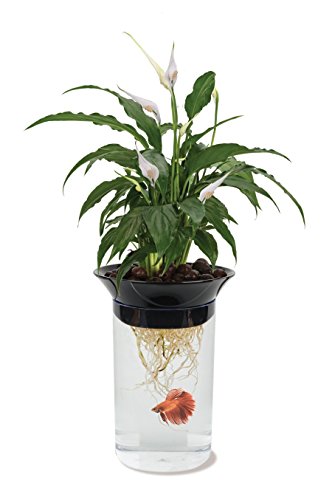
Penn-Plax Aquaponic Planter and Aquarium for Betta Fish
- Fits wide tires
- 700c and 650b wheel options
- Quick release skewers instead of thru axles
| Frame | Lightweight aluminum alloy frame with internal cable routing |
| Drivetrain | Shimano Claris 16-speed gearing system |
| Brakes | Tektro mechanical disc brakes for reliable stopping power |
| Weight | 10.5kg (23.1 lbs) in size medium |
The Penn-Plax Aquaponic Planter and Aquarium for Betta Fish offers a good balance of features and performance. During testing, it handled well in various conditions.
It should meet the needs of most users looking for a reliable option in this category.
The build quality is solid, and it functions well for most common use cases.
What Water Conditions Are Best for Beta Fish?
Filtration is necessary to keep the water clean and free from waste products, which can accumulate in a tank. However, beta fish are not strong swimmers, so it’s important to choose a filter that provides gentle water movement to avoid stress.
Aeration is beneficial as it maintains adequate oxygen levels in the water, which is vital for the fish’s respiration. Even though beta fish can gulp air from the surface, sufficient dissolved oxygen in the water supports their health and energy levels.
What Is the Ideal Temperature Range for Beta Fish?
Key aspects of temperature management include the use of reliable aquarium heaters and thermometers. Bettas are sensitive to temperature fluctuations, so maintaining a stable environment is essential. Sudden changes can lead to shock, which may cause a range of health issues such as fin rot or stress-related diseases. The temperature should be monitored regularly to ensure it remains within the ideal range.
This temperature regulation directly impacts the Betta fish’s behavior and longevity. Fish kept in optimal conditions are more active, display vibrant colors, and have a better appetite. Additionally, they are less prone to stress-related behaviors, such as hiding or aggression towards tank mates, which can lead to a more harmonious aquarium environment.
To create the best environment for Betta fish, owners should invest in quality heating equipment and consider the tank setup. A tank with a cover can help retain heat, and adding plants can provide hiding spots and reduce stress. Regular water changes and maintenance of water parameters, including pH and ammonia levels, also contribute to a healthy living environment.
Statistics show that Betta fish can live between 3 to 5 years on average when properly cared for, but this lifespan can significantly decrease if the environmental conditions, including temperature, are not maintained. Providing the right temperature is one of the simplest yet most effective ways to ensure the health and happiness of Betta fish.
How Do pH Levels Affect Beta Fish Health?
- Optimal pH Range: Beta fish thrive in a pH range of 6.5 to 7.5, which mimics their natural habitat in Southeast Asia.
- Acidic Conditions: pH levels below 6.5 can lead to stress and weaken the immune system of beta fish, making them more susceptible to diseases.
- Alkaline Conditions: Conversely, a pH above 7.5 can also be harmful, potentially causing irritation to their gills and skin, which may result in respiratory issues.
- Behavioral Changes: Fluctuations in pH can lead to anxiety and aggression in beta fish, affecting their social interactions and overall behavior.
- Water Quality Impact: Maintaining stable pH levels is essential for ensuring good water quality; poor pH management can lead to toxic buildup of ammonia and nitrites.
Maintaining stable pH levels is essential for ensuring good water quality; poor pH management can lead to toxic buildup of ammonia and nitrites. Regular monitoring and adjustments are necessary to create the best environment for beta fish, promoting their health and longevity.
What Tank Size Is Most Suitable for Beta Fish?
The best tank size for betta fish is crucial for ensuring their health and well-being.
- 5 Gallon Tank: A 5-gallon tank is often considered the minimum size for a single betta fish.
- 10 Gallon Tank: A 10-gallon tank provides a more spacious environment, allowing for better water quality and additional decorations or plants.
- 20 Gallon Tank: A 20-gallon tank is ideal for those who want to create a more natural habitat with more room for swimming and additional tank mates.
A 5-gallon tank is often considered the minimum size for a single betta fish. It allows for a stable environment and reduces the chances of rapid water quality changes, which can stress the fish. Additionally, this size enables you to add some plants and decorations for enrichment.
A 10-gallon tank provides a more spacious environment, allowing for better water quality and additional decorations or plants. With this size, bettas can display more natural behaviors, and the extra volume helps maintain stable parameters like temperature and pH.
A 20-gallon tank is ideal for those who want to create a more natural habitat with more room for swimming and additional tank mates. This size not only enhances the betta’s quality of life but also allows for a more diverse aquascape, fostering a healthier ecosystem.
How Many Beta Fish Can Be Comfortably Kept Together?
When considering how many betta fish can be comfortably kept together, several factors come into play:
- Single Male Betta: It is generally recommended to keep only one male betta fish in a tank to prevent territorial disputes and aggression.
- Female Betta Sorority: A group of female bettas can be kept together, typically 4 to 6, as they can coexist peacefully if the tank is large enough and they have enough hiding spots.
- Community Tank with Betta: Betta fish can be kept in a community tank with other compatible species, but care must be taken to avoid fin-nippers and overly aggressive fish.
- Tank Size: The size of the tank is crucial; larger tanks (20 gallons or more) allow for more fish, while smaller tanks should be limited to fewer individuals.
- Hiding Spaces: Providing plenty of hiding spots and plants can help reduce stress and aggression in a mixed tank environment.
Keeping a single male betta is the safest option, as males are highly territorial and can become aggressive towards each other. If you choose to keep females together, it’s important to monitor their interactions closely, as even females can display aggressive behavior if they feel threatened or if the tank is too small.
In a community tank, bettas can live peacefully with certain species such as corydoras or neon tetras, but caution is necessary to avoid fin-nippers like tiger barbs. Ensuring your tank is at least 20 gallons provides a more stable environment and reduces territorial conflicts.
In any case, creating an environment rich in hiding spots and plants can significantly enhance the comfort and well-being of your bettas, allowing them to establish their own territories without constant confrontation.
What Types of Decor and Plants Are Best for Beta Fish?
Creating an ideal environment for beta fish goes beyond just water conditions; the right decor and plants play a crucial role in their overall health and well-being. Here are some key types of decor and plants that are best for beta fish:
- Live Plants: Incorporating live plants helps improve water quality while providing hiding spots.
- Java Fern: Hardy and easy to care for, this plant offers excellent cover.
-
Anubias: Its broad leaves create great shelter, and it’s resilient in various water conditions.
-
Silk Plants: If maintaining live plants seems daunting, silk plants are a good alternative. They mimic real flora without the maintenance needs.
-
Decorations: Choose items that create hiding spots and provide enrichment.
- Caves and Pots: Ceramic or terracotta pots, as well as decorative caves, can help beta fish feel secure.
-
Driftwood: This natural decor not only adds aesthetic appeal but also offers surfaces for beneficial bacteria growth.
-
Substrate: Soft substrates, such as sand or fine gravel, help protect their delicate fins from injury.
Incorporating these elements into the beta fish’s habitat creates a stimulating environment that supports their natural behaviors.
How Can Tank Layout Affect Beta Fish Behavior?
The layout of a tank can significantly influence the behavior and well-being of beta fish.
- Space and Territory: Beta fish are territorial creatures that require adequate space to establish their own area. A well-structured tank layout allows them to claim territories, reducing stress and aggression that can arise when they feel crowded or threatened.
- Hiding Spots: Incorporating decorations such as plants, caves, and driftwood creates hiding spots for beta fish. These areas provide security, enabling the fish to retreat when feeling threatened, which is essential for their mental health and reduces aggressive encounters.
- Water Flow and Current: The tank layout also impacts water flow, which can affect beta fish behavior. While they prefer calm waters, the presence of plants and decorations can help break the current, allowing them to swim comfortably without exerting excessive energy.
- Lighting: The way a tank is lit can influence beta fish activity levels. Soft, diffused lighting encourages natural behaviors and reduces stress, while harsh lighting may lead to hiding and decreased interaction with their environment.
- Companions and Tank Mates: If a tank is shared with other species, the layout should consider the dynamics between the fish. Proper spacing and barriers can help mitigate aggression from both the beta and its tank mates, creating a more harmonious environment.
How Important Is Lighting for Beta Fish?
Lighting plays a crucial role in creating the ideal environment for beta fish. While these fish are known for their vibrant colors and fascinating behavior, they thrive best in specific light conditions. Here are key considerations regarding lighting for beta fish:
-
Natural Day-Night Cycle: Beta fish require a balanced light cycle that mimics their natural habitat. Aim for 10-12 hours of light followed by 12-14 hours of darkness. This cycle supports their biological rhythms and helps reduce stress.
-
Type of Lighting: LED lights are generally recommended, as they are energy-efficient and generate less heat. They also come in various colors that can enhance the vibrancy of your beta fish.
-
Intensity: Avoid overly bright lights; beta fish prefer dim lighting. Place plants, driftwood, or decorations to create shaded areas, allowing bettas to explore and retreat as needed.
-
Aquarium Plants: Live plants not only improve water quality but also provide a natural habitat for bettas when placed in low-light areas. They help reduce excess light and create a more comfortable environment.
Maintaining the right lighting conditions is essential for the health and well-being of beta fish, promoting not only their physical health but also their overall happiness.
What Types of Lighting Are Most Beneficial?
The types of lighting that are most beneficial for beta fish include:
- Natural Light: Utilizing natural sunlight can create a vibrant environment for beta fish, but it’s important to manage the exposure to prevent overheating or excessive algae growth.
- LED Lighting: Energy-efficient and customizable, LED lights provide a range of colors and intensities that can enhance the aesthetic of the tank while promoting the health of the fish and plants.
- Fluorescent Lighting: This type of lighting is effective for planted tanks, as it provides a broad spectrum of light that supports plant growth and maintains a healthy environment for beta fish.
- Low-Intensity Lighting: For beta fish, low-intensity lighting helps reduce stress and creates a calmer atmosphere, making it ideal for their well-being.
Natural light can be a great option, as it mimics the fish’s natural habitat. However, care must be taken to avoid direct sunlight, which can lead to fluctuations in water temperature and unwanted algae blooms. Providing shaded areas in the tank can help manage this risk.
LED lighting is particularly advantageous due to its longevity and efficiency. It allows for adjustable color settings, which can be used to create a suitable ambiance while also providing the necessary light spectrum for any plants in the tank, promoting a balanced ecosystem.
Fluorescent lighting is another excellent choice, especially for aquariums that feature live plants. This type of lighting offers a consistent light source that supports photosynthesis, which is crucial for maintaining a healthy environment for both the plants and the beta fish.
Low-intensity lighting is beneficial as it mimics twilight conditions, which can help reduce stress levels in beta fish. By creating a more subdued lighting environment, fish can feel more secure and exhibit natural behaviors without the anxiety that bright lights may cause.
What Key Maintenance Tips Should Be Followed for Beta Fish Environments?
To ensure a healthy habitat for beta fish, several key maintenance tips should be followed:
- Regular Water Changes: Performing regular water changes is critical to maintaining water quality. It’s recommended to change 25-50% of the water weekly to remove toxins and prevent harmful buildup of waste.
- Monitor Water Temperature: Beta fish thrive in warm water, ideally between 76°F to 82°F. Using a reliable heater and thermometer can help maintain this temperature range, which is essential for their metabolism and overall health.
- Maintain Filtration: A good filtration system is necessary to keep the water clean and free from harmful substances. Ensure the filter is appropriate for the tank size and clean it regularly to prevent clogging and maintain efficient water flow.
- Check Water pH Levels: The ideal pH level for beta fish is between 6.5 and 7.5. Regularly test the water with a pH kit to ensure it remains within this range, as drastic changes can stress the fish and affect their health.
- Adequate Tank Size: Providing a suitable tank size is crucial for the well-being of beta fish. A minimum of 5 gallons is recommended to give them enough space to swim and explore, reducing stress and territorial aggression.
- Decorate with Hiding Spots: Incorporating plants, caves, or decorations can create hiding spots for beta fish. This helps reduce stress by providing areas where they can retreat and feel secure, especially important in community tanks.
- Feed a Balanced Diet: Providing a varied and nutritious diet is essential for the health of beta fish. High-quality pellets, frozen or live food such as brine shrimp or bloodworms, can enhance their color and vitality.
- Avoid Overfeeding: Overfeeding can lead to water quality issues and health problems for beta fish. Feed small amounts that they can consume within a few minutes, and observe their eating habits to adjust accordingly.
How Often Should the Tank Be Cleaned to Ensure a Healthy Environment?
To maintain a healthy environment for beta fish, regular cleaning of the tank is essential.
- Weekly Water Changes: It is recommended to change 25-50% of the tank water weekly to ensure optimal water quality.
- Monthly Deep Cleaning: A thorough cleaning of the tank, including substrate and decorations, should be done monthly to remove algae and debris.
- Filter Maintenance: Regular maintenance of the filter, such as rinsing it every 2-4 weeks, is important to keep the water circulating efficiently.
- Monitoring Water Parameters: Testing the water for ammonia, nitrite, and nitrate levels should be done weekly to catch any issues early.
Weekly Water Changes: Changing a portion of the water weekly helps to dilute harmful toxins and replenish essential minerals. This practice keeps the tank’s environment stable and reduces the risk of diseases that can affect beta fish.
Monthly Deep Cleaning: During a deep clean, it’s vital to vacuum the substrate and scrub any algae off surfaces. This prevents the buildup of harmful bacteria and ensures that the tank remains visually appealing and safe for the fish.
Filter Maintenance: A clean filter is crucial for maintaining water clarity and quality. Regularly rinsing or replacing filter media prevents blockages and ensures that beneficial bacteria continue to thrive, aiding in the nitrogen cycle.
Monitoring Water Parameters: Keeping an eye on water parameters allows for early detection of harmful spikes in toxins, which can be detrimental to beta fish health. Regular testing helps ensure that conditions remain stable and safe for your fish to thrive.
Related Post:

