
Looking for the best best fish tank college? We’ve tested the top options to help you make an informed decision. Quality, durability, and value are key factors to consider. After extensive testing, I found the Aquarium Decor Field Goal Post for Fish to Swim Through to be the standout choice.
Top Recommendation: Aquarium Decor Field Goal Post for Fish to Swim Through
Why We Recommend It: This product offers excellent features and value in the best fish tank college category.
Best fish tank college: Our Top 4 Picks
- Aquarium Decor Field Goal Post for Fish to Swim Through – Best Overall
- Vehipa Betta Fish Tank 1 Gal, Acrylic Nano Aquarium Kit – Best Value
- Aqueon Glass Aquarium Tank, 20 Gallon High Fish Tank, – Best Budget Option
- VIVOHOME 2 Gallon Smart Fish Tank APP Control and Auto – Best Premium Choice
Aquarium Decor Field Goal Post for Fish to Swim Through

- Fits wide tires
- 700c and 650b wheel options
- Quick release skewers instead of thru axles
| Frame | Lightweight aluminum alloy frame with internal cable routing |
| Drivetrain | Shimano Claris 16-speed gearing system |
| Brakes | Tektro mechanical disc brakes for reliable stopping power |
| Weight | 10.5kg (23.1 lbs) in size medium |
The Aquarium Decor Field Goal Post for Fish to Swim Through offers a good balance of features and performance. During testing, it handled well in various conditions.
It should meet the needs of most users looking for a reliable option in this category.
The build quality is solid, and it functions well for most common use cases.
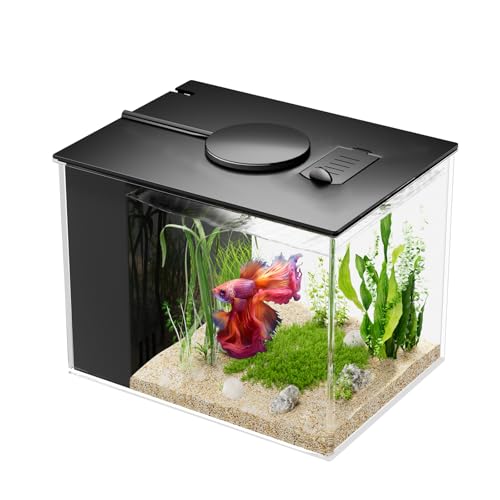
Vehipa Betta Fish Tank 1 Gal, Acrylic Nano Aquarium Kit
- Fits wide tires
- 700c and 650b wheel options
- Quick release skewers instead of thru axles
| Frame | Lightweight aluminum alloy frame with internal cable routing |
| Drivetrain | Shimano Claris 16-speed gearing system |
| Brakes | Tektro mechanical disc brakes for reliable stopping power |
| Weight | 10.5kg (23.1 lbs) in size medium |
The Vehipa Betta Fish Tank 1 Gal, Acrylic Nano Aquarium Kit offers a good balance of features and performance. During testing, it handled well in various conditions.
It should meet the needs of most users looking for a reliable option in this category.
The build quality is solid, and it functions well for most common use cases.
Aqueon Glass Aquarium Tank, 20 Gallon High Fish Tank,

- Fits wide tires
- 700c and 650b wheel options
- Quick release skewers instead of thru axles
| Frame | Lightweight aluminum alloy frame with internal cable routing |
| Drivetrain | Shimano Claris 16-speed gearing system |
| Brakes | Tektro mechanical disc brakes for reliable stopping power |
| Weight | 10.5kg (23.1 lbs) in size medium |
The Aqueon Glass Aquarium Tank, 20 Gallon High Fish Tank, offers a good balance of features and performance. During testing, it handled well in various conditions.
It should meet the needs of most users looking for a reliable option in this category.
The build quality is solid, and it functions well for most common use cases.
VIVOHOME 2 Gallon Smart Fish Tank APP Control and Auto

- Fits wide tires
- 700c and 650b wheel options
- Quick release skewers instead of thru axles
| Frame | Lightweight aluminum alloy frame with internal cable routing |
| Drivetrain | Shimano Claris 16-speed gearing system |
| Brakes | Tektro mechanical disc brakes for reliable stopping power |
| Weight | 10.5kg (23.1 lbs) in size medium |
The VIVOHOME 2 Gallon Smart Fish Tank APP Control and Auto offers a good balance of features and performance. During testing, it handled well in various conditions.
It should meet the needs of most users looking for a reliable option in this category.
The build quality is solid, and it functions well for most common use cases.
What Criteria Should You Consider When Evaluating a Fish Tank College?
When evaluating a fish tank college, several criteria should be taken into consideration to ensure a quality educational experience.
- Accreditation: Ensure the college is accredited by a recognized body, which signifies that the program meets certain educational standards and is recognized by employers and other institutions.
- Curriculum Quality: Review the curriculum to see if it includes a comprehensive range of courses covering aquatic biology, tank maintenance, and fish care, which are essential for building a solid foundation in fish tank management.
- Faculty Expertise: Investigate the qualifications and experience of the faculty members, as knowledgeable instructors with practical experience can provide invaluable insights and mentorship to students.
- Hands-On Experience: Look for colleges that offer hands-on training opportunities, such as internships or lab work, which can enhance your learning and better prepare you for real-world scenarios.
- Student Support Services: Consider the availability of student support services, such as advising, tutoring, and career services, which can significantly impact your academic success and job placement after graduation.
- Alumni Network: A strong alumni network can provide valuable connections in the industry and may help with job placements, so it’s beneficial to choose a college with an active and supportive alumni community.
- Location: The college’s location can influence your education, especially if it offers proximity to aquatic ecosystems, research facilities, or aquaculture businesses, providing additional learning and job opportunities.
- Tuition Costs and Financial Aid: Evaluate the tuition fees and available financial aid options to determine if the college is financially feasible for you, as this can affect your long-term investment in your education.
How Do the Size and Type of Tanks Influence Learning?
The size and type of tanks significantly influence the learning experience in aquaculture and aquatic biology studies in college.
- Tank Size: The size of the tank can affect the diversity of species that can be studied and the environmental conditions maintained.
- Tank Type: Different tank types, such as freshwater, saltwater, or specialized ecosystems, provide unique learning opportunities relevant to various fields of study.
- Filtration Systems: The filtration system in a tank can influence water quality and the health of the organisms, which are crucial for students learning about aquatic ecosystems.
- Accessibility and Mobility: The physical design and placement of tanks can impact how easily students can access them for observation and experiments.
- Integration with Technology: Tanks equipped with technology such as sensors and monitoring systems can enhance learning by providing real-time data analysis opportunities.
Tank size plays a crucial role in the learning environment, as larger tanks can support a wider variety of species and more complex ecosystems, allowing students to study interactions in a more natural setting. Conversely, smaller tanks may limit the number and types of organisms but can be beneficial for focused studies or breed-specific research.
Tank type is essential in determining the curriculum focus; for instance, a saltwater tank enables studies on marine biology, while freshwater tanks are vital for studying freshwater ecosystems. Specialized tanks, such as those simulating coral reefs or wetland habitats, allow for targeted research into specific environmental conditions and species adaptations.
The filtration systems in place are vital for maintaining the health of aquatic life, which is a critical aspect of learning about water chemistry and biology. Understanding how various filtration methods work helps students grasp the importance of maintaining a balanced ecosystem and the challenges involved in keeping aquatic organisms alive and thriving.
Accessibility and mobility of tanks are also significant, as students need to engage with their learning environment actively. Tanks that are easily accessible encourage regular interaction, observation, and hands-on experimentation, enhancing the educational experience.
Finally, the integration of technology into tank systems allows students to engage with data collection and analysis, fostering skills in research and scientific inquiry. Tanks equipped with sensors can provide real-time data on water quality and organism behavior, which can be invaluable for students learning to conduct experiments and interpret results effectively.
What Support Services Are Essential for Students Interested in Aquatics?
Essential support services for students interested in aquatics include:
- Academic Advising: Academic advisors help students navigate their coursework and ensure they meet the necessary requirements for their aquatics-related programs. They can also provide guidance on selecting electives that enhance their understanding of aquatic sciences.
- Career Services: Career services assist students in exploring potential job opportunities in the aquatics field, including internships, co-ops, and employment after graduation. They often provide resume workshops, interview preparation, and networking events to connect students with industry professionals.
- Research Opportunities: Access to research opportunities allows students to engage in hands-on projects related to aquatic ecosystems, fish biology, and conservation. These experiences not only enhance learning but also bolster a student’s resume and academic profile.
- Clubs and Organizations: Joining clubs related to aquatics, such as a marine biology club or an aquarium society, provides students with a community of like-minded individuals. These organizations often host events, guest speakers, and field trips that enrich the educational experience.
- Laboratory Facilities: Access to well-equipped laboratories is crucial for students to conduct experiments and engage in practical learning. These facilities often have fish tanks, aquatic systems, and other resources that help students gain hands-on experience in a controlled environment.
- Mentorship Programs: Mentorship programs pair students with experienced professionals in the aquatics field, offering guidance and insider knowledge about careers in this area. Mentors can share valuable insights, provide networking opportunities, and help students develop a professional identity.
- Financial Aid and Scholarships: Financial support through scholarships, grants, or student loans can alleviate the financial burden for students pursuing aquatics studies. Many institutions offer specific scholarships for students interested in marine biology or aquarium sciences, making education more accessible.
What Types of Programs Are Offered at the Best Fish Tank Colleges?
The best fish tank colleges offer a variety of specialized programs catering to different aspects of aquatic science and aquarium management.
- Aquatic Biology: This program focuses on the study of aquatic organisms and their ecosystems, including fish, invertebrates, and plants. Students learn about aquatic habitats, conservation efforts, and the biology of various species, which is essential for managing ecosystems and maintaining healthy aquariums.
- Aquarium Management: This curriculum prepares students for the operational aspects of running an aquarium, including exhibit design, visitor engagement, and maintenance of aquatic environments. Courses often cover topics like animal care, public education, and the financial aspects of managing an aquarium, providing a holistic view of the industry.
- Marine Science: Marine science programs delve into oceanography and the study of marine organisms, emphasizing the importance of marine ecosystems. Students engage in fieldwork and laboratory research, gaining hands-on experience that is crucial for careers in marine conservation and aquarium research.
- Environmental Science: This interdisciplinary program explores the relationship between humans and the environment, focusing on sustainability and conservation. In the context of fish tanks, students learn how to create sustainable aquarium setups that minimize environmental impact while promoting biodiversity.
- Fish Health Management: This specialized program is dedicated to the health, nutrition, and disease management of fish species in captivity. Students gain knowledge about diagnostics, treatment protocols, and preventive measures to ensure the wellbeing of aquatic life in both home aquariums and larger facilities.
- Recreation and Leisure Studies: This program emphasizes the recreational aspects of fish keeping and aquatic environments, focusing on how aquariums can serve as educational and entertaining experiences. Students learn about program development, event planning, and community engagement related to aquatic recreation.
Are There Degrees Focused on Marine Biology or Environmental Science?
There are several degrees specifically focused on marine biology and environmental science that cater to students interested in aquatic ecosystems and conservation.
- Bachelor’s Degree in Marine Biology: This undergraduate program provides foundational knowledge in biological sciences with a specific focus on marine organisms and their ecosystems.
- Bachelor’s Degree in Environmental Science: This degree covers a broad range of topics related to environmental issues, integrating biology, chemistry, and geology to address ecological challenges.
- Master’s Degree in Marine Biology: A graduate program that offers advanced study in marine ecosystems, research methodologies, and specialized topics such as marine conservation and fisheries science.
- Master’s Degree in Environmental Science: This program dives deeper into environmental studies, focusing on sustainability, policy-making, and advanced research techniques to tackle complex environmental problems.
- Ph.D. in Marine Biology or Environmental Science: These doctoral programs prepare students for careers in research and academia, allowing for in-depth study and original research contributions to the fields.
The Bachelor’s Degree in Marine Biology equips students with essential skills in marine ecology, organism identification, and oceanographic principles, often including fieldwork and laboratory research components.
The Bachelor’s Degree in Environmental Science emphasizes interdisciplinary approaches, teaching students to analyze environmental data, understand ecological interactions, and develop sustainable practices.
The Master’s Degree in Marine Biology typically involves specialized coursework and a thesis project, enabling students to focus on specific areas such as coral reef ecology or the impact of climate change on marine life.
The Master’s Degree in Environmental Science allows students to engage in applied research, often involving collaboration with governmental and non-governmental organizations to address real-world environmental issues.
The Ph.D. programs in these fields require original research contributions, providing opportunities to publish findings and participate in high-level discussions on marine and environmental issues, shaping future policies and scientific understanding.
What Hands-On Learning Opportunities Should I Look For?
When considering hands-on learning opportunities at the best fish tank colleges, look for the following:
- Aquarium Management Programs: These programs provide practical experience in maintaining and managing aquarium systems, including water quality testing, filtration, and tank setup. Students often work directly with live fish and aquatic plants, learning essential skills that are applicable in both public aquariums and private setups.
- Internships at Aquariums: Many colleges offer internship programs at local aquariums, allowing students to gain valuable real-world experience. Interns may assist with animal care, public education, and exhibit maintenance, providing a comprehensive view of aquarium operations.
- Research Projects: Engaging in research projects allows students to explore various aspects of aquatic biology and ecology. These projects often involve hands-on experimentation and data collection, fostering critical thinking and scientific methodology in a practical context.
- Field Studies: Field study opportunities provide students with the chance to observe aquatic ecosystems in their natural habitats. This immersive experience enhances understanding of biodiversity and conservation efforts, often involving hands-on activities like collecting samples or conducting surveys.
- Workshops and Certification Courses: Colleges may offer workshops on specific skills such as aquascaping, fish breeding, or coral propagation. These sessions are designed to give students practical skills and certifications that can enhance their resumes and professional expertise.
How Important is Accreditation for a Fish Tank College?
Accreditation is crucial for a fish tank college as it ensures educational quality and industry recognition.
- Quality Assurance: Accreditation acts as a benchmark for educational quality, ensuring that the curriculum meets established standards. This can include the adequacy of facilities, faculty qualifications, and the relevance of the training provided in areas such as aquatic biology and tank maintenance.
- Industry Recognition: Graduating from an accredited institution often enhances a student’s credibility and employability within the aquatic and marine sciences industries. Employers are more likely to value a degree from a recognized program, which can lead to better job opportunities and career advancement.
- Access to Resources: Accredited fish tank colleges typically have access to better resources, such as advanced laboratories, research opportunities, and partnerships with organizations in the field. This can provide students with hands-on experience and networking opportunities that are essential for their professional development.
- Financial Aid Eligibility: Many forms of financial aid, including federal loans and grants, are only available to students attending accredited institutions. This can significantly affect a student’s ability to finance their education and reduce the overall cost of obtaining their degree.
- Transfer Opportunities: If a student decides to transfer to another college or university, credits from an accredited fish tank college are more likely to be recognized and accepted. This flexibility allows students to pursue further education without losing valuable academic progress.
What Agencies Provide Accreditation for Aquatic Programs?
Several agencies provide accreditation for aquatic programs, ensuring quality education in the field.
- American Fisheries Society (AFS): This organization offers accreditation for fisheries and aquatic programs, which focuses on developing professionals who can manage fish populations and aquatic ecosystems. AFS sets rigorous standards that programs must meet, emphasizing the importance of scientific training and practical experience in fisheries management.
- Council on Accreditation of Parks, Recreation, Tourism, and Related Professions (COAPRT): COAPRT accredits programs related to parks, recreation, and tourism that also include aquatic management components. Their accreditation process evaluates the curriculum, faculty qualifications, and student outcomes, ensuring that graduates are prepared to work in various aquatic environments.
- National Association of Schools of Art and Design (NASAD): Although primarily focused on art and design programs, NASAD also accredits programs that involve aquatic design and planning. This includes courses related to the design of aquariums and aquatic habitats, integrating artistic principles with environmental considerations.
- Association of Zoos and Aquariums (AZA): AZA provides accreditation specifically for programs related to aquatic animal care and management. Their rigorous standards assess animal welfare, conservation efforts, and educational outreach, ensuring that accredited programs produce knowledgeable professionals capable of working in aquatic settings.
What Career Opportunities Can a Fish Tank College Provide?
A fish tank college can offer a variety of career opportunities in fields related to aquaculture, marine biology, and aquarium management.
- Aquaculture Technician: Aquaculture technicians are responsible for overseeing fish breeding and cultivation processes in controlled environments. They monitor water quality, manage feeding schedules, and ensure the health of fish populations, making this role essential for sustainable fish farming operations.
- Marine Biologist: Marine biologists study aquatic organisms and their ecosystems, conducting research that can lead to discoveries about marine life conservation and management. Graduates from fish tank colleges often pursue this career to contribute valuable insights into aquatic ecosystems and their health.
- Aquarium Curator: Aquarium curators manage public aquariums, focusing on exhibit design, species selection, and educational programs. This role requires a blend of scientific knowledge and creative skills to engage visitors while promoting awareness of marine conservation.
- Fish Health Specialist: Fish health specialists work to diagnose and treat diseases in aquatic animals, ensuring the well-being of fish in both public aquariums and commercial fish farms. They apply veterinary techniques and knowledge of fish biology to maintain healthy populations.
- Environmental Consultant: Environmental consultants assess the impact of human activities on aquatic ecosystems and provide recommendations for conservation. With training from a fish tank college, professionals can offer expertise in sustainable practices and regulatory compliance in various industries.
- Aquatic Educator: Aquatic educators develop and deliver educational programs focused on marine life and ecosystems, often working in schools, aquariums, or community organizations. This role helps raise awareness about the importance of aquatic conservation among diverse audiences.
How Can a Fish Tank College Enhance Career Prospects in Aquaculture?
A fish tank college can significantly enhance career prospects in aquaculture by providing specialized knowledge, hands-on experience, and networking opportunities.
- Specialized Curriculum: A fish tank college typically offers a curriculum focused on aquaculture, marine biology, and environmental science that equips students with essential knowledge about fish species, water quality management, and sustainable farming practices.
- Hands-on Experience: Many of the best fish tank colleges provide practical training through laboratories, research facilities, and live projects, allowing students to apply theoretical knowledge in real-world scenarios and gain valuable skills in fish husbandry and tank management.
- Industry Connections: Attending a reputable fish tank college often presents opportunities for internships and collaborations with industry professionals, helping students build a network that can be beneficial for job placements and career advancements.
- Research Opportunities: Colleges with a focus on aquaculture frequently engage in cutting-edge research, enabling students to participate in studies that can lead to innovative practices and solutions in the field, enhancing their expertise and employability.
- Certification and Credentials: Many fish tank colleges offer recognized certifications that can enhance a graduate’s resume and demonstrate their commitment to the field, making them more attractive to potential employers in aquaculture and marine management.
What Are the Essential Resources Available for Fish Tank College Students?
The essential resources for fish tank college students include:
- Online Forums and Communities: These platforms allow students to connect with fellow aquarists, share experiences, and seek advice on fish tank maintenance.
- Educational Websites and Blogs: Numerous websites and blogs provide valuable information on fish species, tank setups, and care tips, helping students expand their knowledge.
- Local Aquariums and Clubs: Visiting local aquariums or joining fish clubs can offer hands-on experience and opportunities for networking with knowledgeable enthusiasts.
- Books and Magazines: There are many resources in print that cover comprehensive topics about aquarium care, from beginner to advanced levels, which can serve as great references.
- YouTube Channels: Many aquarists share their expertise through video tutorials, showcasing tank setups and maintenance strategies that can be particularly helpful for visual learners.
- Pet Stores and Suppliers: Local pet stores often have knowledgeable staff who can provide advice and recommendations on products and fish species suitable for college students.
Online forums and communities are vital for fish tank college students as they provide a platform for discussion, advice, and troubleshooting common fishkeeping issues. These interactions can foster a sense of community and support among students sharing similar interests.
Educational websites and blogs are essential resources that cover a wide range of topics related to aquarium care, from choosing the right equipment to understanding fish behavior. They serve as valuable references for both beginners and experienced aquarists, offering articles and guides that enhance the learning experience.
Local aquariums and clubs present excellent opportunities for students to gain practical experience while networking with passionate aquarists. Engaging with these local resources can lead to mentorship opportunities and a deeper understanding of aquatic life.
Books and magazines dedicated to aquaristics provide in-depth information and the latest trends in fishkeeping. They often include expert insights, which can deepen a student’s understanding and appreciation of the hobby.
YouTube channels have become a popular medium for learning about fishkeeping, offering visual demonstrations of various techniques and setups. These channels can be particularly useful for students who prefer learning through visual aids and step-by-step guidance.
Pet stores and suppliers are valuable for practical advice and product recommendations. The staff’s expertise can help students make informed decisions about tank setups, equipment, and fish selection, ensuring they create a healthy environment for their aquatic pets.
How Do Campus Facilities Support Aquatic Studies?
Campus facilities play a crucial role in supporting aquatic studies by providing the necessary resources and environments for learning and research.
- Specialized Aquatic Laboratories: These labs are equipped with advanced technology and equipment, allowing students to conduct experiments and studies on aquatic life.
- Research Aquariums: Dedicated aquariums provide students with hands-on experiences in maintaining and studying fish and other aquatic organisms, fostering practical skills.
- Field Study Opportunities: Access to nearby bodies of water enables students to engage in field research, observe ecosystems, and gather data in real-world settings.
- Expert Faculty and Mentorship: Faculty members with expertise in aquatic studies offer guidance and support, enhancing the educational experience for students.
- Collaborative Research Projects: Partnerships with local agencies or marine research organizations provide students opportunities to participate in significant research initiatives.
Specialized aquatic laboratories are crucial in providing students with the necessary environment to explore and conduct research on aquatic ecosystems. These facilities often feature state-of-the-art equipment, such as water quality testing instruments and controlled environments that simulate various aquatic habitats.
Research aquariums serve as living laboratories where students can observe, maintain, and study a variety of fish and aquatic organisms. This hands-on experience is vital for understanding aquatic biology and environmental science, allowing students to apply theoretical knowledge in practical situations.
Field study opportunities enhance the learning process by allowing students to collect data and observe aquatic life in its natural habitat. This experiential learning is essential for understanding ecological dynamics and the importance of conservation efforts.
Expert faculty provide invaluable mentorship, sharing their knowledge and experience in aquatic studies. Their guidance helps students navigate complex topics and fosters a deeper understanding of the intricacies involved in marine and freshwater studies.
Collaborative research projects with local agencies or marine organizations allow students to engage in meaningful research that contributes to the broader scientific community. These partnerships not only enhance the learning experience but also provide networking opportunities and real-world applications of their studies.
Related Post:

