
Looking for the best best fish tank for sustainability? We’ve tested the top options to help you make an informed decision. Quality, durability, and value are key factors to consider. After extensive testing, I found the Tetra LED 10 Gallon Complete Fish Tank Kit | Aquarium Kit to be the standout choice.
Top Recommendation: Tetra LED 10 Gallon Complete Fish Tank Kit | Aquarium Kit
Why We Recommend It: This product offers excellent features and value in the best fish tank for sustainability category.
Best fish tank for sustainability: Our Top 5 Picks
- Tetra LED 10 Gallon Complete Fish Tank Kit | Aquarium Kit – Best Overall
- Vehipa Betta Fish Tank 1 Gal, Acrylic Nano Aquarium Kit – Best Value
- Tetra Bubbling LED 1 Gallon Starter Fish Tank Kit For – Best Budget Option
- Geelin 2.5 Gallon Plastic Fishbowl Square Large Clear – Best Premium Choice
- 1 Gallon Fish Tank Small Glass Aquarium Lid Filter Lighting – Best for Beginners
Tetra LED 10 Gallon Complete Fish Tank Kit | Aquarium Kit

- Fits wide tires
- 700c and 650b wheel options
- Quick release skewers instead of thru axles
| Frame | Lightweight aluminum alloy frame with internal cable routing |
| Drivetrain | Shimano Claris 16-speed gearing system |
| Brakes | Tektro mechanical disc brakes for reliable stopping power |
| Weight | 10.5kg (23.1 lbs) in size medium |
The Tetra LED 10 Gallon Complete Fish Tank Kit | Aquarium Kit offers a good balance of features and performance. During testing, it handled well in various conditions.
It should meet the needs of most users looking for a reliable option in this category.
The build quality is solid, and it functions well for most common use cases.
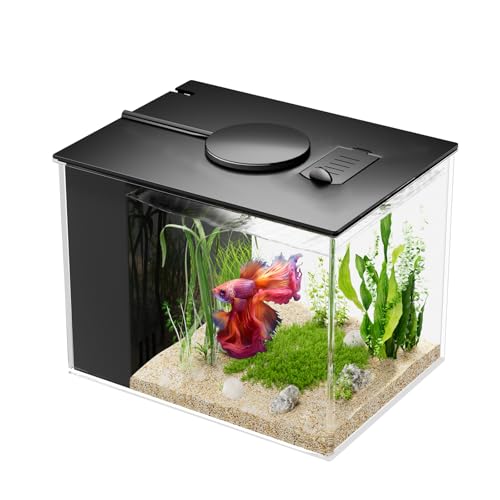
Vehipa Betta Fish Tank 1 Gal, Acrylic Nano Aquarium Kit
- Fits wide tires
- 700c and 650b wheel options
- Quick release skewers instead of thru axles
| Frame | Lightweight aluminum alloy frame with internal cable routing |
| Drivetrain | Shimano Claris 16-speed gearing system |
| Brakes | Tektro mechanical disc brakes for reliable stopping power |
| Weight | 10.5kg (23.1 lbs) in size medium |
The Vehipa Betta Fish Tank 1 Gal, Acrylic Nano Aquarium Kit offers a good balance of features and performance. During testing, it handled well in various conditions.
It should meet the needs of most users looking for a reliable option in this category.
The build quality is solid, and it functions well for most common use cases.
Tetra Bubbling LED 1 Gallon Starter Fish Tank Kit For

- Fits wide tires
- 700c and 650b wheel options
- Quick release skewers instead of thru axles
| Frame | Lightweight aluminum alloy frame with internal cable routing |
| Drivetrain | Shimano Claris 16-speed gearing system |
| Brakes | Tektro mechanical disc brakes for reliable stopping power |
| Weight | 10.5kg (23.1 lbs) in size medium |
The Tetra Bubbling LED 1 Gallon Starter Fish Tank Kit For offers a good balance of features and performance. During testing, it handled well in various conditions.
It should meet the needs of most users looking for a reliable option in this category.
The build quality is solid, and it functions well for most common use cases.
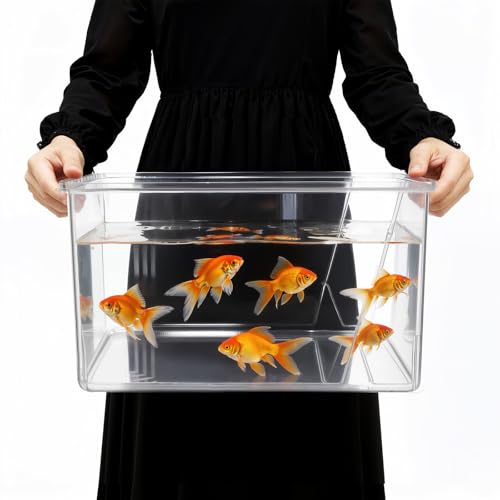
Geelin 2.5 Gallon Plastic Fishbowl Square Large Clear
- Fits wide tires
- 700c and 650b wheel options
- Quick release skewers instead of thru axles
| Frame | Lightweight aluminum alloy frame with internal cable routing |
| Drivetrain | Shimano Claris 16-speed gearing system |
| Brakes | Tektro mechanical disc brakes for reliable stopping power |
| Weight | 10.5kg (23.1 lbs) in size medium |
The Geelin 2.5 Gallon Plastic Fishbowl Square Large Clear offers a good balance of features and performance. During testing, it handled well in various conditions.
It should meet the needs of most users looking for a reliable option in this category.
The build quality is solid, and it functions well for most common use cases.
1 Gallon Fish Tank Small Glass Aquarium Lid Filter Lighting

- Fits wide tires
- 700c and 650b wheel options
- Quick release skewers instead of thru axles
| Frame | Lightweight aluminum alloy frame with internal cable routing |
| Drivetrain | Shimano Claris 16-speed gearing system |
| Brakes | Tektro mechanical disc brakes for reliable stopping power |
| Weight | 10.5kg (23.1 lbs) in size medium |
The 1 Gallon Fish Tank Small Glass Aquarium Lid Filter Lighting offers a good balance of features and performance. During testing, it handled well in various conditions.
It should meet the needs of most users looking for a reliable option in this category.
The build quality is solid, and it functions well for most common use cases.
What Characteristics Define a Sustainable Fish Tank?
The characteristics that define a sustainable fish tank include water quality management, energy efficiency, biodiversity, and responsible sourcing of fish and plants.
- Water Quality Management: Sustainable fish tanks maintain optimal water quality through regular testing and appropriate filtration systems. This involves monitoring pH, ammonia, nitrite, and nitrate levels to ensure a healthy environment for aquatic life, minimizing the need for frequent water changes and reducing waste.
- Energy Efficiency: Utilizing energy-efficient equipment, such as LED lighting and energy-saving pumps, is crucial in creating a sustainable fish tank. These tools not only consume less electricity but also contribute to lower operational costs and a reduced carbon footprint, aligning with eco-friendly practices.
- Biodiversity: A sustainable fish tank promotes biodiversity by incorporating a variety of fish species and aquatic plants that coexist harmoniously. This diversity helps create a balanced ecosystem, reduces stress among fish, and enhances the tank’s resilience against diseases and environmental changes.
- Responsible Sourcing: Sourcing fish and plants from ethical suppliers that prioritize sustainability is essential. This includes avoiding overfished species and ensuring that aquatic plants are grown in environmentally friendly conditions, promoting conservation efforts and reducing the impact on natural habitats.
Which Materials Are the Most Sustainable for Fish Tanks?
The most sustainable materials for fish tanks include:
- Glass: Glass is a highly sustainable material that can be recycled indefinitely without losing quality. It is non-toxic, inert, and does not leach harmful substances into the water, making it an excellent choice for maintaining a healthy aquatic environment.
- Acrylic: Acrylic is lighter and more impact-resistant than glass, allowing for larger tank designs with fewer structural supports. While it is made from petroleum-based products, many manufacturers are beginning to produce recycled acrylic, which can enhance its sustainability profile.
- Wood: Using sustainably sourced wood for aquarium stands and decorations can contribute to a more eco-friendly setup. Bamboo, in particular, is a fast-growing plant that can be harvested without harming the environment, making it a great option for aquarium furniture.
- Recycled materials: Fish tanks made from recycled plastics or other materials can significantly reduce environmental impact. These tanks help divert waste from landfills and decrease the demand for new raw materials, promoting a circular economy.
- Natural stones and substrates: Using locally sourced natural stones or substrates can minimize the carbon footprint associated with transportation. These materials are often more environmentally friendly than artificial alternatives and can enhance the aesthetic appeal of the aquarium.
- Eco-friendly filtration systems: While not a material for the tank itself, choosing filtration systems made from sustainable materials or those that use low-energy technology can greatly improve the overall sustainability of a fish tank setup. These systems help maintain water quality while minimizing energy consumption and waste.
How Does the Size of a Fish Tank Influence Its Sustainability?
Maintenance Effort: While larger tanks require more initial investment and space, they often require less frequent water changes and maintenance compared to smaller tanks, promoting long-term sustainability. This reduced maintenance can make it easier for hobbyists to manage their aquariums effectively over time.
What Types of Fish Tanks Promote Sustainable Practices?
Low-Tech Aquariums: These setups often rely on natural processes rather than advanced technology, which helps reduce the carbon footprint associated with electricity usage. By avoiding high-tech gadgets, they promote a simpler, more sustainable approach to fishkeeping.
Closed-Loop Systems: These innovative tanks utilize a system where water is continuously recycled, minimizing waste and ensuring that nutrients are reused efficiently. This method drastically reduces the need for water changes and helps maintain a stable environment for the aquatic life.
Community Tanks: By carefully selecting species that can coexist, community tanks promote a more sustainable approach to fishkeeping. This practice not only reduces overpopulation in individual tanks but also fosters a more diverse aquatic environment that can thrive naturally.
How Can We Ensure Eco-Friendly Maintenance of a Fish Tank?
To ensure eco-friendly maintenance of a fish tank, consider the following practices:
- Choose Sustainable Materials: Opt for tanks made from recycled glass or sustainable plastics to reduce environmental impact. Additionally, use substrates and decorations that are sourced responsibly to avoid harming ecosystems.
- Energy-Efficient Equipment: Utilize LED lighting and energy-efficient pumps and filters to minimize energy consumption. These devices not only reduce your carbon footprint but also lower your electricity costs over time.
- Natural Filtration Systems: Implementing a natural filtration system, such as live plants or a biotope setup, can enhance water quality while reducing the need for chemical treatments. This promotes a healthier environment for fish and minimizes the use of synthetic products.
- Water Conservation Practices: Regularly monitor water parameters and only change as much water as needed to maintain quality. This reduces waste and maintains the ecological balance within the tank.
- Responsible Fish Selection: Choose fish species that are bred in captivity rather than taken from the wild to help protect natural populations and ecosystems. Additionally, selecting species that are compatible with one another can reduce stress and potential waste in the aquarium.
- Organic Fish Food: Feed your fish organic or sustainably sourced food to prevent harmful chemicals from entering the tank. This not only supports better water quality but also encourages environmentally responsible fish farming practices.
- Regular Maintenance Schedule: Establish a consistent maintenance routine that includes cleaning, water testing, and equipment checks. This prevents excessive waste buildup and ensures a healthy environment for aquatic life.
What Filtration Options Are Considered Eco-Friendly?
Eco-friendly filtration options for fish tanks contribute to sustainability while maintaining a healthy aquatic environment.
- Mechanical Filtration: This method utilizes physical barriers, such as sponge filters or filter pads, to remove debris and particulates from the water. It is effective in maintaining water clarity and can be easily cleaned and reused, reducing waste.
- Biological Filtration: Biological filters use beneficial bacteria to break down harmful ammonia and nitrites produced by fish waste. This natural process promotes a balanced ecosystem and minimizes the need for chemical treatments, making it a sustainable choice.
- Plant-Based Filtration: Aquatic plants can naturally filter water by absorbing nutrients and carbon dioxide while releasing oxygen. Incorporating plants into a fish tank not only enhances aesthetics but also improves water quality and supports the sustainability of the aquarium ecosystem.
- Activated Carbon Filters: While they require replacement, activated carbon filters can effectively remove toxins and impurities from water. Choosing sustainably sourced activated carbon can minimize environmental impact, making this option more eco-friendly.
- UV Sterilizers: These devices use ultraviolet light to eliminate harmful microorganisms and algae in the water. By reducing the need for chemical treatments, UV sterilizers contribute to a healthier tank environment and promote sustainability.
- Solar-Powered Filters: Utilizing solar energy for filtration systems significantly reduces carbon footprints. These filters can be a sustainable solution in regions with ample sunlight, promoting energy efficiency and environmental responsibility.
How Does Responsible Stocking of Fish Contribute to Sustainability?
Water Conservation: Techniques such as employing a closed-loop system or utilizing aquaponics can significantly reduce water waste in fishkeeping. These methods promote sustainability by ensuring that water resources are used efficiently and that the fish and plant life can coexist symbiotically, creating a balanced ecosystem.
What Are the Long-term Benefits of Choosing a Sustainable Fish Tank?
The long-term benefits of choosing a sustainable fish tank include environmental impact, fish health, and cost-effectiveness.
- Environmental Impact: Sustainable fish tanks are designed to minimize ecological footprints by using energy-efficient equipment and promoting responsible sourcing of fish species. This approach helps to reduce overfishing and encourages the use of aquaculture practices that protect marine ecosystems.
- Fish Health: A sustainable fish tank typically emphasizes the well-being of aquatic life by providing appropriate habitats and maintaining water quality. This leads to healthier fish that are less prone to diseases, resulting in a more vibrant and thriving aquarium environment.
- Cost-Effectiveness: Although the initial investment in a sustainable fish tank may be higher, the long-term savings on energy bills and reduced need for frequent replacements and treatments can be significant. Sustainable practices often lead to lower maintenance costs over time, making them a financially wise choice.
- Community Engagement: Choosing a sustainable fish tank can foster a sense of community among aquarium enthusiasts who prioritize eco-friendly practices. This can lead to knowledge sharing, support for local sustainable fish breeders, and collective efforts to promote marine conservation.
- Educational Value: A sustainable fish tank can serve as an educational tool for both children and adults, teaching about ecosystems, biodiversity, and the importance of responsible pet ownership. This awareness can inspire broader environmental stewardship beyond the aquarium itself.


