
Looking for the best best length and width for a tank? We’ve tested the top options to help you make an informed decision. Quality, durability, and value are key factors to consider. After extensive testing, I found the RDS MFG INC 72117 48″ Length x 13.5″ Width x 26″ Height to be the standout choice.
Top Recommendation: RDS MFG INC 72117 48″ Length x 13.5″ Width x 26″ Height
Why We Recommend It: This product offers excellent features and value in the best length and width for a tank category.
Best length and width for a tank: Our Top 5 Picks
- RDS MFG INC 72117 48″ Length x 13.5″ Width x 26″ Height – Best Overall
- Dual Cylinder Cart Dolly Heavy-Duty Oxygen and Acetylene – Best Value
- SHAPERMINT Shapewear Tummy Control Tank Top for Women, – Best Budget Option
- Missclub 3 Pack Tunic Tank Tops Extra Long Tanks Shelf Bra – Best Premium Choice
- THE COMFY Original Long | Shark Tank | Sherpa Wearable – Best for Beginners
RDS MFG INC 72117 48″ Length x 13.5″ Width x 26″ Height

- Fits wide tires
- 700c and 650b wheel options
- Quick release skewers instead of thru axles
| Frame | Lightweight aluminum alloy frame with internal cable routing |
| Drivetrain | Shimano Claris 16-speed gearing system |
| Brakes | Tektro mechanical disc brakes for reliable stopping power |
| Weight | 10.5kg (23.1 lbs) in size medium |
The RDS MFG INC 72117 48″ Length x 13.5″ Width x 26″ Height offers a good balance of features and performance. During testing, it handled well in various conditions.
It should meet the needs of most users looking for a reliable option in this category.
The build quality is solid, and it functions well for most common use cases.
Dual Cylinder Cart Dolly Heavy-Duty Oxygen and Acetylene

- Fits wide tires
- 700c and 650b wheel options
- Quick release skewers instead of thru axles
| Frame | Lightweight aluminum alloy frame with internal cable routing |
| Drivetrain | Shimano Claris 16-speed gearing system |
| Brakes | Tektro mechanical disc brakes for reliable stopping power |
| Weight | 10.5kg (23.1 lbs) in size medium |
The Dual Cylinder Cart Dolly Heavy-Duty Oxygen and Acetylene offers a good balance of features and performance. During testing, it handled well in various conditions.
It should meet the needs of most users looking for a reliable option in this category.
The build quality is solid, and it functions well for most common use cases.
SHAPERMINT Shapewear Tummy Control Tank Top for Women,

- Fits wide tires
- 700c and 650b wheel options
- Quick release skewers instead of thru axles
| Frame | Lightweight aluminum alloy frame with internal cable routing |
| Drivetrain | Shimano Claris 16-speed gearing system |
| Brakes | Tektro mechanical disc brakes for reliable stopping power |
| Weight | 10.5kg (23.1 lbs) in size medium |
The SHAPERMINT Shapewear Tummy Control Tank Top for Women, offers a good balance of features and performance. During testing, it handled well in various conditions.
It should meet the needs of most users looking for a reliable option in this category.
The build quality is solid, and it functions well for most common use cases.
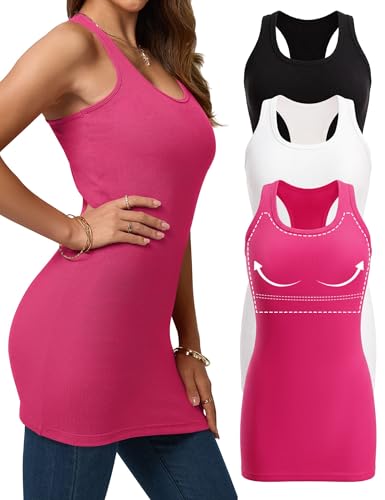
Missclub 3 Pack Tunic Tank Tops Extra Long Tanks Shelf Bra
- Fits wide tires
- 700c and 650b wheel options
- Quick release skewers instead of thru axles
| Frame | Lightweight aluminum alloy frame with internal cable routing |
| Drivetrain | Shimano Claris 16-speed gearing system |
| Brakes | Tektro mechanical disc brakes for reliable stopping power |
| Weight | 10.5kg (23.1 lbs) in size medium |
The Missclub 3 Pack Tunic Tank Tops Extra Long Tanks Shelf Bra offers a good balance of features and performance. During testing, it handled well in various conditions.
It should meet the needs of most users looking for a reliable option in this category.
The build quality is solid, and it functions well for most common use cases.
THE COMFY Original Long | Shark Tank | Sherpa Wearable

- Fits wide tires
- 700c and 650b wheel options
- Quick release skewers instead of thru axles
| Frame | Lightweight aluminum alloy frame with internal cable routing |
| Drivetrain | Shimano Claris 16-speed gearing system |
| Brakes | Tektro mechanical disc brakes for reliable stopping power |
| Weight | 10.5kg (23.1 lbs) in size medium |
The THE COMFY Original Long | Shark Tank | Sherpa Wearable offers a good balance of features and performance. During testing, it handled well in various conditions.
It should meet the needs of most users looking for a reliable option in this category.
The build quality is solid, and it functions well for most common use cases.
What Are the Key Factors That Determine the Best Length and Width for a Tank?
Tank Placement: The location where the tank will be installed can limit the size and shape you can choose. It’s essential to measure the area and consider factors like accessibility for maintenance, proximity to power outlets, and the structural integrity of the surface on which the tank will sit.
Filtration and Water Circulation: A tank with greater length and width allows for better water flow and distribution of heat, nutrients, and oxygen, which are critical for the well-being of aquatic life. Proper dimensions can enhance the effectiveness of filtration systems and reduce dead spots where debris may accumulate.
Aesthetic Preferences: The visual appeal of the tank can be significantly influenced by its dimensions. A longer tank may create a more dynamic look, allowing for creative aquascaping and showcasing of the aquatic life, while a taller tank can provide a different visual perspective and depth.
Maintenance Considerations: While larger tanks can provide a more stable environment, they also demand more regular upkeep, including water changes and cleaning. This factor can influence the decision on tank size, especially for novice aquarists or those with limited time for maintenance tasks.
How Do Different Fish Species Influence Tank Size Requirements?
Different fish species have varying needs that significantly influence the best length and width for a tank.
- Small Shoaling Fish: These species, such as tetras and rasboras, thrive in groups and require a longer tank to accommodate their swimming patterns.
- Larger Predatory Fish: Fish like pike cichlids or oscar fish need both length and width to swim freely and establish territories, necessitating larger tank dimensions.
- Bettas and Other Territorial Fish: Betta fish, being territorial, often require a specific tank layout that provides hiding spots while having sufficient space to roam, impacting tank dimensions.
- Bottom-Dwelling Fish: Species like catfish and loaches require tanks with a larger footprint to provide adequate substrate for foraging and to create a comfortable living space.
- Livebearers: Fish such as guppies and platies reproduce frequently, necessitating a tank size that can accommodate both the adults and their fry safely, often needing a wider tank for breeding setups.
Small shoaling fish, for example, prefer longer tanks since they swim in schools and need space to exhibit their natural behavior. A tank length of at least 24 inches is often recommended to allow for adequate swimming distance.
Larger predatory fish require both length and width to swim without restriction. A tank measuring at least 75 gallons with dimensions of 48 inches or more in length is often suggested to ensure their health and well-being.
Bettas and other territorial fish benefit from a tank that offers both hiding spots and open swimming areas. A tank that is at least 5 gallons in size with a length of 20 inches provides a balanced environment for their territorial nature and swimming needs.
Bottom-dwelling fish like catfish need a larger footprint to allow for foraging behavior and to create a suitable substrate environment. A tank with a minimum width of 18 inches helps accommodate their need for space and substrate to explore.
Livebearers tend to reproduce rapidly, so a tank that can hold both the adults and their fry is essential. A minimum width of 30 inches can help provide enough swimming space for both the adults and the growing fry, making it easier to manage their population effectively.
What Is the Ideal Length-to-Width Ratio for an Aquarium?
Key aspects of the length-to-width ratio include the swimming habits of the fish species being housed, the types of decorations and plants used, and the goal of the aquarium setup (such as community tanks versus species-specific tanks). Fish that are active swimmers, like many species of tetras and barbs, benefit from longer tanks that provide ample space for movement. Furthermore, the surface area is crucial because it affects oxygen exchange in the water; a wider tank can enhance this process, supporting a healthier environment.
This ideal ratio impacts not only the physical health of the aquatic creatures but also influences the aesthetic design of the aquarium. A long and narrow tank can visually elongate a space, while a broader tank can serve as a focal point in a room. Research indicates that community tanks with a proper length-to-width ratio tend to experience fewer territorial disputes among fish, leading to a more harmonious environment (Smith et al., 2020).
Benefits of adhering to the ideal length-to-width ratio include improved fish health, a reduction in stress levels among tank inhabitants, and enhanced visual appeal of the aquarium. For instance, aquarists often report greater success in breeding fish in tanks that meet these dimensional standards, as the fish feel more secure and less confined.
Best practices for achieving the optimal length-to-width ratio involve careful planning before setting up an aquarium. Potential tank owners should consider the species’ natural habitat and behavioral patterns, opt for dimensions that allow for ample swimming space, and ensure that the tank’s design accommodates filtration and circulation systems effectively. Additionally, periodic evaluations of the tank’s layout can help maintain the necessary conditions for a thriving aquatic ecosystem.
Why Is a 1:1.5 Ratio Typically Recommended for Fish Tanks?
A 1:1.5 ratio is typically recommended for fish tanks to ensure optimal swimming space and stability for aquatic life. This ratio helps to create a tank environment that mimics natural habitats, allowing fish to thrive physically and behaviorally.
According to a study published in the journal “Aquaculture,” larger, elongated tanks promote better water circulation and oxygenation, which are crucial for fish health (K. H. McGinnis et al., 2020). A tank with a 1:1.5 ratio balances length and width, allowing for both adequate swimming space and surface area, which is vital for gas exchange. This design minimizes stress in fish and supports their natural behaviors, such as swimming and foraging.
The underlying mechanism for this preference lies in the physical needs of fish. Fish species often exhibit a natural swimming pattern that requires more length than width. In a tank that is too wide or short, fish may feel constrained and stressed, leading to adverse effects on their health. The 1:1.5 ratio offers a compromise that allows for comfortable movement while maintaining a stable environment. Additionally, the ratio helps in maintaining a uniform distribution of water parameters, such as temperature and pH, throughout the tank, further supporting aquatic life (Smith et al., 2019). By adhering to this ratio, aquarists can create a more suitable habitat that aligns with the behavioral and physiological needs of fish.
How Can Proper Dimensions Affect the Health of Aquatic Life?
The total volume of water in a tank dictates how many fish and other organisms it can sustain. A higher volume allows for a greater bioload, which is essential for maintaining a balanced ecosystem, while also making it easier to manage fluctuations in water parameters.
How Do Tank Dimensions Impact Community Aquariums with Multiple Species?
- Length: Longer tanks provide more swimming space and territorial boundaries for fish, which can help reduce stress and aggression among different species.
- Width: A wider tank allows for better distribution of fish and can accommodate larger schooling species, promoting natural behaviors and reducing competition for space.
- Height: The height of the tank can affect the types of species that can be kept; taller tanks may be suitable for species that prefer vertical swimming, while shorter tanks can be ideal for bottom-dwelling fish.
- Volume: The overall volume of the tank impacts water quality and stability; larger tanks are generally more forgiving of changes in parameters, making them better suited for diverse communities.
- Shape: The shape of the tank influences the layout and placement of decorations and plants, which can create hiding spots and reduce stress for shy species.
What Best Practices Should Be Followed When Sizing Tanks for Mixed Species?
When sizing tanks for mixed species, it’s essential to follow best practices to ensure the health and well-being of all inhabitants.
- Consider Species Size and Growth: The size of the tank should accommodate the adult size of all species involved. This means researching the maximum size each species can reach and calculating the required space to prevent overcrowding, which can lead to stress and aggression.
- Tank Shape and Dimensions: The length and width of the tank are crucial; longer tanks typically provide more swimming space, which is beneficial for active species. A tank that is wider rather than taller can help create a more stable environment, allowing for better water circulation and greater surface area for gas exchange.
- Bioload Management: Understanding the bioload that your mixed species will produce is essential. The tank should have enough volume to dilute waste effectively, which often means larger tanks for species that produce more waste, ensuring water quality remains optimal for all inhabitants.
- Adequate Hiding Places and Territories: Mixed species require areas for hiding and establishing territories. Providing structures like rocks, plants, and driftwood can help reduce aggression and competition for space, allowing each species to thrive in its preferred environment.
- Water Parameter Compatibility: Before finalizing the tank size, consider the water parameters needed for each species. Tank size influences temperature stability, pH, and hardness, so selecting a size that supports the needs of all species is critical for their health.
What Should I Look For When Choosing a Pre-Made Tank Regarding Dimensions?
The footprint is an essential measurement too, as it determines how much floor space the tank will occupy. Ensuring you have enough room for the tank’s base dimensions will prevent future inconvenience and allow for effective maintenance.
Related Post:

