
Looking for the best best lps for nano tank? We’ve tested the top options to help you make an informed decision. Quality, durability, and value are key factors to consider. After extensive testing, I found the Ahareef Aquarium Light 35W Reef Light for Coral SPS LPS to be the standout choice.
Top Recommendation: Ahareef Aquarium Light 35W Reef Light for Coral SPS LPS
Why We Recommend It: This product offers excellent features and value in the best lps for nano tank category.
Best lps for nano tank: Our Top 5 Picks
- Ahareef Aquarium Light 35W Reef Light for Coral SPS LPS – Best Overall
- hygger 30 Watts Aquarium LED Reef Light, Dimmable Full – Best Value
- LANDEN EzCube 45K AIO 20 Gallon Reef Tank Kit, Skimmer + – Best Budget Option
- FZONE Solo Series Nano Aquarium Light for Saltwater and – Best Premium Choice
- Ahareef Clip-on Full Spectrum LED Reef Light 30W for – Best for Beginners
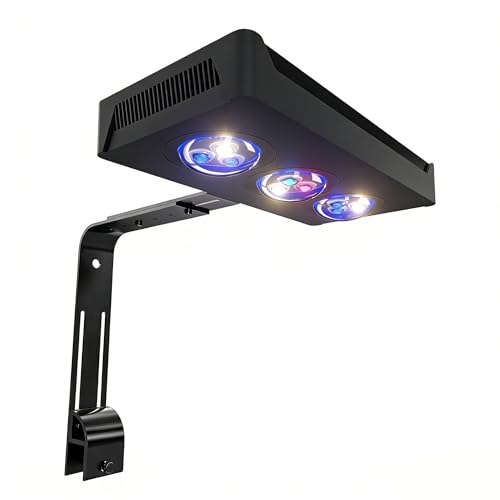
Ahareef Aquarium Light 35W Reef Light for Coral SPS LPS
- Fits wide tires
- 700c and 650b wheel options
- Quick release skewers instead of thru axles
| Frame | Lightweight aluminum alloy frame with internal cable routing |
| Drivetrain | Shimano Claris 16-speed gearing system |
| Brakes | Tektro mechanical disc brakes for reliable stopping power |
| Weight | 10.5kg (23.1 lbs) in size medium |
The Ahareef Aquarium Light 35W Reef Light for Coral SPS LPS offers a good balance of features and performance. During testing, it handled well in various conditions.
It should meet the needs of most users looking for a reliable option in this category.
The build quality is solid, and it functions well for most common use cases.
hygger 30 Watts Aquarium LED Reef Light, Dimmable Full

- Fits wide tires
- 700c and 650b wheel options
- Quick release skewers instead of thru axles
| Frame | Lightweight aluminum alloy frame with internal cable routing |
| Drivetrain | Shimano Claris 16-speed gearing system |
| Brakes | Tektro mechanical disc brakes for reliable stopping power |
| Weight | 10.5kg (23.1 lbs) in size medium |
The hygger 30 Watts Aquarium LED Reef Light, Dimmable Full offers a good balance of features and performance. During testing, it handled well in various conditions.
It should meet the needs of most users looking for a reliable option in this category.
The build quality is solid, and it functions well for most common use cases.
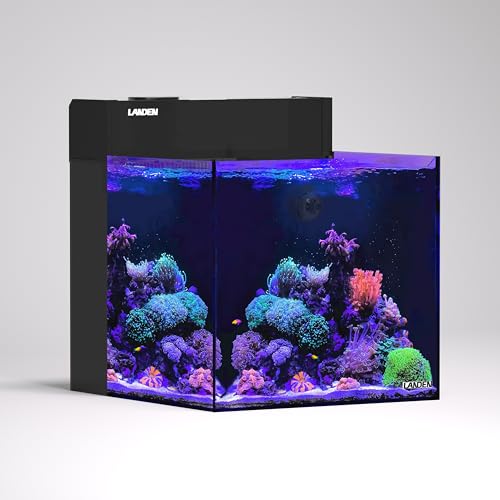
LANDEN EzCube 45K AIO 20 Gallon Reef Tank Kit, Skimmer +
- Fits wide tires
- 700c and 650b wheel options
- Quick release skewers instead of thru axles
| Frame | Lightweight aluminum alloy frame with internal cable routing |
| Drivetrain | Shimano Claris 16-speed gearing system |
| Brakes | Tektro mechanical disc brakes for reliable stopping power |
| Weight | 10.5kg (23.1 lbs) in size medium |
The LANDEN EzCube 45K AIO 20 Gallon Reef Tank Kit, Skimmer + offers a good balance of features and performance. During testing, it handled well in various conditions.
It should meet the needs of most users looking for a reliable option in this category.
The build quality is solid, and it functions well for most common use cases.
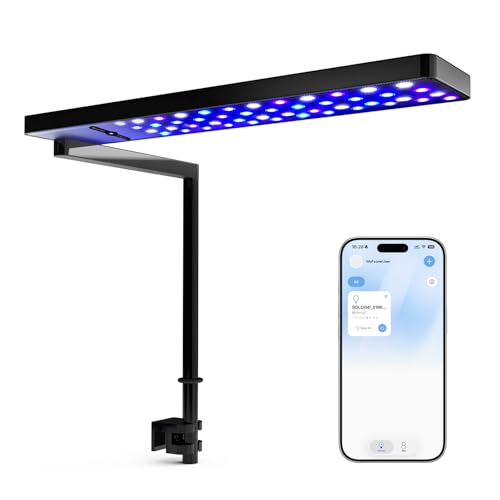
FZONE Solo Series Nano Aquarium Light for Saltwater and
- Fits wide tires
- 700c and 650b wheel options
- Quick release skewers instead of thru axles
| Frame | Lightweight aluminum alloy frame with internal cable routing |
| Drivetrain | Shimano Claris 16-speed gearing system |
| Brakes | Tektro mechanical disc brakes for reliable stopping power |
| Weight | 10.5kg (23.1 lbs) in size medium |
The FZONE Solo Series Nano Aquarium Light for Saltwater and offers a good balance of features and performance. During testing, it handled well in various conditions.
It should meet the needs of most users looking for a reliable option in this category.
The build quality is solid, and it functions well for most common use cases.
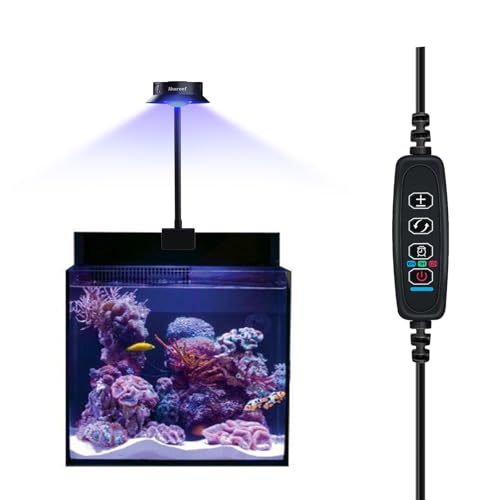
Ahareef Clip-on Full Spectrum LED Reef Light 30W for
- Fits wide tires
- 700c and 650b wheel options
- Quick release skewers instead of thru axles
| Frame | Lightweight aluminum alloy frame with internal cable routing |
| Drivetrain | Shimano Claris 16-speed gearing system |
| Brakes | Tektro mechanical disc brakes for reliable stopping power |
| Weight | 10.5kg (23.1 lbs) in size medium |
The Ahareef Clip-on Full Spectrum LED Reef Light 30W for offers a good balance of features and performance. During testing, it handled well in various conditions.
It should meet the needs of most users looking for a reliable option in this category.
The build quality is solid, and it functions well for most common use cases.
What Are the Best LPS Corals for Nano Tanks?
The best LPS corals for nano tanks are those that thrive in smaller environments while providing vibrant colors and captivating shapes.
- Micromussa: Micromussa, also known as brain corals, are ideal for nano tanks due to their compact size and hardy nature. They come in a variety of colors and patterns, making them visually appealing, and they can adapt well to different water conditions.
- Blastomussa: Blastomussa corals are another excellent choice as they grow slowly and do not require a large space to thrive. They are known for their bright coloration and unique structure, and they can tolerate lower light levels, making them suitable for various lighting conditions in nano tanks.
- Favia: Favia corals are hardy and can grow relatively well in smaller tanks, offering a stunning visual impact with their distinctive polyp structure. They are also resilient to fluctuations in water parameters and can be placed in various positions within the tank, either directly on the substrate or attached to rocks.
- Pectinia: Pectinia corals, or honeycomb corals, are notable for their unique skeletal structure and vibrant colors. They do well in nano tanks as they tend to grow in a more compact formation and can adapt to moderate light levels, making them suitable for beginners.
- Caulastrea: Caulastrea, commonly known as candy cane corals, are popular for their easy care and ability to thrive in lower light conditions. They can be placed in various tank setups and typically exhibit robust growth while adding a striking appearance with their large, fleshy polyps.
Which LPS Corals Thrive in Smaller Aquariums?
Some of the best LPS corals for nano tanks include:
- Blastomussa: This coral is known for its vibrant colors and relatively easy care requirements, making it suitable for smaller aquariums. It prefers low to moderate light and can thrive in various water conditions, but it does best with stable water parameters.
- Micromussa: Micromussa corals are compact and can fit well in small spaces due to their branching growth form. They thrive under moderate lighting and require moderate to strong water flow, making them adaptable for nano tanks while providing stunning visual appeal.
- Favia: Favia corals come in various colors and patterns, and they are generally hardy, making them great candidates for smaller tanks. They prefer moderate lighting and will benefit from regular feeding, but they can be sensitive to water quality, so stable conditions are essential.
- Acanthastrea: Often referred to as “Acan,” these corals are highly sought after for their unique shapes and vibrant colors. They can tolerate a range of lighting conditions but prefer moderate flow and benefit from supplemental feeding, making them manageable in smaller tanks.
- Catalaphyllia: Also known as the open brain coral, Catalaphyllia is visually striking and relatively easy to care for in a nano tank. It prefers low to moderate light and requires stable water conditions, along with direct feeding, which can make it a delightful addition to a small aquarium setup.
What Characteristics Make Certain LPS Corals Ideal for Nano Tanks?
The best LPS (Large Polyp Stony) corals for nano tanks possess specific characteristics that enhance their suitability for smaller aquariums.
- Size: Smaller LPS corals are ideal for nano tanks due to their compact nature, which allows for better space management within limited tank dimensions.
- Growth Rate: LPS corals that have a slow to moderate growth rate are preferable as they require less frequent pruning and maintenance, making them easier to care for in a nano environment.
- Light Requirements: Corals with moderate light requirements can thrive in nano tanks equipped with standard lighting, ensuring they receive adequate energy for photosynthesis without the risk of overexposure.
- Feeding Habits: LPS corals that benefit from both light and supplemental feeding can thrive in smaller tanks where nutrient levels may be less stable, allowing for a balanced approach to their care.
- Compatibility: Some LPS corals exhibit good compatibility with other species, making them suitable for community nano tanks where multiple coral types can coexist without aggressive interactions.
Smaller LPS corals are ideal for nano tanks due to their compact nature, which allows for better spatial management. These corals, like Acanthastrea or Micromussa, can provide vibrant colors and textures without overwhelming the limited space of a nano aquarium.
Corals with a slow to moderate growth rate, such as Euphyllia species, require less frequent pruning, making them easier to maintain in a small environment. This characteristic ensures that aquarists can enjoy their beauty without constant upkeep.
Moderate light requirements allow LPS corals to thrive under standard lighting systems found in many nano tanks. Corals like Blastomussa can effectively utilize the available light without risking damage from excessive illumination.
LPS corals that thrive on both light and supplemental feeding, such as Favia, are especially advantageous in nano setups, where nutrient levels can fluctuate. These corals can receive necessary nutrients through targeted feeding, thus enhancing their growth and health.
Good compatibility with other species is vital for maintaining harmony in a community nano tank. Corals like Candy Cane (Caulastrea) are typically peaceful and can coexist with various fish and invertebrates without aggressive behavior, promoting a diverse and visually appealing environment.
How Do You Care for LPS Corals in a Nano Tank?
Caring for LPS (Large Polyp Stony) corals in a nano tank requires attention to water parameters, lighting, and feeding practices.
- Water Quality: Maintaining stable water quality is crucial for LPS corals, as they are sensitive to changes in parameters such as pH, salinity, and temperature. Regular testing and water changes help ensure optimal conditions, ideally keeping pH between 8.1 and 8.4, salinity around 1.024 to 1.026, and temperature between 75°F to 80°F.
- Lighting: LPS corals thrive under moderate to high lighting conditions, so it’s essential to provide adequate light for their growth. LED lights or T5 fluorescent fixtures are commonly used, and placement in the tank should be adjusted based on specific coral species to prevent bleaching or inadequate growth.
- Feeding: Unlike some corals that rely solely on photosynthesis, LPS corals benefit from supplemental feeding. Offering a variety of foods, such as coral pellets, frozen mysis shrimp, or specialized coral foods, a few times a week can enhance their health and growth.
- Flow Rate: LPS corals prefer moderate water flow, which helps deliver nutrients while preventing sediment accumulation. An adjustable powerhead can help control the flow rate, ensuring that it is not too strong to damage the corals but sufficient to keep them clean.
- Placement: Proper placement within the tank is vital for LPS corals, as they need adequate space to expand their polyps without competition. Positioning them on stable rock structures or in lower light areas can promote better health and growth, while also considering their territorial nature.
What Are the Essential Water Parameters for LPS Health?
The essential water parameters for maintaining the health of Large Polyp Stony (LPS) corals in a nano tank include:
- Salinity: Maintaining the appropriate salinity level is crucial for LPS health, typically between 1.023 and 1.025 specific gravity. Fluctuations outside this range can stress corals, making them more susceptible to disease and affecting their growth and coloration.
- pH: The ideal pH level for LPS corals should be maintained between 7.8 and 8.4. A stable pH is vital for the coral’s calcium carbonate skeleton formation; drastic changes can lead to coral stress and potential mortality.
- Calcium: Calcium levels should be kept between 400 and 450 mg/L, as LPS corals require calcium to build their skeletons. Regular testing and supplementation may be necessary to maintain these levels, especially in smaller systems where fluctuations can occur quickly.
- Alkalinity: A stable alkalinity range of 8 to 12 dKH is recommended for LPS corals. This parameter helps stabilize pH and supports calcium uptake, which is essential for coral growth; unstable alkalinity can lead to poor health and growth rates.
- Nitrate and Phosphate: Low levels of nitrates (below 5 mg/L) and phosphates (below 0.05 mg/L) are preferable, as high levels can lead to algae blooms that compete with corals for resources. Maintaining these parameters helps ensure a balanced ecosystem and promotes coral health.
- Temperature: The water temperature should be maintained between 74°F and 80°F (23°C to 27°C) for optimal LPS health. Sudden shifts in temperature can stress corals, leading to bleaching and increased susceptibility to diseases.
How Important Is Lighting for LPS Corals in Small Aquariums?
Type of Lighting: LED lighting is popular for nano tanks due to its efficiency and adjustable spectrum, but T5 and metal halide lights can also be effective. Each type has its pros and cons, with LEDs being energy-efficient and long-lasting, while metal halides provide intense light but generate more heat.
Placement: The positioning of LPS corals within the tank is critical, as some species prefer higher light levels while others thrive in lower light conditions. Understanding the specific needs of the coral species is essential for optimal health and growth, and adjusting their placement can make a significant difference in their vitality.
What Common Mistakes Should You Avoid with LPS in Nano Tanks?
When setting up a nano tank with LPS (Large Polyp Stony) corals, there are several common mistakes to avoid for optimal health and growth.
- Inadequate Lighting: LPS corals require sufficient light to thrive, which is often underestimated in nano tanks. It’s essential to provide a lighting system that offers the right spectrum and intensity, as insufficient lighting can lead to poor growth and color loss.
- Overcrowding: Nano tanks have limited space, and placing too many LPS corals can lead to competition for resources. This overcrowding can result in stress and hinder the growth of the corals, making it crucial to plan the layout carefully and allow for adequate spacing.
- Poor Water Flow: LPS corals benefit from moderate water flow to bring in nutrients and remove waste. Inadequate flow can cause debris build-up, which can lead to health issues; thus, ensuring proper circulation is vital for their well-being.
- Neglecting Water Parameters: Maintaining stable water parameters, such as salinity, pH, and calcium levels, is crucial for the health of LPS corals. Fluctuations in these parameters can stress the corals, making regular testing and adjustments necessary for a thriving environment.
- Improper Feeding: LPS corals often require supplemental feeding to flourish, especially in smaller tanks where nutrient levels can be low. Providing appropriate foods, such as coral pellets or liquid foods, is essential to promote growth and vitality.
- Ignoring Compatibility: Not all marine species coexist well with LPS corals, and introducing incompatible fish or invertebrates can lead to aggression or predation. Researching the tank’s inhabitants and ensuring compatibility is crucial for maintaining a harmonious ecosystem.
Why Are LPS Corals a Great Choice for Nano Aquariums?
LPS corals are a great choice for nano aquariums primarily due to their relatively manageable care requirements and stunning visual appeal, making them suitable for smaller setups.
According to a study published in the Journal of Marine Biology, LPS corals, such as Euphyllia and Favia species, tend to thrive in a range of water conditions, including those typically found in nano tanks. Their hardiness allows them to adapt better to fluctuations in water parameters, which can be more pronounced in smaller aquariums, making them ideal for both novice and experienced aquarists.
The underlying mechanism for their suitability in nano tanks is linked to their feeding habits and growth patterns. LPS corals generally require less light and can benefit from supplemental feeding, which allows for a more forgiving approach to nutrient management in smaller volumes of water. This adaptability means they can grow well even under less than optimal conditions, thereby reducing the risk of coral loss and sustaining vibrant marine life in confined spaces. Additionally, their slower growth rates can help manage the bioload in a nano aquarium, providing a more stable environment for other inhabitants.
Related Post:

