
Looking for the best best solenoid valve for aquarium? We’ve tested the top options to help you make an informed decision. Quality, durability, and value are key factors to consider. After extensive testing, I found the FZONE All-in-One CO₂ Solenoid Valve, Built-in check valve & to be the standout choice.
Top Recommendation: FZONE All-in-One CO₂ Solenoid Valve, Built-in check valve &
Why We Recommend It: This product offers excellent features and value in the best solenoid valve for aquarium category.
Best solenoid valve for aquarium: Our Top 5 Picks
- FZONE All-in-One CO₂ Solenoid Valve, Built-in check valve & – Best Overall
- Clscea Inline CO2 Solenoid Valve Mini Low Temperature for – Best Value
- FZONE CO2 Solenoid Valve Adapter for Desktop Aquarium CO2 – Best Budget Option
- FZONE Aquarium CO2 Generator Solenoid Component Solenoid – Best Premium Choice
- Hygger CO2 Aquarium Regulator Dual Pressure Gauges, 12V DC – Best for Beginners
FZONE All-in-One CO₂ Solenoid Valve, Built-in check valve &

- Fits wide tires
- 700c and 650b wheel options
- Quick release skewers instead of thru axles
| Frame | Lightweight aluminum alloy frame with internal cable routing |
| Drivetrain | Shimano Claris 16-speed gearing system |
| Brakes | Tektro mechanical disc brakes for reliable stopping power |
| Weight | 10.5kg (23.1 lbs) in size medium |
The FZONE All-in-One CO₂ Solenoid Valve, Built-in check valve & offers a good balance of features and performance. During testing, it handled well in various conditions.
It should meet the needs of most users looking for a reliable option in this category.
The build quality is solid, and it functions well for most common use cases.
Clscea Inline CO2 Solenoid Valve Mini Low Temperature for

- Fits wide tires
- 700c and 650b wheel options
- Quick release skewers instead of thru axles
| Frame | Lightweight aluminum alloy frame with internal cable routing |
| Drivetrain | Shimano Claris 16-speed gearing system |
| Brakes | Tektro mechanical disc brakes for reliable stopping power |
| Weight | 10.5kg (23.1 lbs) in size medium |
The Clscea Inline CO2 Solenoid Valve Mini Low Temperature for offers a good balance of features and performance. During testing, it handled well in various conditions.
It should meet the needs of most users looking for a reliable option in this category.
The build quality is solid, and it functions well for most common use cases.
FZONE CO2 Solenoid Valve Adapter for Desktop Aquarium CO2

- Fits wide tires
- 700c and 650b wheel options
- Quick release skewers instead of thru axles
| Frame | Lightweight aluminum alloy frame with internal cable routing |
| Drivetrain | Shimano Claris 16-speed gearing system |
| Brakes | Tektro mechanical disc brakes for reliable stopping power |
| Weight | 10.5kg (23.1 lbs) in size medium |
The FZONE CO2 Solenoid Valve Adapter for Desktop Aquarium CO2 offers a good balance of features and performance. During testing, it handled well in various conditions.
It should meet the needs of most users looking for a reliable option in this category.
The build quality is solid, and it functions well for most common use cases.
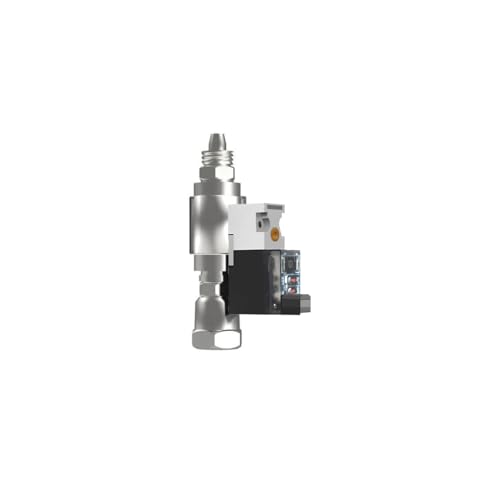
FZONE Aquarium CO2 Generator Solenoid Component Solenoid
- Fits wide tires
- 700c and 650b wheel options
- Quick release skewers instead of thru axles
| Frame | Lightweight aluminum alloy frame with internal cable routing |
| Drivetrain | Shimano Claris 16-speed gearing system |
| Brakes | Tektro mechanical disc brakes for reliable stopping power |
| Weight | 10.5kg (23.1 lbs) in size medium |
The FZONE Aquarium CO2 Generator Solenoid Component Solenoid offers a good balance of features and performance. During testing, it handled well in various conditions.
It should meet the needs of most users looking for a reliable option in this category.
The build quality is solid, and it functions well for most common use cases.
Hygger CO2 Aquarium Regulator Dual Pressure Gauges, 12V DC

- Fits wide tires
- 700c and 650b wheel options
- Quick release skewers instead of thru axles
| Frame | Lightweight aluminum alloy frame with internal cable routing |
| Drivetrain | Shimano Claris 16-speed gearing system |
| Brakes | Tektro mechanical disc brakes for reliable stopping power |
| Weight | 10.5kg (23.1 lbs) in size medium |
The Hygger CO2 Aquarium Regulator Dual Pressure Gauges, 12V DC offers a good balance of features and performance. During testing, it handled well in various conditions.
It should meet the needs of most users looking for a reliable option in this category.
The build quality is solid, and it functions well for most common use cases.
What Makes a Solenoid Valve Essential for Aquarium Use?
Durability and Reliability: Designed to withstand constant use in aquatic environments, high-quality solenoid valves are built to be resistant to corrosion and wear, ensuring long-term operation. A reliable solenoid valve reduces the risk of failure, which can lead to serious problems in the aquarium.
Energy Efficiency: When used correctly, solenoid valves can significantly reduce water and energy waste by only operating when necessary, which contributes to sustainability in aquarium maintenance. This efficiency not only saves costs but also promotes environmentally friendly practices among aquarium keepers.
What Are the Primary Benefits of Installing a Solenoid Valve in an Aquarium System?
The primary benefits of installing a solenoid valve in an aquarium system include enhanced control over water flow, improved automation, and protection against backflow.
- Enhanced Water Flow Control: A solenoid valve allows for precise regulation of water flow in an aquarium system. This means aquarists can easily adjust the water supply to different areas of the tank, ensuring optimal conditions for aquatic life.
- Improved Automation: By integrating a solenoid valve with timers or automated systems, aquarists can streamline tasks such as water changes or nutrient dosing. This automation reduces manual labor and helps maintain consistent water quality, which is crucial for the health of fish and plants.
- Protection Against Backflow: Solenoid valves can prevent backflow, which is the undesirable reverse flow of water that may introduce contaminants into the aquarium. This protection is vital for maintaining a clean and healthy environment for aquatic organisms.
- Energy Efficiency: Solenoid valves can be designed to operate only when needed, which can save energy and reduce costs compared to continuously running pumps or other systems. This efficiency is particularly beneficial for larger aquariums or systems with multiple components.
- Flexibility in System Design: The use of solenoid valves allows for more complex and customized aquarium setups. Aquarists can create specific zones or sections within the aquarium system that can be controlled independently, enhancing both functionality and aesthetics.
What Key Features Should You Look for When Selecting the Best Solenoid Valve for Your Aquarium?
When selecting the best solenoid valve for your aquarium, consider the following key features:
- Material: The material of the solenoid valve is crucial for durability and compatibility with water conditions.
- Pressure Rating: Ensure the solenoid valve can handle the pressure levels in your aquarium setup.
- Coil Voltage: The voltage rating of the coil must match your power supply for efficient operation.
- Flow Rate: Consider the flow rate to ensure it meets the needs of your specific aquarium system.
- Size and Compatibility: The valve must fit your plumbing setup and be compatible with other equipment.
- Response Time: A fast response time can be essential for maintaining proper water conditions.
- Ease of Installation: Look for a valve that is straightforward to install to avoid complications during setup.
- Brand Reputation and Reviews: Researching brand reputation and customer reviews can provide insights into reliability and performance.
The material of the solenoid valve is crucial for durability and compatibility with water conditions. Common materials include brass, plastic, and stainless steel, each offering varying levels of resistance to corrosion and wear, which is particularly important in the aquatic environment.
Ensure the solenoid valve can handle the pressure levels in your aquarium setup. Different aquariums may require different pressure thresholds, so checking the valve’s specifications against your system is vital to prevent leaks or failures.
The voltage rating of the coil must match your power supply for efficient operation. Most aquarium solenoids operate on either 12V or 24V, and using the incorrect voltage can lead to malfunction or damage.
Consider the flow rate to ensure it meets the needs of your specific aquarium system. A valve with too low of a flow rate may restrict water movement, while one that is too high can disrupt the delicate balance in your aquarium.
The valve must fit your plumbing setup and be compatible with other equipment. This includes checking the size of the inlet and outlet ports to ensure a proper fit with existing hoses and fittings.
A fast response time can be essential for maintaining proper water conditions. A solenoid valve that reacts quickly to changes in system demands can help maintain stable water parameters, which is critical for the health of aquarium inhabitants.
Look for a valve that is straightforward to install to avoid complications during setup. Some solenoid valves come with clear instructions and fittings that make installation easier, saving you time and effort.
Researching brand reputation and customer reviews can provide insights into reliability and performance. A well-reviewed product from a reputable brand is often a safer investment, as it indicates a history of customer satisfaction and product quality.
How Does the Size of a Solenoid Valve Impact Its Performance in Aquatic Systems?
- Flow Rate: The size of the solenoid valve determines the maximum flow rate of water through it. A larger valve allows for greater flow, which can be crucial for larger aquariums or systems where high water turnover is necessary to maintain water quality and circulation.
- Pressure Drop: A smaller solenoid valve may create a higher pressure drop, which can lead to inefficiencies and reduced performance in the system. This is particularly important in applications where maintaining consistent pressure is vital for the health of aquatic life.
- Installation Space: The physical size of the valve can impact installation options within an aquarium setup. A compact valve might fit better in tight spaces, while larger valves could require more room and potentially complicate the layout of piping and equipment.
- Compatibility with Accessories: The size of the solenoid valve should match the size of the pipes and other components in the aquatic system. Using mismatched sizes can lead to leaks or ineffective operation, affecting water delivery and overall system reliability.
- Response Time: The size of the valve can also influence the response time to signals from controllers or timers. A properly sized solenoid valve will react more efficiently, ensuring that water flow is adjusted quickly to meet the demands of the aquarium.
Which Materials Are Most Suitable for Solenoid Valves in Aquariums to Prevent Corrosion?
The most suitable materials for solenoid valves in aquariums to prevent corrosion include:
- Brass: Brass solenoid valves are commonly used due to their strength and resistance to corrosion, particularly when treated with a protective coating. However, they may not be ideal for freshwater aquariums as they can leach copper, which can be harmful to fish and plants.
- Stainless Steel: Stainless steel is an excellent choice for solenoid valves in aquariums due to its superior corrosion resistance and durability. Marine-grade stainless steel, specifically, is designed to withstand harsh environments, making it ideal for both freshwater and saltwater applications.
- Plastic (PVC or CPVC): Plastic solenoid valves are highly resistant to corrosion and are lightweight, making them suitable for aquarium use. They are often used in environments where water quality is critical, as they do not leach harmful substances into the water.
- Bronze: Bronze solenoid valves provide good corrosion resistance and strength, making them suitable for various aquarium conditions. However, like brass, they can contain copper, which might pose risks in sensitive aquatic environments.
- Polypropylene: Polypropylene is a highly resistant thermoplastic that can handle both acidic and alkaline environments, making it suitable for aquarium solenoid valves. Its non-corrosive nature ensures that it won’t affect water chemistry, making it a safe option for delicate aquatic life.
What Are the Top Available Solenoid Valve Options for Aquariums?
The best solenoid valves for aquariums ensure efficient control of water flow and are reliable for various aquatic setups.
- AquaMedic Solenoid Valve: This valve is known for its high-quality construction and durability, making it suitable for both freshwater and saltwater aquariums.
- Fluval Solenoid Valve: Designed for ease of use, this valve integrates seamlessly with Fluval’s line of products and offers precise control over CO2 injection systems.
- Techtongda Solenoid Valve: With a robust design, this solenoid valve is ideal for automated systems and provides consistent performance for aquarium enthusiasts.
- Hydor Solenoid Valve: This option is recognized for its compact size and efficient operation, making it a great choice for smaller aquarium setups.
- GROVE Solenoid Valve: A versatile valve that can be used in various applications, it is particularly effective in controlling water flow for irrigation and aquaculture systems.
The AquaMedic Solenoid Valve features a brass body that ensures long-lasting performance under various conditions, and it operates quietly while providing reliable flow control, making it a favorite among serious aquarists.
The Fluval Solenoid Valve is specifically designed to work with CO2 systems, ensuring that plants in the aquarium receive the necessary carbon dioxide for optimal growth, and its simple installation process makes it user-friendly.
The Techtongda Solenoid Valve is favored for its high output efficiency and compatibility with various aquarium setups, allowing for precise automation of water flow to maintain ideal conditions in the tank.
Hydor Solenoid Valve stands out due to its small footprint, making it perfect for tight spaces, and it is designed for easy integration with existing filtration systems, ensuring minimal disruption to the aquarium environment.
GROVE Solenoid Valve provides flexibility in installation and operation, making it suitable for a range of applications beyond aquariums, such as hydroponics, and its durable construction ensures reliable performance over time.
How Can You Effectively Maintain and Troubleshoot a Solenoid Valve in Your Aquarium Setup?
To effectively maintain and troubleshoot a solenoid valve in your aquarium setup, consider the following aspects:
- Regular Inspections: Frequent checks for leaks, corrosion, or wear can help catch potential issues early.
- Cleaning: Proper cleaning of the solenoid valve ensures that debris and algae do not obstruct its functionality.
- Electrical Checks: Testing the electrical connections and ensuring proper voltage can prevent operational failures.
- Flow Rate Monitoring: Observing changes in water flow can indicate malfunctions that need addressing.
- Replacement Schedule: Having a routine replacement schedule can help prevent unexpected failures due to wear over time.
Regular Inspections: Conducting regular inspections of your solenoid valve allows you to identify any issues such as leaks or corrosion that might compromise its function. This proactive approach can prevent more significant problems down the line that could affect your aquarium’s ecosystem.
Cleaning: Over time, solenoid valves can accumulate debris and algae, which can impede their operation. Regularly cleaning the valve and its components ensures smooth operation and prolongs the lifespan of the valve, ultimately benefiting your aquarium.
Electrical Checks: Since solenoid valves operate electrically, ensuring that all connections are secure and that the voltage is within the required range is crucial. Performing these checks can help diagnose issues related to power supply that may prevent the valve from opening or closing properly.
Flow Rate Monitoring: Keeping an eye on the water flow rate through the solenoid valve can provide insights into its operational status. A noticeable decrease or increase in flow can indicate a blockage or malfunction, prompting further investigation and action.
Replacement Schedule: Establishing a replacement schedule for your solenoid valve is essential to avoid unexpected failures due to wear and tear. By planning for regular replacements, you can maintain optimal performance in your aquarium setup and minimize disruptions to your aquatic environment.
Related Post:

