
Looking for the best best tank size for seahorses? We’ve tested the top options to help you make an informed decision. Quality, durability, and value are key factors to consider. After extensive testing, I found the Lpraer 6 Pieces Glow Aquarium Ornaments Artificial Glow to be the standout choice.
Top Recommendation: Lpraer 6 Pieces Glow Aquarium Ornaments Artificial Glow
Why We Recommend It: This product offers excellent features and value in the best tank size for seahorses category.
Best tank size for seahorses: Our Top 5 Picks
- Lpraer 6 Pieces Glow Aquarium Ornaments Artificial Glow – Best Overall
- Bestgle 3Pcs Aquarium Ornament Glowing Floating Effect – Best Value
- Aoriher 10 Pcs Artificial Fishes Floating Decorations for – Best Budget Option
- DIYBravo 8 Pieces Artificial Aquarium Fish Tank Decorations – Best Premium Choice
- TSCVPJL Cute Climbing Animal Flower Pot Huggers, Animal – Best for Beginners
Lpraer 6 Pieces Glow Aquarium Ornaments Artificial Glow

- Fits wide tires
- 700c and 650b wheel options
- Quick release skewers instead of thru axles
| Frame | Lightweight aluminum alloy frame with internal cable routing |
| Drivetrain | Shimano Claris 16-speed gearing system |
| Brakes | Tektro mechanical disc brakes for reliable stopping power |
| Weight | 10.5kg (23.1 lbs) in size medium |
The Lpraer 6 Pieces Glow Aquarium Ornaments Artificial Glow offers a good balance of features and performance. During testing, it handled well in various conditions.
It should meet the needs of most users looking for a reliable option in this category.
The build quality is solid, and it functions well for most common use cases.
Bestgle 3Pcs Aquarium Ornament Glowing Floating Effect

- Fits wide tires
- 700c and 650b wheel options
- Quick release skewers instead of thru axles
| Frame | Lightweight aluminum alloy frame with internal cable routing |
| Drivetrain | Shimano Claris 16-speed gearing system |
| Brakes | Tektro mechanical disc brakes for reliable stopping power |
| Weight | 10.5kg (23.1 lbs) in size medium |
The Bestgle 3Pcs Aquarium Ornament Glowing Floating Effect offers a good balance of features and performance. During testing, it handled well in various conditions.
It should meet the needs of most users looking for a reliable option in this category.
The build quality is solid, and it functions well for most common use cases.
Aoriher 10 Pcs Artificial Fishes Floating Decorations for

- Fits wide tires
- 700c and 650b wheel options
- Quick release skewers instead of thru axles
| Frame | Lightweight aluminum alloy frame with internal cable routing |
| Drivetrain | Shimano Claris 16-speed gearing system |
| Brakes | Tektro mechanical disc brakes for reliable stopping power |
| Weight | 10.5kg (23.1 lbs) in size medium |
The Aoriher 10 Pcs Artificial Fishes Floating Decorations for offers a good balance of features and performance. During testing, it handled well in various conditions.
It should meet the needs of most users looking for a reliable option in this category.
The build quality is solid, and it functions well for most common use cases.
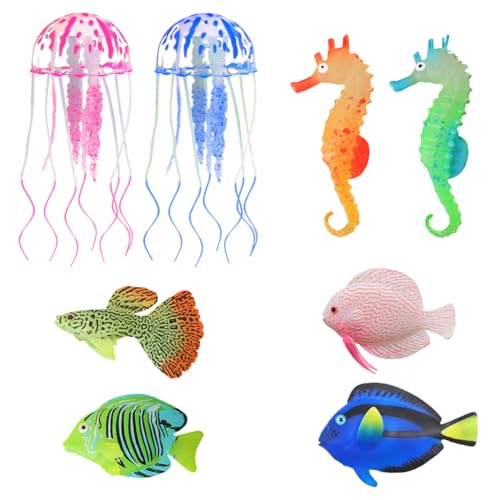
DIYBravo 8 Pieces Artificial Aquarium Fish Tank Decorations
- Fits wide tires
- 700c and 650b wheel options
- Quick release skewers instead of thru axles
| Frame | Lightweight aluminum alloy frame with internal cable routing |
| Drivetrain | Shimano Claris 16-speed gearing system |
| Brakes | Tektro mechanical disc brakes for reliable stopping power |
| Weight | 10.5kg (23.1 lbs) in size medium |
The DIYBravo 8 Pieces Artificial Aquarium Fish Tank Decorations offers a good balance of features and performance. During testing, it handled well in various conditions.
It should meet the needs of most users looking for a reliable option in this category.
The build quality is solid, and it functions well for most common use cases.
TSCVPJL Cute Climbing Animal Flower Pot Huggers, Animal

- Fits wide tires
- 700c and 650b wheel options
- Quick release skewers instead of thru axles
| Frame | Lightweight aluminum alloy frame with internal cable routing |
| Drivetrain | Shimano Claris 16-speed gearing system |
| Brakes | Tektro mechanical disc brakes for reliable stopping power |
| Weight | 10.5kg (23.1 lbs) in size medium |
The TSCVPJL Cute Climbing Animal Flower Pot Huggers, Animal offers a good balance of features and performance. During testing, it handled well in various conditions.
It should meet the needs of most users looking for a reliable option in this category.
The build quality is solid, and it functions well for most common use cases.
What Is the Ideal Tank Size for Keeping Seahorses?
In terms of benefits, having an adequately sized tank allows for the stable establishment of beneficial bacteria and a more effective filtration system. This is crucial for maintaining the nitrogen cycle and ensuring a healthy environment. Moreover, a larger tank can accommodate various tank mates, such as other peaceful fish and invertebrates, which can create a more dynamic and visually appealing ecosystem.
Best practices for setting up a tank for seahorses include using a gentle filtration system to avoid strong currents, incorporating plenty of hiding spots and anchoring surfaces, and ensuring proper water parameters, such as temperature and salinity. Regular maintenance, including water changes and monitoring of water quality, is also essential to keep the seahorses healthy in their environment.
How Many Seahorses Can I Keep in Various Tank Sizes?
For those interested in breeding or keeping larger species, a 40-gallon tank is ideal. It offers sufficient space for a breeding pair to thrive and for fry to grow without the risk of predation by adults in a crowded tank.
A 75-gallon tank is highly recommended for keeping larger species or multiple pairs of seahorses, as it allows for complex aquascaping and the inclusion of other compatible tank mates. This size mimics their natural environment more closely, promoting healthier and more active seahorses.
What Are the Minimum Tank Size Recommendations for Different Seahorse Species?
The minimum tank size recommendations for different seahorse species vary based on their specific needs and behaviors.
- Hippocampus erectus (Lined Seahorse): The minimum tank size recommended is 30 gallons.
- Hippocampus reidi (Reef Seahorse): A minimum of 20 gallons is suggested for this species.
- Hippocampus abdominalis (Big-belly Seahorse): This species thrives best in at least a 40-gallon tank.
- Hippocampus zosterae (Dwarf Seahorse): Dwarf seahorses can be kept in smaller tanks, with a minimum size of 5 gallons.
The Lined Seahorse, or Hippocampus erectus, requires a 30-gallon tank to provide ample swimming space and to help maintain stable water parameters conducive to their health and wellbeing. These seahorses can grow to about 6-8 inches and need room to engage in their natural behaviors.
The Reef Seahorse, known scientifically as Hippocampus reidi, thrives in a minimum of 20 gallons. This species is smaller than the Lined Seahorse, but they still require enough space for foraging and social interaction, making a larger tank ideal for their needs.
The Big-belly Seahorse, or Hippocampus abdominalis, is a larger species that requires at least a 40-gallon tank due to its size and specific habitat needs. This species can reach lengths of up to 12 inches, and the larger tank helps simulate their natural environment while providing adequate room for swimming and hiding.
Dwarf Seahorses, or Hippocampus zosterae, are unique in that they can thrive in much smaller tanks, with a minimum of 5 gallons recommended. They are often found in shallow waters and have a maximum size of about 2 inches, making them suitable for smaller aquariums, but careful management of water quality is crucial in these confined spaces.
How Does Tank Size Influence Water Quality and Health in a Seahorse Aquarium?
- Water Volume: Larger tanks provide a more stable environment due to the increased water volume, which helps dilute pollutants and maintain consistent water parameters.
- Swimming Space: Adequate swimming space is crucial for seahorses, as it allows them to display natural behavior and reduces stress, which can be detrimental to their health.
- Filtration Efficiency: Bigger tanks typically accommodate more effective filtration systems, leading to better water quality and less frequent maintenance requirements.
- Temperature Regulation: A larger water body retains heat better than a smaller one, making it easier to maintain a stable temperature, which is vital for the well-being of seahorses.
- Biological Stability: More significant tank sizes encourage a more diverse and stable biological community, which can help in maintaining the nitrogen cycle and overall ecosystem balance.
Biological Stability is facilitated in larger aquariums, where a more diverse microbial community can develop. This diversity aids in the establishment of a healthy nitrogen cycle, which is essential for breaking down waste products and ensuring the water remains safe for seahorses to thrive.
What Factors Should I Consider When Choosing a Tank Size for Seahorses?
When choosing the best tank size for seahorses, several factors must be considered to ensure their health and well-being.
- Species of Seahorse: Different species of seahorses have varying space requirements based on their size and behavior.
- Tank Mates: The compatibility of tank mates can influence the necessary tank size, as more inhabitants require additional space.
- Water Quality: Larger tanks generally maintain stable water quality better than smaller ones, which is crucial for seahorses’ health.
- Feeding Practices: The feeding habits and frequency can impact the tank size needed to accommodate food and prevent waste buildup.
- Breeding Considerations: If breeding is intended, a larger tank may be necessary to provide adequate space for breeding pairs and their fry.
Species of Seahorse: Different species of seahorses, such as the Hippocampus reidi or Hippocampus kuda, vary in size and behavior, which directly influences the required tank size. For instance, larger species may require more swimming space, while smaller species may thrive in slightly smaller environments, but still need enough room for natural behaviors.
Tank Mates: When considering tank mates, it’s important to ensure that the cohabitating species do not outcompete seahorses for space and food. If you plan to house multiple species together, a larger tank will help prevent territorial disputes and provide ample swimming and hiding spaces for all inhabitants.
Water Quality: The stability of water quality is vital for seahorses, as they are sensitive to fluctuations in their environment. Larger tanks have a greater volume of water, which helps dilute toxins and maintain stable parameters, reducing the frequency of water changes and stress on the seahorses.
Feeding Practices: Seahorses require a diet consisting mostly of live foods, which can lead to waste accumulation in the tank. A larger tank allows for better dispersion of uneaten food and waste, making it easier to maintain clean water conditions and ensuring seahorses can find food without competition.
Breeding Considerations: Breeding seahorses can be a rewarding experience, but it necessitates additional space for both the adults and their offspring. A larger tank is beneficial as it allows for the separation of the fry from the adults after birth and provides ample room for them to grow without overcrowding.
How Does Tank Shape Impact Seahorse Swimming and Behavior?
- Tank Shape: The shape of the tank can affect water flow and seahorse movement.
- Water Flow: Proper water flow is crucial for seahorses to thrive and exhibit natural behaviors.
- Hiding Spots: The design of the tank can provide necessary hiding spots for seahorses to feel secure.
- Social Interactions: The size and shape of the tank can impact how seahorses interact with each other.
What Are the Potential Risks of Keeping Seahorses in a Tank That Is Too Small?
Keeping seahorses in a tank that is too small can lead to various risks that affect their health and well-being.
- Stunted Growth: When seahorses are housed in a small tank, they may not have enough space to grow properly. This limited environment can lead to stress and hinder their natural growth patterns, resulting in smaller, unhealthy specimens.
- Increased Stress Levels: A cramped tank can elevate stress levels in seahorses, as they require room to swim and establish territories. High stress can weaken their immune systems, making them more susceptible to diseases and infections.
- Poor Water Quality: Smaller tanks can experience rapid fluctuations in water parameters, such as temperature and ammonia levels. This instability can lead to toxic conditions that can harm seahorses, causing health issues or even fatalities.
- Limited Swimming Space: Seahorses are unique swimmers and need space to maneuver. A small tank restricts their movement, leading to potential injuries and negatively impacting their natural behavior and feeding habits.
- Difficulty in Breeding: If you are considering breeding seahorses, a small tank can complicate the process. Seahorses require adequate space for courtship and mating rituals, and insufficient room can inhibit their ability to reproduce successfully.
How Can I Optimize My Tank Size Choice for a Balanced Seahorse Habitat?
Choosing the best tank size for seahorses is crucial for their health and well-being, as it affects their environment and behavior.
- Minimum Tank Size: A minimum tank size of 30 gallons is recommended for keeping seahorses, providing enough space for swimming and establishing territories.
- Tank Shape: The shape of the tank can influence the seahorses’ comfort; taller tanks are preferable as they offer more vertical swimming space, mimicking their natural habitat.
- Water Volume and Filtration: Larger tanks provide a more stable environment in terms of water parameters, and a good filtration system is essential to maintain water quality for these sensitive creatures.
- Number of Seahorses: The number of seahorses you intend to keep will influence the tank size; generally, more space is needed for each additional seahorse to avoid stress and competition.
- Companion Species: If you plan to introduce other marine species, consider a larger tank to accommodate different habitats and reduce territorial disputes.
- Decor and Structure: Providing ample hiding spots and structures in the tank is important; a larger tank allows for more decorations like plants and rocks that mimic a natural seahorse environment.
The minimum tank size of 30 gallons ensures that seahorses have sufficient room to swim freely and establish their territories, which is vital for their well-being. A taller tank is particularly beneficial, as seahorses tend to prefer vertical space, allowing them to navigate naturally. Proper filtration and water circulation are critical in larger tanks, helping to maintain consistent water quality that is essential for seahorse health.
When considering the number of seahorses, it is important to provide at least 10 gallons of additional space for each additional seahorse to prevent overcrowding. If you wish to include other species in the tank, a larger size will help maintain peace among the inhabitants by allowing them to claim their own space. Additionally, the inclusion of various decorations will not only enhance the aesthetic appeal of the tank but also create a more enriching environment for the seahorses, encouraging natural behaviors and reducing stress.
Related Post:

