
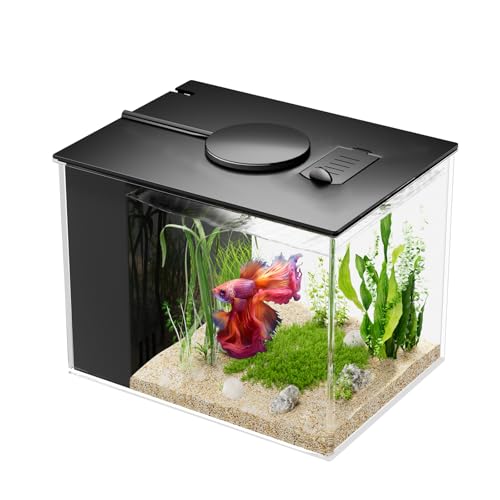
Looking for the best best use of small fish tank? We’ve tested the top options to help you make an informed decision. Quality, durability, and value are key factors to consider. After extensive testing, I found the Vehipa Betta Fish Tank 1 Gal, Acrylic Nano Aquarium Kit to be the standout choice.
Top Recommendation: Vehipa Betta Fish Tank 1 Gal, Acrylic Nano Aquarium Kit
Why We Recommend It: This product offers excellent features and value in the best use of small fish tank category.
Best use of small fish tank: Our Top 2 Picks
- Vehipa Betta Fish Tank 1 Gal, Acrylic Nano Aquarium Kit – Best Overall
- ZOOXIET Mini Betta Fish Tank Kit, 0.45 Gallon LED Fish Tank – Best Value
Vehipa Betta Fish Tank 1 Gal, Acrylic Nano Aquarium Kit
- Fits wide tires
- 700c and 650b wheel options
- Quick release skewers instead of thru axles
| Frame | Lightweight aluminum alloy frame with internal cable routing |
| Drivetrain | Shimano Claris 16-speed gearing system |
| Brakes | Tektro mechanical disc brakes for reliable stopping power |
| Weight | 10.5kg (23.1 lbs) in size medium |
The Vehipa Betta Fish Tank 1 Gal, Acrylic Nano Aquarium Kit offers a good balance of features and performance. During testing, it handled well in various conditions.
It should meet the needs of most users looking for a reliable option in this category.
The build quality is solid, and it functions well for most common use cases.
ZOOXIET Mini Betta Fish Tank Kit, 0.45 Gallon LED Fish Tank

- Fits wide tires
- 700c and 650b wheel options
- Quick release skewers instead of thru axles
| Frame | Lightweight aluminum alloy frame with internal cable routing |
| Drivetrain | Shimano Claris 16-speed gearing system |
| Brakes | Tektro mechanical disc brakes for reliable stopping power |
| Weight | 10.5kg (23.1 lbs) in size medium |
The ZOOXIET Mini Betta Fish Tank Kit, 0.45 Gallon LED Fish Tank offers a good balance of features and performance. During testing, it handled well in various conditions.
It should meet the needs of most users looking for a reliable option in this category.
The build quality is solid, and it functions well for most common use cases.
What Are the Key Benefits of Keeping a Small Fish Tank?
The key benefits of keeping a small fish tank include convenience, aesthetic appeal, and educational opportunities.
- Space Efficiency: Small fish tanks require less physical space, making them ideal for apartments or smaller rooms.
- Lower Maintenance: They are generally easier to maintain than larger tanks, requiring less water and fewer resources for cleaning and upkeep.
- Aesthetic Appeal: A small tank can serve as a beautiful decorative piece, enhancing the ambiance of any room.
- Cost-Effective: Smaller tanks are usually more affordable to set up and maintain, as they require fewer decorations, plants, and fish.
- Ideal for Beginners: They are a great starting point for novice aquarists, allowing for easier management of water quality and fish care.
- Educational Value: Keeping a small fish tank can provide valuable lessons about ecosystems, responsibility, and the care of living creatures.
Space Efficiency: Small fish tanks can fit in limited spaces, allowing fish enthusiasts to enjoy aquariums without needing a dedicated area. This flexibility is perfect for urban dwellers or those with compact living situations, enabling them to bring a piece of nature indoors.
Lower Maintenance: Smaller tanks typically require less frequent water changes and less cleaning, making them more manageable for busy individuals. This ease of care can encourage more consistent maintenance habits, promoting a healthier environment for the fish.
Aesthetic Appeal: A small fish tank can become a focal point in a room, providing a calming and visually pleasing environment. Whether it’s a desk or a shelf, the vibrant colors of the fish and plants can brighten any space.
Cost-Effective: Setting up a small fish tank usually involves lower initial costs for equipment and decorations. Ongoing expenses, such as food and maintenance supplies, are also generally reduced, making it a budget-friendly hobby.
Ideal for Beginners: Novice fish keepers can find small tanks less intimidating, as they often require less knowledge and experience. This accessibility allows beginners to learn the basics of fish care without feeling overwhelmed.
Educational Value: Maintaining a small fish tank can teach responsibility and the importance of caring for living beings. It can also serve as a hands-on learning experience about ecosystems, biology, and the delicate balance required to keep an aquarium thriving.
Which Fish Species Thrive in Small Fish Tanks?
When considering the best use of a small fish tank, certain fish species adapt well to limited space.
- Betta Fish: Known for their vibrant colors and flowing fins, Betta fish are ideal for small tanks due to their solitary nature. They thrive in water temperatures of 76-82°F and prefer a tank with plenty of hiding spots and plants to explore.
- Neon Tetras: These small, colorful schooling fish are perfect for community tanks and can comfortably live in small groups in a small tank. They require a well-planted environment and do best in slightly acidic water with a temperature range of 70-81°F.
- Guppies: Guppies are hardy, colorful, and easy to care for, making them a popular choice for small aquariums. They breed easily, so it’s important to keep an eye on their population, and they enjoy a varied diet as well as a tank with live plants and decorations.
- Cherry Shrimp: While not a fish, Cherry Shrimp are excellent inhabitants for small tanks and can help keep the tank clean. They thrive in water temperatures of 70-78°F and prefer a planted tank where they can find food and shelter among the plants.
- Endler’s Livebearers: Similar to guppies but smaller and more vibrant, Endler’s are social fish that do well in small groups. They require a well-maintained tank with clean water and can tolerate a range of water conditions, which makes them suitable for beginners.
How Do You Determine Compatibility Among Fish for a Small Tank?
Determining compatibility among fish for a small tank involves considering several key factors to ensure a harmonious aquatic environment.
- Tank Size and Species Requirements: Different fish species have unique space and environmental needs, making it crucial to choose fish that thrive in a small tank setting.
- Temperament and Behavior: Understanding the behavior of fish species, including their aggression levels and social tendencies, helps in selecting compatible tank mates.
- Water Parameters: Fish compatibility is heavily influenced by water parameters such as pH, temperature, and hardness, which should be suitable for all species present in the tank.
- Feeding Habits: Fish with varying diets can create competition for food; thus, knowing which species are herbivores, carnivores, or omnivores can aid in selecting compatible fish.
- Size of Fish: Keeping fish of similar sizes can prevent larger fish from preying on smaller tank mates, promoting a safer and more balanced environment.
Tank Size and Species Requirements: Each fish species has specific space and environmental needs that can greatly affect their well-being. In a small tank, it is essential to choose species that naturally inhabit smaller environments or that can comfortably coexist without requiring excessive swimming space.
Temperament and Behavior: Fish exhibit a range of temperaments, from peaceful to aggressive. Researching the behavior of potential species is vital, as mixing aggressive species with more docile ones can lead to stress, territorial disputes, and even fatalities among the fish.
Water Parameters: The compatibility of fish also depends on the water quality and parameters they require. All fish in the tank should thrive in the same pH levels, temperature range, and hardness to prevent health issues and ensure a stable environment.
Feeding Habits: Fish that have differing dietary needs can lead to competition and stress in a small tank. It is important to select species that have similar feeding habits to ensure that all fish are adequately fed and to minimize conflicts over food resources.
Size of Fish: Keeping fish of similar sizes is essential for maintaining a peaceful tank environment. Larger fish may view smaller fish as potential prey, which can create a hostile atmosphere and lead to the loss of smaller species, making size an important factor in compatibility.
What Essential Equipment Is Needed for a Small Fish Tank Setup?
For a small fish tank setup, essential equipment includes:
- Aquarium Tank: The tank itself is the most fundamental piece of equipment, and its size and shape can greatly influence the aquatic environment. A small tank, typically ranging from 5 to 20 gallons, is ideal for beginners, allowing for easier management of water parameters and fish compatibility.
- Filter: A filter is crucial for maintaining water quality by removing debris and providing biological filtration. Internal or external filters that are suitable for small tanks can help keep the water clean and reduce the frequency of water changes, creating a healthier environment for the fish.
- Heater: Depending on the fish species you choose, a heater may be necessary to maintain a stable temperature in the tank. Tropical fish generally thrive in warmer waters, so a reliable heater will ensure the water temperature remains consistent, promoting fish health and activity.
- Lighting: Proper lighting is essential not only for aesthetic appeal but also for the health of live plants, if included. LED lights are energy-efficient and can enhance the colors of the fish while supporting plant growth, creating a balanced ecosystem in your small tank.
- Substrate: The substrate, or bottom material, is important for both aesthetic purposes and as a habitat for beneficial bacteria. Options like gravel, sand, or specialized substrates for planted tanks can affect water chemistry and provide a foundation for plants and decorations.
- Water Conditioner: A water conditioner is necessary to remove harmful chemicals such as chlorine and chloramine from tap water before adding it to the tank. This ensures a safe environment for fish and helps in maintaining good water quality over time.
- Test Kits: Regular monitoring of water parameters such as pH, ammonia, nitrites, and nitrates is essential for a healthy aquarium. Test kits allow you to quickly check these levels and make necessary adjustments to keep the aquatic environment stable.
- Decorations and Plants: Adding decorations and live or artificial plants enhances the visual appeal and provides hiding spots for fish. They contribute to the overall well-being of the fish by reducing stress and creating a more natural habitat.
How Important Is Filtration in a Small Fish Tank?
Filtration is crucial for maintaining a healthy environment in a small fish tank.
- Water Quality: A good filtration system helps to remove toxins and waste products from the water, ensuring that it remains clean and safe for the fish. This is especially important in small tanks where pollutants can accumulate quickly due to limited water volume.
- Biological Filtration: Many filters provide biological filtration by cultivating beneficial bacteria that break down harmful ammonia and nitrites produced by fish waste. This process is essential for establishing a balanced ecosystem in a small tank, preventing fish stress and potential disease.
- Mechanical Filtration: Mechanical filtration physically removes debris and particles from the water, improving clarity and overall aesthetics of the tank. This is vital in a small fish tank, where any floating debris can be more noticeable and impact the visual appeal.
- Chemical Filtration: Some filters offer chemical filtration options, such as activated carbon, which can help remove impurities, odors, and discoloration from the water. This ensures that the small tank remains not only clean but also smells fresh, contributing to a healthier environment for the fish.
- Maintenance Ease: A good filtration system reduces the frequency of water changes needed in a small tank, making it easier to maintain. By effectively managing waste and toxins, filtration systems help ensure that tank upkeep is manageable, especially for novice aquarists.
What Lighting Options Are Most Effective for Small Fish Tanks?
The best lighting options for small fish tanks enhance both the aesthetic appeal and the health of the aquatic life within.
- LED Lighting: LED lights are energy-efficient and can produce a wide range of colors that enhance the appearance of the tank. They emit very little heat, which helps maintain stable water temperatures, and have a long lifespan, making them cost-effective for small aquariums.
- Fluorescent Lighting: Fluorescent tubes are a traditional choice for aquarium lighting and provide good illumination for plants and fish. They are available in various sizes and spectrums, which can be tailored to the specific needs of the tank’s inhabitants, promoting healthy growth and vibrant colors.
- Incandescent Lighting: While not as popular as other options, incandescent bulbs can still be used in small tanks, primarily for their warm light. However, they generate more heat and may not be suitable for all types of fish and plants, requiring careful monitoring of water temperature.
- Compact Fluorescent Lighting (CFL): CFLs are a more modern option that combines the benefits of fluorescent lighting with a compact design. They provide a high output of light and can be found in various color temperatures to suit the needs of both fish and aquatic plants.
- Light Timers: Using timers with any lighting option can help create a consistent day-night cycle, which is crucial for the well-being of fish. Timers ensure that lights turn on and off at the same times each day, mimicking natural conditions and promoting healthy behaviors in aquatic life.
How Can You Create an Attractive and Functional Aquascape in a Small Tank?
Creating an attractive and functional aquascape in a small fish tank involves strategic planning and design to maximize both aesthetics and habitat suitability. Here are some key steps to achieve a captivating setup:
-
Choose the Right Plants: Opt for low-light, slow-growing plants such as Java fern, Anubias, or crypts. These not only enhance the visual appeal but also provide hiding spots for fish.
-
Use Hardscape Wisely: Incorporate rocks, driftwood, or substrate to create depth and interest. Placing larger elements toward the back and smaller ones in the front generates an illusion of space.
-
Select Compatible Fish: Choose smaller, peaceful fish species that thrive in limited space, such as bettas, guppies, or tetra varieties. Ensure you keep the bioload manageable to maintain water quality.
-
Implement a Good Filtration System: A filter is essential to keep the water clean. Choose a compact, efficient filter that fits your tank size while fitting seamlessly into the aquascape.
-
Maintain Proper Lighting: Use LED lights tailored for aquariums. Position the light to enhance plant growth while showcasing the tank’s beauty.
Regular maintenance, including water changes and trimming plants, will keep the aquascape thriving, helping to build a visually stunning and functional small fish habitat.
What Regular Maintenance Practices Are Necessary for Small Fish Tanks?
Regular maintenance practices are essential for the health and longevity of small fish tanks.
- Water Changes: Regularly changing a portion of the water is crucial to maintain water quality and remove toxins.
- Filter Maintenance: Cleaning or replacing filter media helps prevent the buildup of harmful bacteria and ensures proper filtration.
- Tank Cleaning: Removing algae and debris from the tank walls and substrate keeps the environment clean and visually appealing.
- Testing Water Parameters: Regularly testing for pH, ammonia, nitrites, and nitrates helps monitor the tank’s ecosystem and detect problems early.
- Feeding Practices: Feeding fish the right amount and type of food ensures their health and prevents overfeeding, which can pollute the tank.
Water changes should be performed weekly or bi-weekly, replacing about 10-20% of the tank’s water. This helps in diluting harmful substances like nitrates and maintaining stable water parameters, crucial for fish health.
Filter maintenance typically involves rinsing the filter media in tank water to avoid killing beneficial bacteria and replacing it as needed. A clean filter improves water circulation and filtration efficiency, reducing the risk of disease.
Tank cleaning includes scraping algae off the glass and vacuuming the substrate to remove uneaten food and waste. This not only enhances the aesthetic of the tank but also prevents harmful algae blooms and maintains a healthy environment.
Testing water parameters should be done weekly, using test kits to measure key indicators like pH and ammonia levels. Monitoring these parameters allows for timely adjustments and interventions, which are critical in preventing fish stress and death.
Feeding practices should involve providing a balanced diet appropriate for the species in your tank and observing feeding times to avoid overfeeding. Proper feeding helps maintain fish health and reduces the risk of water contamination from uneaten food.
How Frequently Should You Clean and Change Water in a Small Fish Tank?
Maintaining a small fish tank requires regular cleaning and water changes to ensure a healthy environment for the fish.
- Daily Checks: Inspect the tank daily for any signs of fish stress or debris accumulation.
- Weekly Cleanings: Perform partial water changes and clean the tank decor and substrate every week.
- Monthly Deep Cleaning: Conduct a thorough cleaning of the tank and equipment once a month.
- Water Testing: Test the water parameters regularly to monitor ammonia, nitrites, and nitrates levels.
Daily checks are crucial to catch any issues early, such as unusual behavior in fish or visible waste and leftover food that could lead to water quality problems.
Weekly cleanings involve changing 10-20% of the water and removing any uneaten food or algae, which helps maintain water clarity and quality while reducing harmful toxins.
Monthly deep cleaning includes rinsing the filter media and cleaning the tank glass, but be careful not to disrupt beneficial bacteria colonies that help in biological filtration.
Water testing is essential to ensure that the parameters remain within a safe range for the fish species you are keeping, as fluctuations can lead to stress or illness in the tank inhabitants.
What Parameters Should Be Tested in the Water of a Small Tank?
To ensure a healthy environment for fish in a small tank, several key parameters should be tested regularly:
- pH Level: The pH level indicates the acidity or alkalinity of the water, which can significantly affect fish health. Most freshwater fish thrive in a pH range of 6.5 to 7.5, so it’s essential to monitor and adjust the pH as needed to prevent stress or illness in the fish.
- Ammonia: Ammonia is a toxic byproduct of fish waste, uneaten food, and decaying organic matter. Testing for ammonia levels is crucial since even low concentrations can harm fish, and levels above 0.02 mg/L can be dangerous, necessitating immediate water changes or filtration adjustments.
- Nitrites: Nitrites are another toxic compound that can result from the breakdown of ammonia by beneficial bacteria in the tank. Safe levels should be at 0 mg/L, as nitrite can interfere with oxygen transport in fish, leading to serious health issues if not properly managed.
- Nitrates: Nitrates are less toxic than ammonia and nitrites, but high levels can still be harmful in the long term. Regular testing is recommended, with an ideal target of below 20 mg/L, as elevated nitrate levels can promote algae growth and stress fish.
- Hardness (GH and KH): General hardness (GH) measures the concentration of calcium and magnesium, while carbonate hardness (KH) indicates the water’s buffering capacity. Both parameters influence the stability of pH levels and overall fish health, with different species requiring specific ranges for optimal living conditions.
- Temperature: The water temperature is vital for fish metabolism and health, with each species having its preferred temperature range. Regular monitoring is essential, as drastic temperature fluctuations can lead to stress or shock, impacting the well-being of the fish.


