
Looking for the best best 10 gallon freshwater fish? We’ve tested the top options to help you make an informed decision. Quality, durability, and value are key factors to consider. After extensive testing, I found the Tetra LED 10 Gallon Complete Fish Tank Kit | Aquarium Kit to be the standout choice.
Top Recommendation: Tetra LED 10 Gallon Complete Fish Tank Kit | Aquarium Kit
Why We Recommend It: This product offers excellent features and value in the best 10 gallon freshwater fish category.
Best 10 gallon freshwater fish: Our Top 4 Picks
- Tetra LED 10 Gallon Complete Fish Tank Kit | Aquarium Kit – Best Overall
- Aqueon Aquarium Starter Kit Smart Clean Filtration and LED – Best Value
- 10 Gallon Aquarium Set Glass Fish Tank, Heater Self – Best Budget Option
- Tetra ColorFusion 20 Gallon Complete Aquarium Kit | Fish – Best Premium Choice
Tetra LED 10 Gallon Complete Fish Tank Kit | Aquarium Kit

- Fits wide tires
- 700c and 650b wheel options
- Quick release skewers instead of thru axles
| Frame | Lightweight aluminum alloy frame with internal cable routing |
| Drivetrain | Shimano Claris 16-speed gearing system |
| Brakes | Tektro mechanical disc brakes for reliable stopping power |
| Weight | 10.5kg (23.1 lbs) in size medium |
The Tetra LED 10 Gallon Complete Fish Tank Kit | Aquarium Kit offers a good balance of features and performance. During testing, it handled well in various conditions.
It should meet the needs of most users looking for a reliable option in this category.
The build quality is solid, and it functions well for most common use cases.
Aqueon Aquarium Starter Kit Smart Clean Filtration and LED

- Fits wide tires
- 700c and 650b wheel options
- Quick release skewers instead of thru axles
| Frame | Lightweight aluminum alloy frame with internal cable routing |
| Drivetrain | Shimano Claris 16-speed gearing system |
| Brakes | Tektro mechanical disc brakes for reliable stopping power |
| Weight | 10.5kg (23.1 lbs) in size medium |
The Aqueon Aquarium Starter Kit Smart Clean Filtration and LED offers a good balance of features and performance. During testing, it handled well in various conditions.
It should meet the needs of most users looking for a reliable option in this category.
The build quality is solid, and it functions well for most common use cases.
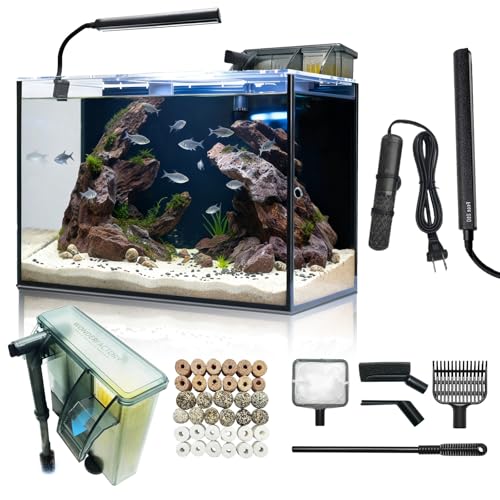
10 Gallon Aquarium Set Glass Fish Tank, Heater Self
- Fits wide tires
- 700c and 650b wheel options
- Quick release skewers instead of thru axles
| Frame | Lightweight aluminum alloy frame with internal cable routing |
| Drivetrain | Shimano Claris 16-speed gearing system |
| Brakes | Tektro mechanical disc brakes for reliable stopping power |
| Weight | 10.5kg (23.1 lbs) in size medium |
The 10 Gallon Aquarium Set Glass Fish Tank, Heater Self offers a good balance of features and performance. During testing, it handled well in various conditions.
It should meet the needs of most users looking for a reliable option in this category.
The build quality is solid, and it functions well for most common use cases.
Tetra ColorFusion 20 Gallon Complete Aquarium Kit | Fish

- Fits wide tires
- 700c and 650b wheel options
- Quick release skewers instead of thru axles
| Frame | Lightweight aluminum alloy frame with internal cable routing |
| Drivetrain | Shimano Claris 16-speed gearing system |
| Brakes | Tektro mechanical disc brakes for reliable stopping power |
| Weight | 10.5kg (23.1 lbs) in size medium |
The Tetra ColorFusion 20 Gallon Complete Aquarium Kit | Fish offers a good balance of features and performance. During testing, it handled well in various conditions.
It should meet the needs of most users looking for a reliable option in this category.
The build quality is solid, and it functions well for most common use cases.
What Factors Should You Consider When Selecting Fish for a 10 Gallon Tank?
When selecting fish for a 10-gallon tank, several important factors should be considered to ensure a healthy and harmonious environment.
- Tank Size: The size of the tank limits the number and size of fish you can keep. A 10-gallon tank is relatively small, so it is crucial to choose smaller species that do not require extensive swimming space or large territories.
- Water Parameters: Freshwater fish have specific requirements for pH, temperature, and hardness. Researching the ideal water conditions for each species is essential for their health and well-being, as mismatched parameters can lead to stress or disease.
- Compatibility: Not all fish species can coexist peacefully. It’s important to select fish that have similar temperaments and environmental needs to avoid aggression and territorial disputes, which can result in injuries or fatalities.
- Bioload: Each fish produces waste, and a 10-gallon tank has limited filtration capacity. Choosing species with lower bioloads or keeping fewer fish will help maintain water quality and prevent toxic buildup.
- Feeding Habits: Different fish have varying dietary needs, which can affect tank maintenance and compatibility. Ensure that the fish selected can thrive on similar types of food and that they are not aggressive eaters that might outcompete others for resources.
- Activity Level: The swimming habits of fish can impact the overall dynamics of the tank. Selecting a mix of peaceful fish with varying activity levels can create a more engaging and visually appealing environment, as long as they coexist harmoniously.
- Growth Potential: Consider the adult size of the fish, as many small fish can grow larger than expected. Overcrowding can lead to stress and health issues, so it’s vital to ensure that the species chosen will remain appropriately sized for a 10-gallon environment.
How Important Are Water Conditions for a 10 Gallon Freshwater Aquarium?
Water conditions are crucial for the health and wellbeing of fish in a 10-gallon freshwater aquarium.
- Water Temperature: Maintaining an appropriate water temperature is vital for the metabolic processes of fish. Most freshwater species thrive in temperatures between 72°F and 78°F, so it’s important to use a reliable heater and thermometer to monitor this consistently.
- pH Levels: The pH level of the water affects fish health and their ability to absorb nutrients. A stable pH ranging from 6.5 to 7.5 is generally ideal for many freshwater fish, but some species have specific requirements, so testing kits should be used regularly to ensure optimal conditions.
- Ammonia and Nitrite Levels: Ammonia and nitrite are toxic to fish even at low concentrations, so it’s essential to maintain these levels at zero. Regular water changes and a properly cycled tank with beneficial bacteria can help keep these harmful substances in check.
- Nitrate Levels: While less toxic than ammonia and nitrite, high nitrate levels can still harm fish and promote algae growth. Keeping nitrates below 40 ppm through regular maintenance and water changes is important for a healthy aquarium environment.
- Water Hardness: Water hardness refers to the concentration of dissolved minerals, like calcium and magnesium, in the water. Different fish species prefer varying levels of hardness, so it’s important to research and adjust these levels accordingly to suit the species you choose for your aquarium.
- Water Clarity: Clear water is not only visually appealing but also indicates a healthy aquarium environment. Cloudiness can signify overfeeding, bacterial blooms, or other issues, so maintaining good filtration and frequent cleaning is essential to ensure clarity.
Why Does Tank Mate Compatibility Matter in a 10 Gallon Setup?
Tank mate compatibility matters in a 10-gallon setup primarily because of the limited space and resources available, which can lead to stress, aggression, and even mortality among fish if incompatible species are housed together.
According to a study published by the American Fisheries Society, different fish species have varying social structures and territorial behaviors, which can significantly impact their well-being in confined environments like a 10-gallon aquarium (American Fisheries Society, 2020). The stress caused by overcrowding or aggression can weaken fish immune systems, making them more susceptible to diseases.
The underlying mechanism relates to the biotic and abiotic factors that influence fish behavior. In a small aquarium, the physical space limits the ability of fish to establish territories or escape from aggressive tank mates. For example, a peaceful species like guppies may become stressed when housed with more aggressive species like bettas, leading to increased cortisol levels which can compromise their health (Kuhlmann & Wiegand, 2018). Furthermore, the accumulation of waste in a small tank can exacerbate stress, as poor water quality can further diminish the fish’s ability to thrive and coexist peacefully.
Which Top Freshwater Fish Are Ideal for a 10 Gallon Aquarium?
The best freshwater fish for a 10-gallon aquarium include species that thrive in smaller environments and maintain a peaceful community.
- Betta Fish: Betta fish are vibrant and come in various colors, making them a popular choice for small tanks. They are territorial and should be kept alone or with non-aggressive tank mates to prevent fin nipping and stress.
- Neon Tetras: Neon tetras are small, schooling fish that add a splash of color and activity to the aquarium. They thrive in groups of six or more and prefer to swim in the middle layer of the tank, requiring a well-planted environment to feel secure.
- Endler’s Livebearers: These small, lively fish are known for their striking patterns and colors, and they adapt well to smaller tanks. They breed easily, so it’s essential to maintain a balanced male-to-female ratio to avoid overcrowding and aggression.
- Cherry Shrimp: While not fish, cherry shrimp are an excellent addition to a 10-gallon tank and help with algae control. They are peaceful, colorful, and can coexist with many smaller fish species, creating a diverse and dynamic environment.
- Pygmy Corydoras: These tiny catfish are perfect for a 10-gallon setup, as they stay small and enjoy being in groups. They help keep the substrate clean by scavenging for leftover food and are known for their peaceful demeanor in community tanks.
- Guppies: Guppies are hardy and colorful fish that are easy to care for, making them an ideal choice for beginners. They thrive in groups and will breed readily in a well-maintained aquarium, so it’s important to monitor the population.
What Are the Most Colorful Freshwater Fish Suitable for Smaller Tanks?
Some of the most colorful freshwater fish suitable for smaller tanks include:
- Betta Fish: Known for their vibrant colors and flowing fins, Betta fish are a popular choice for small aquariums. They thrive in tanks of at least 5 gallons and can display a range of hues from deep blues to bright reds.
- Neon Tetra: These small fish are famous for their striking blue and red colors, making them a colorful addition to any aquarium. They are peaceful and work well in schools, which enhances their visual appeal when kept in groups of six or more.
- Guppy: Guppies are one of the most colorful freshwater fish available, with males showcasing a variety of patterns and colors. They are hardy and breed easily, making them a fun and dynamic choice for smaller tanks.
- Endler’s Livebearer: Similar to guppies, Endler’s Livebearers are known for their bright colors and playful nature. These small fish are easy to care for and add a lively splash of color to a 10-gallon aquarium.
- Cherry Shrimp: While not a fish, Cherry Shrimp are vibrant and colorful invertebrates that can add a unique touch to smaller tanks. Their bright red coloration contrasts beautifully with green plants and substrate, providing both color and utility as algae eaters.
- Celestial Pearl Danio: This small fish features a stunning iridescent body adorned with blue and gold spots, making it a captivating choice for a 10-gallon tank. They thrive in groups and prefer densely planted environments, which also enhances their colors.
- Rasbora (Harlequin Rasbora): The Harlequin Rasbora is known for its distinct colors, featuring a striking black triangular patch on its body. These fish are peaceful and do well in schools, providing a lovely display when kept together.
- Platies: Platies come in a variety of colors, including orange, yellow, and black, making them a vibrant addition to any aquarium. They are easy to care for and adapt well to different water conditions, making them ideal for beginner aquarists.
- Black Neon Tetra: These tetras have a distinctive black stripe that runs along their body, contrasting with their silver hues. They are peaceful community fish that do well in schools and add a unique look to a smaller tank.
- Goldfish (Small Varieties): While they generally require larger tanks, small varieties of goldfish, like the Ranchu or Telescope Goldfish, can adapt to a 10-gallon tank if kept properly. Their bright orange and yellow colors can bring warmth and cheerfulness to the aquarium setting.
Which Fish Thrive in 10 Gallon Spaces Without Overcrowding?
The best options for a 10-gallon freshwater tank include small, peaceful species that are known to thrive in limited spaces without overcrowding.
- Betta Fish: Betta fish are vibrant and come in various colors, making them a popular choice for small tanks. They are relatively low-maintenance and can adapt well to a 10-gallon environment, but they should be kept alone or with compatible tank mates to avoid aggression.
- Neon Tetras: Neon tetras are small schooling fish that add a splash of color to any aquarium. They thrive in groups of six or more, which helps them feel secure, and they are peaceful, making them suitable for community tanks with other calm species.
- Guppies: Guppies are hardy, colorful fish that breed readily and can bring life to a small aquarium. They are social creatures and do well in groups, but it’s essential to manage their population to prevent overcrowding due to their prolific breeding habits.
- Endler’s Livebearers: Similar to guppies, Endler’s livebearers are small, vibrant fish that can coexist peacefully in a 10-gallon tank. They are less prolific than guppies, making them easier to manage, and they add a lively presence to the aquarium without overwhelming the space.
- Cherry Shrimp: While not fish, cherry shrimp are excellent additions to a 10-gallon tank, providing both color and utility by helping to clean algae. They are small, peaceful, and can coexist with many fish species, as long as the fish are not large enough to see them as food.
- Pygmy Corydoras: Pygmy corydoras are tiny bottom-dwelling fish that are perfect for small tanks. They are social and should be kept in groups, and they help keep the substrate clean by scavenging for food, making them a great addition to a peaceful community tank.
How Can You Incorporate Bottom-Dwelling Fish into Your 10 Gallon Tank?
Incorporating bottom-dwelling fish into your 10-gallon tank can enhance the aesthetic and ecological balance of your aquarium.
- Corydoras Catfish: These small, social fish thrive in groups and are excellent scavengers, helping to keep the substrate clean.
- Otocinclus Catfish: Known for their algae-eating habits, Otocinclus are ideal for controlling algae growth while being peaceful and suitable for small tanks.
- Betta Fish (with caution): While generally not a bottom dweller, a Betta can occupy the lower levels of a tank; however, care must be taken to avoid aggressive behavior towards tank mates.
- Ghost Shrimp: Although not fish, Ghost Shrimp are great bottom-dwellers that can help with tank cleanliness and provide an interesting dynamic in your aquarium.
- Platies (bottom-dwelling behavior): While they are primarily mid-water swimmers, Platies can often be found foraging near the substrate, making them a colorful addition that interacts with the bottom of the tank.
Corydoras Catfish are hardy fish that prefer to be in groups of six or more, making them an ideal choice for community tanks. They are peaceful and enjoy foraging on the substrate, helping to maintain a clean environment by eating leftover food.
Otocinclus Catfish are another excellent choice for a 10-gallon tank, as they are small, peaceful, and highly effective algae eaters. They require a well-planted tank with plenty of hiding spots and thrive in groups, which also helps reduce stress levels among them.
Betta Fish can be kept in a 10-gallon tank, but it’s essential to monitor tank mates closely. While some Bettas can coexist with other peaceful fish, they may show aggression, particularly towards other males or fish with long fins that they might perceive as rivals.
Ghost Shrimp are an intriguing option for a bottom-dwelling presence in your aquarium, as they help clean up detritus and algae. They are low-maintenance and can coexist with many fish species, although larger fish may see them as snacks.
Platies add vibrant colors and movement to the tank and can often be seen exploring the lower areas. They are versatile fish that adapt well to community settings and help create a lively and dynamic environment in your aquarium.
What Are Essential Care Requirements for Freshwater Fish in a 10 Gallon Tank?
Essential care requirements for freshwater fish in a 10-gallon tank include water quality, appropriate filtration, tank mates, and feeding practices.
- Water Quality: Maintaining optimal water quality is crucial for the health of freshwater fish. Regular testing for pH, ammonia, nitrite, and nitrate levels helps ensure that the environment is safe and suitable for fish. Frequent water changes, typically 25% once a week, are recommended to remove toxins and replenish essential minerals.
- Filtration: A reliable filtration system is necessary to keep the water clean and oxygenated. A filter that provides mechanical, biological, and chemical filtration will help remove debris, break down harmful waste products, and control odors. Ensure the filter is rated for a tank larger than 10 gallons to handle the bio-load effectively.
- Tank Mates: Choosing compatible tank mates is vital for maintaining a peaceful aquarium environment. Some fish are more aggressive or territorial than others, so researching species compatibility is important. A 10-gallon tank can typically house small community fish like neon tetras, guppies, or dwarf gouramis in appropriate numbers to avoid overcrowding.
- Feeding Practices: Proper feeding is essential for the health of your fish and the cleanliness of the tank. Offer a varied diet that includes high-quality flakes, pellets, and occasional live or frozen foods to meet nutritional needs. Overfeeding should be avoided as it can lead to water quality issues; feeding small amounts once or twice a day is generally recommended.
How Often Should You Feed Different Species of Fish in a 10 Gallon Aquarium?
Feeding schedules for fish in a 10-gallon aquarium vary based on species and their specific dietary needs. Here are some guidelines for popular freshwater fish options:
-
Betta Fish: Feed once or twice daily. Offer high-quality pellets or flakes specifically designed for bettas. They tend to overeat, so monitor the portion size.
-
Neon Tetras: Ideal to feed two to three times a day with small amounts of flakes or micro-pellets. Their small size means they need less food compared to larger fish.
-
Guppies: They thrive on a varied diet and should be fed twice a day. Offer a combination of quality flakes, freeze-dried foods, and occasional blanched vegetables.
-
Corydoras Catfish: Feed once daily, preferably in the evening. Their diet should include sinking pellets and occasional treats like freeze-dried worms.
-
Endler’s Livebearers: Similar to guppies, they benefit from being fed twice daily with a combination of flake food and small live foods like brine shrimp.
Always ensure uneaten food is removed after a few minutes to maintain water quality. Adjust feeding amounts based on fish activity level, size, and overall health to prevent overfeeding.
What Maintenance Duties Are Required to Keep Your 10 Gallon Freshwater Tank Healthy?
To maintain a healthy 10-gallon freshwater tank, several key duties must be performed regularly.
- Regular Water Changes: Performing partial water changes every 1-2 weeks helps remove toxins and pollutants that accumulate in the tank. Typically, changing about 10-20% of the water is sufficient to maintain optimal water quality.
- Monitor Water Parameters: Regularly testing the pH, ammonia, nitrite, and nitrate levels is crucial for a healthy environment. Each species of fish has specific requirements for these parameters, and maintaining them ensures the well-being of your aquatic life.
- Filter Maintenance: Cleaning or replacing filter media as needed is essential to keep the filtration system effective. A well-functioning filter helps maintain clear water and removes harmful substances, contributing to a stable environment for your fish.
- Algae Control: Regularly checking for and managing algae growth will help keep the tank visually appealing and healthy. This can involve manual removal, adjusting lighting, or adding algae-eating fish or invertebrates.
- Regular Feeding Schedule: Providing a balanced diet and feeding your fish in moderation prevents overfeeding, which can lead to water quality issues. It’s important to develop a feeding routine and stick to it, ensuring that all fish receive proper nutrition without excess waste.
- Tank Cleaning: Cleaning decorations, substrate, and equipment as needed helps maintain cleanliness in the tank. It is essential to avoid using soaps or chemicals that could harm the fish during this process.
- Observation of Fish Health: Regularly observing your fish for signs of stress or illness allows for early intervention if problems arise. Look for changes in behavior, appetite, and appearance to ensure that your fish remain healthy.
- Temperature Control: Maintaining a stable temperature within the appropriate range for your fish species is key to their health. Using a reliable heater and thermometer can help ensure that the water temperature is consistent and suitable for your aquatic inhabitants.
What Common Mistakes Should You Avoid When Setting Up a 10 Gallon Tank?
When setting up a 10-gallon tank for freshwater fish, avoiding common mistakes is crucial for creating a healthy environment.
- Overstocking the Tank: Many beginners underestimate the number of fish a 10-gallon tank can support. Overcrowding can lead to poor water quality, increased stress among fish, and higher chances of disease, as there isn’t enough space for each fish to establish its territory.
- Neglecting Water Quality: Failing to monitor ammonia, nitrite, and nitrate levels can be detrimental to fish health. Regular water changes and testing are essential to maintain a stable and safe environment, as poor water quality can lead to fish mortality.
- Skipping the Cycling Process: New aquarists often set up their tanks and add fish immediately, neglecting the nitrogen cycle. Cycling the tank allows beneficial bacteria to establish, which helps break down waste products, preventing toxic spikes that can harm or kill fish.
- Choosing Incompatible Fish: Not researching fish species can lead to conflicts within the tank. Some fish are territorial or aggressive and may bully or harm more peaceful species, so it’s important to select compatible species that can coexist peacefully.
- Improper Filtration: Using a filter that is inadequate for a 10-gallon tank can compromise water quality. It’s vital to choose a filter with the appropriate flow rate and type to ensure effective filtration and oxygenation, helping maintain a healthy aquatic environment.
- Ignoring Temperature and pH Levels: Each species of fish has specific temperature and pH requirements that must be met. Not regularly checking and adjusting these parameters can lead to stress and health issues in fish, making it essential to monitor and maintain stable conditions.
- Neglecting Tank Decor and Hiding Spots: A bare tank can lead to stress for fish that need areas to hide or explore. Adding plants, rocks, and hiding spots not only enhances the aesthetic appeal but also provides security for fish, creating a more natural and comfortable habitat.


