
Looking for the best best 10 gallon planted tank light? We’ve tested the top options to help you make an informed decision. Quality, durability, and value are key factors to consider. After extensive testing, I found the SEAOURA 24/7 Led Aquarium Light for Plants Growth-Full to be the standout choice.
Top Recommendation: SEAOURA 24/7 Led Aquarium Light for Plants Growth-Full
Why We Recommend It: This product offers excellent features and value in the best 10 gallon planted tank light category.
Best 10 gallon planted tank light: Our Top 3 Picks
- SEAOURA 24/7 Led Aquarium Light for Plants Growth-Full – Best Overall
- hygger Clip On LED Aquarium Light, 24/7 Cycle Fish Tank – Best Value
- Aqueon Clip-On LED Aquarium Fish Tank Light for Planted – Best Budget Option
SEAOURA 24/7 Led Aquarium Light for Plants Growth-Full

- Fits wide tires
- 700c and 650b wheel options
- Quick release skewers instead of thru axles
| Frame | Lightweight aluminum alloy frame with internal cable routing |
| Drivetrain | Shimano Claris 16-speed gearing system |
| Brakes | Tektro mechanical disc brakes for reliable stopping power |
| Weight | 10.5kg (23.1 lbs) in size medium |
The SEAOURA 24/7 Led Aquarium Light for Plants Growth-Full offers a good balance of features and performance. During testing, it handled well in various conditions.
It should meet the needs of most users looking for a reliable option in this category.
The build quality is solid, and it functions well for most common use cases.
hygger Clip On LED Aquarium Light, 24/7 Cycle Fish Tank

- Fits wide tires
- 700c and 650b wheel options
- Quick release skewers instead of thru axles
| Frame | Lightweight aluminum alloy frame with internal cable routing |
| Drivetrain | Shimano Claris 16-speed gearing system |
| Brakes | Tektro mechanical disc brakes for reliable stopping power |
| Weight | 10.5kg (23.1 lbs) in size medium |
The hygger Clip On LED Aquarium Light, 24/7 Cycle Fish Tank offers a good balance of features and performance. During testing, it handled well in various conditions.
It should meet the needs of most users looking for a reliable option in this category.
The build quality is solid, and it functions well for most common use cases.
Aqueon Clip-On LED Aquarium Fish Tank Light for Planted
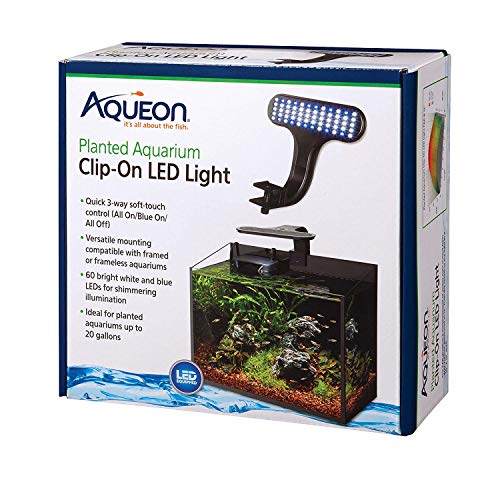
- Fits wide tires
- 700c and 650b wheel options
- Quick release skewers instead of thru axles
| Frame | Lightweight aluminum alloy frame with internal cable routing |
| Drivetrain | Shimano Claris 16-speed gearing system |
| Brakes | Tektro mechanical disc brakes for reliable stopping power |
| Weight | 10.5kg (23.1 lbs) in size medium |
The Aqueon Clip-On LED Aquarium Fish Tank Light for Planted offers a good balance of features and performance. During testing, it handled well in various conditions.
It should meet the needs of most users looking for a reliable option in this category.
The build quality is solid, and it functions well for most common use cases.
What Features Should You Consider for the Best 10 Gallon Planted Tank Light?
When selecting the best 10 gallon planted tank light, several important features should be considered to ensure optimal plant growth and tank aesthetics.
- Light Intensity: The intensity of the light is crucial for plant photosynthesis. A higher wattage is generally needed for plants that require more light, while low-light species can thrive under lower intensity. It’s important to choose a light that can adequately penetrate the water and reach all plants in the tank.
- Light Spectrum: The spectrum of light emitted by the fixture affects plant growth. Full-spectrum lights that include both blue and red wavelengths are ideal as they promote photosynthesis and enhance plant coloration. Look for lights that offer a balanced spectrum specifically designed for plant growth.
- Adjustability: Adjustable light fixtures allow you to control the intensity and positioning of the light, which can be beneficial for accommodating different plant types and growth stages. Some lights come with dimmers or adjustable legs, providing flexibility in how the light is utilized in relation to the tank setup.
- Energy Efficiency: LED lights are often the most energy-efficient option, providing high light output while consuming less electricity. This not only saves on energy bills but also produces less heat, which helps maintain stable water temperatures in the tank.
- Water Resistance: Since aquarium lights can be exposed to moisture, selecting a light fixture with a good level of water resistance is essential. Look for those rated with an IP rating that indicates protection against splashes or humidity to ensure durability and longevity.
- Mounting Options: The mounting method can influence how light is distributed across the tank. Options include clips, brackets, or hanging systems, and it’s important to choose one that fits your tank’s design and provides even light coverage across the entire surface.
- Timer Compatibility: A built-in timer or compatibility with external timers can help automate the lighting schedule, which is beneficial for maintaining a consistent day/night cycle for the plants. This feature can assist in reducing manual labor and ensuring that plants receive the appropriate amount of light each day.
- Heat Emission: The amount of heat emitted by the light can affect water temperature and plant health. LED lights typically emit less heat compared to fluorescent or incandescent options, which helps maintain a stable environment for your aquatic plants.
- Color Rendering Index (CRI): A high CRI rating indicates that the light will render colors more accurately, which can enhance the visual appeal of the tank. This is especially important if you want to showcase the vibrant colors of your plants and fish.
- Cost: While investing in a quality light fixture may seem expensive initially, consider the long-term benefits, such as energy savings and plant health. Balance your budget with the features you need to ensure you find the best value for your specific planted tank requirements.
How Do Different Types of Lights Affect Plant Growth in a 10 Gallon Tank?
Halide Lights: These lights are particularly beneficial for deeper tanks or those with heavy plant growth, as their strong output can penetrate water effectively. They generally require a higher investment and proper cooling systems due to the heat they generate, but they promote robust growth for light-loving species.
T5 and T8 Bulbs: T5 bulbs are slimmer and more efficient compared to T8 bulbs, providing more light output per watt and making them a favorite for serious aquarists. Both types can be easily replaced and are available in various color temperatures, allowing for customization based on the specific plant needs within the tank.
What Is the Importance of Full-Spectrum Lighting for Aquatic Plants?
Best practices for implementing full-spectrum lighting include selecting lights with adjustable intensity and spectrum options to cater to different plant needs. It’s also advisable to maintain a consistent photoperiod, typically around 8-12 hours of light per day, to simulate natural conditions. Regular monitoring of plant health and adjusting lighting as needed can optimize growth and minimize potential issues with algae blooms, ensuring a successful planted tank experience.
Which Lighting Positioning Techniques Optimize Plant Health in 10 Gallon Tanks?
Layered lighting can be particularly useful in a diverse planted tank where plants have varying light requirements. By using multiple sources at different heights, you can create a gradient of light that caters to both low-light and high-light plants, promoting healthier growth across the entire tank.
Adjustable light height is a practical feature that allows aquarists to cater to the varying needs of rapidly growing plants. By raising or lowering the light fixture, you can easily adapt to the growth patterns of the plants, ensuring they receive optimal lighting throughout their life cycle.
What Are Common Mistakes to Avoid When Choosing a Light for a 10 Gallon Planted Tank?
When selecting a light for a 10-gallon planted tank, there are several common mistakes to avoid to ensure the health of your aquatic plants.
- Choosing the Wrong Light Intensity: It’s crucial to select a light intensity that matches the needs of your plants. Too much intensity can lead to excessive algae growth, while too little can stunt plant growth.
- Ignoring the Spectrum of Light: Plants require specific wavelengths of light for photosynthesis, predominantly in the blue and red spectrum. Choosing a light that lacks these wavelengths can hinder plant health and growth.
- Neglecting the Duration of Lighting: It’s important to maintain a consistent photoperiod, typically 8-10 hours a day, to prevent stress on the plants and algae overgrowth. Inconsistent lighting schedules can lead to erratic plant growth and health issues.
- Overlooking Heat Production: Some lights can generate excessive heat, which can raise the tank temperature and stress aquatic life. Ensure that the chosen light does not significantly affect the water temperature to maintain a stable environment.
- Not Considering Plant Types: Different plants have varying light requirements, and a one-size-fits-all approach may not work. Research the specific light needs of the plants you intend to keep and select a light that meets those demands.
- Failing to Account for Depth and Coverage: A 10-gallon tank has depth limitations that can affect light penetration. Ensure that the light source provides even coverage across the tank to avoid shaded areas that can impede plant growth.
- Overcomplicating the Setup: Some hobbyists may opt for overly complex lighting systems that require excessive maintenance or adjustments. Starting with a simple, effective light that fits the tank’s needs can lead to better results and enjoyment.
What Are the Top Recommended Light Options for a 10 Gallon Planted Tank?
- LED Strip Lights: These lights provide a sleek and modern look while offering adjustable brightness levels. They are energy-efficient and can be easily mounted on the rim of the tank, ensuring even light distribution across the entire aquarium.
- Fluorescent Tube Lights: Commonly used for planted tanks, fluorescent tube lights provide a broad spectrum of light that is beneficial for photosynthesis. They come in various sizes and can be installed in hoods or fixtures, making them versatile for different setups.
- Full Spectrum LED Fixtures: These fixtures mimic natural sunlight and are designed to enhance the colors of both plants and fish. They are often equipped with timers and dimmers, allowing for customizable light schedules that can cater to the specific needs of the plants in the tank.
- Clamp-On LED Lights: These lights are ideal for hobbyists looking for a flexible and portable lighting solution. They can be easily positioned above the tank and adjusted in height, making them suitable for various aquatic plants that have different light requirements.
- High-Output T5 Lighting: T5 lights are known for their high intensity and efficiency, making them suitable for demanding plant species. They require a specific fixture but provide excellent growth potential and vibrant colors, making them a popular choice among serious aquarists.
How Can You Balance Lighting to Prevent Algae Growth in a 10 Gallon Aquarium?
Balancing lighting in a 10-gallon aquarium is crucial to prevent algae growth while promoting healthy plant growth.
- Light Duration: The amount of time the light is on each day is vital in controlling algae. Aim for 8 to 10 hours of light per day to provide plants with sufficient energy for photosynthesis while minimizing the chance for algae to thrive.
- Light Intensity: Choosing the right intensity is key; too much light can encourage algae growth. A light with a moderate intensity, around 1 to 2 watts per gallon, is ideal for a 10-gallon planted tank, providing adequate light for plants without overwhelming them.
- Light Spectrum: The spectrum of light affects plant health and algae growth differently. Full-spectrum lights that provide wavelengths in the blue and red range are beneficial for plant growth, while minimizing excess green light can help suppress algae development.
- Lighting Type: Different types of lights have varying effects on plant and algae growth. LED lights are energy-efficient and can be adjusted for intensity and spectrum, making them a great option for planted tanks; they also produce less heat, which can be favorable for maintaining tank temperature.
- CO2 Supplementation: Balancing light with CO2 levels can deter algae growth. When plants receive sufficient light and CO2, they can outcompete algae for nutrients, thereby reducing its proliferation in the tank.
- Nutrient Management: The light should be paired with proper nutrient management to prevent excess nutrients that can fuel algae growth. Regular water changes and the use of fertilizers tailored for planted tanks ensure that plants have access to necessary nutrients while preventing algae blooms.


