
Looking for the best best 10 gallon shrimp filter? We’ve tested the top options to help you make an informed decision. Quality, durability, and value are key factors to consider. After extensive testing, I found the AQQA Aquarium Internal Filter for 10-40 Gal, Submersible to be the standout choice.
Top Recommendation: AQQA Aquarium Internal Filter for 10-40 Gal, Submersible
Why We Recommend It: This product offers excellent features and value in the best 10 gallon shrimp filter category.
Best 10 gallon shrimp filter: Our Top 3 Picks
- AQQA Aquarium Internal Filter for 10-40 Gal, Submersible – Best Overall
- Yaubay Quiet Internal Aquarium Filter, 3-Stage – Best Value
- DEGGOX Aquarium Electric Sponge Filter Submersible Water – Best Budget Option
AQQA Aquarium Internal Filter for 10-40 Gal, Submersible

- Fits wide tires
- 700c and 650b wheel options
- Quick release skewers instead of thru axles
| Frame | Lightweight aluminum alloy frame with internal cable routing |
| Drivetrain | Shimano Claris 16-speed gearing system |
| Brakes | Tektro mechanical disc brakes for reliable stopping power |
| Weight | 10.5kg (23.1 lbs) in size medium |
The AQQA Aquarium Internal Filter for 10-40 Gal, Submersible offers a good balance of features and performance. During testing, it handled well in various conditions.
It should meet the needs of most users looking for a reliable option in this category.
The build quality is solid, and it functions well for most common use cases.
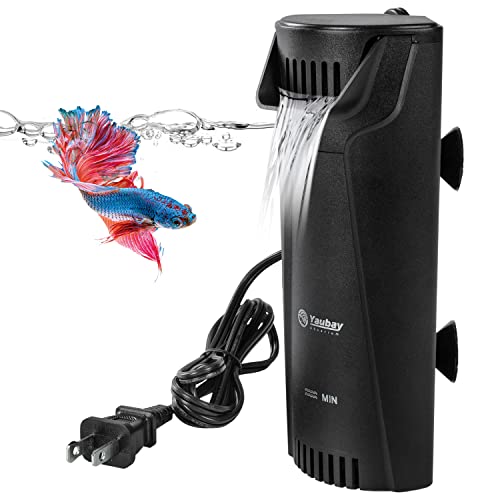
Yaubay Quiet Internal Aquarium Filter, 3-Stage
- Fits wide tires
- 700c and 650b wheel options
- Quick release skewers instead of thru axles
| Frame | Lightweight aluminum alloy frame with internal cable routing |
| Drivetrain | Shimano Claris 16-speed gearing system |
| Brakes | Tektro mechanical disc brakes for reliable stopping power |
| Weight | 10.5kg (23.1 lbs) in size medium |
The Yaubay Quiet Internal Aquarium Filter, 3-Stage offers a good balance of features and performance. During testing, it handled well in various conditions.
It should meet the needs of most users looking for a reliable option in this category.
The build quality is solid, and it functions well for most common use cases.
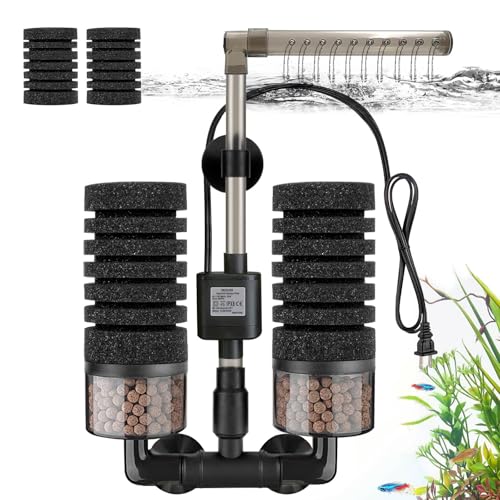
DEGGOX Aquarium Electric Sponge Filter Submersible Water
- Fits wide tires
- 700c and 650b wheel options
- Quick release skewers instead of thru axles
| Frame | Lightweight aluminum alloy frame with internal cable routing |
| Drivetrain | Shimano Claris 16-speed gearing system |
| Brakes | Tektro mechanical disc brakes for reliable stopping power |
| Weight | 10.5kg (23.1 lbs) in size medium |
The DEGGOX Aquarium Electric Sponge Filter Submersible Water offers a good balance of features and performance. During testing, it handled well in various conditions.
It should meet the needs of most users looking for a reliable option in this category.
The build quality is solid, and it functions well for most common use cases.
What Should You Consider When Choosing a Filter for a 10 Gallon Shrimp Tank?
When choosing a filter for a 10 gallon shrimp tank, several factors should be considered to ensure a healthy environment for your shrimp.
- Filter Type: Selecting the right type of filter is crucial, with options including sponge filters, hang-on-back (HOB) filters, and internal filters.
- Flow Rate: The flow rate of the filter is important, as shrimp prefer low to moderate water movement to feel secure and reduce stress.
- Filtration Method: Understanding the different filtration methods—mechanical, biological, and chemical—is essential for maintaining water quality and shrimp health.
- Noise Level: Some filters can be noisy, which may disturb both you and your shrimp; choosing a quieter option can enhance your aquarium experience.
- Size and Space: Considering the size of the filter in relation to your tank is important; it should fit well without overcrowding the aquarium or interfering with shrimp movement.
- Maintenance Requirements: Filters require regular maintenance, and selecting one that is easy to clean can save you time and effort in the long run.
Choosing the right filter type is crucial, with sponge filters being popular for shrimp tanks because they provide gentle filtration and serve as an additional habitat for beneficial bacteria. Hang-on-back filters offer more powerful filtration but may create more water movement, which might not be ideal for delicate shrimp species.
The flow rate of the filter should be low to ensure shrimp can thrive without being swept away. A general guideline is to have a filter that provides a turnover rate of about 4-5 times the tank volume per hour, but this can vary based on the species of shrimp and tank setup.
Understanding the filtration methods is essential; mechanical filtration removes debris, biological filtration supports beneficial bacteria that break down waste, and chemical filtration can help remove toxins. A good balance of these methods is necessary for a thriving shrimp tank.
Noise level can be a significant factor; some filters operate quietly while others produce noticeable sound. A quieter filter is often preferable, especially if the tank is located in a living space where noise can be bothersome.
Size and space must be taken into account as well; the filter should not dominate the tank’s interior or obstruct shrimp movement. Compact filters designed for smaller tanks can provide effective filtration without overcrowding.
Lastly, maintenance requirements should also influence your decision; filters that are easy to disassemble and clean can greatly simplify the upkeep of your shrimp tank, allowing you to focus more on enjoying your aquatic pets rather than labor-intensive maintenance tasks.
How Do Different Filtration Rates Impact the Health of Shrimp?
Different filtration rates can significantly impact the health of shrimp, particularly in a 10-gallon aquarium setting.
- High Filtration Rate: A high filtration rate can lead to rapid water turnover, which may be beneficial in maintaining water quality by removing waste and toxins. However, if the flow is too strong, it can stress shrimp, making it difficult for them to swim and find food, ultimately affecting their health.
- Low Filtration Rate: A low filtration rate might not adequately remove waste or maintain optimal water quality, leading to higher levels of ammonia and nitrites. While it creates a calmer environment for shrimp, the risk of poor water quality can lead to diseases and decreased shrimp vitality.
- Medium Filtration Rate: A medium filtration rate strikes a balance, providing sufficient water turnover to keep the environment clean without overwhelming the shrimp. This rate typically allows for good oxygenation and keeps the water parameters stable, contributing positively to shrimp health.
- Type of Filter: The type of filter used can also influence the filtration rate and shrimp health. Sponge filters, for example, offer gentle filtration suitable for shrimp, while canister filters may provide stronger flow that needs to be adjusted to prevent stress.
- Filter Maintenance: Regular maintenance of the filter is crucial regardless of the filtration rate. Clogged filters can reduce flow efficiency and allow harmful substances to build up in the water, negatively impacting shrimp health.
Why Is Quiet Operation Crucial for a Shrimp Filter?
The underlying mechanism involves the shrimp’s sensory systems, which are finely tuned to detect vibrations and sounds in their aquatic habitat. When a filter operates loudly, it creates vibrations that can disrupt the shrimp’s natural behaviors, such as hiding, foraging, and social interactions. Over time, consistent exposure to a noisy environment can lead to chronic stress, reducing their lifespan and reproductive success. Thus, a quiet filter not only helps maintain a peaceful habitat but also promotes a healthier living environment for the shrimp.
What Are the Top Features Every 10 Gallon Shrimp Filter Should Have?
The best 10 gallon shrimp filter should incorporate several essential features to ensure a healthy aquatic environment for shrimp.
- Effective Filtration System: A good shrimp filter should have a multi-stage filtration system, which typically includes mechanical, biological, and chemical filtration. This ensures that debris, toxins, and harmful substances are effectively removed from the water, maintaining optimal water quality for your shrimp.
- Adjustable Flow Rate: The ability to adjust the flow rate is crucial, as shrimp are sensitive to strong currents. Filters with adjustable flow settings allow you to create a gentle water movement, which is ideal for shrimp, preventing stress and ensuring they can thrive.
- Quiet Operation: Noise can be disruptive in a home aquarium setting, so a filter that operates quietly is highly desirable. Look for filters designed with noise-reducing features, so the peaceful environment remains undisturbed for both the shrimp and the aquarist.
- Easy Maintenance: Filters that are easy to clean and maintain will save you time and effort. Features such as removable filter media and easy-to-access compartments will facilitate routine maintenance, ensuring your shrimp habitat remains in top condition.
- Space-Efficient Design: Given the limited space in a 10-gallon tank, a filter should occupy minimal space while still providing adequate filtration. Compact designs allow for more room for shrimp and their habitat without overwhelming the tank layout.
- Suitable Media Compatibility: The filter should be compatible with various filter media, allowing you to customize the filtration process according to the specific needs of your shrimp. This flexibility can enhance the biological filtration, promoting a healthy environment.
- Durability and Reliability: A filter made from quality materials will ensure longevity and consistent performance. Investing in a durable filter reduces the likelihood of malfunctions and ensures that your shrimp environment remains stable over time.
How Do Various Brands Compare for Shrimp Tank Filtration?
| Brand | Filter Type | Flow Rate | Price | Noise Level | Filter Media Type | Dimensions | Warranty Period |
|---|---|---|---|---|---|---|---|
| Brand A | Hang-on-back filter | 200 GPH – Suitable for 10-gallon tanks | $30 – Budget-friendly option | Low | Activated carbon | 8 x 5 x 6 inches | 1 year |
| Brand B | Canister filter | 150 GPH – Efficient for larger setups | $80 – Higher investment for better filtration | Medium | Foam and activated carbon | 12 x 10 x 10 inches | 2 years |
| Brand C | Internal filter | 100 GPH – Compact and space-saving | $25 – Affordable for small tanks | Low | Foam | 6 x 4 x 4 inches | 1 year |
| Brand D | Power filter | 300 GPH – High flow for biological filtration | $50 – Good balance of performance and price | Medium | Activated carbon | 10 x 6 x 8 inches | 1 year |
What Maintenance Accessibility Should You Expect from a 10 Gallon Shrimp Filter?
When considering the maintenance accessibility of a 10-gallon shrimp filter, several key features come into play:
- Easy Access to Filter Media: A good shrimp filter will allow you to quickly access the filter media without needing to disassemble the entire unit. This feature ensures that you can regularly clean or replace the media, which is vital for maintaining water quality and providing a healthy environment for your shrimp.
- Simple Cleaning Process: The best filters are designed for easy cleaning, often with removable components or a designated cleaning cycle. This reduces the time and effort required to keep the filter functioning optimally, ensuring that your shrimp habitat remains pristine with minimal hassle.
- Clear Water Level Indicators: Many quality filters come with water level indicators that help you monitor the filter’s performance. This feature is particularly useful for detecting when the filter needs maintenance, allowing you to maintain consistent water quality for your shrimp.
- Durability of Components: Look for filters made from durable materials that can withstand regular maintenance. High-quality construction not only extends the life of the filter but also ensures that it can handle frequent cleaning without wear and tear.
- Quiet Operation: A filter that operates quietly is often easier to maintain, as it can be left running without causing disturbances. This aspect is particularly important in maintaining a stress-free environment for shrimp, allowing you to focus on the maintenance tasks without added noise distractions.
- Customer Support and Documentation: Reliable customer support and clear documentation can greatly enhance the maintenance experience. Having access to resources, such as user manuals and troubleshooting guides, helps ensure that any maintenance issues can be addressed quickly and effectively.
How Does Proper Filtration Enhance Water Quality for Shrimp Tanks?
Proper filtration is essential for maintaining optimal water quality in shrimp tanks, which contributes to the health and vitality of the shrimp.
- Mechanical Filtration: This type of filtration physically removes debris and particulate matter from the water. It usually involves filter pads or sponges that trap waste, uneaten food, and other particles, ensuring that the water remains clear and free from harmful buildup.
- Chemical Filtration: Chemical filtration involves the use of activated carbon or other media to absorb impurities and toxins from the water. This process helps in removing odors, discoloration, and harmful compounds such as ammonia and nitrites that can adversely affect shrimp health.
- Biological Filtration: Biological filtration utilizes beneficial bacteria to break down harmful ammonia and nitrites into less harmful nitrates. This process is crucial for maintaining a balanced nitrogen cycle in the shrimp tank, which is essential for long-term health and stability.
- Flow Rate: The flow rate of the filter is significant for shrimp tanks, as too strong a current can stress the shrimp while too weak a flow might not adequately circulate the water. Finding the right balance ensures that the shrimp can thrive without being overwhelmed by the water movement.
- Filter Size: Choosing a filter that is appropriately sized for a 10-gallon shrimp tank is vital to ensure efficient filtration. A filter that is too small may not adequately manage waste, while one that is too large may create excessive flow, making it challenging for shrimp to navigate.
- Maintenance: Regular maintenance of the filtration system is necessary to ensure it operates effectively. This includes cleaning filter media and replacing it when needed, which helps to maintain optimal water quality and prevent the buildup of harmful substances.
- Noise Level: The noise generated by the filter can also impact the shrimp’s environment. A quieter filter helps to maintain a peaceful habitat, which is crucial for reducing stress and promoting the well-being of the shrimp.
- Ease of Installation: The best filters for 10-gallon shrimp tanks should be easy to install and set up. User-friendly designs save time and effort, allowing hobbyists to focus more on the care of their shrimp rather than complicated setup processes.
- Compatibility with Shrimp: It’s important to select filters that are shrimp-safe, meaning they don’t have any components that may harm them, such as strong intake suction or sharp edges. Filters designed specifically for shrimp tanks often consider these factors to ensure the safety of the inhabitants.
- Cost-Effectiveness: Evaluating the cost of filters in relation to their performance and durability is crucial for shrimp enthusiasts. Investing in a high-quality filter may save money in the long run by reducing the need for frequent replacements and ensuring a healthier environment for your shrimp.


