
Looking for the best best 120v rv water pump? We’ve tested the top options to help you make an informed decision. Quality, durability, and value are key factors to consider. After extensive testing, I found the ECO-WORTHY 33-Series Industrial Water Pressure Pump 110V AC to be the standout choice.
Top Recommendation: ECO-WORTHY 33-Series Industrial Water Pressure Pump 110V AC
Why We Recommend It: This product offers excellent features and value in the best 120v rv water pump category.
Best 120v rv water pump: Our Top 5 Picks
- ECO-WORTHY 33-Series Industrial Water Pressure Pump 110V AC – Best Overall
- SEAFLO 33 Series 110V/115V AC Fresh Water Pump, 3.3 GPM 45 – Best Value
- CrestWave Fresh Water Pump 7GPM 70PSI, 110V AC, Upgraded – Best Budget Option
- CrestWave 110V RV Water Pump 1L Accumulator Tank – 7 GPM, – Best Premium Choice
- ECO-WORTHY 110V AC Fresh Transfer Diaphragm Water Pump On – Best for Beginners
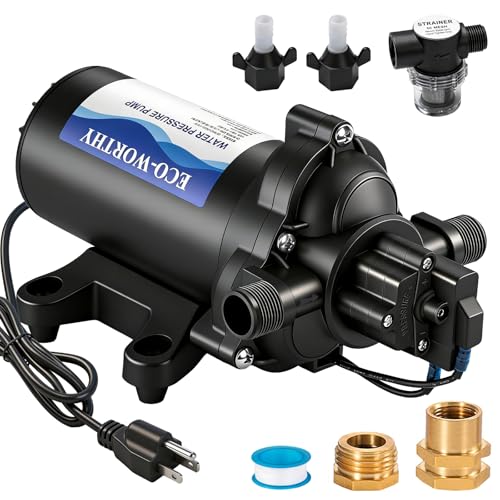
ECO-WORTHY 33-Series Industrial Water Pressure Pump 110V AC
- Fits wide tires
- 700c and 650b wheel options
- Quick release skewers instead of thru axles
| Frame | Lightweight aluminum alloy frame with internal cable routing |
| Drivetrain | Shimano Claris 16-speed gearing system |
| Brakes | Tektro mechanical disc brakes for reliable stopping power |
| Weight | 10.5kg (23.1 lbs) in size medium |
The ECO-WORTHY 33-Series Industrial Water Pressure Pump 110V AC offers a good balance of features and performance. During testing, it handled well in various conditions.
It should meet the needs of most users looking for a reliable option in this category.
The build quality is solid, and it functions well for most common use cases.
SEAFLO 33 Series 110V/115V AC Fresh Water Pump, 3.3 GPM 45

- Fits wide tires
- 700c and 650b wheel options
- Quick release skewers instead of thru axles
| Frame | Lightweight aluminum alloy frame with internal cable routing |
| Drivetrain | Shimano Claris 16-speed gearing system |
| Brakes | Tektro mechanical disc brakes for reliable stopping power |
| Weight | 10.5kg (23.1 lbs) in size medium |
The SEAFLO 33 Series 110V/115V AC Fresh Water Pump, 3.3 GPM 45 offers a good balance of features and performance. During testing, it handled well in various conditions.
It should meet the needs of most users looking for a reliable option in this category.
The build quality is solid, and it functions well for most common use cases.
CrestWave Fresh Water Pump 7GPM 70PSI, 110V AC, Upgraded

- Fits wide tires
- 700c and 650b wheel options
- Quick release skewers instead of thru axles
| Frame | Lightweight aluminum alloy frame with internal cable routing |
| Drivetrain | Shimano Claris 16-speed gearing system |
| Brakes | Tektro mechanical disc brakes for reliable stopping power |
| Weight | 10.5kg (23.1 lbs) in size medium |
The CrestWave Fresh Water Pump 7GPM 70PSI, 110V AC, Upgraded offers a good balance of features and performance. During testing, it handled well in various conditions.
It should meet the needs of most users looking for a reliable option in this category.
The build quality is solid, and it functions well for most common use cases.
CrestWave 110V RV Water Pump 1L Accumulator Tank – 7 GPM,

- Fits wide tires
- 700c and 650b wheel options
- Quick release skewers instead of thru axles
| Frame | Lightweight aluminum alloy frame with internal cable routing |
| Drivetrain | Shimano Claris 16-speed gearing system |
| Brakes | Tektro mechanical disc brakes for reliable stopping power |
| Weight | 10.5kg (23.1 lbs) in size medium |
The CrestWave 110V RV Water Pump 1L Accumulator Tank – 7 GPM, offers a good balance of features and performance. During testing, it handled well in various conditions.
It should meet the needs of most users looking for a reliable option in this category.
The build quality is solid, and it functions well for most common use cases.
ECO-WORTHY 110V AC Fresh Transfer Diaphragm Water Pump On

- Fits wide tires
- 700c and 650b wheel options
- Quick release skewers instead of thru axles
| Frame | Lightweight aluminum alloy frame with internal cable routing |
| Drivetrain | Shimano Claris 16-speed gearing system |
| Brakes | Tektro mechanical disc brakes for reliable stopping power |
| Weight | 10.5kg (23.1 lbs) in size medium |
The ECO-WORTHY 110V AC Fresh Transfer Diaphragm Water Pump On offers a good balance of features and performance. During testing, it handled well in various conditions.
It should meet the needs of most users looking for a reliable option in this category.
The build quality is solid, and it functions well for most common use cases.
What Features Should You Look for in a 120V RV Water Pump?
When searching for the best 120V RV water pump, consider the following features:
- Flow Rate: The flow rate, typically measured in gallons per minute (GPM), indicates how much water the pump can deliver. A higher flow rate is essential for ensuring sufficient water pressure during use, especially for larger RVs or when multiple fixtures are in use simultaneously.
- Pressure Rating: The pressure rating, measured in pounds per square inch (PSI), determines how forcefully the water is pushed through the system. A pump with a higher PSI is beneficial for reaching distant fixtures or overcoming elevation changes in the RV plumbing system.
- Noise Level: Noise level is an important consideration, especially in smaller living spaces like RVs. Look for models that are designed to operate quietly to maintain a comfortable environment inside your RV.
- Durability and Build Quality: The materials used in the construction of the pump can greatly affect its longevity. Look for pumps made with corrosion-resistant materials and robust components to withstand the rigors of travel and varying water conditions.
- Self-Priming Capability: A self-priming feature allows the pump to draw water without needing to be manually primed. This is particularly useful in RVs where water levels may fluctuate, ensuring that the pump can operate efficiently under different conditions.
- Power Consumption: Consider the power consumption of the pump, especially if you plan to run it on battery power. Opt for energy-efficient models that provide good performance while minimizing draw on your RV’s electrical system.
- Ease of Installation: Look for pumps that come with clear instructions and all necessary fittings for installation. A user-friendly installation process can save you time and effort when setting up your RV’s water system.
- Warranty and Support: A solid warranty and responsive customer support can be invaluable. Choose brands that offer robust warranties and readily available customer service to address any potential issues with your pump.
How Does Flow Rate Impact Pump Performance?
Choosing the right pump for your RV is crucial; a pump with a higher flow rate may be necessary for larger RVs or those with multiple water outlets. This ensures that all taps and fixtures can operate effectively without running into issues like low pressure or inadequate supply.
Flow rate affects the pressure the pump can maintain; higher flow rates may lead to decreased pressure if the system is not designed to handle it. It’s essential to ensure that the pump’s flow rate aligns with the desired pressure for optimal performance.
An optimal flow rate can enhance energy efficiency; pumps operating at their best flow rate consume less power and prolong battery life. This not only saves energy but also reduces wear and tear on the pump, extending its lifespan.
The flow rate must match the plumbing system’s capacity; too high a flow rate can cause leaks or damages, while too low may lead to insufficient water supply. Proper matching helps in maintaining a reliable and effective water delivery system in your RV.
What Materials Ensure Durability in RV Water Pumps?
Durability in RV water pumps is often ensured by the materials used in their construction, which can significantly affect their performance and longevity.
- Marine-Grade Plastics: These plastics are resistant to corrosion and UV damage, making them ideal for outdoor use in RVs. They are lightweight and can withstand the high humidity levels typically found in RV water systems.
- Stainless Steel Components: Stainless steel is known for its strength and resistance to rust and corrosion, making it a preferred material for pump housings and internal components. This ensures that the pump can handle various water conditions without deteriorating over time.
- EPDM and Nitrile Rubber Seals: These rubber materials provide excellent sealing capabilities, preventing leaks and ensuring that the pump operates efficiently. They are also resistant to wear and tear from exposure to water and various chemicals commonly found in RV systems.
- Heavy-Duty Cast Aluminum: Used in some high-performance RV water pumps, cast aluminum provides superior strength and heat dissipation. This material is durable and can withstand the rigors of constant use, particularly in environments that involve temperature fluctuations.
- High-Quality Wiring Insulation: Durable insulation materials protect the electrical components of the pump from moisture and environmental damage. This ensures that the pump remains operational and safe, reducing the risk of electrical failures.
Which Top 120V RV Water Pumps Stand Out in the Market?
The top 120V RV water pumps that stand out in the market include reliable options known for their performance and durability.
- Shurflo 4008-101-E65 3.0 GPM Water Pump: This pump is highly regarded for its self-priming capability and durability.
- Seaflo 33 Series 3.2 GPM Water Pump: Known for its compact design and efficiency, this pump is a favorite among RV enthusiasts.
- Camco 40055 Water Pump: A versatile option, this pump is designed for both RV and marine use, providing consistent water pressure.
- Pumptec 115V RV Water Pump: This pump stands out due to its quiet operation and robust construction, making it suitable for various applications.
Shurflo 4008-101-E65 3.0 GPM Water Pump: This pump delivers a flow rate of 3.0 gallons per minute and features a built-in pressure switch, which allows for automatic operation. Its self-priming capability enables it to draw water from a tank quickly, making it a reliable choice for RV owners who need a dependable water supply.
Seaflo 33 Series 3.2 GPM Water Pump: Designed to be lightweight and compact, this pump offers a flow rate of 3.2 gallons per minute and is perfect for smaller RVs. Its durable design includes a built-in thermal overload protection feature, ensuring longevity and safe operation even under demanding conditions.
Camco 40055 Water Pump: This pump operates quietly and efficiently, providing a flow rate of up to 3.5 gallons per minute. It is designed with a corrosion-resistant housing and can be used for both fresh and saltwater applications, making it versatile for RVers who enjoy various outdoor activities.
Pumptec 115V RV Water Pump: Known for its silent operation, this pump has a robust design that ensures durability and reliability in various environments. Its ability to maintain consistent water pressure while being energy efficient makes it an excellent choice for those looking to conserve power while on the road.
How Do User Experiences Influence Your Choice?
- Performance: User reviews often highlight how well a water pump operates under various conditions, including flow rate and pressure. A pump that consistently delivers water efficiently is likely to be favored by users, impacting purchasing decisions.
- Durability: Feedback about the longevity of a water pump is essential, as users share their experiences regarding wear and tear over time. A durable pump that withstands the rigors of RV travel is more likely to receive positive recommendations.
- Noise Level: Many users comment on the noise produced by water pumps during operation. A quieter pump can significantly enhance the user experience, making it a more attractive option for potential buyers.
- Ease of Installation: User experiences often indicate how straightforward or complicated the installation process is. A pump that is easy to install tends to receive better reviews, as users appreciate convenience and less hassle.
- Customer Support: The quality of customer service can heavily influence user satisfaction. Positive interactions with manufacturers or retailers regarding issues or inquiries can lead to favorable reviews and recommendations.
- Value for Money: Users frequently discuss whether a water pump provides good value relative to its price. Pumps that perform well and have a reasonable cost tend to garner more favorable user experiences.
What Are the Key Advantages of Using a 120V RV Water Pump?
The key advantages of using a 120V RV water pump include efficiency, convenience, and robust performance.
- High Efficiency: 120V RV water pumps are designed to operate efficiently, providing a steady flow of water while consuming less power. This helps to maintain battery life for RVs that rely on electricity, making them ideal for prolonged use during trips.
- Convenient Power Source: Being compatible with standard household outlets, a 120V RV water pump can easily be powered by campground electrical hookups. This eliminates the need for additional power converters or complicated setups, allowing for hassle-free operation.
- Stronger Performance: These pumps typically offer higher pressure and flow rates compared to lower voltage alternatives, enabling them to handle more demanding tasks like filling tanks or providing water for multiple fixtures simultaneously. This makes them suitable for larger RVs or those with extensive plumbing needs.
- Durability and Longevity: 120V water pumps are often built with higher quality materials and components, which contribute to their durability and extended lifespan. This makes them a worthwhile investment for RV owners who frequently travel or spend extended periods in their vehicles.
- Versatile Applications: In addition to supplying water for showers and sinks, 120V RV water pumps can be used for other applications such as irrigation systems or outdoor cleaning tasks. Their versatility makes them a valuable tool for RV enthusiasts who enjoy various outdoor activities.
How Does a 120V Pump Compare With Battery-Powered Options?
| Feature | 120V Pump | Battery-Powered Pump |
|---|---|---|
| Power Source | Requires a direct electrical connection, suitable for stationary use. | Operates on rechargeable batteries, ideal for portable applications. |
| Performance | Generally provides higher power and flow rates for demanding tasks. | Performance may vary; typically less powerful than 120V options. |
| Portability | Less portable; best for fixed installations like RVs. | Highly portable; can be used in various locations without power outlets. |
| Cost | Generally higher initial cost but lower operating costs. | Lower initial cost but battery replacements can add to long-term expenses. |
| Maintenance | Requires regular maintenance; electrical components may need servicing. | Lower maintenance needs; battery health must be monitored. |
| Lifespan | Typically lasts longer with proper maintenance; 10-15 years. | Battery lifespan varies; usually 3-5 years depending on usage. |
| Noise Level | Can be noisier during operation, especially under heavy load. | Generally quieter, making it suitable for noise-sensitive environments. |
| Water Suitability | Can handle clean or moderately dirty water; not ideal for heavy debris. | Best for clean water; some models can handle light debris. |
What Maintenance Practices Help Maximize Pump Lifespan?
To maximize the lifespan of a 120v RV water pump, several maintenance practices should be implemented:
- Regular Inspection: Consistent checking of the pump for leaks, corrosion, or wear ensures that any potential issues are identified early. This proactive approach can prevent minor problems from escalating into major repairs.
- Cleaning Filters: Cleaning or replacing the water filters regularly helps maintain optimal water flow and prevents debris from clogging the pump. A clean filter reduces strain on the pump, thereby extending its operational life.
- Proper Lubrication: Ensuring that moving parts are adequately lubricated can minimize friction and wear. Using the recommended lubricants as specified by the manufacturer will help keep the pump functioning smoothly.
- Check Electrical Connections: Regularly inspecting and securing electrical connections can prevent power surges and shorts, which are detrimental to the pump’s lifespan. Tightening loose connections can enhance efficiency and reliability.
- Monitor Operating Conditions: Avoiding extreme temperatures and ensuring the pump is not running dry are critical for longevity. Operating the pump within its designated parameters will prevent overheating and mechanical failure.
- Routine Testing: Periodically testing the pump under load can help identify performance issues. Assessing the pump’s output and pressure ensures it operates as intended and allows for timely interventions if performance declines.
- Draining and Winterizing: For seasonal RV users, properly draining the pump and winterizing it before storage can prevent freeze damage. Using RV antifreeze in the system protects against cold temperatures and extends the pump’s useful life.
How Can Regular Maintenance Prevent Common Issues?
Regular maintenance of your RV water pump can significantly reduce the risk of common issues and enhance its longevity.
- Routine Inspection: Regularly checking the pump for leaks, cracks, or corrosion can help identify potential issues before they escalate. This proactive approach ensures that small problems are addressed promptly, preventing more significant damage and costly repairs.
- Cleaning Filters: Keeping the water filters clean can prevent clogs and ensure optimal water flow. Dirty filters can strain the pump and lead to inefficiencies or failures, so routine cleaning is essential for maintaining performance.
- Checking Electrical Connections: Ensuring that all electrical connections are tight and free from corrosion can prevent operational failures. Faulty connections can lead to intermittent performance or complete pump failure, making regular checks critical for reliable operation.
- Monitoring Water Quality: Using clean, treated water can prevent sediment buildup inside the pump. Poor water quality can cause wear and tear on the pump components, leading to premature failure if not monitored and managed.
- Lubrication: Proper lubrication of moving parts helps reduce friction and wear, extending the pump’s lifespan. Neglecting lubrication can result in overheating and eventual breakdown of the pump, making it crucial to follow manufacturer recommendations for maintenance.
What Common Problems Might You Face With 120V RV Water Pumps?
Common problems that you might face with 120V RV water pumps include:
- Low Water Pressure: Low water pressure can result from clogs in the pump or hoses, air leaks, or a faulty pressure switch. This issue can lead to inadequate water flow for showers and faucets, making it frustrating for users.
- Noise and Vibration: Excessive noise and vibration during operation can indicate that the pump is not properly mounted or that it has internal damage. This can be bothersome in an RV environment where space is limited and noise can travel easily.
- Overheating: Overheating can occur if the pump runs for extended periods without adequate cooling or if it is clogged. This can lead to pump failure and necessitate costly replacements if not addressed promptly.
- Leakage: Leakage can happen due to worn-out seals or loose fittings, which can lead to water damage in the RV. It’s essential to regularly inspect the pump and connections to prevent water from pooling in unwanted areas.
- Electrical Issues: Electrical problems, such as blown fuses or a malfunctioning power source, can prevent the pump from operating. Regular checks of the electrical connections and circuit can help to mitigate these issues before they arise.
- Debris Clogging: Debris from the water source can clog the pump, leading to reduced efficiency or complete failure. Installing a filter can help prevent debris from entering the pump and prolong its lifespan.
- Corrosion: Corrosion can occur over time, especially if the pump is exposed to moisture or harsh environments. This can weaken components and lead to leaks or failures, making it crucial to use materials that resist corrosion.
What Troubleshooting Steps Can You Take for Quick Fixes?
When troubleshooting for quick fixes related to a 120v RV water pump, consider the following steps:
- Check Power Source: Ensure the pump is receiving adequate power by checking the circuit breaker and confirming that the RV’s electrical system is functioning properly.
- Inspect Wiring and Connections: Look for any loose, frayed, or damaged wires and ensure that all electrical connections are secure and free from corrosion.
- Examine Pump Filters: Clogged filters can impede water flow, so inspect and clean or replace any filters as needed to restore proper function.
- Test for Leaks: Conduct a visual inspection for any leaks in the hoses or connections, as leaks can significantly affect the pump’s efficiency.
- Listen for Unusual Noises: Pay attention to any abnormal sounds coming from the pump, which may indicate internal issues that need to be addressed.
- Check for Clogs in Hoses: Ensure that the intake and discharge hoses are free from obstructions that could hinder water flow and performance.
- Verify Pump Activation: Manually activate the pump or check the switch to ensure it is functioning correctly and responding to commands.
Checking the power source is crucial because if the pump is not getting electricity, it won’t operate at all. Verify that the circuit breaker is not tripped and that your RV’s electrical systems are supplying the necessary voltage.
Inspecting wiring and connections helps identify any potential electrical issues that could prevent the pump from working. Look for any signs of wear or damage, such as fraying or corrosion, which can disrupt the flow of electricity.
Examining pump filters is essential since they can become clogged with debris over time, limiting water flow. Cleaning or replacing filters can significantly enhance the pump’s performance and longevity.
Testing for leaks involves checking all hoses and connections for any signs of water escaping, as leaks can decrease pump efficiency and lead to further damage if not addressed promptly.
Listening for unusual noises can provide insight into potential mechanical issues within the pump. Sounds like grinding or rattling may indicate that internal components are failing and require attention.
Checking for clogs in hoses is important because blockages can prevent water from flowing freely, leading to pump strain and possible failure. Regular maintenance includes ensuring that all hoses are clear and unobstructed.
Finally, verifying pump activation is the simplest step to ensure your pump is operational. If the pump does not activate when switched on, further investigation into electrical issues or pump failure may be necessary.
Related Post:

